Chanteur
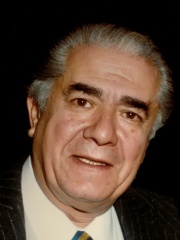
Salvatore Adamo
1943 - aujourd'hui
FR.WIKIPEDIA PAGE VIEWS (PV)

 Salvatore Adamo
Sa biographie est disponible en 39 langues sur Wikipédia (en hausse par rapport à 36 en 2024). Salvatore Adamo est le 81st chanteur le plus populaire (en baisse du 60th en 2024), la 593rd biographie la plus populaire d'Italie (en baisse du 512th en 2019), ainsi que le 8th chanteur d'Italie le plus populaire.
Memorability Metrics
280k
Page Views
Past 12 months
73.71
HPI
Historical Popularity Index
Page views of Salvatore Adamo by language
Among Chanteurs
Among chanteurs, Salvatore Adamo ranks 81 out of 4,381. Before him are Stevie Wonder, John Lydon, Ian Gillan, Billie Holiday, Ice Cube, and Françoise Hardy. After him are Amália Rodrigues, Sarah Vaughan, Miriam Makeba, Prince, Alla Pugacheva, and Morrissey.
Most Popular Chanteurs in Wikipedia
Go to all Rankings
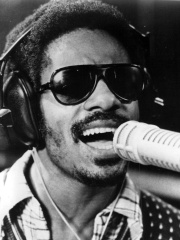
Stevie Wonder
1950 - Present
HPI: 73.96
Rank: 75
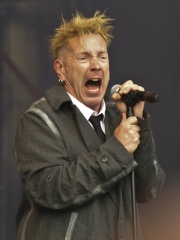
John Lydon
1956 - Present
HPI: 73.88
Rank: 76

Ian Gillan
1945 - Present
HPI: 73.85
Rank: 77
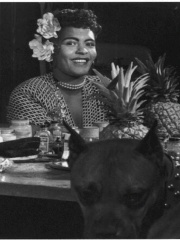
Billie Holiday
1915 - 1959
HPI: 73.78
Rank: 78
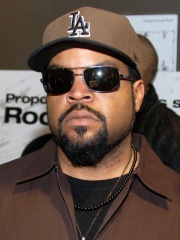
Ice Cube
1969 - Present
HPI: 73.73
Rank: 79
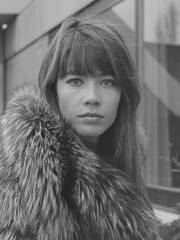
Françoise Hardy
1944 - 2024
HPI: 73.72
Rank: 80
Salvatore Adamo
1943 - Present
HPI: 73.71
Rank: 81
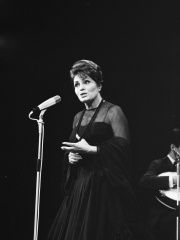
Amália Rodrigues
1920 - 1999
HPI: 73.65
Rank: 82
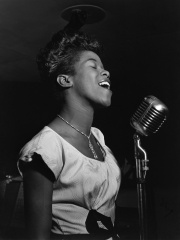
Sarah Vaughan
1924 - 1990
HPI: 73.48
Rank: 83
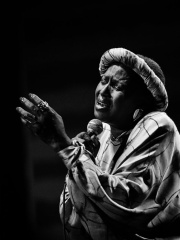
Miriam Makeba
1932 - 2008
HPI: 73.35
Rank: 84
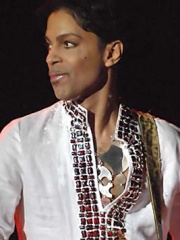
Prince
1958 - 2016
HPI: 73.16
Rank: 85
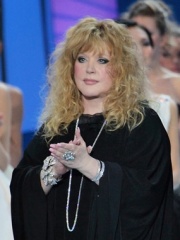
Alla Pugacheva
1949 - Present
HPI: 73.11
Rank: 86
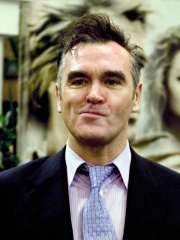
Morrissey
1959 - Present
HPI: 73.10
Rank: 87

Contemporaries
Among people born in 1943, Salvatore Adamo ranks 27. Before him are Joe Pesci, Ben Kingsley, Keith Richards, Sadako Sasaki, Elena Ferrante, and Christopher Walken. After him are Joseph Stiglitz, Horst Köhler, Jean-Louis Tauran, Jean-Jacques Annaud, Khalifa Haftar, and Louise Glück.
Others Born in 1943
Go to all Rankings
Joe Pesci
ACTOR
1943 - Present
HPI: 75.08
Rank: 21
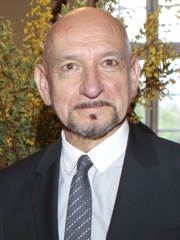
Ben Kingsley
ACTOR
1943 - Present
HPI: 74.94
Rank: 22
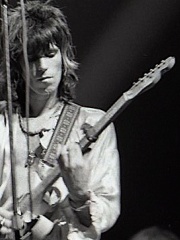
Keith Richards
MUSICIAN
1943 - Present
HPI: 74.62
Rank: 23

Sadako Sasaki
SOCIAL ACTIVIST
1943 - 1955
HPI: 74.55
Rank: 24

Elena Ferrante
WRITER
1943 - Present
HPI: 74.21
Rank: 25
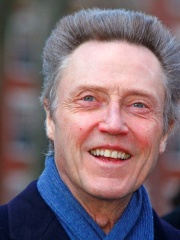
Christopher Walken
ACTOR
1943 - Present
HPI: 73.73
Rank: 26
Salvatore Adamo
SINGER
1943 - Present
HPI: 73.71
Rank: 27
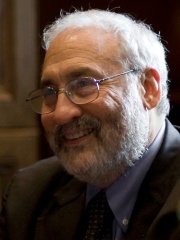
Joseph Stiglitz
ECONOMIST
1943 - Present
HPI: 73.63
Rank: 28
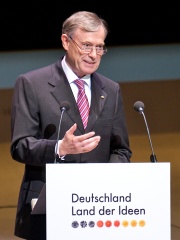
Horst Köhler
POLITICIAN
1943 - 2025
HPI: 73.42
Rank: 29
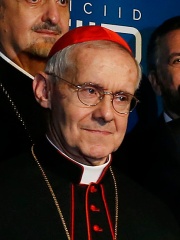
Jean-Louis Tauran
RELIGIOUS FIGURE
1943 - 2018
HPI: 73.42
Rank: 30
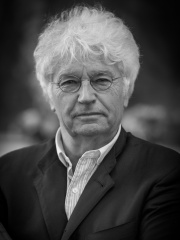
Jean-Jacques Annaud
FILM DIRECTOR
1943 - Present
HPI: 73.14
Rank: 31
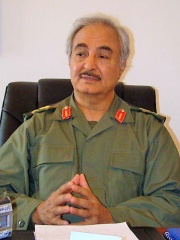
Khalifa Haftar
MILITARY PERSONNEL
1943 - Present
HPI: 72.98
Rank: 32
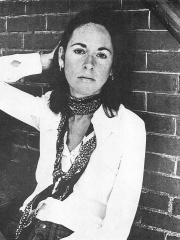
Louise Glück
WRITER
1943 - 2023
HPI: 72.92
Rank: 33
In Italie
Among people born in Italie, Salvatore Adamo ranks 593 out of NaN. Before him are Pope Marcellinus (250), Pope Boniface II (470), Marie Thérèse Louise of Savoy, Princesse de Lamballe (1749), Pietro Aretino (1492), Pope Leo V (870), and Lucilla (150). After him are Ennius (-239), Giulio Caccini (1551), Laura Bassi (1711), Pope John XIII (930), Francesco Redi (1626), and Pope Anastasius II (450).
Others born in Italie
Go to all Rankings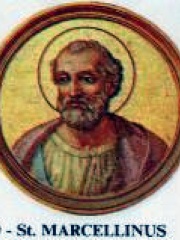
Pope Marcellinus
RELIGIOUS FIGURE
250 - 304
HPI: 73.77
Rank: 587
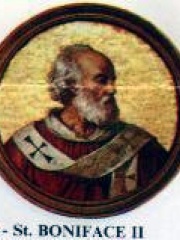
Pope Boniface II
RELIGIOUS FIGURE
470 - 532
HPI: 73.77
Rank: 588
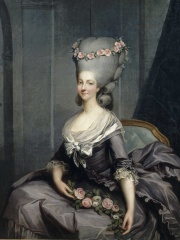
Marie Thérèse Louise of Savoy, Princesse de Lamballe
POLITICIAN
1749 - 1792
HPI: 73.76
Rank: 589
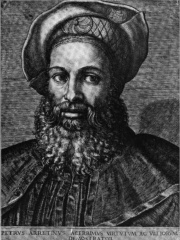
Pietro Aretino
WRITER
1492 - 1556
HPI: 73.72
Rank: 590
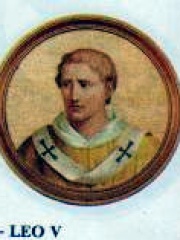
Pope Leo V
RELIGIOUS FIGURE
870 - 905
HPI: 73.72
Rank: 591
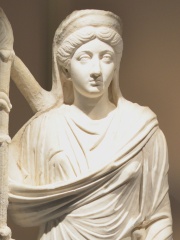
Lucilla
POLITICIAN
150 - 182
HPI: 73.72
Rank: 592
Salvatore Adamo
SINGER
1943 - Present
HPI: 73.71
Rank: 593
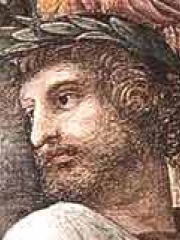
Ennius
WRITER
239 BC - 169 BC
HPI: 73.69
Rank: 594

Giulio Caccini
COMPOSER
1551 - 1618
HPI: 73.69
Rank: 595

Laura Bassi
PHYSICIST
1711 - 1778
HPI: 73.68
Rank: 596
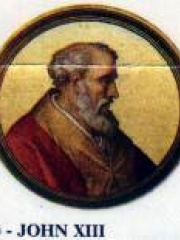
Pope John XIII
RELIGIOUS FIGURE
930 - 972
HPI: 73.66
Rank: 597
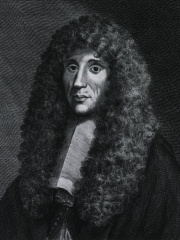
Francesco Redi
PHYSICIAN
1626 - 1697
HPI: 73.66
Rank: 598
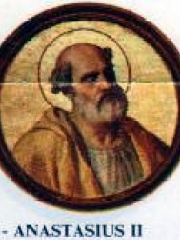
Pope Anastasius II
RELIGIOUS FIGURE
450 - 498
HPI: 73.65
Rank: 599
Among Chanteurs In Italie
Among chanteurs born in Italie, Salvatore Adamo ranks 8. Before him are Adriano Celentano (1938), Enrico Caruso (1873), Andrea Bocelli (1958), Toto Cutugno (1943), Farinelli (1705), and Albano Carrisi (1943). After him are Eros Ramazzotti (1963), Domenico Modugno (1928), Gigliola Cinquetti (1947), Barbara Strozzi (1619), Renata Tebaldi (1922), and Giuseppe Di Stefano (1921).
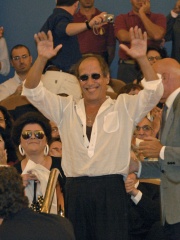
Adriano Celentano
1938 - Present
HPI: 79.87
Rank: 2
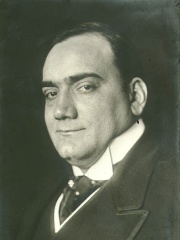
Enrico Caruso
1873 - 1921
HPI: 78.95
Rank: 3
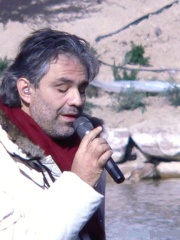
Andrea Bocelli
1958 - Present
HPI: 77.51
Rank: 4
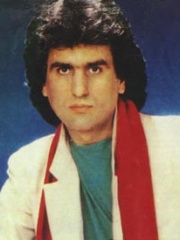
Toto Cutugno
1943 - 2023
HPI: 77.36
Rank: 5
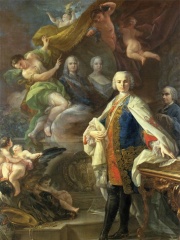
Farinelli
1705 - 1782
HPI: 77.22
Rank: 6
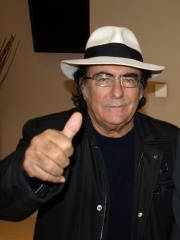
Albano Carrisi
1943 - Present
HPI: 75.50
Rank: 7
Salvatore Adamo
1943 - Present
HPI: 73.71
Rank: 8

Eros Ramazzotti
1963 - Present
HPI: 72.49
Rank: 9

Domenico Modugno
1928 - 1994
HPI: 72.09
Rank: 10
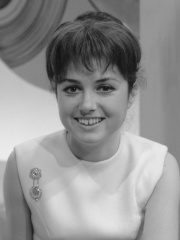
Gigliola Cinquetti
1947 - Present
HPI: 71.26
Rank: 11
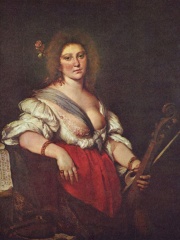
Barbara Strozzi
1619 - 1677
HPI: 69.21
Rank: 12
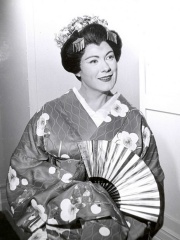
Renata Tebaldi
1922 - 2004
HPI: 69.06
Rank: 13
Giuseppe Di Stefano
1921 - 2008
HPI: 68.71
Rank: 14




