Szachista
Salo Flohr
1908 - 1983
WYŚWIETLENIA PL.WIKIPEDIA (PV)
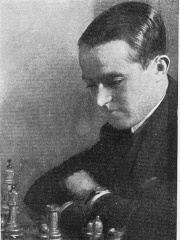
 Salo Flohr
Jego biografia jest dostępna w 28 różnych językach w Wikipedii (wzrost z 27 w 2024 roku). Salo Flohr jest 61. najpopularniejszym szachista (spadek z 57. w 2024 roku), 323. najpopularniejszą biografią Ukraina (wzrost z 355. w 2019 roku) oraz 5. najpopularniejszym szachista Ukraina.
Wskaźniki rozpoznawalności
19k
Wyświetlenia strony
Ostatnie 12 miesięcy
62.54
HPI
Indeks historycznej popularności
Wyświetlenia strony Salo Flohr według języka
Wśród przedstawicieli zawodu Szachista
Wśród przedstawicieli zawodu „Szachista” Salo Flohr zajmuje 61. miejsce na 461. Przed nim są Lajos Portisch, Andor Lilienthal, Dawid Janowski, Carl Schlechter, Géza Maróczy, i Pedro Damiano. Po nim są Mark Taimanov, Legall de Kermeur, Joseph Henry Blackburne, Milan Vidmar, Svetozar Gligorić, i Alessandro Salvio.
Najpopularniejsi w Wikipedii: Szachista
Zobacz wszystkie rankingi
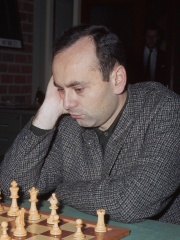
Lajos Portisch
1937 - obecnie
HPI: 63.47
Miejsce: 55
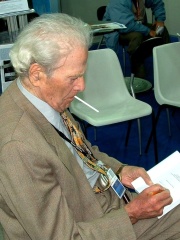
Andor Lilienthal
1911 - 2010
HPI: 63.46
Miejsce: 56
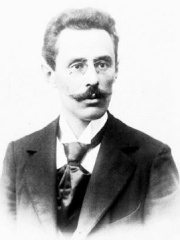
Dawid Janowski
1868 - 1927
HPI: 63.21
Miejsce: 57
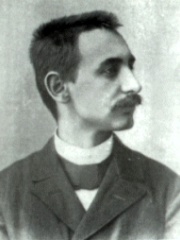
Carl Schlechter
1874 - 1918
HPI: 63.06
Miejsce: 58
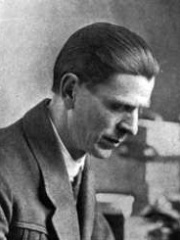
Géza Maróczy
1870 - 1951
HPI: 62.87
Miejsce: 59
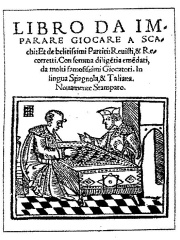
Pedro Damiano
1480 - 1544
HPI: 62.67
Miejsce: 60
Salo Flohr
1908 - 1983
HPI: 62.54
Miejsce: 61
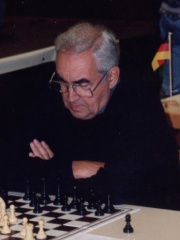
Mark Taimanov
1926 - 2016
HPI: 62.50
Miejsce: 62

Legall de Kermeur
1702 - 1792
HPI: 62.44
Miejsce: 63
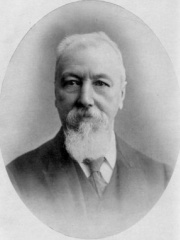
Joseph Henry Blackburne
1841 - 1924
HPI: 62.39
Miejsce: 64
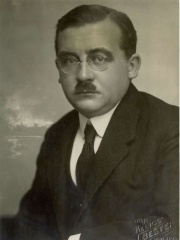
Milan Vidmar
1885 - 1962
HPI: 62.19
Miejsce: 65
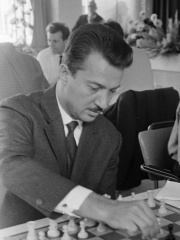
Svetozar Gligorić
1923 - 2012
HPI: 62.15
Miejsce: 66
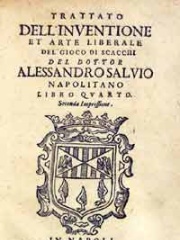
Alessandro Salvio
1570 - 1640
HPI: 62.15
Miejsce: 67

Współcześni
Wśród osób urodzonych w 1908 roku Salo Flohr zajmuje 113. miejsce. Przed nim są Sergei Sobolev, Bengt Strömgren, Jean Delannoy, Bernard Lee, Edgar Faure, i João Guimarães Rosa. Po nim są Ho Jong-suk, Afet İnan, Robert Rossen, Christa Schroeder, Eugen Weidmann, i Aurelio Peccei. Wśród osób zmarłych w 1983 roku Salo Flohr zajmuje 75. miejsce. Przed nim są László Budai, Rolf Stommelen, Piero Sraffa, Dennis Wilson, Ferenc Plattkó, i Ivan Vinogradov. Po nim są Josep Lluís Sert, Ralph Richardson, Tino Rossi, Artemio Franchi, Shizo Kanakuri, i Marcel Dalio.
Inne osoby urodzone w 1908 roku
Zobacz wszystkie rankingi
Sergei Sobolev
MATHEMATICIAN
1908 - 1989
HPI: 62.95
Miejsce: 107
Bengt Strömgren
ASTRONOMER
1908 - 1987
HPI: 62.94
Miejsce: 108
Jean Delannoy
ACTOR
1908 - 2008
HPI: 62.84
Miejsce: 109
Bernard Lee
ACTOR
1908 - 1981
HPI: 62.70
Miejsce: 110
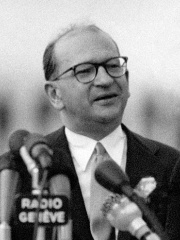
Edgar Faure
POLITICIAN
1908 - 1988
HPI: 62.67
Miejsce: 111
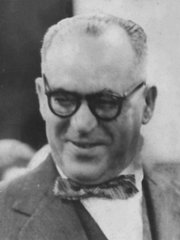
João Guimarães Rosa
WRITER
1908 - 1967
HPI: 62.60
Miejsce: 112
Salo Flohr
CHESS PLAYER
1908 - 1983
HPI: 62.54
Miejsce: 113
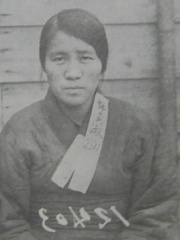
Ho Jong-suk
SOCIAL ACTIVIST
1908 - 1991
HPI: 62.50
Miejsce: 114
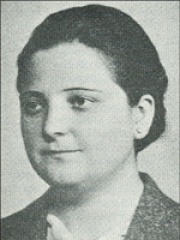
Afet İnan
HISTORIAN
1908 - 1985
HPI: 62.44
Miejsce: 115
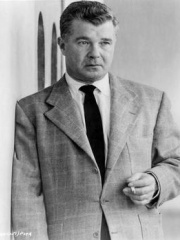
Robert Rossen
FILM DIRECTOR
1908 - 1966
HPI: 62.38
Miejsce: 116
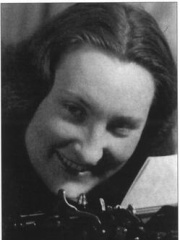
Christa Schroeder
SOCIAL ACTIVIST
1908 - 1984
HPI: 62.35
Miejsce: 117
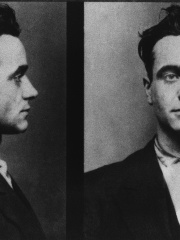
Eugen Weidmann
EXTREMIST
1908 - 1939
HPI: 62.33
Miejsce: 118
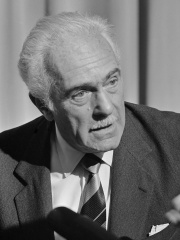
Aurelio Peccei
BUSINESSPERSON
1908 - 1984
HPI: 62.30
Miejsce: 119
Inne osoby zmarłe w 1983 roku
Zobacz wszystkie rankingi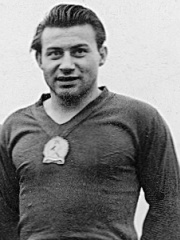
László Budai
SOCCER PLAYER
1928 - 1983
HPI: 63.06
Miejsce: 69
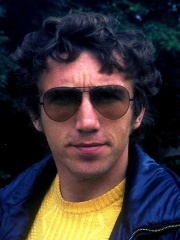
Rolf Stommelen
RACING DRIVER
1943 - 1983
HPI: 63.03
Miejsce: 70
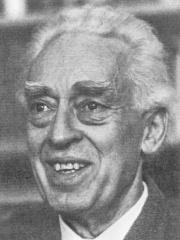
Piero Sraffa
ECONOMIST
1898 - 1983
HPI: 63.00
Miejsce: 71
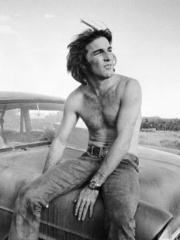
Dennis Wilson
MUSICIAN
1944 - 1983
HPI: 62.98
Miejsce: 72
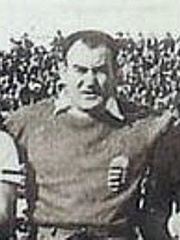
Ferenc Plattkó
SOCCER PLAYER
1898 - 1983
HPI: 62.75
Miejsce: 73
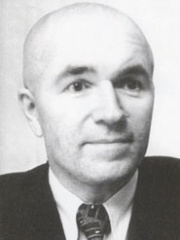
Ivan Vinogradov
MATHEMATICIAN
1891 - 1983
HPI: 62.62
Miejsce: 74
Salo Flohr
CHESS PLAYER
1908 - 1983
HPI: 62.54
Miejsce: 75
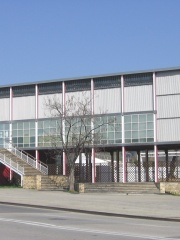
Josep Lluís Sert
ARCHITECT
1902 - 1983
HPI: 62.46
Miejsce: 76
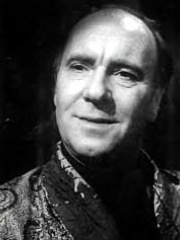
Ralph Richardson
ACTOR
1902 - 1983
HPI: 62.36
Miejsce: 77
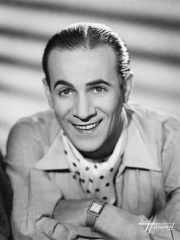
Tino Rossi
SINGER
1907 - 1983
HPI: 62.29
Miejsce: 78
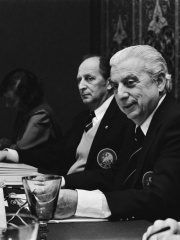
Artemio Franchi
POLITICIAN
1922 - 1983
HPI: 62.27
Miejsce: 79
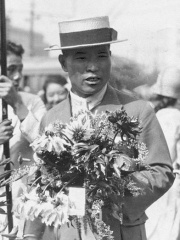
Shizo Kanakuri
ATHLETE
1891 - 1983
HPI: 62.18
Miejsce: 80
Marcel Dalio
ACTOR
1899 - 1983
HPI: 62.09
Miejsce: 81
W kraju Ukraina
Wśród osób urodzonych w kraju Ukraina Salo Flohr zajmuje 323. miejsce na NaN. Przed nim są Vladimir Antonov-Ovseyenko (1883), Irina Press (1939), Vitaliy Masol (1928), Georgy Beregovoy (1921), Tadeusz Borowski (1922), i Nikolay Shmatko (1943). Po nim są Alexius Meinong (1853), Yaakov Dori (1899), Igor Shafarevich (1923), Mark Taimanov (1926), Sergei Natanovich Bernstein (1880), i Zbigniew Herbert (1924).
Inne osoby urodzone w kraju Ukraina
Zobacz wszystkie rankingi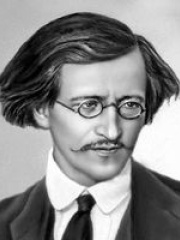
Vladimir Antonov-Ovseyenko
POLITICIAN
1883 - 1938
HPI: 62.67
Miejsce: 317
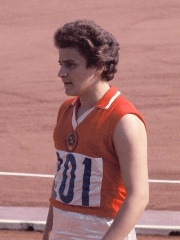
Irina Press
ATHLETE
1939 - 2004
HPI: 62.65
Miejsce: 318
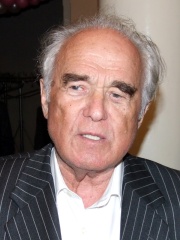
Vitaliy Masol
POLITICIAN
1928 - 2018
HPI: 62.62
Miejsce: 319
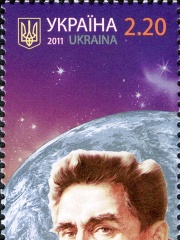
Georgy Beregovoy
ASTRONAUT
1921 - 1995
HPI: 62.61
Miejsce: 320
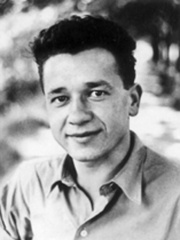
Tadeusz Borowski
WRITER
1922 - 1951
HPI: 62.57
Miejsce: 321
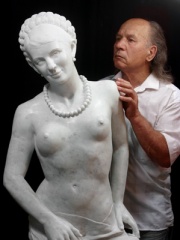
Nikolay Shmatko
ARTIST
1943 - 2020
HPI: 62.56
Miejsce: 322
Salo Flohr
CHESS PLAYER
1908 - 1983
HPI: 62.54
Miejsce: 323
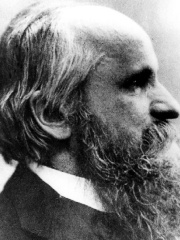
Alexius Meinong
PHILOSOPHER
1853 - 1920
HPI: 62.54
Miejsce: 324
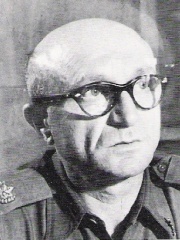
Yaakov Dori
POLITICIAN
1899 - 1973
HPI: 62.53
Miejsce: 325
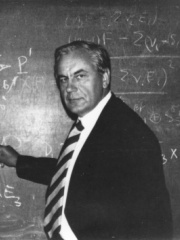
Igor Shafarevich
MATHEMATICIAN
1923 - 2017
HPI: 62.52
Miejsce: 326
Mark Taimanov
CHESS PLAYER
1926 - 2016
HPI: 62.50
Miejsce: 327
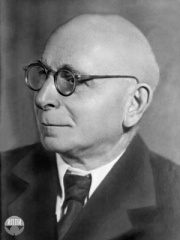
Sergei Natanovich Bernstein
MATHEMATICIAN
1880 - 1968
HPI: 62.49
Miejsce: 328
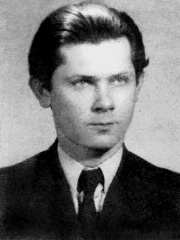
Zbigniew Herbert
WRITER
1924 - 1998
HPI: 62.46
Miejsce: 329
Wśród przedstawicieli zawodu Szachista w kraju Ukraina
Wśród przedstawicieli zawodu „Szachista” urodzonych w kraju Ukraina Salo Flohr zajmuje 5. miejsce. Przed nim są David Bronstein (1924), Efim Bogoljubov (1889), Vassily Ivanchuk (1969), i Lyudmila Rudenko (1904). Po nim są Mark Taimanov (1926), Isaac Boleslavsky (1919), Alexander Beliavsky (1953), Leonid Stein (1934), Ossip Bernstein (1882), Anna Muzychuk (1990), i Georg Marco (1863).
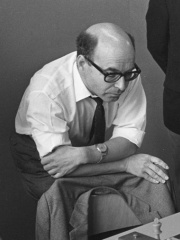
David Bronstein
1924 - 2006
HPI: 66.09
Miejsce: 1
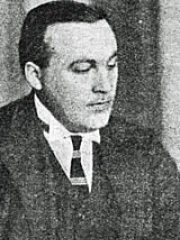
Efim Bogoljubov
1889 - 1952
HPI: 66.08
Miejsce: 2
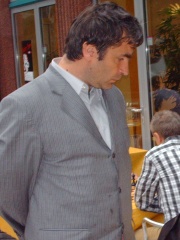
Vassily Ivanchuk
1969 - obecnie
HPI: 66.00
Miejsce: 3
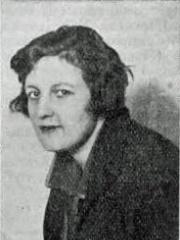
Lyudmila Rudenko
1904 - 1986
HPI: 64.52
Miejsce: 4
Salo Flohr
1908 - 1983
HPI: 62.54
Miejsce: 5
Mark Taimanov
1926 - 2016
HPI: 62.50
Miejsce: 6
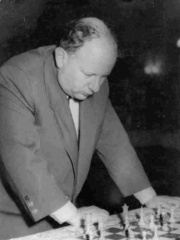
Isaac Boleslavsky
1919 - 1977
HPI: 61.49
Miejsce: 7
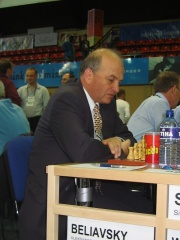
Alexander Beliavsky
1953 - obecnie
HPI: 58.96
Miejsce: 8
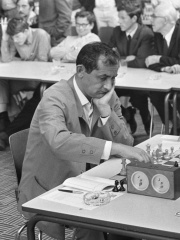
Leonid Stein
1934 - 1973
HPI: 56.95
Miejsce: 9
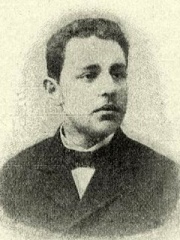
Ossip Bernstein
1882 - 1962
HPI: 56.29
Miejsce: 10
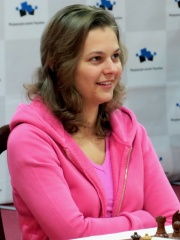
Anna Muzychuk
1990 - obecnie
HPI: 56.13
Miejsce: 11
Georg Marco
1863 - 1923
HPI: 55.62
Miejsce: 12




