Politician
Rula Ghani
First Lady of Afghanistan
1948 - today
EN.WIKIPEDIA PAGE VIEWS (PV)
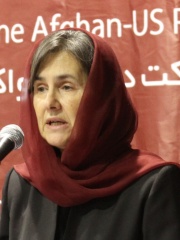
 Rula Ghani
Her biography is available in 20 different languages on Wikipedia (up from 18 in 2024). Rula Ghani is the 14,373rd most popular politician (down from 13,743rd in 2024), the 106th most popular biography from Lebanon (down from 102nd in 2019) and the 45th most popular Lebanese Politician.
Memorability Metrics
57k
Page Views
Past 12 months
56.68
HPI
Historical Popularity Index
Page views of Rula Ghani by language
Among Politicians
Among politicians, Rula Ghani ranks 14,367 out of 19,576. Before her are Eduardo Rodríguez, Kim Yong-chol, Áedán mac Gabráin, Yukio Ozaki, Malcolm Turnbull, and Sultan Ali Keshtmand. After her are Tlepolemus, Vasyl Durdynets, Princess Louise Charlotte of Saxe-Altenburg, Svyatoslav Fyodorov, Damiq-ilishu, and Stafford Cripps.
Most Popular Politicians in Wikipedia
Go to all Rankings
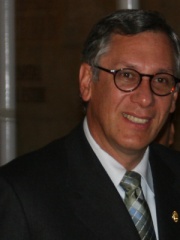
Eduardo Rodríguez
1956 - Present
HPI: 56.70
Rank: 14,367
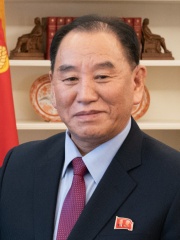
Kim Yong-chol
1946 - Present
HPI: 56.70
Rank: 14,368

Áedán mac Gabráin
501 - 608
HPI: 56.70
Rank: 14,369
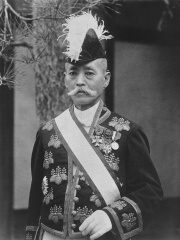
Yukio Ozaki
1858 - 1954
HPI: 56.69
Rank: 14,370
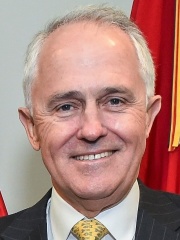
Malcolm Turnbull
1954 - Present
HPI: 56.69
Rank: 14,371

Sultan Ali Keshtmand
1935 - Present
HPI: 56.69
Rank: 14,372
Rula Ghani
1948 - Present
HPI: 56.68
Rank: 14,373

Tlepolemus
HPI: 56.68
Rank: 14,374
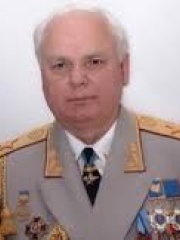
Vasyl Durdynets
1937 - Present
HPI: 56.68
Rank: 14,375
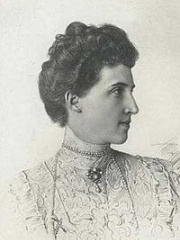
Princess Louise Charlotte of Saxe-Altenburg
1873 - 1953
HPI: 56.68
Rank: 14,376
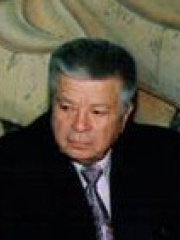
Svyatoslav Fyodorov
1927 - 2000
HPI: 56.68
Rank: 14,377
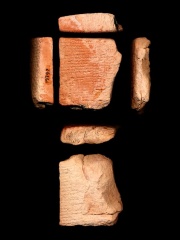
Damiq-ilishu
1900 BC - 1800 BC
HPI: 56.68
Rank: 14,378
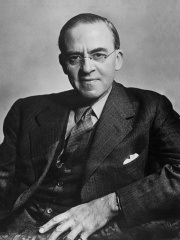
Stafford Cripps
1889 - 1952
HPI: 56.68
Rank: 14,379

Contemporaries
Among people born in 1948, Rula Ghani ranks 438. Before her are Elaine Paige, Luciano Sušanj, Vinko Jelovac, Bernd Stange, Erik Schinegger, and Sinéad Cusack. After her are Ndaye Mulamba, Ratko Rudić, Sandra Brown, Carole Laure, Chris Mulkey, and Yossi Beilin.
Others Born in 1948
Go to all Rankings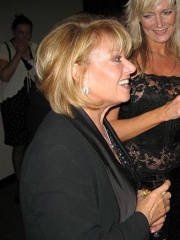
Elaine Paige
SINGER
1948 - Present
HPI: 56.72
Rank: 432

Luciano Sušanj
ATHLETE
1948 - 2024
HPI: 56.72
Rank: 433

Vinko Jelovac
BASKETBALL PLAYER
1948 - Present
HPI: 56.72
Rank: 434
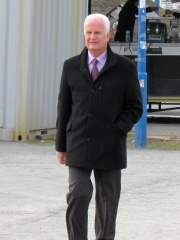
Bernd Stange
SOCCER PLAYER
1948 - Present
HPI: 56.70
Rank: 435
Erik Schinegger
SKIER
1948 - Present
HPI: 56.69
Rank: 436
Sinéad Cusack
ACTOR
1948 - Present
HPI: 56.69
Rank: 437
Rula Ghani
POLITICIAN
1948 - Present
HPI: 56.68
Rank: 438

Ndaye Mulamba
SOCCER PLAYER
1948 - 2019
HPI: 56.66
Rank: 439
Ratko Rudić
COACH
1948 - Present
HPI: 56.65
Rank: 440
Sandra Brown
WRITER
1948 - Present
HPI: 56.59
Rank: 441
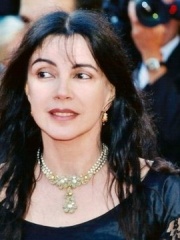
Carole Laure
ACTOR
1948 - Present
HPI: 56.54
Rank: 442

Chris Mulkey
ACTOR
1948 - Present
HPI: 56.49
Rank: 443
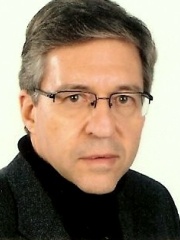
Yossi Beilin
POLITICIAN
1948 - Present
HPI: 56.47
Rank: 444
In Lebanon
Among people born in Lebanon, Rula Ghani ranks 106 out of NaN. Before her are Elie Saab (1964), Philip K. Hitti (1886), Mika (1983), John Dolmayan (1973), Ardem Patapoutian (1967), and Giuseppe Simone Assemani (1686). After her are Nadine Labaki (1974), Steve Kerr (1965), Maher Zain (1981), Mona Hatoum (1952), Fares Fares (1973), and Anthony Peter Khoraish (1907).
Others born in Lebanon
Go to all Rankings
Elie Saab
POLITICIAN
1964 - Present
HPI: 58.27
Rank: 100

Philip K. Hitti
HISTORIAN
1886 - 1978
HPI: 58.02
Rank: 101
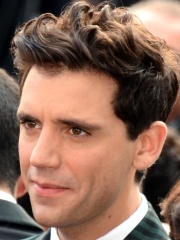
Mika
MUSICIAN
1983 - Present
HPI: 57.94
Rank: 102
John Dolmayan
MUSICIAN
1973 - Present
HPI: 57.41
Rank: 103
Ardem Patapoutian
BIOLOGIST
1967 - Present
HPI: 57.20
Rank: 104
Giuseppe Simone Assemani
RELIGIOUS FIGURE
1686 - 1768
HPI: 57.17
Rank: 105
Rula Ghani
POLITICIAN
1948 - Present
HPI: 56.68
Rank: 106
Nadine Labaki
ACTOR
1974 - Present
HPI: 56.64
Rank: 107

Steve Kerr
BASKETBALL PLAYER
1965 - Present
HPI: 56.62
Rank: 108

Maher Zain
SINGER
1981 - Present
HPI: 56.40
Rank: 109
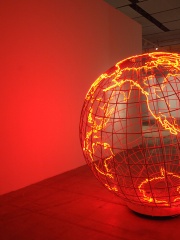
Mona Hatoum
SCULPTOR
1952 - Present
HPI: 56.39
Rank: 110
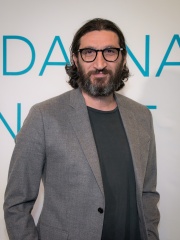
Fares Fares
ACTOR
1973 - Present
HPI: 56.15
Rank: 111
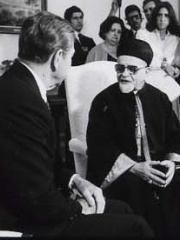
Anthony Peter Khoraish
RELIGIOUS FIGURE
1907 - 1994
HPI: 55.84
Rank: 112
Among Politicians In Lebanon
Among politicians born in Lebanon, Rula Ghani ranks 45. Before her are Charles Helou (1913), Elie Hobeika (1956), Rashid Karami (1921), Bashir Shihab II (1767), Riad Al Solh (1894), and Elie Saab (1964). After her are Emily de Jongh-Elhage (1946), Pierre Amine Gemayel (1972), Ahmad Al-Fahad Al-Ahmed Al-Sabah (1963), Mustapha Adib (1972), and Gebran Bassil (1970).
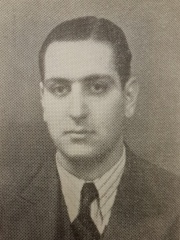
Charles Helou
1913 - 2001
HPI: 60.04
Rank: 39
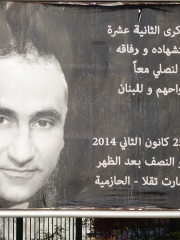
Elie Hobeika
1956 - 2002
HPI: 59.64
Rank: 40
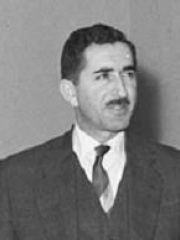
Rashid Karami
1921 - 1987
HPI: 59.28
Rank: 41
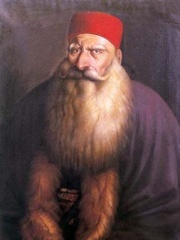
Bashir Shihab II
1767 - 1850
HPI: 59.05
Rank: 42
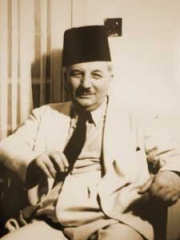
Riad Al Solh
1894 - 1951
HPI: 58.29
Rank: 43
Elie Saab
1964 - Present
HPI: 58.27
Rank: 44
Rula Ghani
1948 - Present
HPI: 56.68
Rank: 45
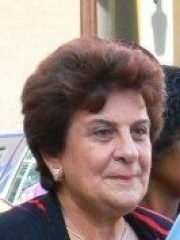
Emily de Jongh-Elhage
1946 - Present
HPI: 55.45
Rank: 46
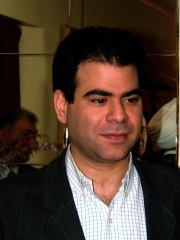
Pierre Amine Gemayel
1972 - 2006
HPI: 51.06
Rank: 47
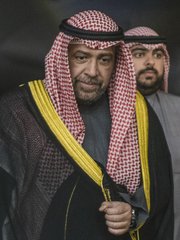
Ahmad Al-Fahad Al-Ahmed Al-Sabah
1963 - Present
HPI: 47.65
Rank: 48
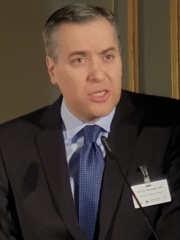
Mustapha Adib
1972 - Present
HPI: 46.68
Rank: 49
Gebran Bassil
1970 - Present
HPI: 46.02
Rank: 50




