Astronoom
Robert Woodrow Wilson
1936 - heden
NL.WIKIPEDIA-PAGINAWEERGAVEN (PV)

 Robert Woodrow Wilson
Zijn biografie is beschikbaar in 78 verschillende talen op Wikipedia (toegenomen van 77 in 2024). Robert Woodrow Wilson staat op plaats 38 onder de meest populaire astronoom (gestegen van plaats 39 in 2024), plaats 545 onder de meest populaire biografieën uit Verenigde Staten (gestegen van plaats 620 in 2019) en op plaats 6 onder de populairste astronoom uit Verenigde Staten.
Bekendheidsstatistieken
54k
Paginaweergaven
Afgelopen 12 maanden
73.41
HPI
Historische populariteitsindex
Paginaweergaven van Robert Woodrow Wilson per taal
Onder Astronoom
Onder Astronoom staat Robert Woodrow Wilson op plaats 38 van 644. Vóór hem staan Giovanni Schiaparelli, Heinrich Louis d'Arrest, Johann Palisa, Johann Gottfried Galle, Sosigenes of Alexandria, en William Lassell. Na hem komen Vesto Slipher, Johannes Hevelius, Asaph Hall, Johann Bayer, Clyde Tombaugh, en Martin Ryle.
Populairste Astronoom op Wikipedia
Naar alle ranglijsten
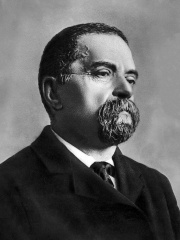
Giovanni Schiaparelli
1835 - 1910
HPI: 74.56
Plaats: 32
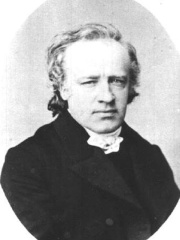
Heinrich Louis d'Arrest
1822 - 1875
HPI: 74.38
Plaats: 33
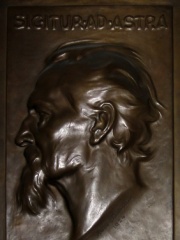
Johann Palisa
1848 - 1925
HPI: 74.05
Plaats: 34
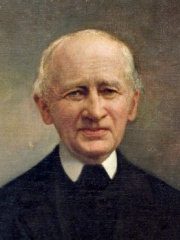
Johann Gottfried Galle
1812 - 1910
HPI: 73.80
Plaats: 35

Sosigenes of Alexandria
80 BC - 100 BC
HPI: 73.54
Plaats: 36
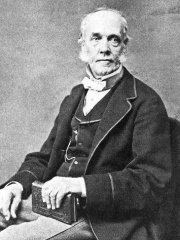
William Lassell
1799 - 1880
HPI: 73.45
Plaats: 37
Robert Woodrow Wilson
1936 - heden
HPI: 73.41
Plaats: 38
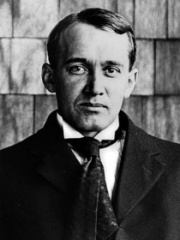
Vesto Slipher
1875 - 1969
HPI: 73.27
Plaats: 39

Johannes Hevelius
1611 - 1687
HPI: 73.07
Plaats: 40
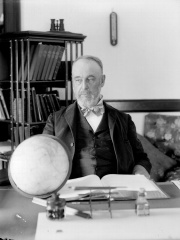
Asaph Hall
1829 - 1907
HPI: 73.01
Plaats: 41

Johann Bayer
1572 - 1625
HPI: 72.59
Plaats: 42
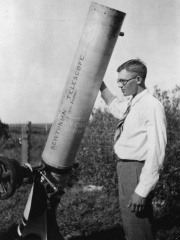
Clyde Tombaugh
1906 - 1997
HPI: 72.42
Plaats: 43
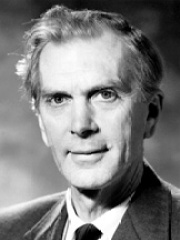
Martin Ryle
1918 - 1984
HPI: 72.20
Plaats: 44

Tijdgenoten
Onder de mensen geboren in 1936 staat Robert Woodrow Wilson op plaats 22. Vóór hem staan Valery Legasov, Harald zur Hausen, John McCain, F. W. de Klerk, Louis Gossett Jr., en Andrei Chikatilo. Na hem komen Aga Khan IV, Zubin Mehta, Glen Campbell, David Carradine, Barack Obama Sr., en Virna Lisi.
Anderen geboren in 1936
Naar alle ranglijsten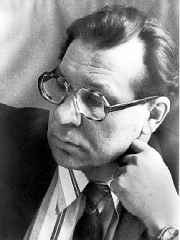
Valery Legasov
CHEMIST
1936 - 1988
HPI: 73.95
Plaats: 16
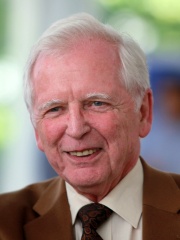
Harald zur Hausen
BIOLOGIST
1936 - 2023
HPI: 73.85
Plaats: 17

John McCain
POLITICIAN
1936 - 2018
HPI: 73.79
Plaats: 18

F. W. de Klerk
POLITICIAN
1936 - 2021
HPI: 73.73
Plaats: 19
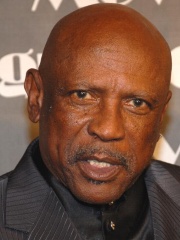
Louis Gossett Jr.
ACTOR
1936 - 2024
HPI: 73.63
Plaats: 20

Andrei Chikatilo
EXTREMIST
1936 - 1994
HPI: 73.57
Plaats: 21
Robert Woodrow Wilson
ASTRONOMER
1936 - heden
HPI: 73.41
Plaats: 22

Aga Khan IV
BUSINESSPERSON
1936 - 2025
HPI: 73.31
Plaats: 23

Zubin Mehta
CONDUCTOR
1936 - heden
HPI: 73.09
Plaats: 24
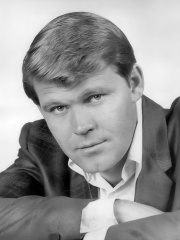
Glen Campbell
SINGER
1936 - 2017
HPI: 72.65
Plaats: 25
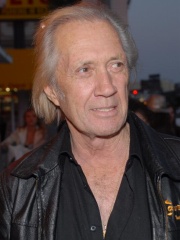
David Carradine
ACTOR
1936 - 2009
HPI: 72.52
Plaats: 26

Barack Obama Sr.
ECONOMIST
1936 - 1982
HPI: 72.51
Plaats: 27

Virna Lisi
ACTOR
1936 - 2014
HPI: 72.50
Plaats: 28
In Verenigde Staten
Onder de mensen geboren in Verenigde Staten staat Robert Woodrow Wilson op plaats 545 van NaN. Vóór hem staan Kim Basinger (1953), Sarah Vaughan (1924), Daniel Boone (1734), Joseph Henry (1797), Anne Hathaway (1982), en Buffalo Bill (1846). Na hem komen Danny Trejo (1944), John Malkovich (1953), Raymond Chandler (1888), Robert Fulton (1765), Henry James (1843), en Frances Cleveland (1864).
Anderen geboren in Verenigde Staten
Naar alle ranglijsten
Kim Basinger
ACTOR
1953 - heden
HPI: 73.51
Plaats: 539

Sarah Vaughan
SINGER
1924 - 1990
HPI: 73.48
Plaats: 540
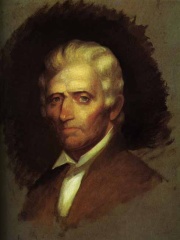
Daniel Boone
EXPLORER
1734 - 1820
HPI: 73.46
Plaats: 541
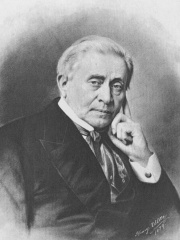
Joseph Henry
PHYSICIST
1797 - 1878
HPI: 73.46
Plaats: 542

Anne Hathaway
ACTOR
1982 - heden
HPI: 73.44
Plaats: 543
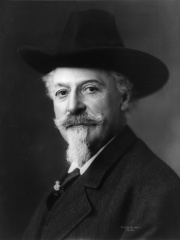
Buffalo Bill
CELEBRITY
1846 - 1917
HPI: 73.42
Plaats: 544
Robert Woodrow Wilson
ASTRONOMER
1936 - heden
HPI: 73.41
Plaats: 545
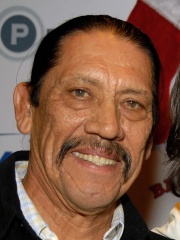
Danny Trejo
ACTOR
1944 - heden
HPI: 73.40
Plaats: 546

John Malkovich
ACTOR
1953 - heden
HPI: 73.39
Plaats: 547
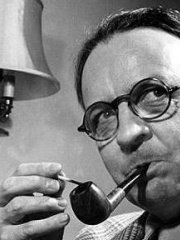
Raymond Chandler
WRITER
1888 - 1959
HPI: 73.39
Plaats: 548
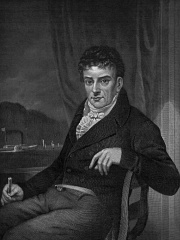
Robert Fulton
INVENTOR
1765 - 1815
HPI: 73.39
Plaats: 549
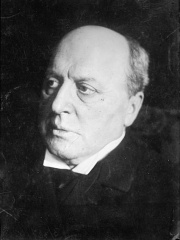
Henry James
WRITER
1843 - 1916
HPI: 73.37
Plaats: 550
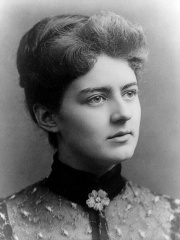
Frances Cleveland
POLITICIAN
1864 - 1947
HPI: 73.36
Plaats: 551
Onder Astronoom in Verenigde Staten
Onder Astronoom geboren in Verenigde Staten staat Robert Woodrow Wilson op plaats 6. Vóór hem staan Edwin Hubble (1889), Joseph Hooton Taylor Jr. (1941), Carl Sagan (1934), Neil deGrasse Tyson (1958), en Charles Greeley Abbot (1872). Na hem komen Vesto Slipher (1875), Asaph Hall (1829), Clyde Tombaugh (1906), William Alfred Fowler (1911), Edward Emerson Barnard (1857), en Vera Rubin (1928).
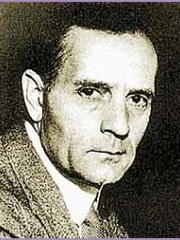
Edwin Hubble
1889 - 1953
HPI: 78.45
Plaats: 1

Joseph Hooton Taylor Jr.
1941 - heden
HPI: 77.51
Plaats: 2

Carl Sagan
1934 - 1996
HPI: 76.23
Plaats: 3
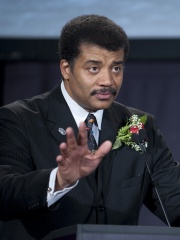
Neil deGrasse Tyson
1958 - heden
HPI: 74.94
Plaats: 4
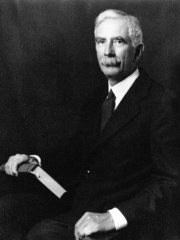
Charles Greeley Abbot
1872 - 1973
HPI: 74.64
Plaats: 5
Robert Woodrow Wilson
1936 - heden
HPI: 73.41
Plaats: 6
Vesto Slipher
1875 - 1969
HPI: 73.27
Plaats: 7
Asaph Hall
1829 - 1907
HPI: 73.01
Plaats: 8
Clyde Tombaugh
1906 - 1997
HPI: 72.42
Plaats: 9
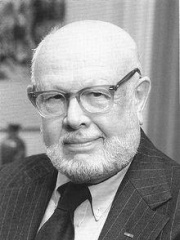
William Alfred Fowler
1911 - 1995
HPI: 71.45
Plaats: 10
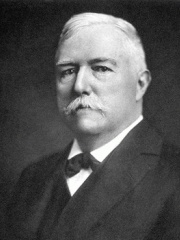
Edward Emerson Barnard
1857 - 1923
HPI: 70.64
Plaats: 11

Vera Rubin
1928 - 2016
HPI: 70.42
Plaats: 12




