Politikus
Péter Boross
1928 - napjainkig
HU.WIKIPEDIA PAGE VIEWS (PV)
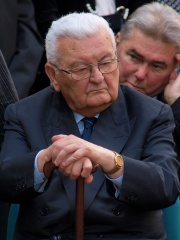
 Péter Boross
Életrajza 23 különböző nyelven érhető el a Wikipédián (növekedés 21-ről 2024-ben). Péter Boross a 12,236th legnépszerűbb politikus (növekedés a 12,439th-ről 2024-ben), a 402nd legnépszerűbb életrajz Magyarország országából (növekedés a 405th-ről 2019-ben) és a 108th legnépszerűbb Magyarországból politikus.
Memorability Metrics
71k
Page Views
Past 12 months
59.10
HPI
Historical Popularity Index
Page views of Péter Boross by language
Among Politikuses
Among politikuses, Péter Boross ranks 12,230 out of 19,576. Before him are Jerry Nadler, Óscar Humberto Mejía Víctores, Phetracha, Peter the Patrician, Isagoras, and Judith of Brittany. After him are Miguel Ydígoras Fuentes, Louis George, Margrave of Baden-Baden, Valentina Grizodubova, Alimardan Topchubashov, Constantine IV of Armenia, and Fyodor Rostopchin.
Most Popular Politikuses in Wikipedia
Go to all Rankings
Jerry Nadler
1947 - Present
HPI: 59.10
Rank: 12,230

Óscar Humberto Mejía Víctores
1930 - 2016
HPI: 59.10
Rank: 12,231
Phetracha
1632 - 1703
HPI: 59.10
Rank: 12,232
Peter the Patrician
500 - 565
HPI: 59.10
Rank: 12,233

Isagoras
600 BC - 600 BC
HPI: 59.10
Rank: 12,234
Judith of Brittany
982 - 1017
HPI: 59.10
Rank: 12,235
Péter Boross
1928 - Present
HPI: 59.10
Rank: 12,236
Miguel Ydígoras Fuentes
1895 - 1982
HPI: 59.09
Rank: 12,237
Louis George, Margrave of Baden-Baden
1702 - 1761
HPI: 59.09
Rank: 12,238
Valentina Grizodubova
1909 - 1993
HPI: 59.09
Rank: 12,239
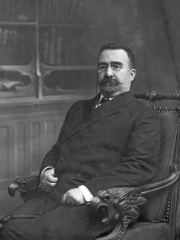
Alimardan Topchubashov
1862 - 1934
HPI: 59.09
Rank: 12,240
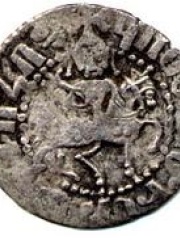
Constantine IV of Armenia
1324 - 1373
HPI: 59.09
Rank: 12,241
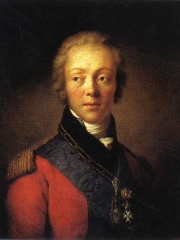
Fyodor Rostopchin
1763 - 1826
HPI: 59.09
Rank: 12,242

Contemporaries
Among people born in 1928, Péter Boross ranks 284. Before him are Maurice Sendak, Azlan Shah of Perak, William Berger, Eric Dolphy, Tzannis Tzannetakis, and Elio Sgreccia. After him are Pilar Lorengar, Karl Josef Becker, Miguel Poblet, Torben Ulrich, Veijo Meri, and Tahir Salahov.
Others Born in 1928
Go to all Rankings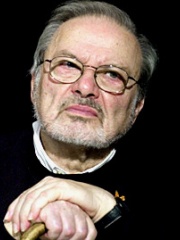
Maurice Sendak
WRITER
1928 - 2012
HPI: 59.38
Rank: 278
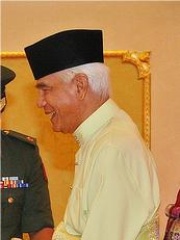
Azlan Shah of Perak
POLITICIAN
1928 - 2014
HPI: 59.23
Rank: 279
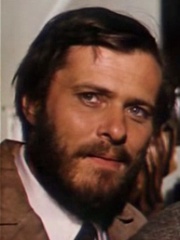
William Berger
ACTOR
1928 - 1993
HPI: 59.22
Rank: 280
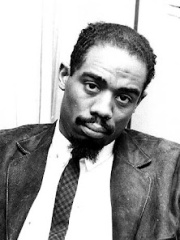
Eric Dolphy
MUSICIAN
1928 - 1964
HPI: 59.18
Rank: 281

Tzannis Tzannetakis
POLITICIAN
1928 - 2010
HPI: 59.11
Rank: 282
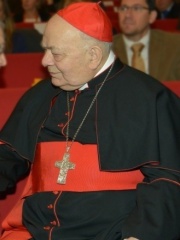
Elio Sgreccia
RELIGIOUS FIGURE
1928 - 2019
HPI: 59.10
Rank: 283
Péter Boross
POLITICIAN
1928 - Present
HPI: 59.10
Rank: 284
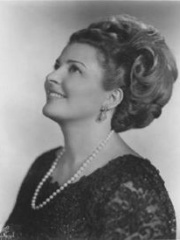
Pilar Lorengar
SINGER
1928 - 1996
HPI: 59.09
Rank: 285

Karl Josef Becker
RELIGIOUS FIGURE
1928 - 2015
HPI: 59.08
Rank: 286
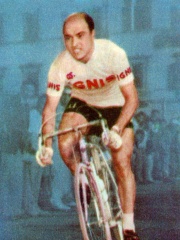
Miguel Poblet
CYCLIST
1928 - 2013
HPI: 59.05
Rank: 287
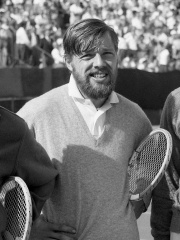
Torben Ulrich
WRITER
1928 - 2023
HPI: 59.05
Rank: 288
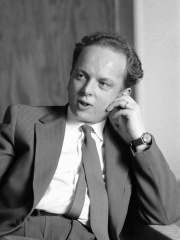
Veijo Meri
WRITER
1928 - 2015
HPI: 59.03
Rank: 289
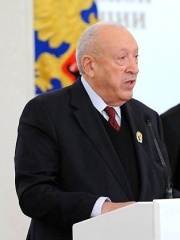
Tahir Salahov
PAINTER
1928 - 2021
HPI: 58.99
Rank: 290
In Magyarország
Among people born in Magyarország, Péter Boross ranks 402 out of NaN. Before him are Jenő Fuchs (1882), Andrew Marton (1904), Gordon Bajnai (1968), Olga Gyarmati (1924), Gyula Kállai (1910), and Rudolf Kárpáti (1920). After him are Lipót Fejér (1880), Tibor Déry (1894), Zoltán Kocsis (1952), Péter Tóth (1882), Lajos Baróti (1914), and Richárd Weisz (1879).
Others born in Magyarország
Go to all Rankings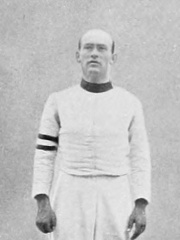
Jenő Fuchs
POLITICIAN
1882 - 1955
HPI: 59.22
Rank: 396

Andrew Marton
FILM DIRECTOR
1904 - 1992
HPI: 59.21
Rank: 397
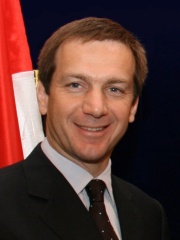
Gordon Bajnai
POLITICIAN
1968 - Present
HPI: 59.17
Rank: 398
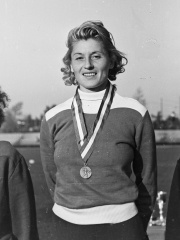
Olga Gyarmati
ATHLETE
1924 - 2013
HPI: 59.14
Rank: 399
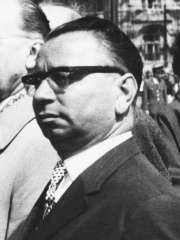
Gyula Kállai
POLITICIAN
1910 - 1996
HPI: 59.13
Rank: 400
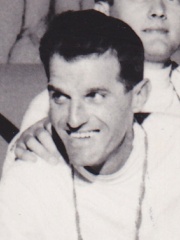
Rudolf Kárpáti
FENCER
1920 - 1999
HPI: 59.11
Rank: 401
Péter Boross
POLITICIAN
1928 - Present
HPI: 59.10
Rank: 402
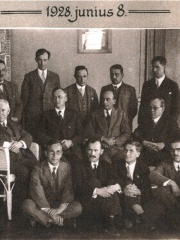
Lipót Fejér
MATHEMATICIAN
1880 - 1959
HPI: 59.08
Rank: 403
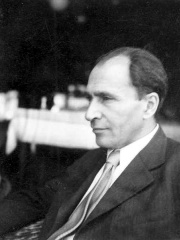
Tibor Déry
WRITER
1894 - 1977
HPI: 59.08
Rank: 404

Zoltán Kocsis
MUSICIAN
1952 - 2016
HPI: 59.03
Rank: 405
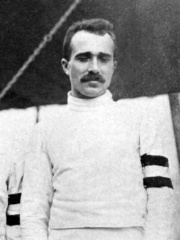
Péter Tóth
FENCER
1882 - 1967
HPI: 59.03
Rank: 406
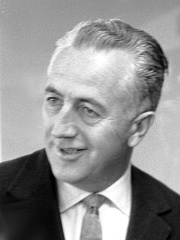
Lajos Baróti
SOCCER PLAYER
1914 - 2005
HPI: 59.01
Rank: 407
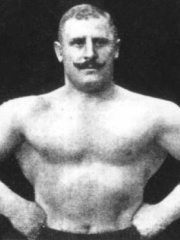
Richárd Weisz
WRESTLER
1879 - 1945
HPI: 59.00
Rank: 408
Among Politikuses In Magyarország
Among politikuses born in Magyarország, Péter Boross ranks 108. Before him are Kálmán Darányi (1886), Ferenc Nagy (1903), György Lázár (1924), Jenő Fuchs (1882), Gordon Bajnai (1968), and Gyula Kállai (1910). After him are Móric Esterházy (1881), Sándor Simonyi-Semadam (1864), Sándor Wekerle (1848), George Friedman (1949), Gyula Breyer (1893), and Dezső Gyarmati (1927).
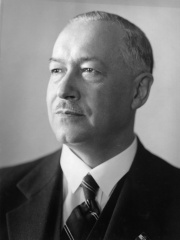
Kálmán Darányi
1886 - 1939
HPI: 59.68
Rank: 102
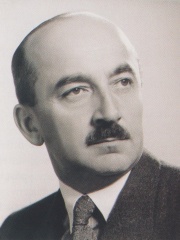
Ferenc Nagy
1903 - 1979
HPI: 59.37
Rank: 103
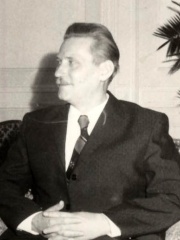
György Lázár
1924 - 2014
HPI: 59.22
Rank: 104
Jenő Fuchs
1882 - 1955
HPI: 59.22
Rank: 105
Gordon Bajnai
1968 - Present
HPI: 59.17
Rank: 106
Gyula Kállai
1910 - 1996
HPI: 59.13
Rank: 107
Péter Boross
1928 - Present
HPI: 59.10
Rank: 108
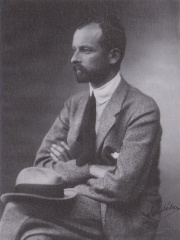
Móric Esterházy
1881 - 1960
HPI: 58.91
Rank: 109
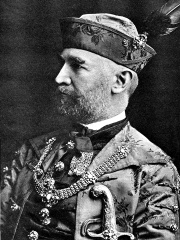
Sándor Simonyi-Semadam
1864 - 1946
HPI: 58.79
Rank: 110
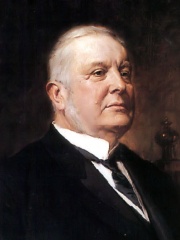
Sándor Wekerle
1848 - 1921
HPI: 58.54
Rank: 111
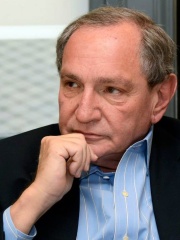
George Friedman
1949 - Present
HPI: 58.53
Rank: 112
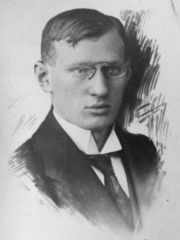
Gyula Breyer
1893 - 1921
HPI: 58.32
Rank: 113
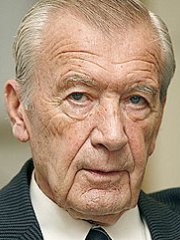
Dezső Gyarmati
1927 - 2013
HPI: 58.16
Rank: 114




