化学家
Phoebus Levene
1869 - 1940
ZH.WIKIPEDIA 页面浏览量 (PV)
 Phoebus Levene
知名度指标
14k
页面浏览量
过去12个月
57.37
HPI
历史知名度指数
数据洞察
20
Phoebus Levene的传记涵盖 20 个维基百科语言版本,历史知名度指数为 57.37。
Phoebus Levene的各语言页面浏览量
在化学家中
在化学家中,Phoebus Levene排名第481位(共610人)。 排在他之前的有:Hugo Erdmann, K. C. Nicolaou, John Mayow, Carl Theodore Liebermann, David Baker, 和Yellapragada Subbarow. 排在他之后的有:Masatoshi Shima, Christopher Kelk Ingold, Ivan Horbachevsky, Archibald Scott Couper, Alwin Mittasch, 和William Nicholson.
维基百科上最受欢迎的化学家
查看全部排名
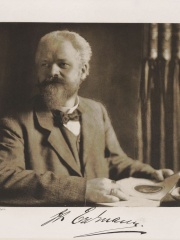
Hugo Erdmann
1862 - 1910
HPI: 57.64
排名: 475
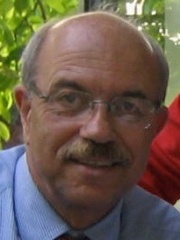
K. C. Nicolaou
1946 - 至今
HPI: 57.63
排名: 476
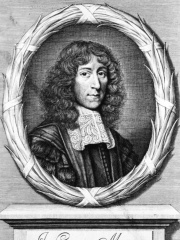
John Mayow
1640 - 1679
HPI: 57.61
排名: 477
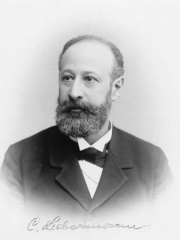
Carl Theodore Liebermann
1842 - 1914
HPI: 57.58
排名: 478

David Baker
1962 - 至今
HPI: 57.57
排名: 479
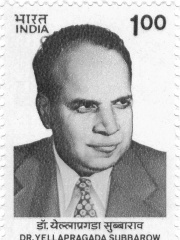
Yellapragada Subbarow
1895 - 1948
HPI: 57.53
排名: 480
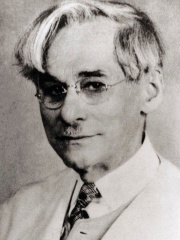
Phoebus Levene
1869 - 1940
HPI: 57.37
排名: 481
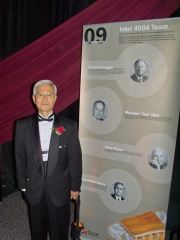
Masatoshi Shima
1943 - 至今
HPI: 57.37
排名: 482
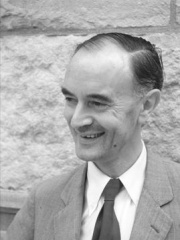
Christopher Kelk Ingold
1893 - 1970
HPI: 57.34
排名: 483
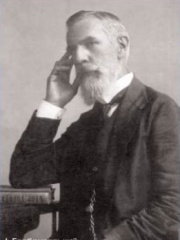
Ivan Horbachevsky
1854 - 1942
HPI: 57.34
排名: 484
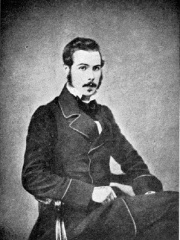
Archibald Scott Couper
1831 - 1892
HPI: 57.34
排名: 485
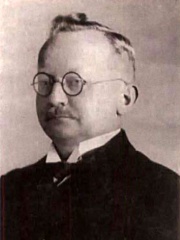
Alwin Mittasch
1869 - 1953
HPI: 57.33
排名: 486
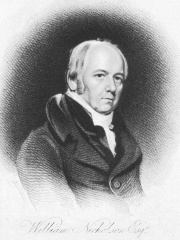
William Nicholson
1753 - 1815
HPI: 57.31
排名: 487

同时代人物
在1869年出生的人中,Phoebus Levene排名第121位。 排在他之前的有:Sergey Chaplygin, Ivan Aguéli, Daniel Salamanca Urey, Alice Hamilton, Kálmán Kandó, 和Józef Mehoffer. 排在他之后的有:Alwin Mittasch, Robbie Ross, Myriam Harry, Harald Sohlberg, Juan Bautista Pérez, 和Oton Iveković. 在1940年去世的人中,Phoebus Levene排名第132位。 排在他之前的有:Kamal-ol-molk, Nikolai Vissarionovich Nekrasov, Jay O'Brien, Helmut Wick, Pierre Weiss, 和Pierre Marie. 排在他之后的有:Robert Emden, Mary Anderson, Sam Eyde, Heinrich Kayser, Janne Lundblad, 和Juan Carreño.
其他1869年出生的人
查看全部排名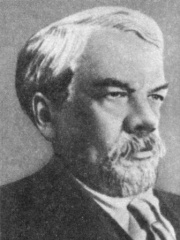
Sergey Chaplygin
ENGINEER
1869 - 1942
HPI: 57.67
排名: 115

Ivan Aguéli
PAINTER
1869 - 1917
HPI: 57.65
排名: 116
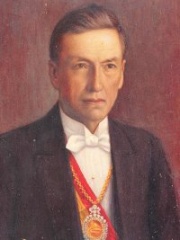
Daniel Salamanca Urey
POLITICIAN
1869 - 1935
HPI: 57.65
排名: 117
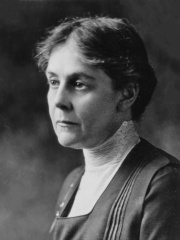
Alice Hamilton
BIOLOGIST
1869 - 1970
HPI: 57.60
排名: 118
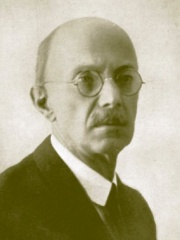
Kálmán Kandó
INVENTOR
1869 - 1931
HPI: 57.55
排名: 119
Józef Mehoffer
PAINTER
1869 - 1946
HPI: 57.39
排名: 120
Phoebus Levene
CHEMIST
1869 - 1940
HPI: 57.37
排名: 121
Alwin Mittasch
CHEMIST
1869 - 1953
HPI: 57.33
排名: 122
Robbie Ross
JOURNALIST
1869 - 1918
HPI: 57.31
排名: 123
Myriam Harry
WRITER
1869 - 1958
HPI: 57.07
排名: 124
Harald Sohlberg
PAINTER
1869 - 1935
HPI: 56.93
排名: 125
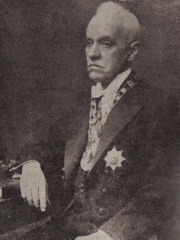
Juan Bautista Pérez
POLITICIAN
1869 - 1952
HPI: 56.83
排名: 126
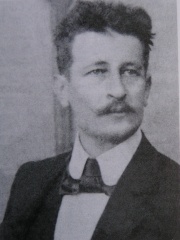
Oton Iveković
PAINTER
1869 - 1939
HPI: 56.64
排名: 127
其他1940年去世的人
查看全部排名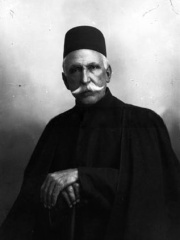
Kamal-ol-molk
PAINTER
1848 - 1940
HPI: 58.09
排名: 126
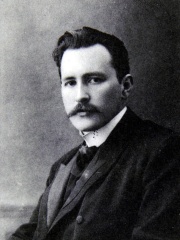
Nikolai Vissarionovich Nekrasov
POLITICIAN
1879 - 1940
HPI: 57.59
排名: 127
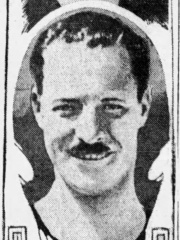
Jay O'Brien
ATHLETE
1883 - 1940
HPI: 57.57
排名: 128
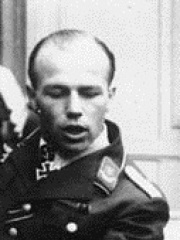
Helmut Wick
PILOT
1915 - 1940
HPI: 57.44
排名: 129
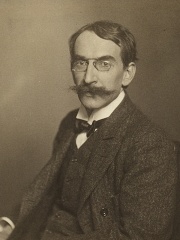
Pierre Weiss
PHYSICIST
1865 - 1940
HPI: 57.40
排名: 130
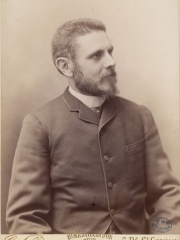
Pierre Marie
PHYSICIAN
1853 - 1940
HPI: 57.37
排名: 131
Phoebus Levene
CHEMIST
1869 - 1940
HPI: 57.37
排名: 132

Robert Emden
ASTRONOMER
1862 - 1940
HPI: 57.35
排名: 133
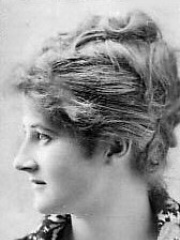
Mary Anderson
ACTOR
1859 - 1940
HPI: 57.22
排名: 134
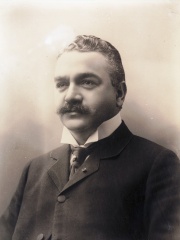
Sam Eyde
ENGINEER
1866 - 1940
HPI: 57.14
排名: 135
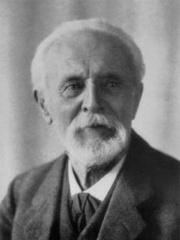
Heinrich Kayser
PHYSICIST
1853 - 1940
HPI: 57.09
排名: 136

Janne Lundblad
ATHLETE
1887 - 1940
HPI: 57.03
排名: 137

Juan Carreño
SOCCER PLAYER
1909 - 1940
HPI: 56.99
排名: 138
在立陶宛
在出生于立陶宛的人中,Phoebus Levene排名第131位(共389人)。 排在他之前的有:Emil Młynarski (1870), Žemaitė (1845), Stanisław Witkiewicz (1851), Aušra Augustinavičiūtė (1927), Donald Kagan (1932), 和Vincas Krėvė-Mickevičius (1882). 排在他之后的有:Bernard Lown (1921), Henryk Gulbinowicz (1923), Steponas Darius (1896), Iosif Grigulevich (1913), Cornell Borchers (1925), 和Jurgis Baltrušaitis (1873).
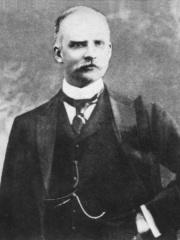
Emil Młynarski
COMPOSER
1870 - 1935
HPI: 57.68
排名: 125
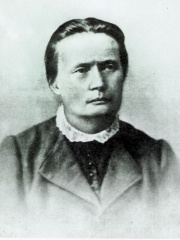
Žemaitė
WRITER
1845 - 1921
HPI: 57.54
排名: 126
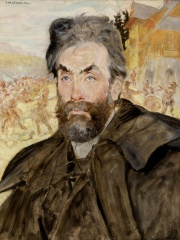
Stanisław Witkiewicz
PAINTER
1851 - 1915
HPI: 57.54
排名: 127
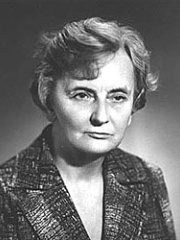
Aušra Augustinavičiūtė
ECONOMIST
1927 - 2005
HPI: 57.46
排名: 128
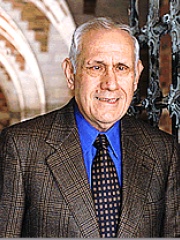
Donald Kagan
HISTORIAN
1932 - 2021
HPI: 57.42
排名: 129
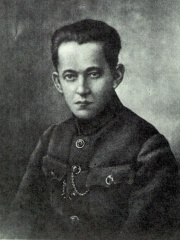
Vincas Krėvė-Mickevičius
POLITICIAN
1882 - 1954
HPI: 57.40
排名: 130
Phoebus Levene
CHEMIST
1869 - 1940
HPI: 57.37
排名: 131
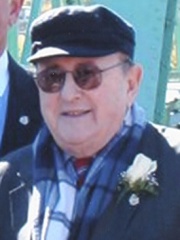
Bernard Lown
INVENTOR
1921 - 2021
HPI: 57.36
排名: 132
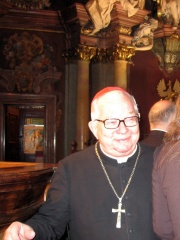
Henryk Gulbinowicz
RELIGIOUS FIGURE
1923 - 2020
HPI: 57.26
排名: 133
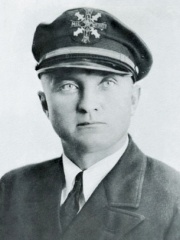
Steponas Darius
PILOT
1896 - 1933
HPI: 57.25
排名: 134
Iosif Grigulevich
SOCIAL ACTIVIST
1913 - 1988
HPI: 57.17
排名: 135
Cornell Borchers
ACTOR
1925 - 2014
HPI: 57.13
排名: 136
Jurgis Baltrušaitis
WRITER
1873 - 1944
HPI: 57.08
排名: 137
在立陶宛的化学家中
在出生于立陶宛的化学家中,Phoebus Levene排名第3位。 排在他之前的有:Wilfrid Voynich (1865), 和Aaron Klug (1926).
Wilfrid Voynich
1865 - 1930
HPI: 72.15
排名: 1
Aaron Klug
1926 - 2018
HPI: 70.28
排名: 2
Phoebus Levene
1869 - 1940
HPI: 57.37
排名: 3




