Político
Peter Pellegrini
1975 - presente
VISITAS EN ES.WIKIPEDIA (PV)
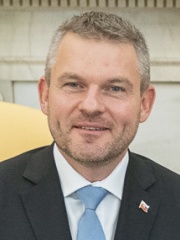

 Peter Pellegrini
Su biografía está disponible en 55 idiomas en Wikipedia (aumentó de 41 en 2024). Peter Pellegrini ocupa el puesto 6547 entre los político más populares (subió del puesto 11.624 en 2024), el puesto 54 entre las biografías más populares de Eslovaquia (subió del puesto 113 en 2019) y el puesto 29 entre los político de eslovaquia más populares.
Métricas de memorabilidad
330k
Visitas
Últimos 12 meses
64.69
HPI
Índice de Popularidad Histórica
Datos destacados
#1
Peter Pellegrini es la figura más memorable de las 15 personas notables nacidas en Banská Bystrica, Eslovaquia, por delante de Marek Hamšík, László Hudec y Roland Jacobi.
55
La biografía de Peter Pellegrini aparece en 55 ediciones lingüísticas de Wikipedia, más que el 92 % de los Político.
6 oct
Peter Pellegrini comparte cumpleaños (6 de octubre) con Hafez al-Assad, Le Corbusier y Louis Philippe I.
+14
La biografía de Peter Pellegrini se añadió a 14 nuevas ediciones lingüísticas de Wikipedia durante el último año.
Visitas a la página de Peter Pellegrini por idioma
Entre Político
Entre Político, Peter Pellegrini ocupa el puesto 6,545 de 19,576. Antes de él están Maria, wife of Leo III, Denys Shmyhal, Flavius Bauto, Muazzez Sultan, Sidi Ould Cheikh Abdallahi, y Emperor Wu of Song. Después de él están Jean-Baptiste Carrier, Abdul Rahim Hatif, Enrico Letta, Sergei Bagapsh, Huo Guang, y Hassan Gouled Aptidon.
Político más populares en Wikipedia
Ver todas las clasificaciones

Maria, wife of Leo III
700 - 800
HPI: 64.69
Puesto: 6,541
Denys Shmyhal
1975 - presente
HPI: 64.69
Puesto: 6,542

Flavius Bauto
400 - 388
HPI: 64.69
Puesto: 6,543
Muazzez Sultan
1628 - presente
HPI: 64.69
Puesto: 6,544
Sidi Ould Cheikh Abdallahi
1938 - 2020
HPI: 64.69
Puesto: 6,545
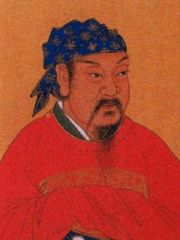
Emperor Wu of Song
363 - 422
HPI: 64.69
Puesto: 6,546
Peter Pellegrini
1975 - presente
HPI: 64.69
Puesto: 6,547
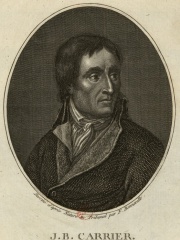
Jean-Baptiste Carrier
1756 - 1794
HPI: 64.69
Puesto: 6,548

Abdul Rahim Hatif
1926 - 2013
HPI: 64.69
Puesto: 6,549
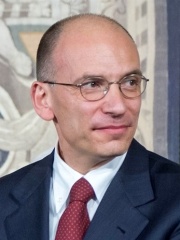
Enrico Letta
1966 - presente
HPI: 64.69
Puesto: 6,550
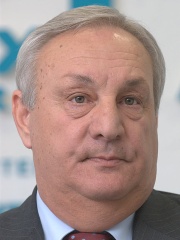
Sergei Bagapsh
1949 - 2011
HPI: 64.68
Puesto: 6,551
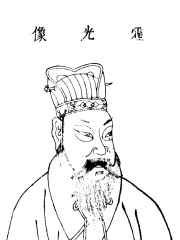
Huo Guang
150 BC - 68 BC
HPI: 64.68
Puesto: 6,552
Hassan Gouled Aptidon
1916 - 2006
HPI: 64.68
Puesto: 6,553

Contemporáneos
Entre las personas nacidas en 1975, Peter Pellegrini ocupa el puesto 28. Antes de él están M.I.A., Shilpa Shetty, Jack White, Juninho Pernambucano, DJ Khaled, y Denys Shmyhal. Después de él están Eiichiro Oda, Eva Longoria, John Higgins, Juan Sebastián Verón, Ralf Schumacher, y Casey Affleck.
Otras personas nacidas en 1975
Ver todas las clasificaciones
M.I.A.
SINGER
1975 - presente
HPI: 65.59
Puesto: 22

Shilpa Shetty
ACTOR
1975 - presente
HPI: 65.59
Puesto: 23
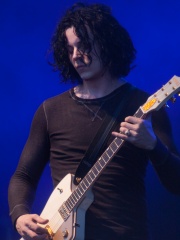
Jack White
MUSICIAN
1975 - presente
HPI: 65.38
Puesto: 24

Juninho Pernambucano
SOCCER PLAYER
1975 - presente
HPI: 65.31
Puesto: 25
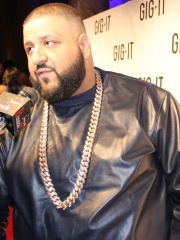
DJ Khaled
SINGER
1975 - presente
HPI: 65.01
Puesto: 26
Denys Shmyhal
POLITICIAN
1975 - presente
HPI: 64.69
Puesto: 27
Peter Pellegrini
POLITICIAN
1975 - presente
HPI: 64.69
Puesto: 28

Eiichiro Oda
COMIC ARTIST
1975 - presente
HPI: 64.67
Puesto: 29
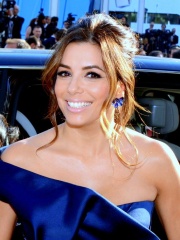
Eva Longoria
ACTOR
1975 - presente
HPI: 64.62
Puesto: 30

John Higgins
SNOOKER
1975 - presente
HPI: 64.39
Puesto: 31
Juan Sebastián Verón
SOCCER PLAYER
1975 - presente
HPI: 64.26
Puesto: 32
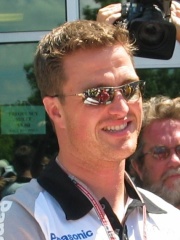
Ralf Schumacher
RACING DRIVER
1975 - presente
HPI: 64.24
Puesto: 33
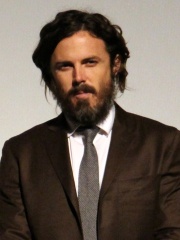
Casey Affleck
ACTOR
1975 - presente
HPI: 64.14
Puesto: 34
En Eslovaquia
Entre las personas nacidas en Eslovaquia, Peter Pellegrini ocupa el puesto 54 de 418. Antes de él están Lucia Popp (1939), Rudolf Vrba (1924), Iveta Radičová (1956), Vazul (1000), Franz Schmidt (1874), y Ján Popluhár (1935). Después de él están Jan Kupecký (1667), Archduke Joseph Karl of Austria (1833), Alajos Szokolyi (1871), Matthew III Csák (1260), Jozef Tomko (1924), y Barbara Zápolya (1495).
Otras personas nacidas en Eslovaquia
Ver todas las clasificaciones
Lucia Popp
SINGER
1939 - 1993
HPI: 65.64
Puesto: 48
Rudolf Vrba
BIOLOGIST
1924 - 2006
HPI: 65.50
Puesto: 49
Iveta Radičová
POLITICIAN
1956 - presente
HPI: 65.15
Puesto: 50
Vazul
POLITICIAN
1000 - 1037
HPI: 64.94
Puesto: 51
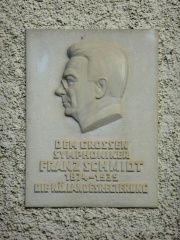
Franz Schmidt
COMPOSER
1874 - 1939
HPI: 64.87
Puesto: 52
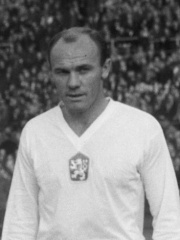
Ján Popluhár
SOCCER PLAYER
1935 - 2011
HPI: 64.76
Puesto: 53
Peter Pellegrini
POLITICIAN
1975 - presente
HPI: 64.69
Puesto: 54
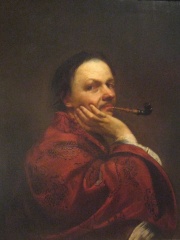
Jan Kupecký
PAINTER
1667 - 1740
HPI: 64.45
Puesto: 55
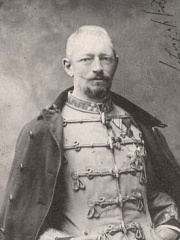
Archduke Joseph Karl of Austria
MILITARY PERSONNEL
1833 - 1905
HPI: 64.32
Puesto: 56
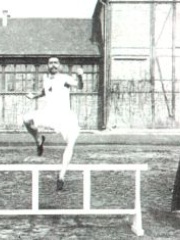
Alajos Szokolyi
ATHLETE
1871 - 1932
HPI: 64.27
Puesto: 57
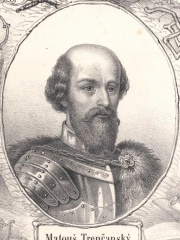
Matthew III Csák
RELIGIOUS FIGURE
1260 - 1321
HPI: 64.26
Puesto: 58
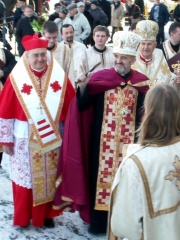
Jozef Tomko
RELIGIOUS FIGURE
1924 - 2022
HPI: 63.96
Puesto: 59
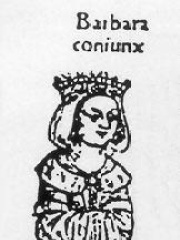
Barbara Zápolya
NOBLEMAN
1495 - 1515
HPI: 63.86
Puesto: 60
Entre Político en Eslovaquia
Entre Político nacidos en Eslovaquia, Peter Pellegrini ocupa el puesto 29. Antes de él están András Hadik (1710), Gyula Andrássy the Younger (1860), Ernő Gerő (1898), Andrej Kiska (1963), Iveta Radičová (1956), y Vazul (1000). Después de él están Mikuláš Dzurinda (1956), Stefan Vojislav (990), Teréz Brunszvik (1775), Alexander Mach (1902), Marián Čalfa (1946), y Jozef Lenárt (1923).
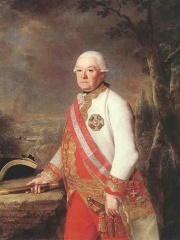
András Hadik
1710 - 1790
HPI: 66.42
Puesto: 23
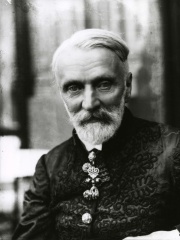
Gyula Andrássy the Younger
1860 - 1929
HPI: 66.27
Puesto: 24
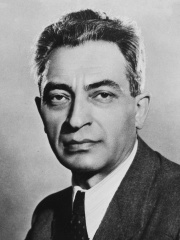
Ernő Gerő
1898 - 1980
HPI: 66.10
Puesto: 25
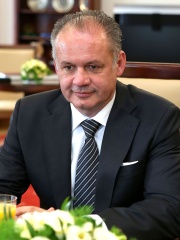
Andrej Kiska
1963 - presente
HPI: 65.70
Puesto: 26
Iveta Radičová
1956 - presente
HPI: 65.15
Puesto: 27
Vazul
1000 - 1037
HPI: 64.94
Puesto: 28
Peter Pellegrini
1975 - presente
HPI: 64.69
Puesto: 29
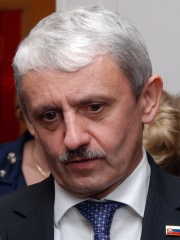
Mikuláš Dzurinda
1956 - presente
HPI: 63.48
Puesto: 30
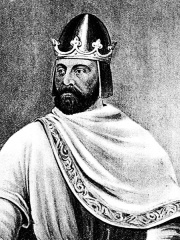
Stefan Vojislav
990 - 1043
HPI: 62.65
Puesto: 31
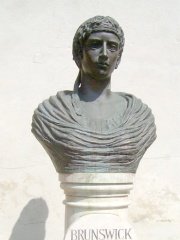
Teréz Brunszvik
1775 - 1861
HPI: 62.53
Puesto: 32
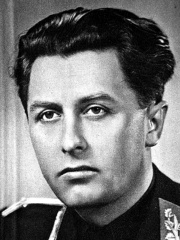
Alexander Mach
1902 - 1980
HPI: 61.85
Puesto: 33
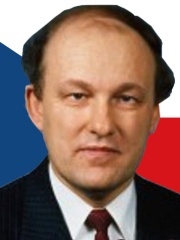
Marián Čalfa
1946 - presente
HPI: 61.64
Puesto: 34
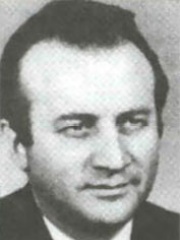
Jozef Lenárt
1923 - 2004
HPI: 61.02
Puesto: 35




