哲学家
Pedro da Fonseca
1528 - 1599
ZH.WIKIPEDIA PAGE VIEWS (PV)
 Pedro da Fonseca
Memorability Metrics
5.9k
Page Views
Past 12 months
59.04
HPI
Historical Popularity Index
Page views of Pedro da Fonseca by language
Among 哲学家
Among 哲学家, Pedro da Fonseca ranks 991 out of 1,267. Before him are Paul Deussen, Zeno of Tarsus, Androcles, Jean Rostand, Hegesias of Magnesia, and Ibn Abi'l-Hadid. After him are Christian von Ehrenfels, Prabhat Ranjan Sarkar, Fernando Savater, Wei Yuan, Anniceris, and Evald Ilyenkov.
Most Popular 哲学家 in Wikipedia
Go to all Rankings
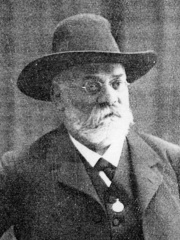
Paul Deussen
1845 - 1919
HPI: 59.15
Rank: 985

Zeno of Tarsus
250 BC - 200 BC
HPI: 59.11
Rank: 986
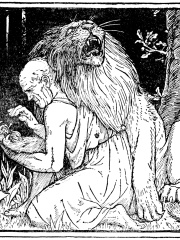
Androcles
100 - 100
HPI: 59.11
Rank: 987
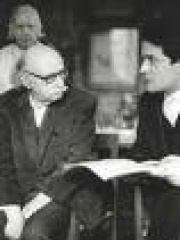
Jean Rostand
1894 - 1977
HPI: 59.11
Rank: 988

Hegesias of Magnesia
200 BC - 170 BC
HPI: 59.07
Rank: 989

Ibn Abi'l-Hadid
1190 - 1258
HPI: 59.06
Rank: 990
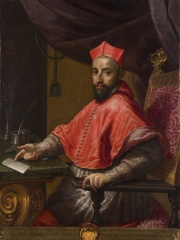
Pedro da Fonseca
1528 - 1599
HPI: 59.04
Rank: 991

Christian von Ehrenfels
1859 - 1932
HPI: 59.03
Rank: 992
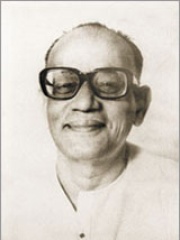
Prabhat Ranjan Sarkar
1921 - 1990
HPI: 59.02
Rank: 993
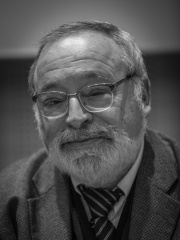
Fernando Savater
1947 - Present
HPI: 58.94
Rank: 994
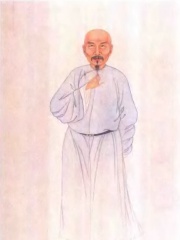
Wei Yuan
1794 - 1857
HPI: 58.89
Rank: 995

Anniceris
400 BC - 360 BC
HPI: 58.89
Rank: 996

Evald Ilyenkov
1924 - 1979
HPI: 58.85
Rank: 997

Contemporaries
Among people born in 1528, Pedro da Fonseca ranks 20. Before him are Andrey Kurbsky, Juan de Garay, Francisco Guerrero, Eric II, Duke of Brunswick-Lüneburg, António Ferreira, and Claude Le Jeune. After him are Benito Arias Montano, Rémy Belleau, and Adam Lonicer. Among people deceased in 1599, Pedro da Fonseca ranks 17. Before him are Eknath, Archduchess Catherine Renata of Austria, Francisco Guerrero, Edzard II, Count of East Frisia, Simone Peterzano, and Antoine Caron. After him is Michael Rohoza.
Others Born in 1528
Go to all Rankings
Andrey Kurbsky
WRITER
1528 - 1583
HPI: 62.24
Rank: 14
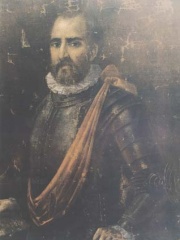
Juan de Garay
EXPLORER
1528 - 1583
HPI: 62.07
Rank: 15
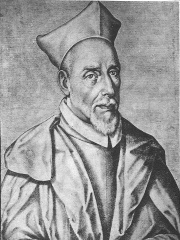
Francisco Guerrero
COMPOSER
1528 - 1599
HPI: 61.55
Rank: 16
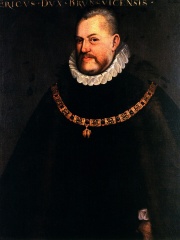
Eric II, Duke of Brunswick-Lüneburg
POLITICIAN
1528 - 1584
HPI: 60.46
Rank: 17
António Ferreira
WRITER
1528 - 1569
HPI: 59.85
Rank: 18
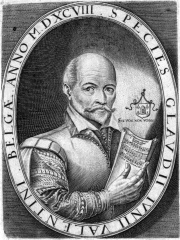
Claude Le Jeune
COMPOSER
1528 - 1600
HPI: 59.81
Rank: 19
Pedro da Fonseca
PHILOSOPHER
1528 - 1599
HPI: 59.04
Rank: 20
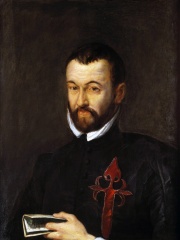
Benito Arias Montano
RELIGIOUS FIGURE
1528 - 1598
HPI: 58.45
Rank: 21
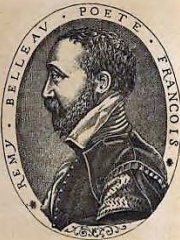
Rémy Belleau
WRITER
1528 - 1577
HPI: 57.11
Rank: 22
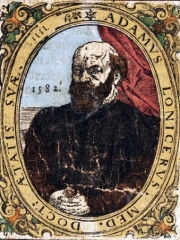
Adam Lonicer
BIOLOGIST
1528 - 1586
HPI: 57.09
Rank: 23
Others Deceased in 1599
Go to all Rankings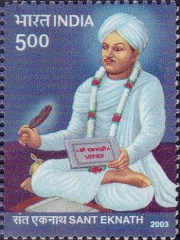
Eknath
PHILOSOPHER
1533 - 1599
HPI: 61.83
Rank: 11
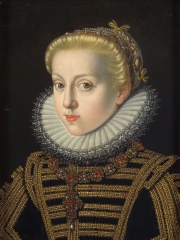
Archduchess Catherine Renata of Austria
NOBLEMAN
1576 - 1599
HPI: 61.62
Rank: 12
Francisco Guerrero
COMPOSER
1528 - 1599
HPI: 61.55
Rank: 13
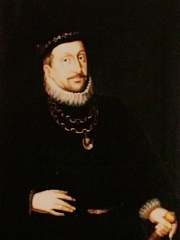
Edzard II, Count of East Frisia
POLITICIAN
1532 - 1599
HPI: 61.11
Rank: 14
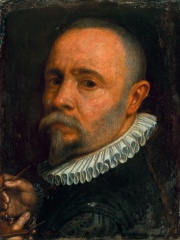
Simone Peterzano
PAINTER
1540 - 1599
HPI: 60.83
Rank: 15
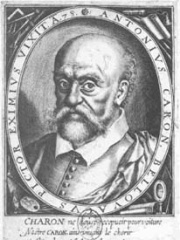
Antoine Caron
PAINTER
1521 - 1599
HPI: 60.41
Rank: 16
Pedro da Fonseca
PHILOSOPHER
1528 - 1599
HPI: 59.04
Rank: 17
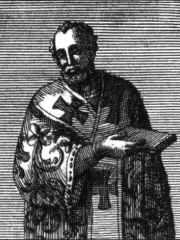
Michael Rohoza
RELIGIOUS FIGURE
1540 - 1599
HPI: 58.92
Rank: 18
In 葡萄牙
Among people born in 葡萄牙, Pedro da Fonseca ranks 284 out of NaN. Before him are Estácio de Sá (1520), José Augusto (1937), Bruno Alves (1981), João César Monteiro (1939), Tiago Mendes (1981), and Antero de Quental (1842). After him are João Fernandes Lavrador (1453), Diogo Jota (1996), Francisco Pinto Balsemão (1937), Luís Castro (1961), Teodósio I, Duke of Braganza (1510), and Rosa Mota (1958).
Others born in 葡萄牙
Go to all Rankings
Estácio de Sá
MILITARY PERSONNEL
1520 - 1567
HPI: 59.34
Rank: 278
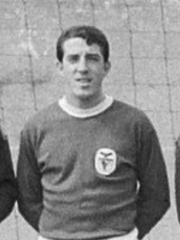
José Augusto
SOCCER PLAYER
1937 - Present
HPI: 59.31
Rank: 279

Bruno Alves
SOCCER PLAYER
1981 - Present
HPI: 59.27
Rank: 280
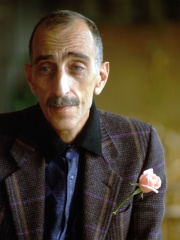
João César Monteiro
FILM DIRECTOR
1939 - 2003
HPI: 59.23
Rank: 281

Tiago Mendes
SOCCER PLAYER
1981 - Present
HPI: 59.20
Rank: 282
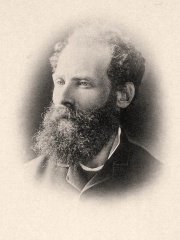
Antero de Quental
WRITER
1842 - 1891
HPI: 59.08
Rank: 283
Pedro da Fonseca
PHILOSOPHER
1528 - 1599
HPI: 59.04
Rank: 284

João Fernandes Lavrador
EXPLORER
1453 - 1505
HPI: 59.02
Rank: 285

Diogo Jota
SOCCER PLAYER
1996 - 2025
HPI: 58.89
Rank: 286
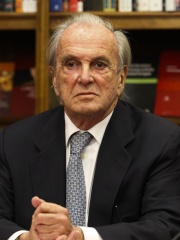
Francisco Pinto Balsemão
POLITICIAN
1937 - 2025
HPI: 58.85
Rank: 287

Luís Castro
COACH
1961 - Present
HPI: 58.83
Rank: 288
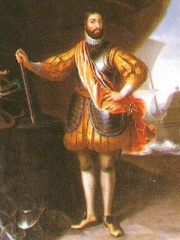
Teodósio I, Duke of Braganza
POLITICIAN
1510 - 1563
HPI: 58.68
Rank: 289
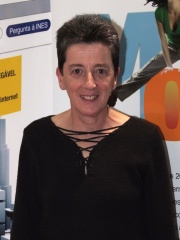
Rosa Mota
ATHLETE
1958 - Present
HPI: 58.68
Rank: 290
Among 哲学家 In 葡萄牙
Among 哲学家 born in 葡萄牙, Pedro da Fonseca ranks 4. Before him are Orosius (375), Uriel da Costa (1585), and Isaac Abarbanel (1437). After him are Eduardo Lourenço (1923).

Orosius
375 - 420
HPI: 73.52
Rank: 1

Uriel da Costa
1585 - 1640
HPI: 70.00
Rank: 2
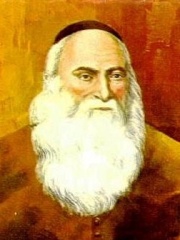
Isaac Abarbanel
1437 - 1508
HPI: 69.94
Rank: 3
Pedro da Fonseca
1528 - 1599
HPI: 59.04
Rank: 4
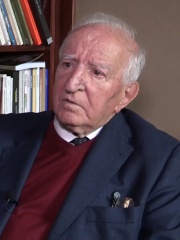
Eduardo Lourenço
1923 - 2020
HPI: 55.36
Rank: 5




