Философ
Paul B. Preciado
1970 - настоящее время
RU.WIKIPEDIA PAGE VIEWS (PV)
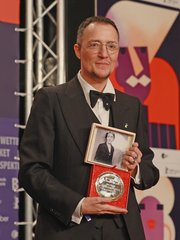
 Paul B. Preciado
Их биография доступна на 15 различных языках в Википедии. Paul B. Preciado занимает 1223-е место среди самых популярных философ, занимает 1872-е место среди самых популярных биографий из Испании и занимает 36-е место среди философ Испания.
Memorability Metrics
120k
Page Views
Past 12 months
52.87
HPI
Historical Popularity Index
Page views of Paul B. Preciado by language
Among Философ
Among философ, Paul B. Preciado ranks 1,223 out of 1,267. Before them are Yuval Steinitz, Mary Midgley, Alexander Tarasov, David Ray Griffin, Simon Blackburn, and Charles Hartshorne. After them are Alice von Hildebrand, Gary L. Francione, Raya Dunayevskaya, Catherine Malabou, Vicente Ferreira da Silva, and C. H. Dodd.
Most Popular Философ in Wikipedia
Go to all Rankings
Yuval Steinitz
1958 - Present
HPI: 53.12
Rank: 1,217
Mary Midgley
1919 - 2018
HPI: 53.08
Rank: 1,218
Alexander Tarasov
1958 - Present
HPI: 53.08
Rank: 1,219
David Ray Griffin
1939 - 2022
HPI: 53.07
Rank: 1,220
Simon Blackburn
1944 - Present
HPI: 52.99
Rank: 1,221
Charles Hartshorne
1897 - 2000
HPI: 52.94
Rank: 1,222
Paul B. Preciado
1970 - Present
HPI: 52.87
Rank: 1,223

Alice von Hildebrand
1923 - 2022
HPI: 52.85
Rank: 1,224
Gary L. Francione
1954 - Present
HPI: 52.79
Rank: 1,225

Raya Dunayevskaya
1910 - 1987
HPI: 52.67
Rank: 1,226

Catherine Malabou
1959 - Present
HPI: 52.64
Rank: 1,227
Vicente Ferreira da Silva
1916 - 1963
HPI: 52.64
Rank: 1,228

C. H. Dodd
1884 - 1973
HPI: 52.59
Rank: 1,229

Contemporaries
Among people born in 1970, Paul B. Preciado ranks 288. Before them are Åsne Seierstad, Jonah Falcon, Takanori Nishikawa, Võ Văn Thưởng, Olga Kuzenkova, and Tetsuya Nomura. After them are Alexi Lalas, Erkan Petekkaya, Serdar Ortaç, Regina Hall, Sajida al-Rishawi, and Leif Ove Andsnes.
Others Born in 1970
Go to all Rankings
Åsne Seierstad
WRITER
1970 - Present
HPI: 53.02
Rank: 282

Jonah Falcon
ACTOR
1970 - Present
HPI: 53.00
Rank: 283

Takanori Nishikawa
MUSICIAN
1970 - Present
HPI: 52.98
Rank: 284
Võ Văn Thưởng
POLITICIAN
1970 - Present
HPI: 52.95
Rank: 285

Olga Kuzenkova
ATHLETE
1970 - Present
HPI: 52.89
Rank: 286
Tetsuya Nomura
GAME DESIGNER
1970 - Present
HPI: 52.87
Rank: 287
Paul B. Preciado
PHILOSOPHER
1970 - Present
HPI: 52.87
Rank: 288
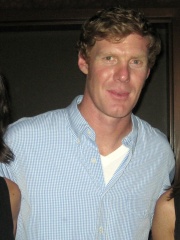
Alexi Lalas
SOCCER PLAYER
1970 - Present
HPI: 52.86
Rank: 289

Erkan Petekkaya
ACTOR
1970 - Present
HPI: 52.85
Rank: 290
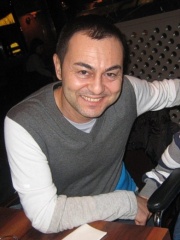
Serdar Ortaç
SINGER
1970 - Present
HPI: 52.83
Rank: 291

Regina Hall
ACTOR
1970 - Present
HPI: 52.78
Rank: 292

Sajida al-Rishawi
RELIGIOUS FIGURE
1970 - 2015
HPI: 52.76
Rank: 293
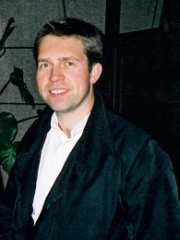
Leif Ove Andsnes
MUSICIAN
1970 - Present
HPI: 52.75
Rank: 294
In Испания
Among people born in Испания, Paul B. Preciado ranks 1,872 out of NaN. Before them are Concha Buika (1972), Carmen Linares (1951), Salustiano de Olózaga y Almandoz (1805), Virginia Ruano Pascual (1973), Eduard Punset (1936), and Juan José Ibarretxe (1957). After them are Kiko Casilla (1986), Andoni Iraola (1982), Iñigo Urkullu (1961), Paco Herrera (1953), Albert Sánchez Piñol (1965), and Raúl Tamudo (1977).
Others born in Испания
Go to all Rankings
Concha Buika
SINGER
1972 - Present
HPI: 52.93
Rank: 1,866
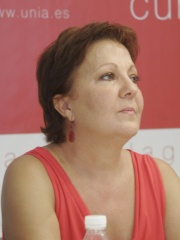
Carmen Linares
SINGER
1951 - Present
HPI: 52.92
Rank: 1,867
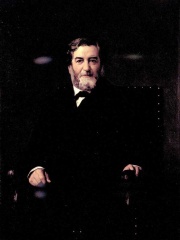
Salustiano de Olózaga y Almandoz
POLITICIAN
1805 - 1873
HPI: 52.91
Rank: 1,868
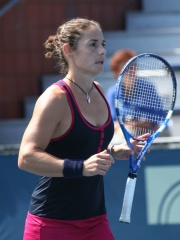
Virginia Ruano Pascual
TENNIS PLAYER
1973 - Present
HPI: 52.89
Rank: 1,869
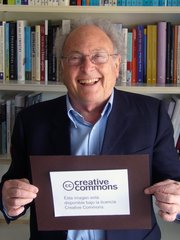
Eduard Punset
POLITICIAN
1936 - 2019
HPI: 52.89
Rank: 1,870
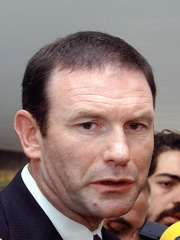
Juan José Ibarretxe
POLITICIAN
1957 - Present
HPI: 52.87
Rank: 1,871
Paul B. Preciado
PHILOSOPHER
1970 - Present
HPI: 52.87
Rank: 1,872
Kiko Casilla
SOCCER PLAYER
1986 - Present
HPI: 52.85
Rank: 1,873

Andoni Iraola
SOCCER PLAYER
1982 - Present
HPI: 52.85
Rank: 1,874
Iñigo Urkullu
POLITICIAN
1961 - Present
HPI: 52.82
Rank: 1,875
Paco Herrera
SOCCER PLAYER
1953 - Present
HPI: 52.81
Rank: 1,876
Albert Sánchez Piñol
WRITER
1965 - Present
HPI: 52.79
Rank: 1,877
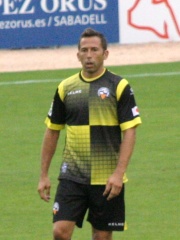
Raúl Tamudo
SOCCER PLAYER
1977 - Present
HPI: 52.75
Rank: 1,878
Among Философ In Испания
Among философ born in Испания, Paul B. Preciado ranks 36. Before them are Ramiro Ledesma Ramos (1905), Bahya ibn Paquda (1050), Fernando Savater (1947), Jaime Balmes (1810), Dominicus Gundissalinus (1115), and Julián Marías (1914).
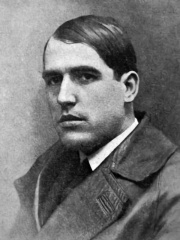
Ramiro Ledesma Ramos
1905 - 1936
HPI: 59.95
Rank: 30

Bahya ibn Paquda
1050 - 1120
HPI: 59.86
Rank: 31
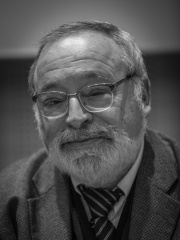
Fernando Savater
1947 - Present
HPI: 58.94
Rank: 32
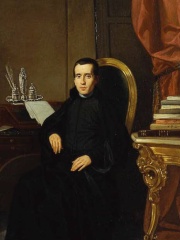
Jaime Balmes
1810 - 1848
HPI: 58.80
Rank: 33

Dominicus Gundissalinus
1115 - 1190
HPI: 58.80
Rank: 34
Julián Marías
1914 - 2005
HPI: 56.97
Rank: 35
Paul B. Preciado
1970 - Present
HPI: 52.87
Rank: 36




