Painter
Paloma Picasso
French/Spanish fashion designer and businesswoman
1949 - today
EN.WIKIPEDIA PAGE VIEWS (PV)
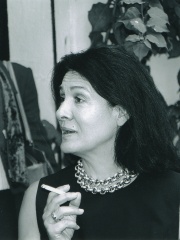
 Paloma Picasso
Her biography is available in 29 different languages on Wikipedia (down from 30 in 2024). Paloma Picasso is the 551st most popular painter (down from 489th in 2024), the 1,667th most popular biography from France (down from 1,499th in 2019) and the 109th most popular French Painter.
Memorability Metrics
360k
Page Views
Past 12 months
65.52
HPI
Historical Popularity Index
Page views of Paloma Picasso by language
Among Painters
Among painters, Paloma Picasso ranks 551 out of 2,023. Before her are Andreas Achenbach, Émile Friant, Margaret Macdonald Mackintosh, Karl Schmidt-Rottluff, Alexander Andreyevich Ivanov, and Remedios Varo. After her are Sebastiano Ricci, Martiros Saryan, Ambrosius Bosschaert, Anton von Werner, Willem Kalf, and Pierre Puget.
Most Popular Painters in Wikipedia
Go to all Rankings
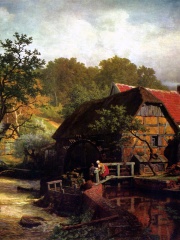
Andreas Achenbach
1815 - 1910
HPI: 65.61
Rank: 545
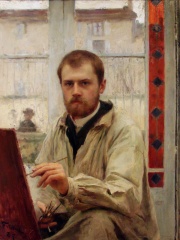
Émile Friant
1863 - 1932
HPI: 65.59
Rank: 546
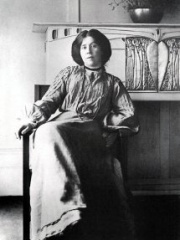
Margaret Macdonald Mackintosh
1864 - 1933
HPI: 65.58
Rank: 547
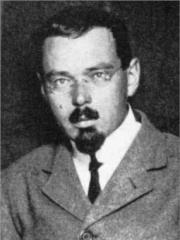
Karl Schmidt-Rottluff
1884 - 1976
HPI: 65.56
Rank: 548
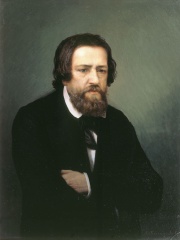
Alexander Andreyevich Ivanov
1806 - 1858
HPI: 65.55
Rank: 549
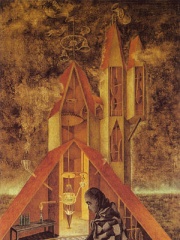
Remedios Varo
1908 - 1963
HPI: 65.53
Rank: 550
Paloma Picasso
1949 - Present
HPI: 65.52
Rank: 551
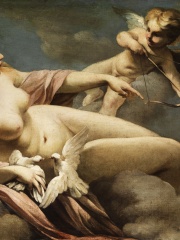
Sebastiano Ricci
1659 - 1734
HPI: 65.52
Rank: 552
Martiros Saryan
1880 - 1972
HPI: 65.49
Rank: 553
Ambrosius Bosschaert
1573 - 1621
HPI: 65.44
Rank: 554
Anton von Werner
1843 - 1915
HPI: 65.43
Rank: 555
Willem Kalf
1619 - 1693
HPI: 65.42
Rank: 556
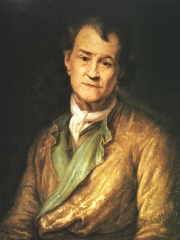
Pierre Puget
1620 - 1694
HPI: 65.40
Rank: 557

Contemporaries
Among people born in 1949, Paloma Picasso ranks 116. Before her are Ward Cunningham, Brigitte Bierlein, Queen Aishwarya of Nepal, Fernando Collor de Mello, Valeriy Borzov, and Jack Reed. After her are Michio Yasuda, Patrick Tambay, Victor Garber, Kgalema Motlanthe, Blase J. Cupich, and John Toshack.
Others Born in 1949
Go to all Rankings
Ward Cunningham
COMPUTER SCIENTIST
1949 - Present
HPI: 65.87
Rank: 110
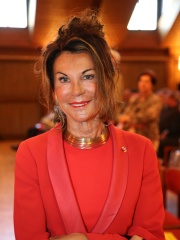
Brigitte Bierlein
POLITICIAN
1949 - 2024
HPI: 65.67
Rank: 111
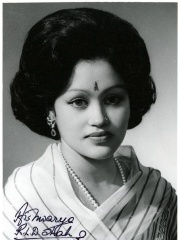
Queen Aishwarya of Nepal
POLITICIAN
1949 - 2001
HPI: 65.63
Rank: 112
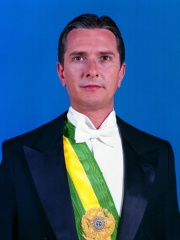
Fernando Collor de Mello
POLITICIAN
1949 - Present
HPI: 65.63
Rank: 113
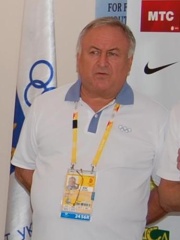
Valeriy Borzov
POLITICIAN
1949 - Present
HPI: 65.59
Rank: 114

Jack Reed
POLITICIAN
1949 - Present
HPI: 65.58
Rank: 115
Paloma Picasso
PAINTER
1949 - Present
HPI: 65.52
Rank: 116

Michio Yasuda
SOCCER PLAYER
1949 - Present
HPI: 65.41
Rank: 117
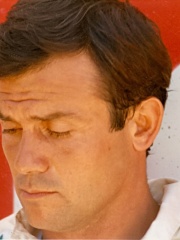
Patrick Tambay
RACING DRIVER
1949 - 2022
HPI: 65.37
Rank: 118
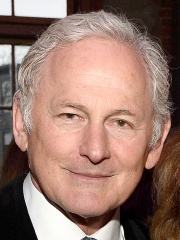
Victor Garber
ACTOR
1949 - Present
HPI: 65.27
Rank: 119
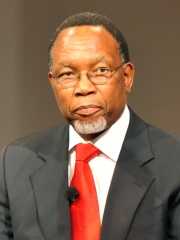
Kgalema Motlanthe
POLITICIAN
1949 - Present
HPI: 65.25
Rank: 120
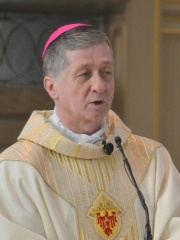
Blase J. Cupich
RELIGIOUS FIGURE
1949 - Present
HPI: 65.23
Rank: 121

John Toshack
SOCCER PLAYER
1949 - Present
HPI: 65.22
Rank: 122
In France
Among people born in France, Paloma Picasso ranks 1,667 out of NaN. Before her are Charles, Duke of Lower Lorraine (953), Alphonse Borrelly (1842), Alexandre Brongniart (1770), Henri Dutilleux (1916), David Trezeguet (1977), and César, Duke of Vendôme (1594). After her are Marie Anne Lenormand (1772), Philibert de l'Orme (1514), Maurice Bucaille (1920), Isabella, Duchess of Lorraine (1400), Jeanne Guyon (1648), and Raymond Domenech (1952).
Others born in France
Go to all Rankings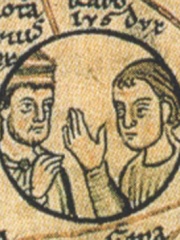
Charles, Duke of Lower Lorraine
NOBLEMAN
953 - 993
HPI: 65.55
Rank: 1,661

Alphonse Borrelly
ASTRONOMER
1842 - 1926
HPI: 65.55
Rank: 1,662
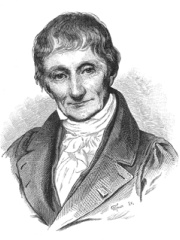
Alexandre Brongniart
CHEMIST
1770 - 1847
HPI: 65.55
Rank: 1,663

Henri Dutilleux
COMPOSER
1916 - 2013
HPI: 65.54
Rank: 1,664

David Trezeguet
SOCCER PLAYER
1977 - Present
HPI: 65.53
Rank: 1,665
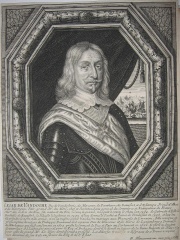
César, Duke of Vendôme
NOBLEMAN
1594 - 1665
HPI: 65.53
Rank: 1,666
Paloma Picasso
PAINTER
1949 - Present
HPI: 65.52
Rank: 1,667
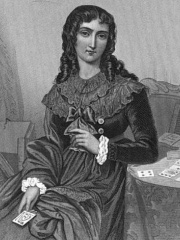
Marie Anne Lenormand
WRITER
1772 - 1843
HPI: 65.52
Rank: 1,668
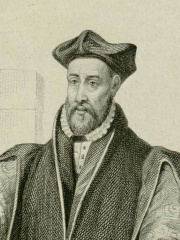
Philibert de l'Orme
ARCHITECT
1514 - 1570
HPI: 65.52
Rank: 1,669
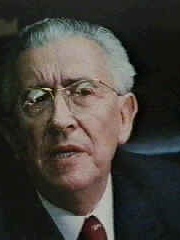
Maurice Bucaille
PHYSICIAN
1920 - 1998
HPI: 65.50
Rank: 1,670
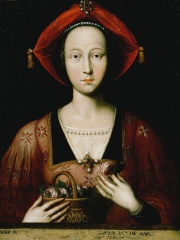
Isabella, Duchess of Lorraine
POLITICIAN
1400 - 1453
HPI: 65.49
Rank: 1,671
Jeanne Guyon
RELIGIOUS FIGURE
1648 - 1717
HPI: 65.49
Rank: 1,672
Raymond Domenech
SOCCER PLAYER
1952 - Present
HPI: 65.49
Rank: 1,673
Among Painters In France
Among painters born in France, Paloma Picasso ranks 109. Before her are André Lhote (1885), Jean-Baptiste Regnault (1754), Narcisse Virgilio Díaz (1807), Bernard Buffet (1928), Françoise Gilot (1921), and Émile Friant (1863). After her are Pierre Puget (1620), Jules Dupré (1811), Charles-André van Loo (1705), Jules Bastien-Lepage (1848), Constant Troyon (1810), and Pierre Auguste Cot (1837).
André Lhote
1885 - 1962
HPI: 65.80
Rank: 103
Jean-Baptiste Regnault
1754 - 1829
HPI: 65.76
Rank: 104
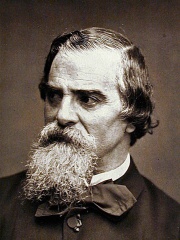
Narcisse Virgilio Díaz
1807 - 1876
HPI: 65.74
Rank: 105
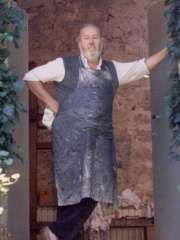
Bernard Buffet
1928 - 1999
HPI: 65.72
Rank: 106

Françoise Gilot
1921 - 2023
HPI: 65.67
Rank: 107
Émile Friant
1863 - 1932
HPI: 65.59
Rank: 108
Paloma Picasso
1949 - Present
HPI: 65.52
Rank: 109
Pierre Puget
1620 - 1694
HPI: 65.40
Rank: 110
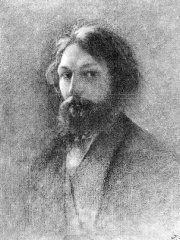
Jules Dupré
1811 - 1889
HPI: 65.31
Rank: 111
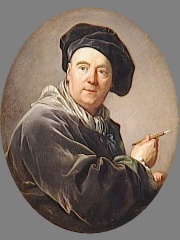
Charles-André van Loo
1705 - 1765
HPI: 65.26
Rank: 112
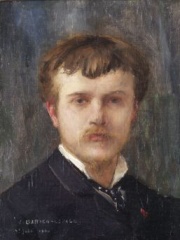
Jules Bastien-Lepage
1848 - 1884
HPI: 65.19
Rank: 113
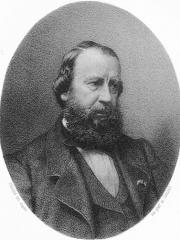
Constant Troyon
1810 - 1865
HPI: 64.93
Rank: 114
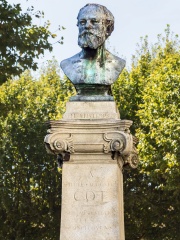
Pierre Auguste Cot
1837 - 1883
HPI: 64.90
Rank: 115




