政治家
P. A. Sangma
1947 - 2016
 P. A. Sangma
Memorability Metrics
84k
Page Views
Past 12 months
47.98
HPI
Historical Popularity Index
Page views of P. A. Sangma by language
Among 政治家
Among 政治家, P. A. Sangma ranks 18,265 out of 19,576. Before him are Harry F. Byrd, Gérald Darmanin, Panos Kammenos, Arthur Goldberg, Thad Cochran, and Graham Brady. After him are Khaled Bahah, Daniar Usenov, Gábor Csapó, Manohar Parrikar, Lakshman Kadirgamar, and Cecilia Tait.
Most Popular 政治家 in Wikipedia
Go to all Rankings
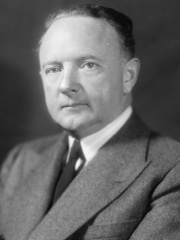
Harry F. Byrd
1887 - 1966
HPI: 48.00
Rank: 18,266
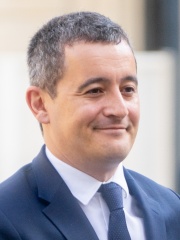
Gérald Darmanin
1982 - Present
HPI: 47.99
Rank: 18,267
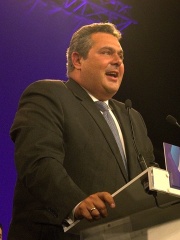
Panos Kammenos
1965 - Present
HPI: 47.99
Rank: 18,268
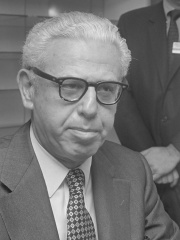
Arthur Goldberg
1908 - 1990
HPI: 47.99
Rank: 18,269
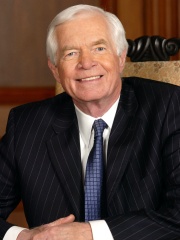
Thad Cochran
1937 - 2019
HPI: 47.98
Rank: 18,270
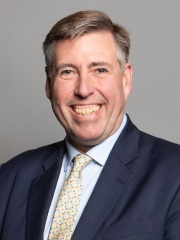
Graham Brady
1967 - Present
HPI: 47.98
Rank: 18,271
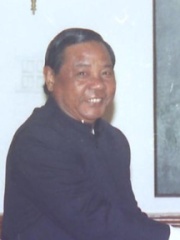
P. A. Sangma
1947 - 2016
HPI: 47.98
Rank: 18,272
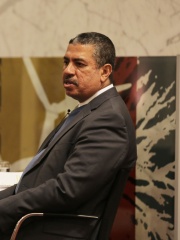
Khaled Bahah
1965 - Present
HPI: 47.98
Rank: 18,273

Daniar Usenov
1960 - Present
HPI: 47.97
Rank: 18,274

Gábor Csapó
1950 - 2022
HPI: 47.97
Rank: 18,275
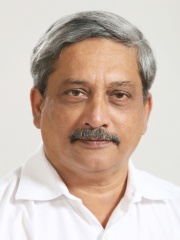
Manohar Parrikar
1955 - 2019
HPI: 47.96
Rank: 18,276
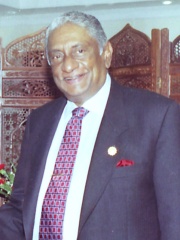
Lakshman Kadirgamar
1932 - 2005
HPI: 47.96
Rank: 18,277

Cecilia Tait
1962 - Present
HPI: 47.96
Rank: 18,278

Contemporaries
Among people born in 1947, P. A. Sangma ranks 882. Before him are Ajit Pal Singh, Jon Corzine, Sonny Carter, Táňa Fischerová, Ronnie Montrose, and Judith Heumann. After him are James K. Morrow, John Reid, Baron Reid of Cardowan, Bruce Rioch, Ramesh Sippy, Lesley Bush, and Lawrence Wright. Among people deceased in 2016, P. A. Sangma ranks 574. Before him are Nicholas Brathwaite, Pavel Sheremet, Thiego, Bobby Wanzer, Nikolay Abramov, and Everton Kempes dos Santos Gonçalves. After him are Christina Grimmie, Viktor Gavrikov, Theresa Saldana, Aleš Debeljak, Susan Lindquist, and Mel Charles.
Others Born in 1947
Go to all Rankings
Ajit Pal Singh
ATHLETE
1947 - Present
HPI: 48.40
Rank: 876
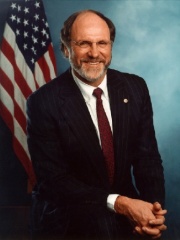
Jon Corzine
POLITICIAN
1947 - Present
HPI: 48.36
Rank: 877
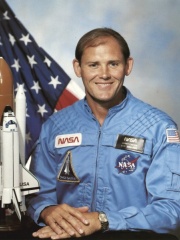
Sonny Carter
ASTRONAUT
1947 - 1991
HPI: 48.31
Rank: 878
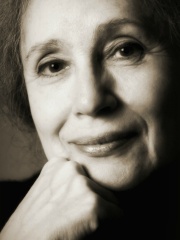
Táňa Fischerová
ACTOR
1947 - 2019
HPI: 48.16
Rank: 879
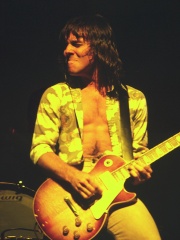
Ronnie Montrose
MUSICIAN
1947 - 2012
HPI: 48.08
Rank: 880
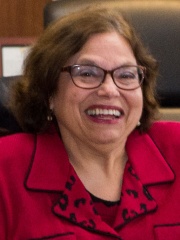
Judith Heumann
SOCIAL ACTIVIST
1947 - 2023
HPI: 48.02
Rank: 881
P. A. Sangma
POLITICIAN
1947 - 2016
HPI: 47.98
Rank: 882
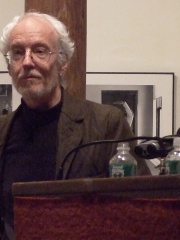
James K. Morrow
WRITER
1947 - Present
HPI: 47.91
Rank: 883
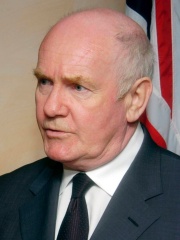
John Reid, Baron Reid of Cardowan
POLITICIAN
1947 - Present
HPI: 47.89
Rank: 884
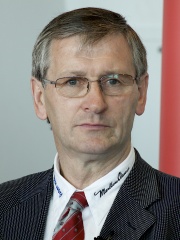
Bruce Rioch
COACH
1947 - Present
HPI: 47.84
Rank: 885
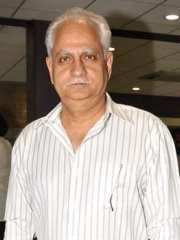
Ramesh Sippy
FILM DIRECTOR
1947 - Present
HPI: 47.77
Rank: 886
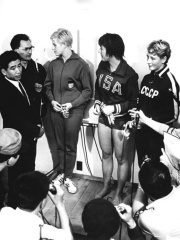
Lesley Bush
ATHLETE
1947 - Present
HPI: 47.68
Rank: 887
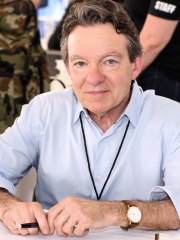
Lawrence Wright
WRITER
1947 - Present
HPI: 47.58
Rank: 888
Others Deceased in 2016
Go to all Rankings
Nicholas Brathwaite
POLITICIAN
1925 - 2016
HPI: 48.48
Rank: 568

Pavel Sheremet
JOURNALIST
1971 - 2016
HPI: 48.47
Rank: 569

Thiego
SOCCER PLAYER
1986 - 2016
HPI: 48.41
Rank: 570

Bobby Wanzer
BASKETBALL PLAYER
1921 - 2016
HPI: 48.33
Rank: 571

Nikolay Abramov
WRITER
1961 - 2016
HPI: 48.25
Rank: 572

Everton Kempes dos Santos Gonçalves
SOCCER PLAYER
1982 - 2016
HPI: 48.03
Rank: 573
P. A. Sangma
POLITICIAN
1947 - 2016
HPI: 47.98
Rank: 574

Christina Grimmie
ACTOR
1994 - 2016
HPI: 47.90
Rank: 575
Viktor Gavrikov
CHESS PLAYER
1957 - 2016
HPI: 47.89
Rank: 576

Theresa Saldana
ACTOR
1954 - 2016
HPI: 47.86
Rank: 577
Aleš Debeljak
WRITER
1961 - 2016
HPI: 47.84
Rank: 578
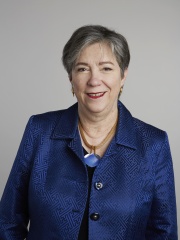
Susan Lindquist
BIOLOGIST
1949 - 2016
HPI: 47.80
Rank: 579

Mel Charles
SOCCER PLAYER
1935 - 2016
HPI: 47.69
Rank: 580
In 印度
Among people born in 印度, P. A. Sangma ranks 1,104 out of NaN. Before him are Silk Smitha (1960), Sudha Chandran (1965), Twinkle Khanna (1974), K. Balachander (1930), Shobhna Samarth (1916), and Narendra Dabholkar (1945). After him are Bombayla Devi Laishram (1985), Manohar Parrikar (1955), Toru Dutt (1856), Ruby Myers (1907), AR Murugadoss (1974), and Lakshmi (1952).
Others born in 印度
Go to all Rankings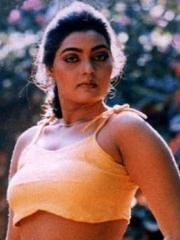
Silk Smitha
ACTOR
1960 - 1996
HPI: 48.06
Rank: 1,098

Sudha Chandran
ACTOR
1965 - Present
HPI: 48.03
Rank: 1,099
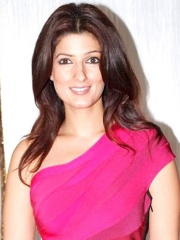
Twinkle Khanna
ACTOR
1974 - Present
HPI: 48.02
Rank: 1,100
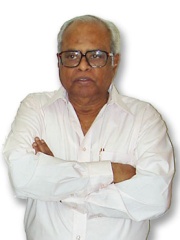
K. Balachander
FILM DIRECTOR
1930 - 2014
HPI: 48.02
Rank: 1,101
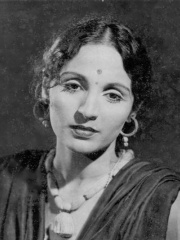
Shobhna Samarth
ACTOR
1916 - 2000
HPI: 48.01
Rank: 1,102
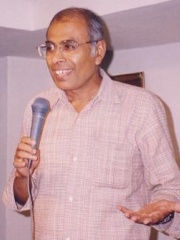
Narendra Dabholkar
PHYSICIAN
1945 - 2013
HPI: 48.01
Rank: 1,103
P. A. Sangma
POLITICIAN
1947 - 2016
HPI: 47.98
Rank: 1,104

Bombayla Devi Laishram
ATHLETE
1985 - Present
HPI: 47.97
Rank: 1,105
Manohar Parrikar
POLITICIAN
1955 - 2019
HPI: 47.96
Rank: 1,106
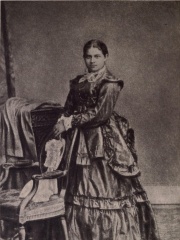
Toru Dutt
WRITER
1856 - 1877
HPI: 47.95
Rank: 1,107
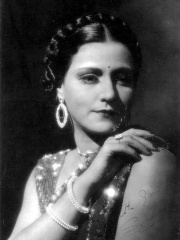
Ruby Myers
ACTOR
1907 - 1983
HPI: 47.93
Rank: 1,108

AR Murugadoss
FILM DIRECTOR
1974 - Present
HPI: 47.92
Rank: 1,109

Lakshmi
ACTOR
1952 - Present
HPI: 47.92
Rank: 1,110
Among 政治家 In 印度
Among 政治家 born in 印度, P. A. Sangma ranks 266. Before him are Arun Shourie (1941), Nandini Satpathy (1931), Aruna Roy (1946), Rabri Devi (1956), Padmaja Naidu (1900), and Ashok Gehlot (1951). After him are Manohar Parrikar (1955), Sushilkumar Shinde (1941), Madhavrao Scindia (1945), Vikas Swarup (1961), Manohar Joshi (1937), and Uddhav Thackeray (1960).
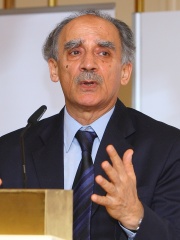
Arun Shourie
1941 - Present
HPI: 48.61
Rank: 260
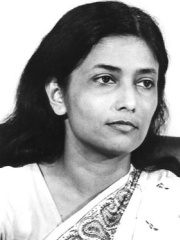
Nandini Satpathy
1931 - 2006
HPI: 48.56
Rank: 261
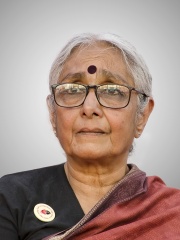
Aruna Roy
1946 - Present
HPI: 48.43
Rank: 262
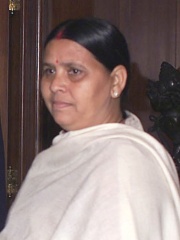
Rabri Devi
1956 - Present
HPI: 48.24
Rank: 263

Padmaja Naidu
1900 - 1975
HPI: 48.17
Rank: 264
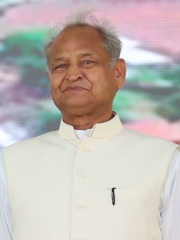
Ashok Gehlot
1951 - Present
HPI: 48.09
Rank: 265
P. A. Sangma
1947 - 2016
HPI: 47.98
Rank: 266
Manohar Parrikar
1955 - 2019
HPI: 47.96
Rank: 267
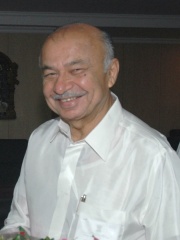
Sushilkumar Shinde
1941 - Present
HPI: 47.70
Rank: 268
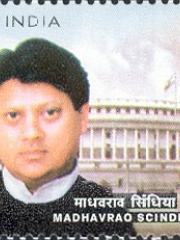
Madhavrao Scindia
1945 - 2001
HPI: 47.68
Rank: 269
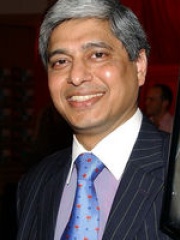
Vikas Swarup
1961 - Present
HPI: 47.35
Rank: 270
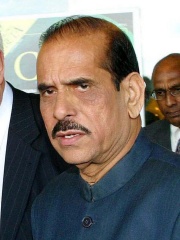
Manohar Joshi
1937 - 2024
HPI: 46.78
Rank: 271
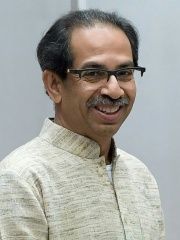
Uddhav Thackeray
1960 - Present
HPI: 46.60
Rank: 272




