Politikus
Graham Brady
1967 - napjainkig
HU.WIKIPEDIA OLDALMEGTEKINTÉSEK (PV)


 Graham Brady
Életrajza 15 különböző nyelven érhető el a Wikipédián. Graham Brady a 18,294th legnépszerűbb politikus (növekedés a 19,182nd-ről 2024-ben), a 6,404th legnépszerűbb életrajz Egyesült Királyság országából (növekedés a 8,203rd-ről 2019-ben) és a 677th legnépszerűbb Egyesült Királyságból politikus.
Ismertségi mutatók
23k
Oldalmegtekintések
Elmúlt 12 hónap
47.98
HPI
Történelmi népszerűségi index
Adatérdekességek
máj. 20.
Graham Brady ugyanazon a napon (május 20.) ünnepli születésnapját, mint Honoré de Balzac, Cher és James Stewart.
Graham Brady oldalmegtekintései nyelvenként
A(z) Politikus között
A(z) Politikus között Graham Brady a(z) 18,287. helyen áll 19,576 közül. Előtte állnak: Vivek Ramaswamy, Harry F. Byrd, Gérald Darmanin, Panos Kammenos, Arthur Goldberg, és Thad Cochran. Utána következnek: P. A. Sangma, Khaled Bahah, Daniar Usenov, Gábor Csapó, Manohar Parrikar, és Lakshman Kadirgamar.
A legnépszerűbb Politikus a Wikipédián
Összes rangsor megtekintése
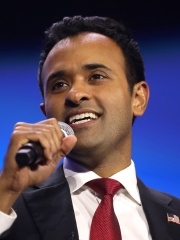
Vivek Ramaswamy
1985 - napjainkig
HPI: 48.01
Helyezés: 18,288
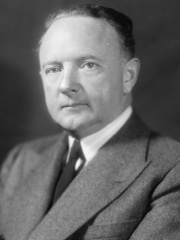
Harry F. Byrd
1887 - 1966
HPI: 48.00
Helyezés: 18,289
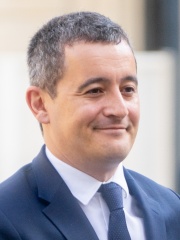
Gérald Darmanin
1982 - napjainkig
HPI: 47.99
Helyezés: 18,290
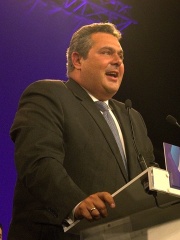
Panos Kammenos
1965 - napjainkig
HPI: 47.99
Helyezés: 18,291
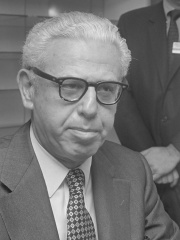
Arthur Goldberg
1908 - 1990
HPI: 47.99
Helyezés: 18,292
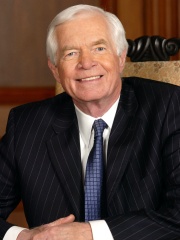
Thad Cochran
1937 - 2019
HPI: 47.98
Helyezés: 18,293
Graham Brady
1967 - napjainkig
HPI: 47.98
Helyezés: 18,294
P. A. Sangma
1947 - 2016
HPI: 47.98
Helyezés: 18,295
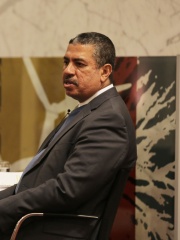
Khaled Bahah
1965 - napjainkig
HPI: 47.98
Helyezés: 18,296

Daniar Usenov
1960 - napjainkig
HPI: 47.97
Helyezés: 18,297

Gábor Csapó
1950 - 2022
HPI: 47.97
Helyezés: 18,298
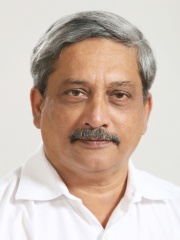
Manohar Parrikar
1955 - 2019
HPI: 47.96
Helyezés: 18,299
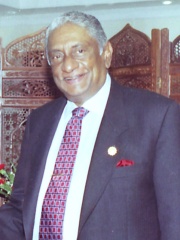
Lakshman Kadirgamar
1932 - 2005
HPI: 47.96
Helyezés: 18,300

Kortársak
A(z) 1967. évben születettek között Graham Brady a(z) 593. helyen áll. Előtte állnak: Lars Riedel, Janez Lenarčič, Andrew Shue, Mikhail Botvinov, Abdul Hakim Haqqani, és Silke Renk. Utána következnek: Trini Alvarado, Michael Fincke, Irina Pantaeva, Saad al Ghamdi, Colin Kolles, és Mislav Bezmalinović.
További személyek, akik a(z) 1967. évben születtek
Összes rangsor megtekintése
Lars Riedel
ATHLETE
1967 - napjainkig
HPI: 48.07
Helyezés: 587

Janez Lenarčič
DIPLOMAT
1967 - napjainkig
HPI: 48.06
Helyezés: 588
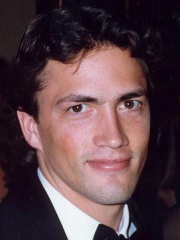
Andrew Shue
ACTOR
1967 - napjainkig
HPI: 48.03
Helyezés: 589
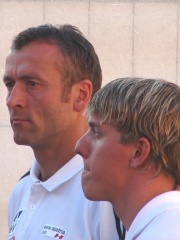
Mikhail Botvinov
SKIER
1967 - napjainkig
HPI: 48.01
Helyezés: 590
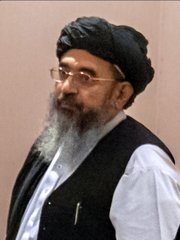
Abdul Hakim Haqqani
WRITER
1967 - napjainkig
HPI: 48.00
Helyezés: 591

Silke Renk
ATHLETE
1967 - napjainkig
HPI: 47.98
Helyezés: 592
Graham Brady
POLITICIAN
1967 - napjainkig
HPI: 47.98
Helyezés: 593

Trini Alvarado
ACTOR
1967 - napjainkig
HPI: 47.98
Helyezés: 594

Michael Fincke
ASTRONAUT
1967 - napjainkig
HPI: 47.97
Helyezés: 595

Irina Pantaeva
MODEL
1967 - napjainkig
HPI: 47.94
Helyezés: 596

Saad al Ghamdi
RELIGIOUS FIGURE
1967 - napjainkig
HPI: 47.93
Helyezés: 597

Colin Kolles
BUSINESSPERSON
1967 - napjainkig
HPI: 47.93
Helyezés: 598

Mislav Bezmalinović
ATHLETE
1967 - 2024
HPI: 47.93
Helyezés: 599
A(z) Egyesült Királyság rangsorában
A(z) Egyesült Királyság területén születettek között Graham Brady a(z) 6,404. helyen áll 8,785 közül. Előtte állnak: George Etherege (1635), Finola Hughes (1959), Tom Tugendhat (1973), John Leckie (1949), Phil Brown (1962), és Charles Holden (1875). Utána következnek: Ian Hancock (1942), Phil Thompson (1954), Anthony Moore (1948), Emily Faithfull (1835), Edward Thomas (1878), és Philippa Fawcett (1868).
További személyek, akik Egyesült Királyság területén születtek
Összes rangsor megtekintése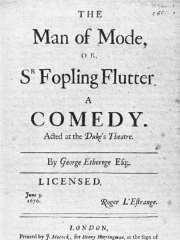
George Etherege
WRITER
1635 - 1692
HPI: 48.02
Helyezés: 6,398

Finola Hughes
ACTOR
1959 - napjainkig
HPI: 48.02
Helyezés: 6,399
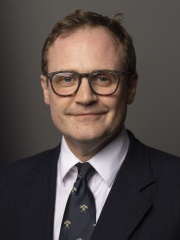
Tom Tugendhat
POLITICIAN
1973 - napjainkig
HPI: 48.01
Helyezés: 6,400
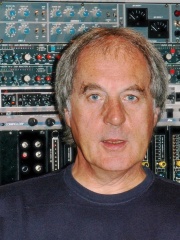
John Leckie
MUSICIAN
1949 - napjainkig
HPI: 48.01
Helyezés: 6,401

Phil Brown
ATHLETE
1962 - napjainkig
HPI: 48.00
Helyezés: 6,402
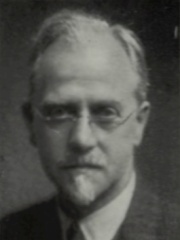
Charles Holden
ARCHITECT
1875 - 1960
HPI: 47.99
Helyezés: 6,403
Graham Brady
POLITICIAN
1967 - napjainkig
HPI: 47.98
Helyezés: 6,404

Ian Hancock
LINGUIST
1942 - napjainkig
HPI: 47.98
Helyezés: 6,405
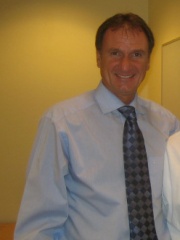
Phil Thompson
SOCCER PLAYER
1954 - napjainkig
HPI: 47.98
Helyezés: 6,406
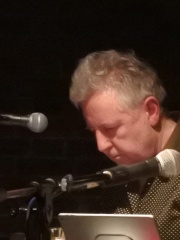
Anthony Moore
MUSICIAN
1948 - napjainkig
HPI: 47.95
Helyezés: 6,407
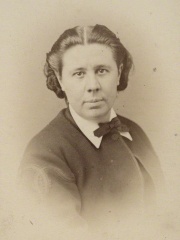
Emily Faithfull
BUSINESSPERSON
1835 - 1895
HPI: 47.95
Helyezés: 6,408
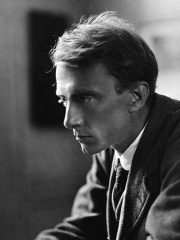
Edward Thomas
WRITER
1878 - 1917
HPI: 47.95
Helyezés: 6,409
Philippa Fawcett
MATHEMATICIAN
1868 - 1948
HPI: 47.95
Helyezés: 6,410
A(z) Politikus között – Egyesült Királyság
A(z) Egyesült Királyság területén született Politikus között Graham Brady a(z) 677. helyen áll. Előtte állnak: Bernadette Devlin McAliskey (1947), David Kelly (1944), James Cleverly (1969), David Lammy (1972), Leon Brittan (1939), és Tom Tugendhat (1973). Utána következnek: Button Gwinnett (1735), John Reid, Baron Reid of Cardowan (1947), Nicky Morgan (1972), Rebecca Long-Bailey (1979), Alistair Darling (1953), és Dominic Raab (1974).
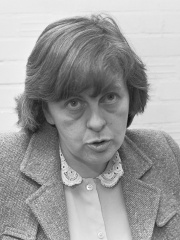
Bernadette Devlin McAliskey
1947 - napjainkig
HPI: 48.48
Helyezés: 671
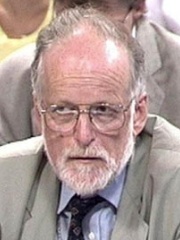
David Kelly
1944 - 2003
HPI: 48.45
Helyezés: 672

James Cleverly
1969 - napjainkig
HPI: 48.39
Helyezés: 673
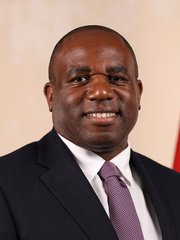
David Lammy
1972 - napjainkig
HPI: 48.38
Helyezés: 674

Leon Brittan
1939 - 2015
HPI: 48.34
Helyezés: 675
Tom Tugendhat
1973 - napjainkig
HPI: 48.01
Helyezés: 676
Graham Brady
1967 - napjainkig
HPI: 47.98
Helyezés: 677
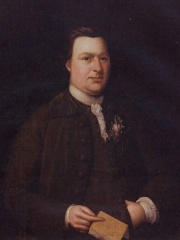
Button Gwinnett
1735 - 1777
HPI: 47.93
Helyezés: 678
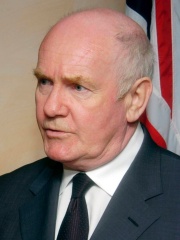
John Reid, Baron Reid of Cardowan
1947 - napjainkig
HPI: 47.89
Helyezés: 679
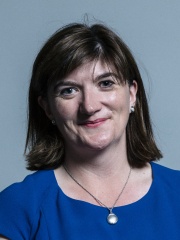
Nicky Morgan
1972 - napjainkig
HPI: 47.88
Helyezés: 680

Rebecca Long-Bailey
1979 - napjainkig
HPI: 47.78
Helyezés: 681
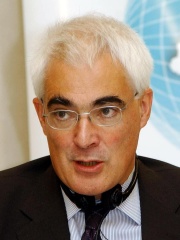
Alistair Darling
1953 - 2023
HPI: 47.70
Helyezés: 682
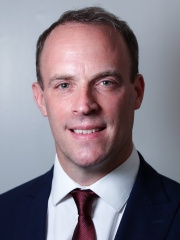
Dominic Raab
1974 - napjainkig
HPI: 47.67
Helyezés: 683




