Footballeur
Néstor Fabbri
1968 - aujourd'hui
FR.WIKIPEDIA PAGE VIEWS (PV)

 Néstor Fabbri
Sa biographie est disponible en 17 langues sur Wikipédia. Néstor Fabbri est le 6,883rd footballeur le plus populaire (en baisse du 5,848th en 2024), la 709th biographie la plus populaire d'Argentine (en baisse du 676th en 2019), ainsi que le 348th footballeur d'Argentine le plus populaire.
Memorability Metrics
19k
Page Views
Past 12 months
49.46
HPI
Historical Popularity Index
Page views of Néstor Fabbri by language
Among Footballeurs
Among footballeurs, Néstor Fabbri ranks 6,877 out of 21,273. Before him are Nicola Legrottaglie, Nebojša Krupniković, Radhi Jaïdi, Wilner Nazaire, Willian Pacho, and Antonio de la Torre. After him are Yoshiro Moriyama, Jacques Zimako, Pedro Contreras, Asier del Horno, Karim Abdul Razak, and Kazuya Okazaki.
Most Popular Footballeurs in Wikipedia
Go to all Rankings
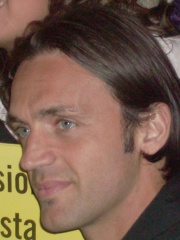
Nicola Legrottaglie
1976 - Present
HPI: 49.46
Rank: 6,877

Nebojša Krupniković
1973 - Present
HPI: 49.46
Rank: 6,878
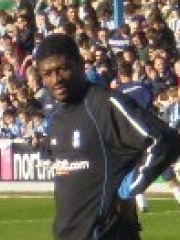
Radhi Jaïdi
1975 - Present
HPI: 49.46
Rank: 6,879
Wilner Nazaire
1950 - Present
HPI: 49.46
Rank: 6,880

Willian Pacho
2001 - Present
HPI: 49.46
Rank: 6,881

Antonio de la Torre
1951 - 2021
HPI: 49.46
Rank: 6,882
Néstor Fabbri
1968 - Present
HPI: 49.46
Rank: 6,883

Yoshiro Moriyama
1967 - Present
HPI: 49.45
Rank: 6,884
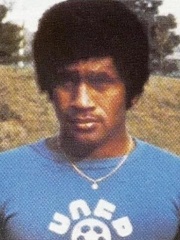
Jacques Zimako
1951 - 2021
HPI: 49.45
Rank: 6,885

Pedro Contreras
1972 - Present
HPI: 49.45
Rank: 6,886
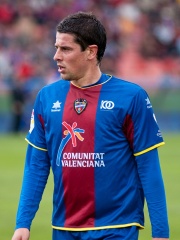
Asier del Horno
1981 - Present
HPI: 49.45
Rank: 6,887

Karim Abdul Razak
1956 - Present
HPI: 49.45
Rank: 6,888

Kazuya Okazaki
1991 - Present
HPI: 49.45
Rank: 6,889

Contemporaries
Among people born in 1968, Néstor Fabbri ranks 498. Before him are Atticus Ross, Fabio Baldato, Goichi Suda, Maxim Fadeev, Steven Waddington, and Naoya Ogawa. After him are Axelle Red, Igor Kolyvanov, Randy Brown, Giovanni Stroppa, Carina Wiese, and Kim Young-ha.
Others Born in 1968
Go to all Rankings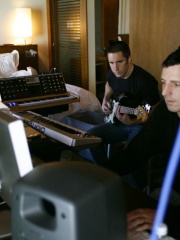
Atticus Ross
MUSICIAN
1968 - Present
HPI: 49.53
Rank: 492
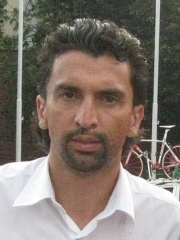
Fabio Baldato
CYCLIST
1968 - Present
HPI: 49.53
Rank: 493

Goichi Suda
GAME DESIGNER
1968 - Present
HPI: 49.52
Rank: 494
Maxim Fadeev
MUSICIAN
1968 - Present
HPI: 49.49
Rank: 495
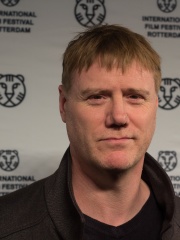
Steven Waddington
ACTOR
1968 - Present
HPI: 49.49
Rank: 496
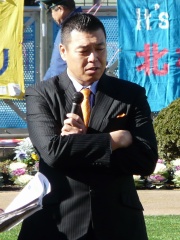
Naoya Ogawa
WRESTLER
1968 - Present
HPI: 49.49
Rank: 497
Néstor Fabbri
SOCCER PLAYER
1968 - Present
HPI: 49.46
Rank: 498

Axelle Red
SINGER
1968 - Present
HPI: 49.44
Rank: 499
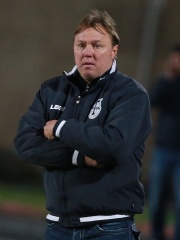
Igor Kolyvanov
SOCCER PLAYER
1968 - Present
HPI: 49.44
Rank: 500

Randy Brown
BASKETBALL PLAYER
1968 - Present
HPI: 49.43
Rank: 501
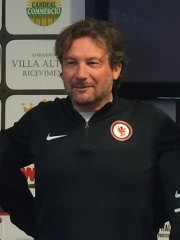
Giovanni Stroppa
SOCCER PLAYER
1968 - Present
HPI: 49.43
Rank: 502

Carina Wiese
ACTOR
1968 - Present
HPI: 49.41
Rank: 503

Kim Young-ha
WRITER
1968 - Present
HPI: 49.41
Rank: 504
In Argentine
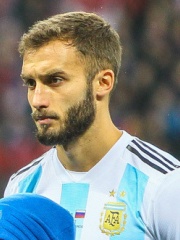
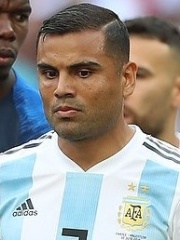
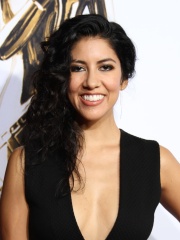
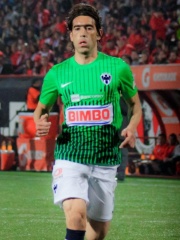
Among people born in Argentine, Néstor Fabbri ranks 709 out of NaN. Before him are Gisela Dulko (1985), Franco Colapinto (2003), Juan Diego Botto (1975), Thiago Almada (2001), Germán Pezzella (1991), and Alberto Mancini (1969). After him are Gabriel Mercado (1987), Clemente Rodríguez (1981), Stephanie Beatriz (1981), César Delgado (1981), Luciano Vietto (1993), and Ariel Ibagaza (1976).
Others born in Argentine
Go to all Rankings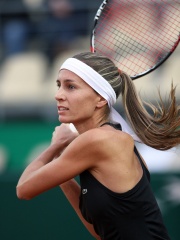
Gisela Dulko
TENNIS PLAYER
1985 - Present
HPI: 49.61
Rank: 703
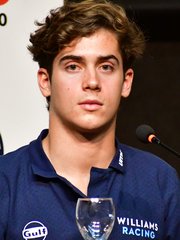
Franco Colapinto
RACING DRIVER
2003 - Present
HPI: 49.57
Rank: 704
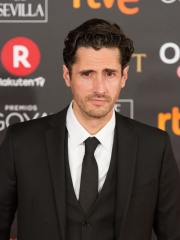
Juan Diego Botto
ACTOR
1975 - Present
HPI: 49.52
Rank: 705
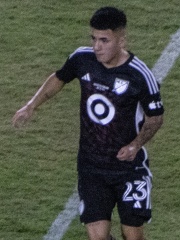
Thiago Almada
SOCCER PLAYER
2001 - Present
HPI: 49.50
Rank: 706
Germán Pezzella
SOCCER PLAYER
1991 - Present
HPI: 49.48
Rank: 707

Alberto Mancini
TENNIS PLAYER
1969 - Present
HPI: 49.47
Rank: 708
Néstor Fabbri
SOCCER PLAYER
1968 - Present
HPI: 49.46
Rank: 709
Gabriel Mercado
SOCCER PLAYER
1987 - Present
HPI: 49.43
Rank: 710

Clemente Rodríguez
SOCCER PLAYER
1981 - Present
HPI: 49.36
Rank: 711
Stephanie Beatriz
ACTOR
1981 - Present
HPI: 49.31
Rank: 712
César Delgado
SOCCER PLAYER
1981 - Present
HPI: 49.31
Rank: 713
Luciano Vietto
SOCCER PLAYER
1993 - Present
HPI: 49.30
Rank: 714
Ariel Ibagaza
SOCCER PLAYER
1976 - Present
HPI: 49.27
Rank: 715
Among Footballeurs In Argentine
Among footballeurs born in Argentine, Néstor Fabbri ranks 348. Before him are Nicolás Gaitán (1988), Rubén Cano (1951), Óscar Ustari (1986), Emi Buendía (1996), Thiago Almada (2001), and Germán Pezzella (1991). After him are Gabriel Mercado (1987), Clemente Rodríguez (1981), César Delgado (1981), Luciano Vietto (1993), Ariel Ibagaza (1976), and Leonardo Rodríguez (1966).
Nicolás Gaitán
1988 - Present
HPI: 49.83
Rank: 342

Rubén Cano
1951 - Present
HPI: 49.78
Rank: 343
Óscar Ustari
1986 - Present
HPI: 49.75
Rank: 344
Emi Buendía
1996 - Present
HPI: 49.75
Rank: 345
Thiago Almada
2001 - Present
HPI: 49.50
Rank: 346
Germán Pezzella
1991 - Present
HPI: 49.48
Rank: 347
Néstor Fabbri
1968 - Present
HPI: 49.46
Rank: 348
Gabriel Mercado
1987 - Present
HPI: 49.43
Rank: 349
Clemente Rodríguez
1981 - Present
HPI: 49.36
Rank: 350
César Delgado
1981 - Present
HPI: 49.31
Rank: 351
Luciano Vietto
1993 - Present
HPI: 49.30
Rank: 352
Ariel Ibagaza
1976 - Present
HPI: 49.27
Rank: 353

Leonardo Rodríguez
1966 - Present
HPI: 49.27
Rank: 354




