Футболист
Ariel Ibagaza
1976 - настоящее время
RU.WIKIPEDIA PAGE VIEWS (PV)
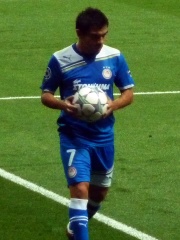
 Ariel Ibagaza
Его биография доступна на 27 различных языках в Википедии. Ariel Ibagaza занимает 6998-е место среди самых популярных футболист (снижение с 6720-е места в 2024 году), занимает 715-е место среди самых популярных биографий из Аргентины (рост с 726-е места в 2019 году) и занимает 353-е место среди футболист Аргентина.
Memorability Metrics
26k
Page Views
Past 12 months
49.27
HPI
Historical Popularity Index
Page views of Ariel Ibagaza by language
Among Футболист
Among футболист, Ariel Ibagaza ranks 6,992 out of 21,273. Before him are Takayasu Kawai, Dariusz Wosz, Juan Carlos Letelier, Valeri Bojinov, Tomáš Sivok, and Gerson Rodrigues. After him are Takuya Komine, Alessio Romagnoli, Jérémy Doku, Leonardo Rodríguez, Lahcen Ouadani, and Nozomi Yamago.
Most Popular Футболист in Wikipedia
Go to all Rankings

Takayasu Kawai
1977 - Present
HPI: 49.28
Rank: 6,992

Dariusz Wosz
1969 - Present
HPI: 49.28
Rank: 6,993

Juan Carlos Letelier
1959 - Present
HPI: 49.28
Rank: 6,994
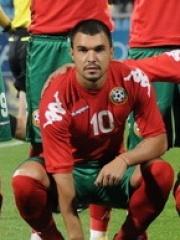
Valeri Bojinov
1986 - Present
HPI: 49.27
Rank: 6,995
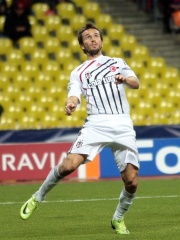
Tomáš Sivok
1983 - Present
HPI: 49.27
Rank: 6,996

Gerson Rodrigues
1995 - Present
HPI: 49.27
Rank: 6,997
Ariel Ibagaza
1976 - Present
HPI: 49.27
Rank: 6,998

Takuya Komine
1988 - Present
HPI: 49.27
Rank: 6,999

Alessio Romagnoli
1995 - Present
HPI: 49.27
Rank: 7,000

Jérémy Doku
2002 - Present
HPI: 49.27
Rank: 7,001

Leonardo Rodríguez
1966 - Present
HPI: 49.27
Rank: 7,002

Lahcen Ouadani
1959 - Present
HPI: 49.27
Rank: 7,003

Nozomi Yamago
1975 - Present
HPI: 49.27
Rank: 7,004

Contemporaries
Among people born in 1976, Ariel Ibagaza ranks 390. Before him are Cori Bush, Alana Evans, Jacek Krzynówek, Mirsad Türkcan, Stuart Bingham, and Ian Bohen. After him are Akinori Nishizawa, Michel Brown, Hines Ward, Wang Liping, Sahlene, and Kim Joo-ryoung.
Others Born in 1976
Go to all Rankings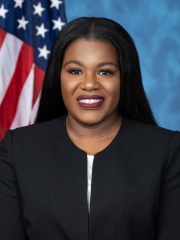
Cori Bush
POLITICIAN
1976 - Present
HPI: 49.34
Rank: 384

Alana Evans
PORNOGRAPHIC ACTOR
1976 - Present
HPI: 49.32
Rank: 385
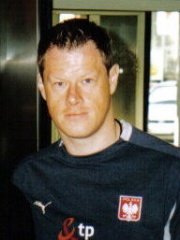
Jacek Krzynówek
SOCCER PLAYER
1976 - Present
HPI: 49.31
Rank: 386
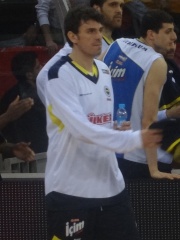
Mirsad Türkcan
BASKETBALL PLAYER
1976 - Present
HPI: 49.30
Rank: 387

Stuart Bingham
SNOOKER
1976 - Present
HPI: 49.30
Rank: 388

Ian Bohen
ACTOR
1976 - Present
HPI: 49.28
Rank: 389
Ariel Ibagaza
SOCCER PLAYER
1976 - Present
HPI: 49.27
Rank: 390

Akinori Nishizawa
SOCCER PLAYER
1976 - Present
HPI: 49.25
Rank: 391

Michel Brown
ACTOR
1976 - Present
HPI: 49.24
Rank: 392
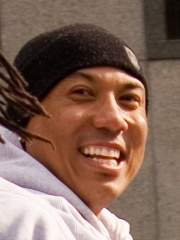
Hines Ward
AMERICAN FOOTBALL PLAYER
1976 - Present
HPI: 49.21
Rank: 393

Wang Liping
ATHLETE
1976 - Present
HPI: 49.20
Rank: 394

Sahlene
SINGER
1976 - Present
HPI: 49.20
Rank: 395

Kim Joo-ryoung
ACTOR
1976 - Present
HPI: 49.17
Rank: 396
In Аргентина
Among people born in Аргентина, Ariel Ibagaza ranks 715 out of NaN. Before him are Néstor Fabbri (1968), Gabriel Mercado (1987), Clemente Rodríguez (1981), Stephanie Beatriz (1981), César Delgado (1981), and Luciano Vietto (1993). After him are Leonardo Rodríguez (1966), Alicia Dickenstein (1955), Franco Mastantuono (2007), Michel Brown (1976), Alejandro Domínguez (1981), and Exequiel Palacios (1998).
Others born in Аргентина
Go to all Rankings
Néstor Fabbri
SOCCER PLAYER
1968 - Present
HPI: 49.46
Rank: 709
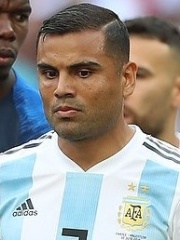
Gabriel Mercado
SOCCER PLAYER
1987 - Present
HPI: 49.43
Rank: 710

Clemente Rodríguez
SOCCER PLAYER
1981 - Present
HPI: 49.36
Rank: 711

Stephanie Beatriz
ACTOR
1981 - Present
HPI: 49.31
Rank: 712

César Delgado
SOCCER PLAYER
1981 - Present
HPI: 49.31
Rank: 713

Luciano Vietto
SOCCER PLAYER
1993 - Present
HPI: 49.30
Rank: 714
Ariel Ibagaza
SOCCER PLAYER
1976 - Present
HPI: 49.27
Rank: 715
Leonardo Rodríguez
SOCCER PLAYER
1966 - Present
HPI: 49.27
Rank: 716

Alicia Dickenstein
MATHEMATICIAN
1955 - Present
HPI: 49.24
Rank: 717

Franco Mastantuono
SOCCER PLAYER
2007 - Present
HPI: 49.24
Rank: 718
Michel Brown
ACTOR
1976 - Present
HPI: 49.24
Rank: 719

Alejandro Domínguez
SOCCER PLAYER
1981 - Present
HPI: 49.15
Rank: 720

Exequiel Palacios
SOCCER PLAYER
1998 - Present
HPI: 49.13
Rank: 721
Among Футболист In Аргентина
Among футболист born in Аргентина, Ariel Ibagaza ranks 353. Before him are Germán Pezzella (1991), Néstor Fabbri (1968), Gabriel Mercado (1987), Clemente Rodríguez (1981), César Delgado (1981), and Luciano Vietto (1993). After him are Leonardo Rodríguez (1966), Franco Mastantuono (2007), Alejandro Domínguez (1981), Exequiel Palacios (1998), Guillermo Franco (1976), and Roberto Pereyra (1991).
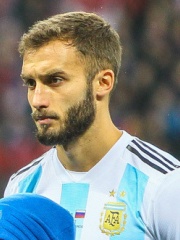
Germán Pezzella
1991 - Present
HPI: 49.48
Rank: 347
Néstor Fabbri
1968 - Present
HPI: 49.46
Rank: 348
Gabriel Mercado
1987 - Present
HPI: 49.43
Rank: 349
Clemente Rodríguez
1981 - Present
HPI: 49.36
Rank: 350
César Delgado
1981 - Present
HPI: 49.31
Rank: 351
Luciano Vietto
1993 - Present
HPI: 49.30
Rank: 352
Ariel Ibagaza
1976 - Present
HPI: 49.27
Rank: 353
Leonardo Rodríguez
1966 - Present
HPI: 49.27
Rank: 354
Franco Mastantuono
2007 - Present
HPI: 49.24
Rank: 355
Alejandro Domínguez
1981 - Present
HPI: 49.15
Rank: 356
Exequiel Palacios
1998 - Present
HPI: 49.13
Rank: 357
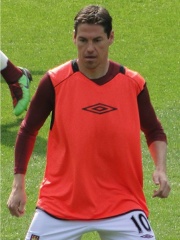
Guillermo Franco
1976 - Present
HPI: 49.06
Rank: 358
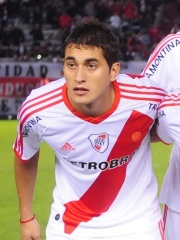
Roberto Pereyra
1991 - Present
HPI: 49.05
Rank: 359




