神秘学家
諾斯特拉達穆斯
1503 - 1566
ZH.WIKIPEDIA 页面浏览量 (PV)
 諾斯特拉達穆斯
知名度指标
2.0M
页面浏览量
过去12个月
86.64
HPI
历史知名度指数
数据洞察
#1
在 Pantheon 收录的全球 41 位神秘学家中,諾斯特拉達穆斯排名第一。
#1
諾斯特拉達穆斯是出生于Saint-Rémy-de-Provence(今属法国)的 3 位知名人物中最著名的一位,知名度领先于Jean-Marie Balestre和Joseph Roumanille。
#1
在 Pantheon 收录的 18 位 1503 年出生的人物中,諾斯特拉達穆斯最为著名。
#285
逝世 4 个多世纪后,諾斯特拉達穆斯在 Pantheon 全部人物中仍排名第 285。
諾斯特拉達穆斯的各语言页面浏览量
在神秘学家中
在神秘学家中,諾斯特拉達穆斯排名第1位(共41人)。 排在他之后的有:Grigori Rasputin, Aleister Crowley, Baba Vanga, John Dee, Anton LaVey, Helena Blavatsky, Count of St. Germain, Éliphas Lévi, Alessandro Cagliostro, Heinrich Cornelius Agrippa, 和Allan Kardec.
维基百科上最受欢迎的神秘学家
查看全部排名
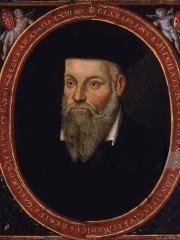
Nostradamus
1503 - 1566
HPI: 86.64
排名: 1
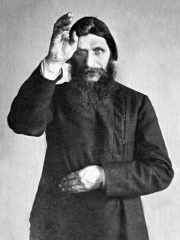
Grigori Rasputin
1869 - 1916
HPI: 85.15
排名: 2

Aleister Crowley
1875 - 1947
HPI: 83.14
排名: 3
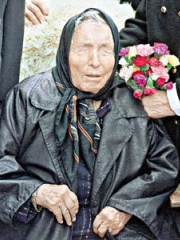
Baba Vanga
1911 - 1996
HPI: 81.29
排名: 4
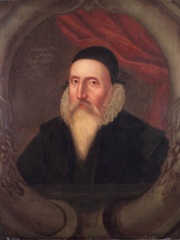
John Dee
1527 - 1608
HPI: 80.86
排名: 5
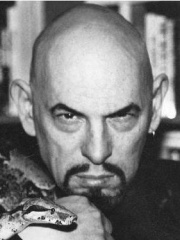
Anton LaVey
1930 - 1997
HPI: 79.08
排名: 6
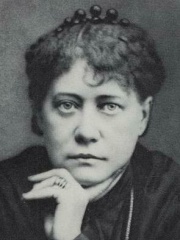
Helena Blavatsky
1831 - 1891
HPI: 78.21
排名: 7
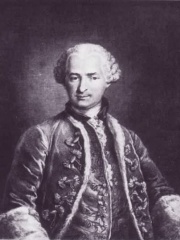
Count of St. Germain
1712 - 1784
HPI: 75.77
排名: 8
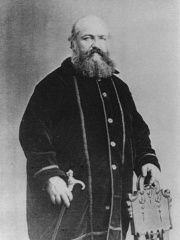
Éliphas Lévi
1810 - 1875
HPI: 75.65
排名: 9
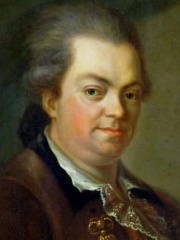
Alessandro Cagliostro
1743 - 1795
HPI: 75.32
排名: 10
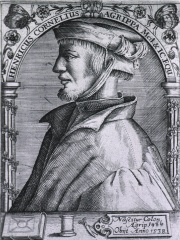
Heinrich Cornelius Agrippa
1486 - 1535
HPI: 73.53
排名: 11
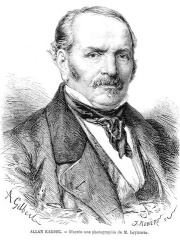
Allan Kardec
1804 - 1869
HPI: 73.24
排名: 12

同时代人物
在1503年出生的人中,諾斯特拉達穆斯排名第1位。 排在他之后的有:Ferdinand I, Holy Roman Emperor, Bronzino, Isabella of Portugal, Anne of Bohemia and Hungary, Parmigianino, Christian III of Denmark, Henry II of Navarre, Pier Luigi Farnese, Duke of Parma, John Frederick I, Elector of Saxony, Robert Estienne, 和Gerolama Orsini. 在1566年去世的人中,諾斯特拉達穆斯排名第2位。 排在他之前的有:Suleiman the Magnificent. 排在他之后的有:Bartolomé de las Casas, Diane de Poitiers, Nikola IV Zrinski, Daniele da Volterra, Louise Labé, Leonhart Fuchs, Antonio de Cabezón, Sigismund von Herberstein, Margaret Paleologa, 和Lambert Lombard.
其他1503年出生的人
查看全部排名Nostradamus
OCCULTIST
1503 - 1566
HPI: 86.64
排名: 1
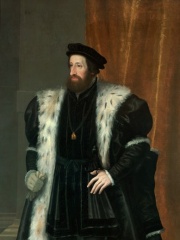
Ferdinand I, Holy Roman Emperor
POLITICIAN
1503 - 1564
HPI: 82.71
排名: 2
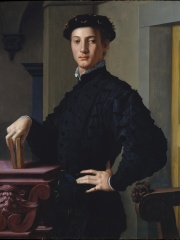
Bronzino
PAINTER
1503 - 1572
HPI: 77.70
排名: 3
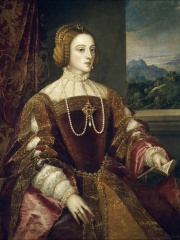
Isabella of Portugal
COMPANION
1503 - 1539
HPI: 77.56
排名: 4
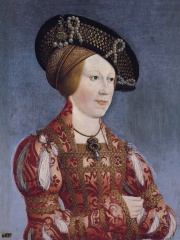
Anne of Bohemia and Hungary
COMPANION
1503 - 1547
HPI: 76.19
排名: 5
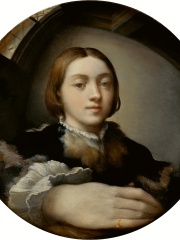
Parmigianino
PAINTER
1503 - 1540
HPI: 75.35
排名: 6
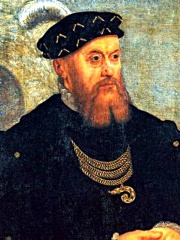
Christian III of Denmark
POLITICIAN
1503 - 1559
HPI: 73.19
排名: 7
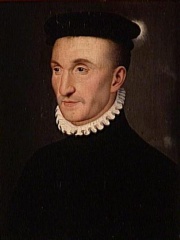
Henry II of Navarre
POLITICIAN
1503 - 1555
HPI: 72.54
排名: 8
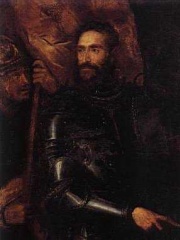
Pier Luigi Farnese, Duke of Parma
POLITICIAN
1503 - 1547
HPI: 70.64
排名: 9
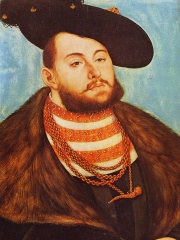
John Frederick I, Elector of Saxony
POLITICIAN
1503 - 1554
HPI: 70.49
排名: 10
Robert Estienne
RELIGIOUS FIGURE
1503 - 1559
HPI: 63.33
排名: 11
Gerolama Orsini
POLITICIAN
1503 - 1569
HPI: 63.06
排名: 12
其他1566年去世的人
查看全部排名
Suleiman the Magnificent
POLITICIAN
1494 - 1566
HPI: 91.58
排名: 1
Nostradamus
OCCULTIST
1503 - 1566
HPI: 86.64
排名: 2
Bartolomé de las Casas
WRITER
1484 - 1566
HPI: 76.44
排名: 3
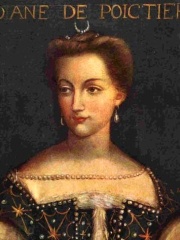
Diane de Poitiers
POLITICIAN
1499 - 1566
HPI: 75.37
排名: 4
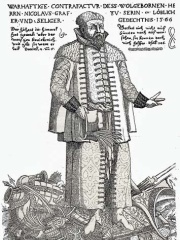
Nikola IV Zrinski
POLITICIAN
1508 - 1566
HPI: 71.22
排名: 5
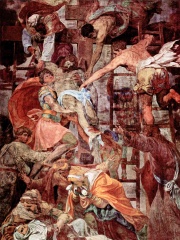
Daniele da Volterra
PAINTER
1509 - 1566
HPI: 69.39
排名: 6
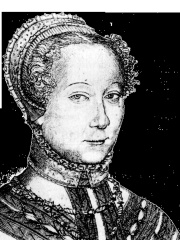
Louise Labé
WRITER
1524 - 1566
HPI: 65.66
排名: 7
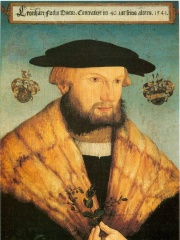
Leonhart Fuchs
PHYSICIAN
1501 - 1566
HPI: 64.74
排名: 8
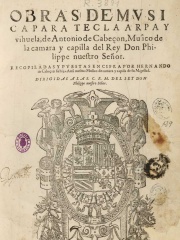
Antonio de Cabezón
COMPOSER
1510 - 1566
HPI: 64.47
排名: 9
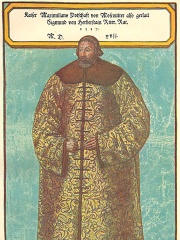
Sigismund von Herberstein
WRITER
1486 - 1566
HPI: 62.34
排名: 10
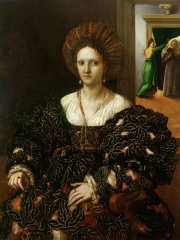
Margaret Paleologa
NOBLEMAN
1510 - 1566
HPI: 62.21
排名: 11
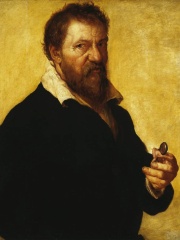
Lambert Lombard
ARCHITECT
1505 - 1566
HPI: 61.73
排名: 12
在法国
在出生于法国的人中,諾斯特拉達穆斯排名第21位(共6,770人)。 排在他之前的有:Jean-Paul Sartre (1905), Giuseppe Garibaldi (1807), Louis XV of France (1710), Edward IV of England (1442), Alexandre Dumas (1802), 和Charles de Gaulle (1890). 排在他之后的有:Honoré de Balzac (1799), Henri Matisse (1869), Antoine de Saint-Exupéry (1900), Caracalla (188), Édith Piaf (1915), 和Antoine Lavoisier (1743).

Jean-Paul Sartre
WRITER
1905 - 1980
HPI: 87.31
排名: 15
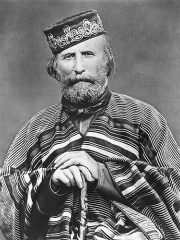
Giuseppe Garibaldi
POLITICIAN
1807 - 1882
HPI: 87.09
排名: 16
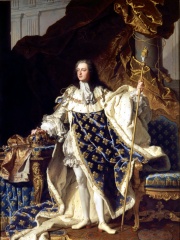
Louis XV of France
POLITICIAN
1710 - 1774
HPI: 86.93
排名: 17
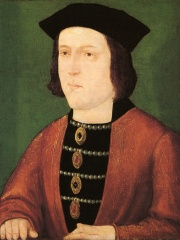
Edward IV of England
POLITICIAN
1442 - 1483
HPI: 86.91
排名: 18
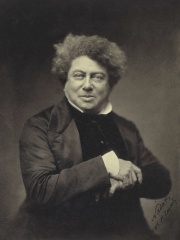
Alexandre Dumas
WRITER
1802 - 1870
HPI: 86.83
排名: 19
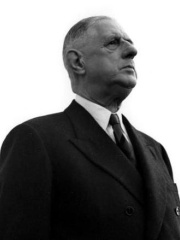
Charles de Gaulle
MILITARY PERSONNEL
1890 - 1970
HPI: 86.70
排名: 20
Nostradamus
OCCULTIST
1503 - 1566
HPI: 86.64
排名: 21
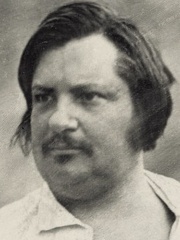
Honoré de Balzac
WRITER
1799 - 1850
HPI: 86.38
排名: 22
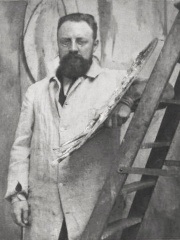
Henri Matisse
PAINTER
1869 - 1954
HPI: 86.28
排名: 23
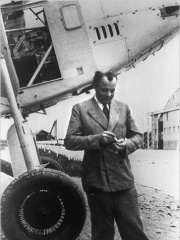
Antoine de Saint-Exupéry
WRITER
1900 - 1944
HPI: 86.21
排名: 24
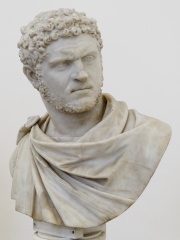
Caracalla
POLITICIAN
188 - 217
HPI: 86.14
排名: 25

Édith Piaf
SINGER
1915 - 1963
HPI: 86.11
排名: 26
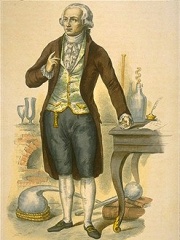
Antoine Lavoisier
CHEMIST
1743 - 1794
HPI: 86.04
排名: 27
在法国的神秘学家中
在出生于法国的神秘学家中,諾斯特拉達穆斯排名第1位。 排在他之后的有:Éliphas Lévi (1810), Allan Kardec (1804), Louis Claude de Saint-Martin (1743), Stanislas de Guaita (1861), 和Joséphin Péladan (1858).
Nostradamus
1503 - 1566
HPI: 86.64
排名: 1
Éliphas Lévi
1810 - 1875
HPI: 75.65
排名: 2
Allan Kardec
1804 - 1869
HPI: 73.24
排名: 3

Louis Claude de Saint-Martin
1743 - 1803
HPI: 65.17
排名: 4
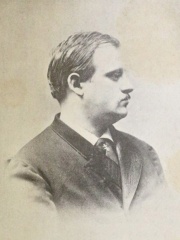
Stanislas de Guaita
1861 - 1897
HPI: 63.58
排名: 5
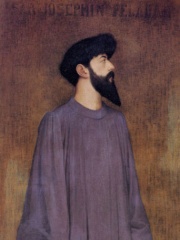
Joséphin Péladan
1858 - 1918
HPI: 63.42
排名: 6




