Philosopher
Nikolay Lossky
Russian philosopher
1870 - 1965
EN.WIKIPEDIA PAGE VIEWS (PV)
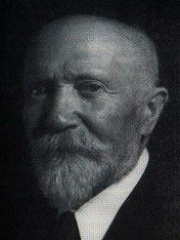
 Nikolay Lossky
His biography is available in 23 different languages on Wikipedia. Nikolay Lossky is the 924th most popular philosopher (down from 899th in 2024), the 86th most popular biography from Latvia (down from 75th in 2019) and the 5th most popular Latvian Philosopher.
Memorability Metrics
23k
Page Views
Past 12 months
59.89
HPI
Historical Popularity Index
Data Insights
23
Nikolay Lossky's biography spans 23 Wikipedia language editions and earns a Historical Popularity Index of 59.89.
Page views of Nikolay Lossky by language
Among Philosophers
Among philosophers, Nikolay Lossky ranks 924 out of 1,285. Before him are Sengzhao, Heinrich Khunrath, Ramiro Ledesma Ramos, Abu al-Hassan al-Amiri, Martin Lings, and J. M. E. McTaggart. After him are Sopater of Apamea, Antipater of Tarsus, Hermogenes of Tarsus, Bahya ibn Paquda, Ajita Kesakambali, and Erich Neumann.
Most Popular Philosophers in Wikipedia
Go to all Rankings

Sengzhao
384 - 414
HPI: 60.01
Rank: 918
Heinrich Khunrath
1560 - 1605
HPI: 59.99
Rank: 919
Ramiro Ledesma Ramos
1905 - 1936
HPI: 59.95
Rank: 920

Abu al-Hassan al-Amiri
913 - 992
HPI: 59.91
Rank: 921
Martin Lings
1909 - 2005
HPI: 59.90
Rank: 922
J. M. E. McTaggart
1866 - 1925
HPI: 59.89
Rank: 923
Nikolay Lossky
1870 - 1965
HPI: 59.89
Rank: 924

Sopater of Apamea
242 - 325
HPI: 59.89
Rank: 925

Antipater of Tarsus
300 BC - 129 BC
HPI: 59.88
Rank: 926

Hermogenes of Tarsus
200 - 300
HPI: 59.86
Rank: 927

Bahya ibn Paquda
1050 - 1120
HPI: 59.86
Rank: 928

Ajita Kesakambali
500 BC - Present
HPI: 59.85
Rank: 929
Erich Neumann
1905 - 1960
HPI: 59.85
Rank: 930

Contemporaries
Among people born in 1870, Nikolay Lossky ranks 93. Before him are Charles Tournemire, Hilaire Belloc, Friedrich Freiherr Kress von Kressenstein, Princess Maria Theresa of Löwenstein-Wertheim-Rosenberg, Francisco S. Carvajal, and Osachi Hamaguchi. After him are John Paine, Édouard Le Roy, William J. Seymour, Ferdynand Ruszczyc, Joseph Strauss, and Johan Ludwig Mowinckel. Among people deceased in 1965, Nikolay Lossky ranks 102. Before him are Arthur Holmes, Ellen Church, Linda Darnell, Árpád Szakasits, Fred Quimby, and Jānis Balodis. After him are E. E. Smith, Laureano Gómez, Maria Dąbrowska, Vittorio Jano, Georges Vantongerloo, and Clemente Micara.
Others Born in 1870
Go to all Rankings
Charles Tournemire
COMPOSER
1870 - 1939
HPI: 60.74
Rank: 87
Hilaire Belloc
WRITER
1870 - 1953
HPI: 60.69
Rank: 88
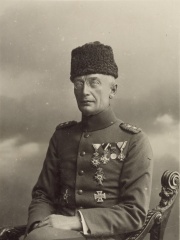
Friedrich Freiherr Kress von Kressenstein
MILITARY PERSONNEL
1870 - 1948
HPI: 60.65
Rank: 89
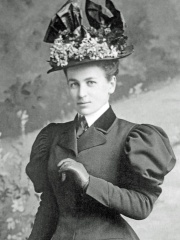
Princess Maria Theresa of Löwenstein-Wertheim-Rosenberg
NOBLEMAN
1870 - 1935
HPI: 60.43
Rank: 90
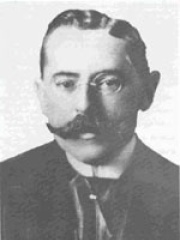
Francisco S. Carvajal
POLITICIAN
1870 - 1932
HPI: 60.28
Rank: 91
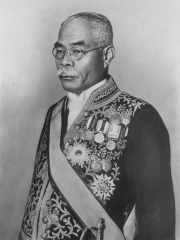
Osachi Hamaguchi
POLITICIAN
1870 - 1931
HPI: 60.12
Rank: 92
Nikolay Lossky
PHILOSOPHER
1870 - 1965
HPI: 59.89
Rank: 93
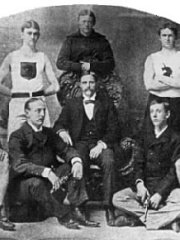
John Paine
ATHLETE
1870 - 1951
HPI: 59.80
Rank: 94
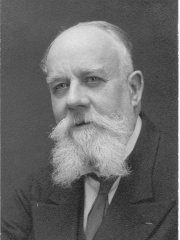
Édouard Le Roy
PHILOSOPHER
1870 - 1954
HPI: 59.80
Rank: 95
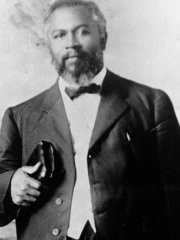
William J. Seymour
RELIGIOUS FIGURE
1870 - 1922
HPI: 59.79
Rank: 96
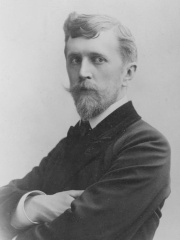
Ferdynand Ruszczyc
PAINTER
1870 - 1936
HPI: 59.66
Rank: 97
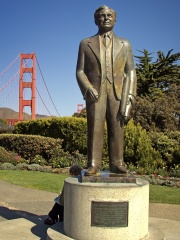
Joseph Strauss
ENGINEER
1870 - 1938
HPI: 59.55
Rank: 98
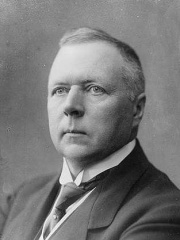
Johan Ludwig Mowinckel
POLITICIAN
1870 - 1943
HPI: 59.51
Rank: 99
Others Deceased in 1965
Go to all Rankings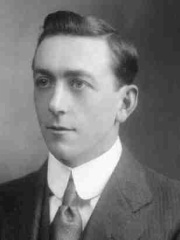
Arthur Holmes
GEOLOGIST
1890 - 1965
HPI: 60.40
Rank: 96
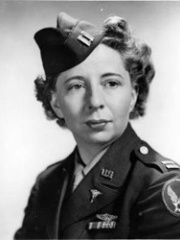
Ellen Church
RELIGIOUS FIGURE
1904 - 1965
HPI: 60.38
Rank: 97
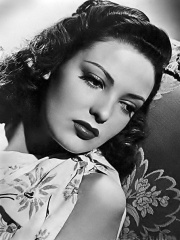
Linda Darnell
ACTOR
1923 - 1965
HPI: 60.32
Rank: 98
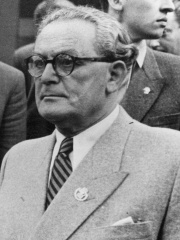
Árpád Szakasits
POLITICIAN
1888 - 1965
HPI: 60.22
Rank: 99
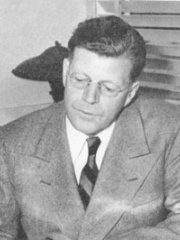
Fred Quimby
PRODUCER
1886 - 1965
HPI: 60.17
Rank: 100
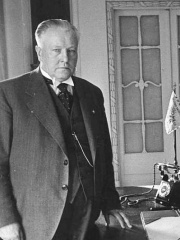
Jānis Balodis
MILITARY PERSONNEL
1881 - 1965
HPI: 59.97
Rank: 101
Nikolay Lossky
PHILOSOPHER
1870 - 1965
HPI: 59.89
Rank: 102
E. E. Smith
WRITER
1890 - 1965
HPI: 59.76
Rank: 103
Laureano Gómez
POLITICIAN
1889 - 1965
HPI: 59.73
Rank: 104
Maria Dąbrowska
WRITER
1889 - 1965
HPI: 59.73
Rank: 105
Vittorio Jano
INVENTOR
1891 - 1965
HPI: 59.61
Rank: 106

Georges Vantongerloo
PAINTER
1886 - 1965
HPI: 59.39
Rank: 107

Clemente Micara
RELIGIOUS FIGURE
1879 - 1965
HPI: 59.31
Rank: 108
In Latvia
Among people born in Latvia, Nikolay Lossky ranks 86 out of 383. Before him are Alexander von Keyserling (1815), Vizma Belševica (1931), Lūcija Garūta (1902), Wessel Freytag von Loringhoven (1899), Georg August Schweinfurth (1836), and Jānis Balodis (1881). After him are Yevgeny Miller (1867), Yury Tynyanov (1894), Kristjan Jaak Peterson (1801), Lina Stern (1878), Eduard Totleben (1818), and Ernst Rudolf von Trautvetter (1809).
Others born in Latvia
Go to all Rankings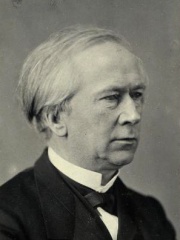
Alexander von Keyserling
GEOLOGIST
1815 - Present
HPI: 60.51
Rank: 80
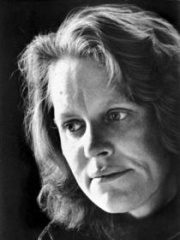
Vizma Belševica
WRITER
1931 - 2005
HPI: 60.20
Rank: 81
Lūcija Garūta
MUSICIAN
1902 - 1977
HPI: 60.10
Rank: 82

Wessel Freytag von Loringhoven
SOCIAL ACTIVIST
1899 - 1944
HPI: 60.08
Rank: 83
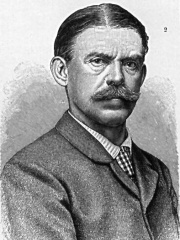
Georg August Schweinfurth
BIOLOGIST
1836 - 1925
HPI: 60.05
Rank: 84
Jānis Balodis
MILITARY PERSONNEL
1881 - 1965
HPI: 59.97
Rank: 85
Nikolay Lossky
PHILOSOPHER
1870 - 1965
HPI: 59.89
Rank: 86
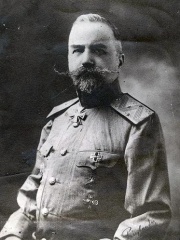
Yevgeny Miller
MILITARY PERSONNEL
1867 - 1939
HPI: 59.84
Rank: 87
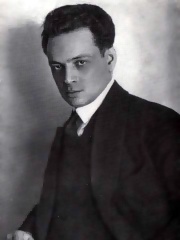
Yury Tynyanov
WRITER
1894 - 1943
HPI: 59.80
Rank: 88
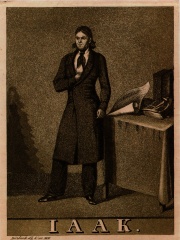
Kristjan Jaak Peterson
WRITER
1801 - 1822
HPI: 59.80
Rank: 89
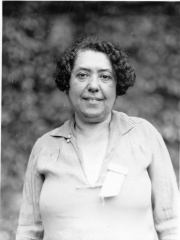
Lina Stern
CHEMIST
1878 - 1968
HPI: 59.74
Rank: 90
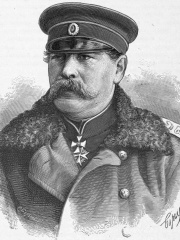
Eduard Totleben
ENGINEER
1818 - 1884
HPI: 59.69
Rank: 91
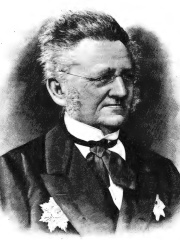
Ernst Rudolf von Trautvetter
BIOLOGIST
1809 - 1889
HPI: 59.64
Rank: 92
Among Philosophers In Latvia
Among philosophers born in Latvia, Nikolay Lossky ranks 5. Before him are Isaiah Berlin (1909), Nicolai Hartmann (1882), Abraham Isaac Kook (1865), and Yeshayahu Leibowitz (1903).
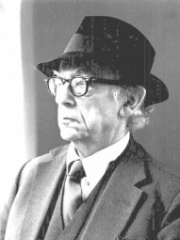
Isaiah Berlin
1909 - 1997
HPI: 72.20
Rank: 1
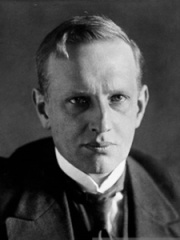
Nicolai Hartmann
1882 - 1950
HPI: 69.77
Rank: 2
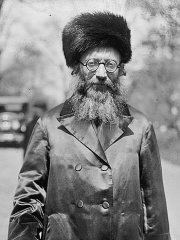
Abraham Isaac Kook
1865 - 1935
HPI: 64.40
Rank: 3
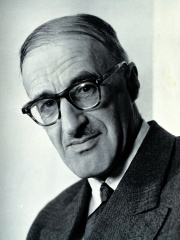
Yeshayahu Leibowitz
1903 - 1994
HPI: 62.09
Rank: 4
Nikolay Lossky
1870 - 1965
HPI: 59.89
Rank: 5




