Labdarúgó
Nicolás Tagliafico
1992 - napjainkig
HU.WIKIPEDIA OLDALMEGTEKINTÉSEK (PV)
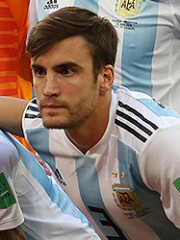
 Nicolás Tagliafico
Életrajza 45 különböző nyelven érhető el a Wikipédián (növekedés 43-ről 2024-ben). Nicolás Tagliafico a 4,133rd legnépszerűbb labdarúgó (csökkenés a 3,811th-ről 2024-ben), a 523rd legnépszerűbb életrajz Argentína országából (csökkenés a 515th-ről 2019-ben) és a 243rd legnépszerűbb Argentínaból labdarúgó.
Ismertségi mutatók
320k
Oldalmegtekintések
Elmúlt 12 hónap
54.14
HPI
Történelmi népszerűségi index
Nicolás Tagliafico oldalmegtekintései nyelvenként
A(z) Labdarúgó között
A(z) Labdarúgó között Nicolás Tagliafico a(z) 4,128. helyen áll 21,273 közül. Előtte állnak: Viktor Chanov, Randal Kolo Muani, Giampaolo Menichelli, Arkadiusz Milik, Satoshi Yashiro, és Rade Bogdanović. Utána következnek: Alexia Putellas, Rafael Méndez, André Cruz, Francisco Valdés, Alan A'Court, és André Chorda.
A legnépszerűbb Labdarúgó a Wikipédián
Összes rangsor megtekintése
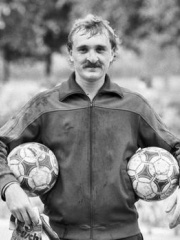
Viktor Chanov
1959 - 2017
HPI: 54.14
Helyezés: 4,127
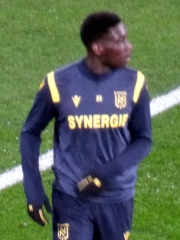
Randal Kolo Muani
1998 - napjainkig
HPI: 54.14
Helyezés: 4,128
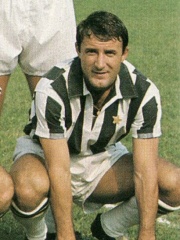
Giampaolo Menichelli
1938 - napjainkig
HPI: 54.14
Helyezés: 4,129
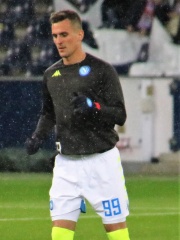
Arkadiusz Milik
1994 - napjainkig
HPI: 54.14
Helyezés: 4,130

Satoshi Yashiro
1974 - napjainkig
HPI: 54.14
Helyezés: 4,131

Rade Bogdanović
1970 - napjainkig
HPI: 54.14
Helyezés: 4,132
Nicolás Tagliafico
1992 - napjainkig
HPI: 54.14
Helyezés: 4,133
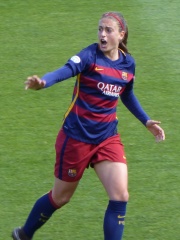
Alexia Putellas
1994 - napjainkig
HPI: 54.13
Helyezés: 4,134
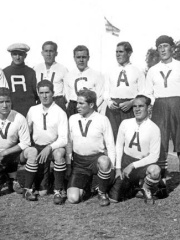
Rafael Méndez
1904 - 1982
HPI: 54.13
Helyezés: 4,135

André Cruz
1968 - napjainkig
HPI: 54.13
Helyezés: 4,136

Francisco Valdés
1943 - 2009
HPI: 54.13
Helyezés: 4,137

Alan A'Court
1934 - 2009
HPI: 54.12
Helyezés: 4,138

André Chorda
1938 - 1998
HPI: 54.12
Helyezés: 4,139

Kortársak
A(z) 1992. évben születettek között Nicolás Tagliafico a(z) 66. helyen áll. Előtte állnak: Joji, Takamasa Yamazaki, Ricardo Rodríguez, Elaine Thompson, Ahmed Musa, és Alberto Moreno. Utána következnek: Mathew Ryan, Nick Jonas, Mohamed Elneny, Mia Malkova, Callum Wilson, és Filip Kostić.
További személyek, akik a(z) 1992. évben születtek
Összes rangsor megtekintése
Joji
SINGER
1992 - napjainkig
HPI: 55.00
Helyezés: 60

Takamasa Yamazaki
SOCCER PLAYER
1992 - napjainkig
HPI: 54.70
Helyezés: 61

Ricardo Rodríguez
SOCCER PLAYER
1992 - napjainkig
HPI: 54.42
Helyezés: 62

Elaine Thompson
ATHLETE
1992 - napjainkig
HPI: 54.30
Helyezés: 63

Ahmed Musa
SOCCER PLAYER
1992 - napjainkig
HPI: 54.21
Helyezés: 64

Alberto Moreno
SOCCER PLAYER
1992 - napjainkig
HPI: 54.15
Helyezés: 65
Nicolás Tagliafico
SOCCER PLAYER
1992 - napjainkig
HPI: 54.14
Helyezés: 66
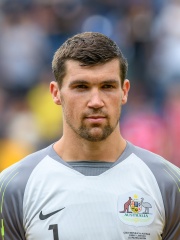
Mathew Ryan
SOCCER PLAYER
1992 - napjainkig
HPI: 54.12
Helyezés: 67

Nick Jonas
MUSICIAN
1992 - napjainkig
HPI: 54.04
Helyezés: 68

Mohamed Elneny
SOCCER PLAYER
1992 - napjainkig
HPI: 54.01
Helyezés: 69

Mia Malkova
PORNOGRAPHIC ACTOR
1992 - napjainkig
HPI: 53.94
Helyezés: 70

Callum Wilson
SOCCER PLAYER
1992 - napjainkig
HPI: 53.88
Helyezés: 71
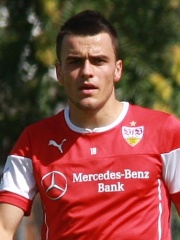
Filip Kostić
SOCCER PLAYER
1992 - napjainkig
HPI: 53.81
Helyezés: 72
A(z) Argentína rangsorában
A(z) Argentína területén születettek között Nicolás Tagliafico a(z) 523. helyen áll NaN közül. Előtte állnak: Federico Wilde (1909), Federico Vairo (1930), Duncan Stewart (1833), Luis Alberto Riart (1880), Delfina Bunge (1881), és Miguel Ángel López (null). Utána következnek: Marcelo Pagani (1941), José María Linares (1808), Guillermo Francella (1955), Aldo Poy (1945), Carlos Roa (1969), és Marcos Rojo (1990).
További személyek, akik Argentína területén születtek
Összes rangsor megtekintése
Federico Wilde
SOCCER PLAYER
1909 - 2000
HPI: 54.26
Helyezés: 517
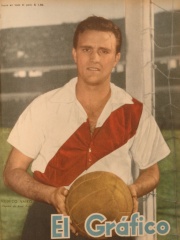
Federico Vairo
SOCCER PLAYER
1930 - 2010
HPI: 54.23
Helyezés: 518
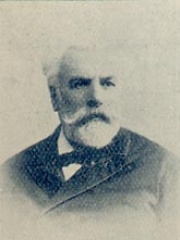
Duncan Stewart
POLITICIAN
1833 - 1923
HPI: 54.21
Helyezés: 519
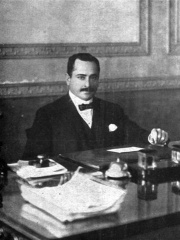
Luis Alberto Riart
POLITICIAN
1880 - 1953
HPI: 54.20
Helyezés: 520
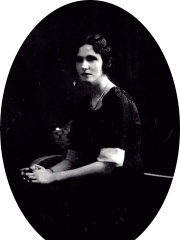
Delfina Bunge
WRITER
1881 - 1952
HPI: 54.16
Helyezés: 521

Miguel Ángel López
ATHLETE
HPI: 54.16
Helyezés: 522
Nicolás Tagliafico
SOCCER PLAYER
1992 - napjainkig
HPI: 54.14
Helyezés: 523
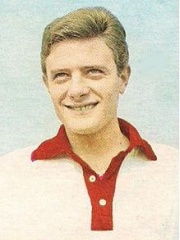
Marcelo Pagani
SOCCER PLAYER
1941 - napjainkig
HPI: 54.09
Helyezés: 524
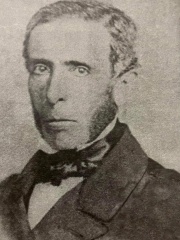
José María Linares
POLITICIAN
1808 - 1861
HPI: 54.09
Helyezés: 525

Guillermo Francella
ACTOR
1955 - napjainkig
HPI: 54.08
Helyezés: 526
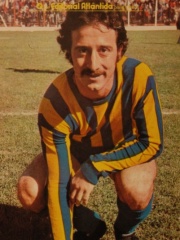
Aldo Poy
SOCCER PLAYER
1945 - napjainkig
HPI: 54.07
Helyezés: 527

Carlos Roa
SOCCER PLAYER
1969 - napjainkig
HPI: 54.06
Helyezés: 528

Marcos Rojo
SOCCER PLAYER
1990 - napjainkig
HPI: 54.06
Helyezés: 529
A(z) Labdarúgó között – Argentína
A(z) Argentína területén született Labdarúgó között Nicolás Tagliafico a(z) 243. helyen áll. Előtte állnak: Arcadio López (1910), Héctor Veira (1946), Juan Francisco Lombardo (1925), Ángel Médici (1897), Federico Wilde (1909), és Federico Vairo (1930). Utána következnek: Marcelo Pagani (1941), Aldo Poy (1945), Carlos Roa (1969), Marcos Rojo (1990), Marcelo Trobbiani (1955), és Carlos Squeo (1948).
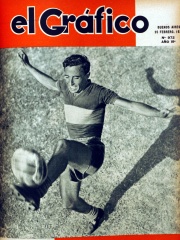
Arcadio López
1910 - 2000
HPI: 54.40
Helyezés: 237
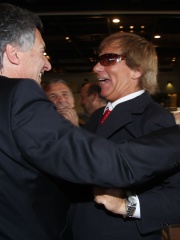
Héctor Veira
1946 - napjainkig
HPI: 54.39
Helyezés: 238
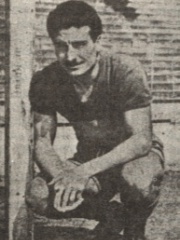
Juan Francisco Lombardo
1925 - 2012
HPI: 54.36
Helyezés: 239
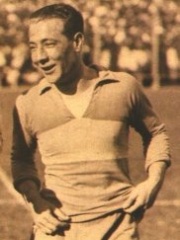
Ángel Médici
1897 - 1971
HPI: 54.29
Helyezés: 240
Federico Wilde
1909 - 2000
HPI: 54.26
Helyezés: 241
Federico Vairo
1930 - 2010
HPI: 54.23
Helyezés: 242
Nicolás Tagliafico
1992 - napjainkig
HPI: 54.14
Helyezés: 243
Marcelo Pagani
1941 - napjainkig
HPI: 54.09
Helyezés: 244
Aldo Poy
1945 - napjainkig
HPI: 54.07
Helyezés: 245
Carlos Roa
1969 - napjainkig
HPI: 54.06
Helyezés: 246
Marcos Rojo
1990 - napjainkig
HPI: 54.06
Helyezés: 247
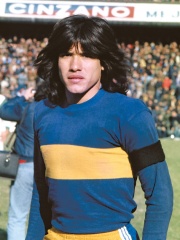
Marcelo Trobbiani
1955 - napjainkig
HPI: 54.01
Helyezés: 248
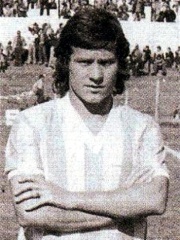
Carlos Squeo
1948 - 2019
HPI: 54.00
Helyezés: 249




