Político
Nicolae Timofti
1948 - presente
ES.WIKIPEDIA PAGE VIEWS (PV)
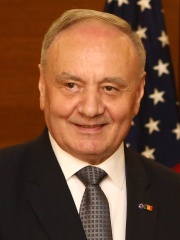

 Nicolae Timofti
Su biografía está disponible en 55 idiomas en Wikipedia. Nicolae Timofti ocupa el puesto 4007 entre los político más populares (subió del puesto 5054 en 2024), el puesto 3 entre las biografías más populares de Moldavia (subió del puesto 8 en 2019) y el primer puesto entre los político de moldavia más populares.
Memorability Metrics
67k
Page Views
Past 12 months
67.95
HPI
Historical Popularity Index
Page views of Nicolae Timofti by language
Among Políticos
Among políticos, Nicolae Timofti ranks 4,005 out of 19,576. Before him are Jacqueline, Countess of Hainaut, János Áder, Uriah the Hittite, Ambiorix, Gnassingbé Eyadéma, and Federico II Gonzaga, Duke of Mantua. After him are Lazar Branković, Álvaro Obregón, H. H. Asquith, Mehmet Shehu, Maximilian Anton, Hereditary Prince of Thurn and Taxis, and Emperor Qinzong.
Most Popular Políticos in Wikipedia
Go to all Rankings
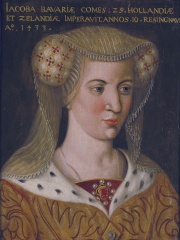
Jacqueline, Countess of Hainaut
1401 - 1436
HPI: 67.96
Rank: 4,001
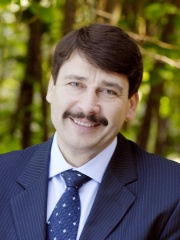
János Áder
1959 - Present
HPI: 67.96
Rank: 4,002
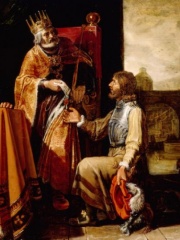
Uriah the Hittite
HPI: 67.96
Rank: 4,003
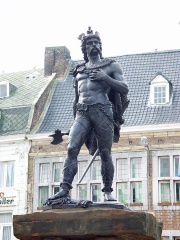
Ambiorix
100 BC - 53 BC
HPI: 67.96
Rank: 4,004
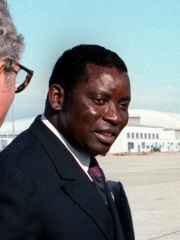
Gnassingbé Eyadéma
1935 - 2005
HPI: 67.96
Rank: 4,005
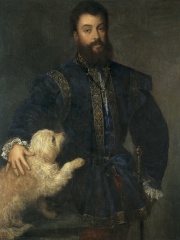
Federico II Gonzaga, Duke of Mantua
1500 - 1540
HPI: 67.95
Rank: 4,006
Nicolae Timofti
1948 - Present
HPI: 67.95
Rank: 4,007
Lazar Branković
1421 - 1458
HPI: 67.95
Rank: 4,008
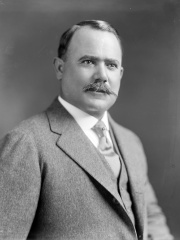
Álvaro Obregón
1880 - 1928
HPI: 67.95
Rank: 4,009
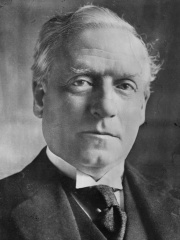
H. H. Asquith
1852 - 1928
HPI: 67.95
Rank: 4,010
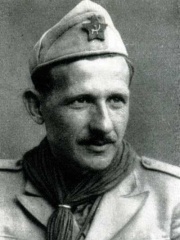
Mehmet Shehu
1913 - 1981
HPI: 67.95
Rank: 4,011
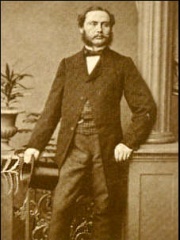
Maximilian Anton, Hereditary Prince of Thurn and Taxis
1831 - 1867
HPI: 67.94
Rank: 4,012
Emperor Qinzong
1100 - 1161
HPI: 67.94
Rank: 4,013

Contemporaries
Among people born in 1948, Nicolae Timofti ranks 77. Before him are Ray Kurzweil, Carl Weathers, Valentin Ceaușescu, Edwige Fenech, Amadou Toumani Touré, and Tom Wilkinson. After him are Radomir Antić, Luis Galván, Brian Eno, William Gibson, Bernard-Henri Lévy, and Svetlana Savitskaya.
Others Born in 1948
Go to all Rankings
Ray Kurzweil
COMPUTER SCIENTIST
1948 - Present
HPI: 68.42
Rank: 71

Carl Weathers
ACTOR
1948 - 2024
HPI: 68.39
Rank: 72
Valentin Ceaușescu
PHYSICIST
1948 - Present
HPI: 68.38
Rank: 73

Edwige Fenech
ACTOR
1948 - Present
HPI: 68.20
Rank: 74
Amadou Toumani Touré
POLITICIAN
1948 - 2020
HPI: 68.08
Rank: 75
Tom Wilkinson
ACTOR
1948 - 2023
HPI: 68.03
Rank: 76
Nicolae Timofti
POLITICIAN
1948 - Present
HPI: 67.95
Rank: 77
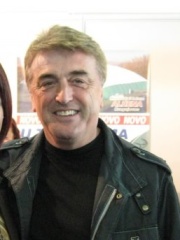
Radomir Antić
SOCCER PLAYER
1948 - 2020
HPI: 67.78
Rank: 78
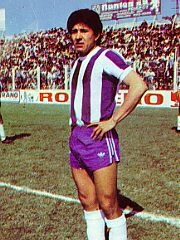
Luis Galván
SOCCER PLAYER
1948 - 2025
HPI: 67.75
Rank: 79
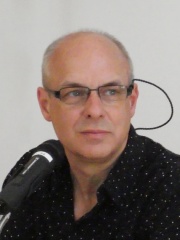
Brian Eno
MUSICIAN
1948 - Present
HPI: 67.74
Rank: 80

William Gibson
WRITER
1948 - Present
HPI: 67.70
Rank: 81
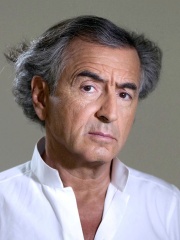
Bernard-Henri Lévy
WRITER
1948 - Present
HPI: 67.63
Rank: 82
Svetlana Savitskaya
ASTRONAUT
1948 - Present
HPI: 67.55
Rank: 83
In Moldavia
Among people born in Moldavia, Nicolae Timofti ranks 3 out of NaN. Before him are Anton Rubinstein (1829), and Lewis Milestone (1895). After him are Emil Constantinescu (1939), Vladimir Voronin (1941), Maia Sandu (1972), Mircea Snegur (1941), Boris Kolker (1939), Eugen Doga (1937), Pyotr Rumyantsev (1725), Avigdor Lieberman (1958), and Kira Muratova (1934).
Others born in Moldavia
Go to all Rankings
Anton Rubinstein
COMPOSER
1829 - 1894
HPI: 73.23
Rank: 1
Lewis Milestone
FILM DIRECTOR
1895 - 1980
HPI: 68.38
Rank: 2
Nicolae Timofti
POLITICIAN
1948 - Present
HPI: 67.95
Rank: 3
Emil Constantinescu
POLITICIAN
1939 - Present
HPI: 67.36
Rank: 4
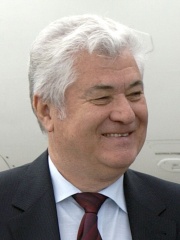
Vladimir Voronin
POLITICIAN
1941 - Present
HPI: 67.32
Rank: 5
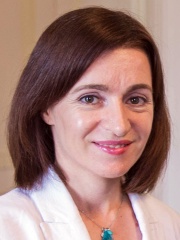
Maia Sandu
POLITICIAN
1972 - Present
HPI: 67.30
Rank: 6
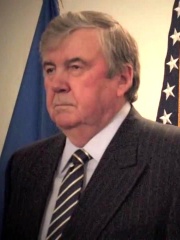
Mircea Snegur
POLITICIAN
1941 - 2023
HPI: 66.64
Rank: 7

Boris Kolker
LINGUIST
1939 - Present
HPI: 65.90
Rank: 8
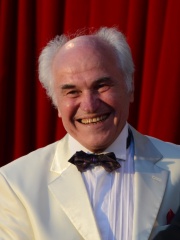
Eugen Doga
COMPOSER
1937 - 2025
HPI: 65.44
Rank: 9
Pyotr Rumyantsev
POLITICIAN
1725 - 1796
HPI: 64.95
Rank: 10
Avigdor Lieberman
POLITICIAN
1958 - Present
HPI: 64.51
Rank: 11
Kira Muratova
FILM DIRECTOR
1934 - 2018
HPI: 63.95
Rank: 12
Among Políticos In Moldavia
Among políticos born in Moldavia, Nicolae Timofti ranks 1. After him are Emil Constantinescu (1939), Vladimir Voronin (1941), Maia Sandu (1972), Mircea Snegur (1941), Pyotr Rumyantsev (1725), Avigdor Lieberman (1958), Petru Lucinschi (1940), Vladimir Purishkevich (1870), Meir Dizengoff (1861), Mihai Ghimpu (1951), and Anatoliy Kinakh (1954).
Nicolae Timofti
1948 - Present
HPI: 67.95
Rank: 1
Emil Constantinescu
1939 - Present
HPI: 67.36
Rank: 2
Vladimir Voronin
1941 - Present
HPI: 67.32
Rank: 3
Maia Sandu
1972 - Present
HPI: 67.30
Rank: 4
Mircea Snegur
1941 - 2023
HPI: 66.64
Rank: 5
Pyotr Rumyantsev
1725 - 1796
HPI: 64.95
Rank: 6
Avigdor Lieberman
1958 - Present
HPI: 64.51
Rank: 7
Petru Lucinschi
1940 - Present
HPI: 63.37
Rank: 8
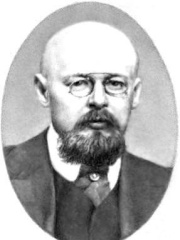
Vladimir Purishkevich
1870 - 1920
HPI: 62.92
Rank: 9
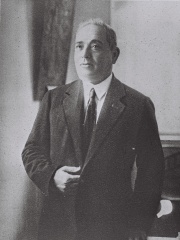
Meir Dizengoff
1861 - 1936
HPI: 61.85
Rank: 10
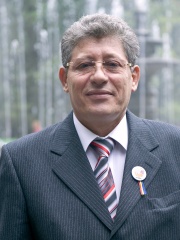
Mihai Ghimpu
1951 - Present
HPI: 61.01
Rank: 11
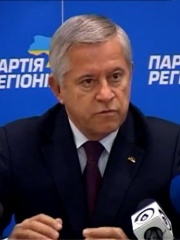
Anatoliy Kinakh
1954 - Present
HPI: 58.85
Rank: 12




