Personnalité religieuse
Nicola Saggio
1650 - 1709
PAGES VUES SUR FR.WIKIPEDIA (PV)
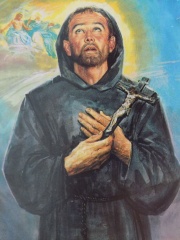
 Nicola Saggio
Sa biographie est disponible en 15 langues sur Wikipédia. Nicola Saggio est le 2,762nd personnalité religieuse le plus populaire (en baisse du 2,482nd en 2024), la 3,580th biographie la plus populaire d'Italie (en baisse du 3,406th en 2019), ainsi que le 534th personnalité religieuse d'Italie le plus populaire.
Indicateurs de mémorabilité
4.8k
Pages vues
12 derniers mois
56.43
HPI
Indice de popularité historique
Pages vues de Nicola Saggio par langue
Parmi les Personnalité religieuse
Parmi les Personnalité religieuse, Nicola Saggio occupe le rang 2,762 sur 3,187. Avant lui viennent Zoltan Sarosy, Ísleifur Gissurarson, John Neumann, Angelo Maria Querini, Wilfrid Napier, et Patrick Abercrombie. Après lui viennent Nicetas I of Constantinople, Leonid Stadnyk, Vincent Nichols, Donald Wuerl, Jakub Wujek, et Johannes de Jong.
Personnalité religieuse les plus populaires sur Wikipédia
Voir tous les classements
Zoltan Sarosy
1906 - 2017
HPI : 56.44
Rang : 2,756

Ísleifur Gissurarson
1006 - 1080
HPI : 56.44
Rang : 2,757
John Neumann
1811 - 1860
HPI : 56.44
Rang : 2,758
Angelo Maria Querini
1680 - 1755
HPI : 56.44
Rang : 2,759
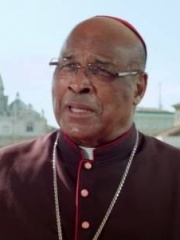
Wilfrid Napier
1941 - présent
HPI : 56.43
Rang : 2,760
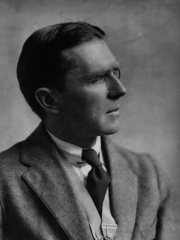
Patrick Abercrombie
1879 - 1957
HPI : 56.43
Rang : 2,761
Nicola Saggio
1650 - 1709
HPI : 56.43
Rang : 2,762

Nicetas I of Constantinople
HPI : 56.42
Rang : 2,763
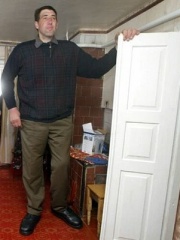
Leonid Stadnyk
1969 - 2014
HPI : 56.41
Rang : 2,764
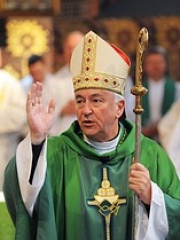
Vincent Nichols
1945 - présent
HPI : 56.41
Rang : 2,765
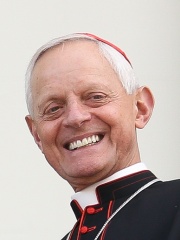
Donald Wuerl
1940 - présent
HPI : 56.41
Rang : 2,766
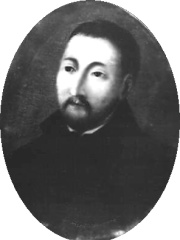
Jakub Wujek
1541 - 1597
HPI : 56.40
Rang : 2,767
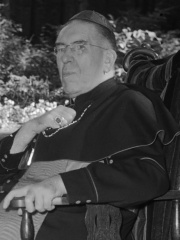
Johannes de Jong
1885 - 1955
HPI : 56.40
Rang : 2,768

Contemporains
Parmi les personnes nées en 1650, Nicola Saggio occupe le rang 21. Avant lui viennent Nell Gwyn, Christoph Arnold, Fyodor Alexeyevich Golovin, Henry, Duke of Saxe-Römhild, George Rooke, et Giovanni Battista Bassani. Après lui vient Fatima Soltan. Parmi les personnes décédées en 1709, Nicola Saggio occupe le rang 21. Avant lui viennent Barbara Palmer, 1st Duchess of Cleveland, Alvise II Mocenigo, George Rooke, Thomas Corneille, Dimitry of Rostov, et Elisabeth Dorothea of Saxe-Gotha-Altenburg. Après lui viennent William Bentinck, 1st Earl of Portland, et Edward Lhuyd.
Autres personnes nées en 1650
Voir tous les classements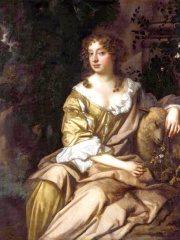
Nell Gwyn
ACTOR
1650 - 1687
HPI : 61.06
Rang : 15
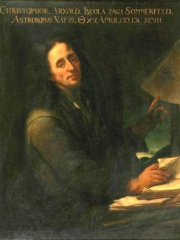
Christoph Arnold
ASTRONOMER
1650 - 1695
HPI : 59.78
Rang : 16
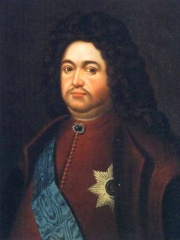
Fyodor Alexeyevich Golovin
POLITICIAN
1650 - 1706
HPI : 59.28
Rang : 17
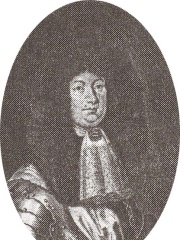
Henry, Duke of Saxe-Römhild
POLITICIAN
1650 - 1710
HPI : 59.18
Rang : 18
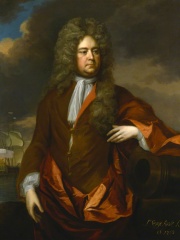
George Rooke
MILITARY PERSONNEL
1650 - 1709
HPI : 59.10
Rang : 19
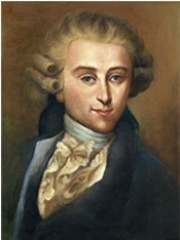
Giovanni Battista Bassani
COMPOSER
1650 - 1716
HPI : 58.78
Rang : 20
Nicola Saggio
RELIGIOUS FIGURE
1650 - 1709
HPI : 56.43
Rang : 21

Fatima Soltan
POLITICIAN
1650 - 1681
HPI : 54.38
Rang : 22
Autres personnes décédées en 1709
Voir tous les classements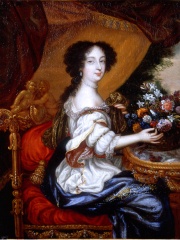
Barbara Palmer, 1st Duchess of Cleveland
POLITICIAN
1640 - 1709
HPI : 60.73
Rang : 15
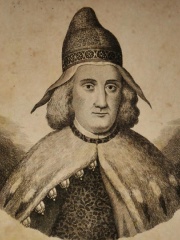
Alvise II Mocenigo
POLITICIAN
1628 - 1709
HPI : 59.72
Rang : 16
George Rooke
MILITARY PERSONNEL
1650 - 1709
HPI : 59.10
Rang : 17
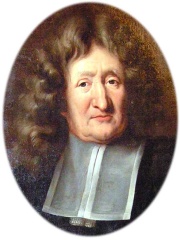
Thomas Corneille
WRITER
1625 - 1709
HPI : 58.98
Rang : 18
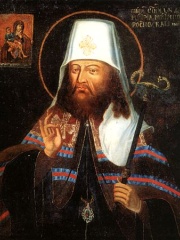
Dimitry of Rostov
RELIGIOUS FIGURE
1651 - 1709
HPI : 58.76
Rang : 19
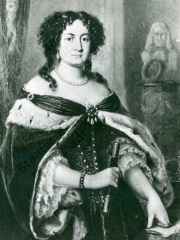
Elisabeth Dorothea of Saxe-Gotha-Altenburg
NOBLEMAN
1640 - 1709
HPI : 58.02
Rang : 20
Nicola Saggio
RELIGIOUS FIGURE
1650 - 1709
HPI : 56.43
Rang : 21
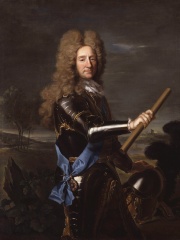
William Bentinck, 1st Earl of Portland
NOBLEMAN
1649 - 1709
HPI : 56.35
Rang : 22
Edward Lhuyd
BIOLOGIST
1660 - 1709
HPI : 52.61
Rang : 23
En Italie
Parmi les personnes nées en Italie, Nicola Saggio occupe le rang 3,580 sur NaN. Avant lui viennent Frederick, Margrave of Tuscany (1040), Titus Didius (-200), Carlo Annovazzi (1925), Paolo Soleri (1919), Angelo Damiano (1938), et Angelo Maria Querini (1680). Après lui viennent Riccardo Montolivo (1985), Luciano Federici (1938), Emilio Caprile (1928), Luigi Cevenini (1895), Andrea Benetti (1964), et Giorgio Bassi (1934).
Autres personnes nées en Italie
Voir tous les classements
Frederick, Margrave of Tuscany
NOBLEMAN
1040 - 1053
HPI : 56.48
Rang : 3,574
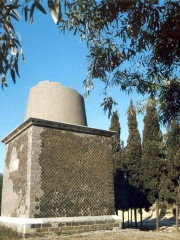
Titus Didius
POLITICIAN
200 BC - 89 BC
HPI : 56.48
Rang : 3,575
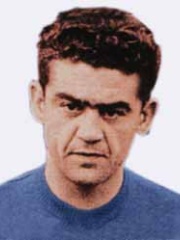
Carlo Annovazzi
SOCCER PLAYER
1925 - 1980
HPI : 56.47
Rang : 3,576
Paolo Soleri
ARCHITECT
1919 - 2013
HPI : 56.46
Rang : 3,577
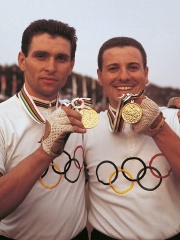
Angelo Damiano
CYCLIST
1938 - présent
HPI : 56.45
Rang : 3,578
Angelo Maria Querini
RELIGIOUS FIGURE
1680 - 1755
HPI : 56.44
Rang : 3,579
Nicola Saggio
RELIGIOUS FIGURE
1650 - 1709
HPI : 56.43
Rang : 3,580
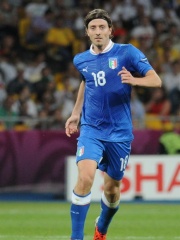
Riccardo Montolivo
SOCCER PLAYER
1985 - présent
HPI : 56.42
Rang : 3,581

Luciano Federici
SOCCER PLAYER
1938 - 2020
HPI : 56.42
Rang : 3,582

Emilio Caprile
SOCCER PLAYER
1928 - 2020
HPI : 56.42
Rang : 3,583
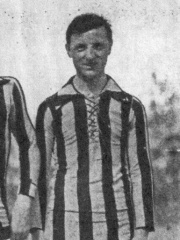
Luigi Cevenini
SOCCER PLAYER
1895 - 1968
HPI : 56.42
Rang : 3,584
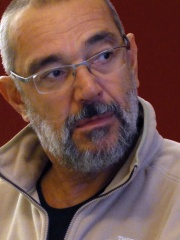
Andrea Benetti
PAINTER
1964 - présent
HPI : 56.41
Rang : 3,585

Giorgio Bassi
RACING DRIVER
1934 - présent
HPI : 56.41
Rang : 3,586
Parmi les Personnalité religieuse en Italie
Parmi les Personnalité religieuse nés en Italie, Nicola Saggio occupe le rang 534. Avant lui viennent Giovanni Nasalli Rocca di Corneliano (1872), Luigi Jacobini (1832), Giorgio Marengo (1974), Niccolò Albergati (null), Angelo Mai (1782), et Angelo Maria Querini (1680). Après lui viennent Luigi De Magistris (1926), Pino Puglisi (1937), Giacomo Capuzzi (1929), Giuseppe Merisi (1938), Gaetano Bedini (1806), et Giovanni Cheli (1918).
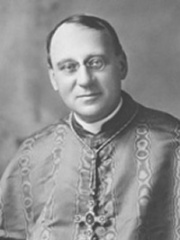
Giovanni Nasalli Rocca di Corneliano
1872 - 1952
HPI : 57.06
Rang : 528
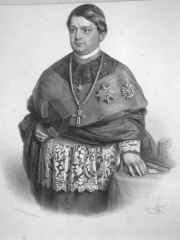
Luigi Jacobini
1832 - 1887
HPI : 56.85
Rang : 529
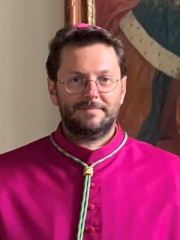
Giorgio Marengo
1974 - présent
HPI : 56.80
Rang : 530
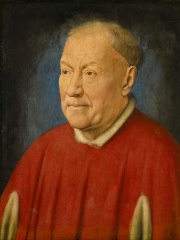
Niccolò Albergati
HPI : 56.73
Rang : 531
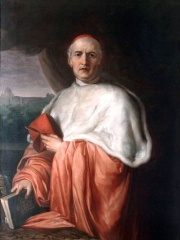
Angelo Mai
1782 - 1854
HPI : 56.65
Rang : 532
Angelo Maria Querini
1680 - 1755
HPI : 56.44
Rang : 533
Nicola Saggio
1650 - 1709
HPI : 56.43
Rang : 534
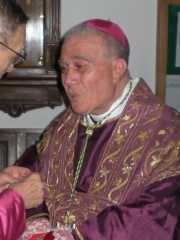
Luigi De Magistris
1926 - 2022
HPI : 56.33
Rang : 535
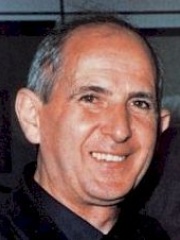
Pino Puglisi
1937 - 1993
HPI : 56.06
Rang : 536
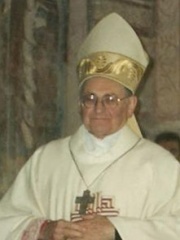
Giacomo Capuzzi
1929 - 2021
HPI : 55.66
Rang : 537
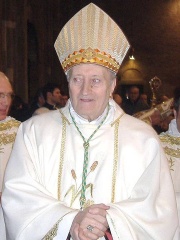
Giuseppe Merisi
1938 - présent
HPI : 55.66
Rang : 538
Gaetano Bedini
1806 - 1864
HPI : 55.44
Rang : 539

Giovanni Cheli
1918 - 2013
HPI : 55.40
Rang : 540




