Compositore
Nicola Piovani
1946 - presente
VISUALIZZAZIONI SU IT.WIKIPEDIA (PV)
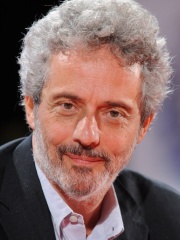
 Nicola Piovani
La sua biografia è disponibile in 21 lingue su Wikipedia (in aumento rispetto a 20 nel 2024). Nicola Piovani è la 990ª compositore più popolare (in calo dal 975ª nel 2024), la 3185ª biografia più popolare dell'Italia (in calo dal 3106ª nel 2019) e la 151ª compositore più popolare dell'Italia.
Metriche di memorabilità
76k
Visualizzazioni
Ultimi 12 mesi
58.39
HPI
Indice di popolarità storica
Dati in evidenza
21
La biografia di Nicola Piovani copre 21 edizioni linguistiche di Wikipedia e ottiene un Indice di Popolarità Storica di 58.39.
Visualizzazioni della pagina di Nicola Piovani per lingua
Tra Compositore
Tra Compositore, Nicola Piovani occupa la posizione 990 su 1,493. Prima di lei ci sono Édouard Deldevez, August Enna, Carlo Rustichelli, Alessandro Rolla, Princess Amalie of Saxony, e Ivan Larionov. Dopo di lei ci sono José Vianna da Motta, Ivan Galamian, Johann Joseph Abert, Ary Barroso, Andreas Hammerschmidt, e Nikolai Zaremba.
Compositore più popolari su Wikipedia
Vai a tutte le classifiche
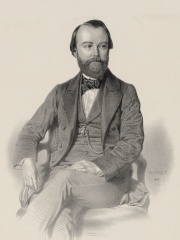
Édouard Deldevez
1817 - 1897
HPI: 58.44
Posizione: 984
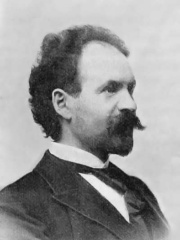
August Enna
1859 - 1939
HPI: 58.43
Posizione: 985

Carlo Rustichelli
1916 - 2004
HPI: 58.43
Posizione: 986
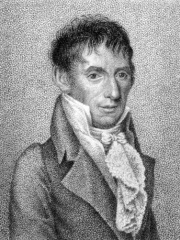
Alessandro Rolla
1757 - 1841
HPI: 58.42
Posizione: 987

Princess Amalie of Saxony
1794 - 1870
HPI: 58.41
Posizione: 988
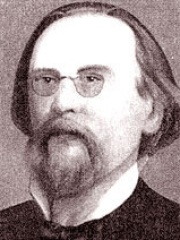
Ivan Larionov
1830 - 1889
HPI: 58.41
Posizione: 989
Nicola Piovani
1946 - presente
HPI: 58.39
Posizione: 990
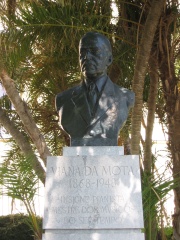
José Vianna da Motta
1868 - 1948
HPI: 58.38
Posizione: 991
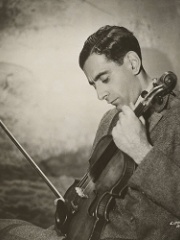
Ivan Galamian
1903 - 1981
HPI: 58.38
Posizione: 992
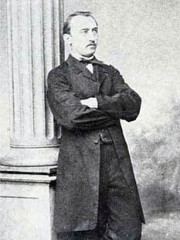
Johann Joseph Abert
1832 - 1915
HPI: 58.36
Posizione: 993
Ary Barroso
1903 - 1964
HPI: 58.32
Posizione: 994
Andreas Hammerschmidt
1611 - 1675
HPI: 58.31
Posizione: 995
Nikolai Zaremba
1821 - 1879
HPI: 58.29
Posizione: 996

Contemporanei
Tra le persone nate nel 1946, Nicola Piovani occupa la posizione 405. Prima di lei ci sono Ado, Ricky Bruch, Hiroshi Ochiai, George Duke, Michel Delpech, e Józef Oleksy. Dopo di lei ci sono Michèle Alliot-Marie, Valentina Tolkunova, Hayley Mills, Sher Bahadur Deuba, Sacheen Littlefeather, e Hiroshi Fujioka.
Altre persone nate nel 1946
Vai a tutte le classifiche
Ado
SOCCER PLAYER
1946 - presente
HPI: 58.60
Posizione: 399
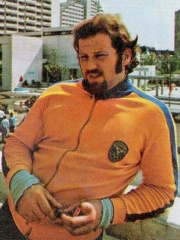
Ricky Bruch
ACTOR
1946 - 2011
HPI: 58.58
Posizione: 400

Hiroshi Ochiai
SOCCER PLAYER
1946 - presente
HPI: 58.55
Posizione: 401

George Duke
MUSICIAN
1946 - 2013
HPI: 58.50
Posizione: 402
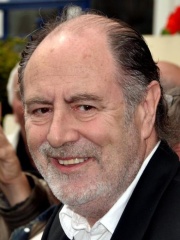
Michel Delpech
SINGER
1946 - 2016
HPI: 58.42
Posizione: 403
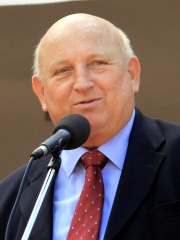
Józef Oleksy
POLITICIAN
1946 - 2015
HPI: 58.39
Posizione: 404
Nicola Piovani
COMPOSER
1946 - presente
HPI: 58.39
Posizione: 405
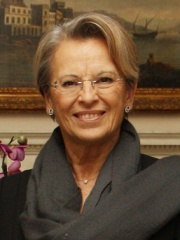
Michèle Alliot-Marie
POLITICIAN
1946 - presente
HPI: 58.38
Posizione: 406
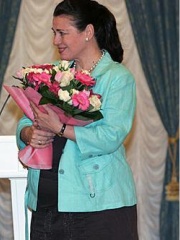
Valentina Tolkunova
SINGER
1946 - 2010
HPI: 58.37
Posizione: 407
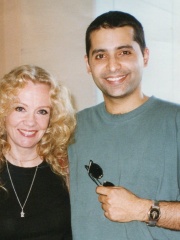
Hayley Mills
ACTOR
1946 - presente
HPI: 58.34
Posizione: 408

Sher Bahadur Deuba
POLITICIAN
1946 - presente
HPI: 58.32
Posizione: 409
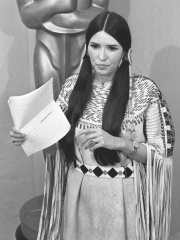
Sacheen Littlefeather
ACTOR
1946 - 2022
HPI: 58.31
Posizione: 410
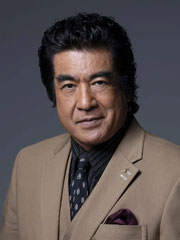
Hiroshi Fujioka
ACTOR
1946 - presente
HPI: 58.28
Posizione: 411
In Italia
Tra le persone nate in Italia, Nicola Piovani occupa la posizione 3,185 su 5,905. Prima di lei ci sono Quintus Marcius Philippus (-229), Alessandro Rolla (1757), Maria Grazia Cucinotta (1968), Giancarlo De Sisti (1943), Vittorio Adorni (1937), e Sempronia (-200). Dopo di lei ci sono Giancarlo Ferrari (1942), Ottavio Bianchi (1943), Ettore Messina (1959), Lucius Marcius Philippus (-141), Lino Banfi (1936), e Bruno Ruffo (1920).
Altre persone nate in Italia
Vai a tutte le classifiche
Quintus Marcius Philippus
POLITICIAN
229 BC - 200 BC
HPI: 58.42
Posizione: 3,179
Alessandro Rolla
COMPOSER
1757 - 1841
HPI: 58.42
Posizione: 3,180
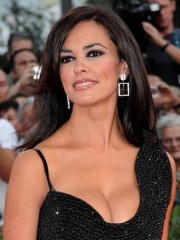
Maria Grazia Cucinotta
ACTOR
1968 - presente
HPI: 58.42
Posizione: 3,181
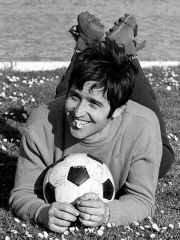
Giancarlo De Sisti
SOCCER PLAYER
1943 - presente
HPI: 58.42
Posizione: 3,182
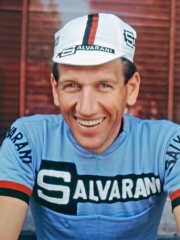
Vittorio Adorni
CYCLIST
1937 - 2022
HPI: 58.41
Posizione: 3,183

Sempronia
POLITICIAN
200 BC - presente
HPI: 58.40
Posizione: 3,184
Nicola Piovani
COMPOSER
1946 - presente
HPI: 58.39
Posizione: 3,185
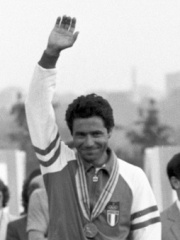
Giancarlo Ferrari
ATHLETE
1942 - presente
HPI: 58.39
Posizione: 3,186
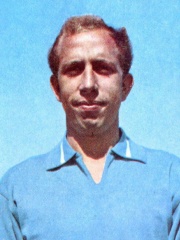
Ottavio Bianchi
SOCCER PLAYER
1943 - presente
HPI: 58.38
Posizione: 3,187

Ettore Messina
BASKETBALL PLAYER
1959 - presente
HPI: 58.37
Posizione: 3,188

Lucius Marcius Philippus
POLITICIAN
141 BC - 73 BC
HPI: 58.37
Posizione: 3,189

Lino Banfi
ACTOR
1936 - presente
HPI: 58.37
Posizione: 3,190
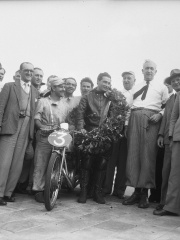
Bruno Ruffo
RACING DRIVER
1920 - 2007
HPI: 58.35
Posizione: 3,191
Tra Compositore in Italia
Tra Compositore nati in Italia, Nicola Piovani occupa la posizione 151. Prima di lei ci sono Giovanni Battista Bassani (1650), Franco Donatoni (1927), Francesco Provenzale (1632), Valentino Fioravanti (1764), Carlo Rustichelli (1916), e Alessandro Rolla (1757). Dopo di lei ci sono Attilio Ariosti (1666), Francesco Araja (1709), Alberto Franchetti (1860), Alessandro Grandi (1586), Marco da Gagliano (1582), e Michele Carafa (1787).
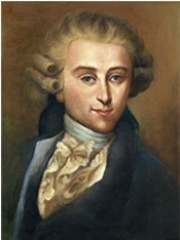
Giovanni Battista Bassani
1650 - 1716
HPI: 58.78
Posizione: 145
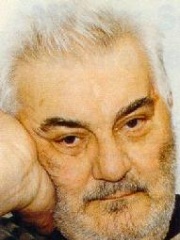
Franco Donatoni
1927 - 2000
HPI: 58.71
Posizione: 146

Francesco Provenzale
1632 - 1704
HPI: 58.59
Posizione: 147
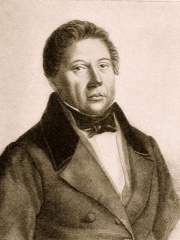
Valentino Fioravanti
1764 - 1837
HPI: 58.48
Posizione: 148
Carlo Rustichelli
1916 - 2004
HPI: 58.43
Posizione: 149
Alessandro Rolla
1757 - 1841
HPI: 58.42
Posizione: 150
Nicola Piovani
1946 - presente
HPI: 58.39
Posizione: 151
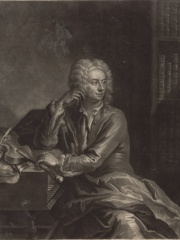
Attilio Ariosti
1666 - 1729
HPI: 58.24
Posizione: 152
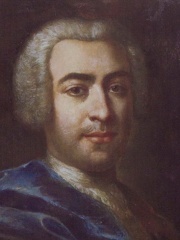
Francesco Araja
1709 - 1770
HPI: 58.09
Posizione: 153
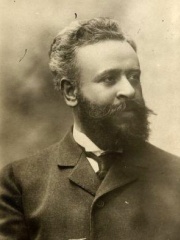
Alberto Franchetti
1860 - 1942
HPI: 57.96
Posizione: 154
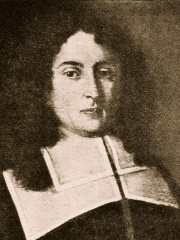
Alessandro Grandi
1586 - 1630
HPI: 57.88
Posizione: 155
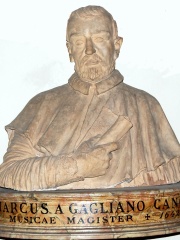
Marco da Gagliano
1582 - 1643
HPI: 57.69
Posizione: 156
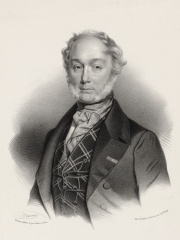
Michele Carafa
1787 - 1872
HPI: 57.65
Posizione: 157




