Politician
Nepotianus
Roman imperial usurper in 350
400 - 350
EN.WIKIPEDIA PAGE VIEWS (PV)
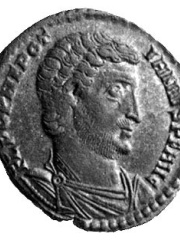
 Nepotianus
His biography is available in 26 different languages on Wikipedia. Nepotianus is the 8,796th most popular politician (down from 7,160th in 2024), the 2,209th most popular biography from Italy (down from 1,913th in 2019) and the 565th most popular Italian Politician.
Memorability Metrics
22k
Page Views
Past 12 months
62.46
HPI
Historical Popularity Index
Page views of Nepotianus by language
Among Politicians
Among politicians, Nepotianus ranks 8,792 out of 19,576. Before him are Marius Jacob, Manuel II of Trebizond, Glaucias of Taulantii, Trpimir I of Croatia, George VIII of Georgia, and Murad Giray. After him are Pyotr Chaadayev, Semiz Ali Pasha, Rafael Casanova, Catherine of Burgundy, Gaius Scribonius Curio, and Renaud de Vichiers.
Most Popular Politicians in Wikipedia
Go to all Rankings
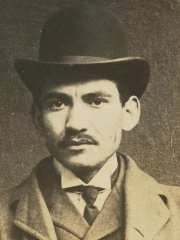
Marius Jacob
1879 - 1954
HPI: 62.46
Rank: 8,790
Manuel II of Trebizond
1324 - 1333
HPI: 62.46
Rank: 8,791
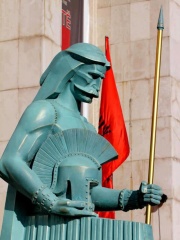
Glaucias of Taulantii
335 BC - 302 BC
HPI: 62.46
Rank: 8,792
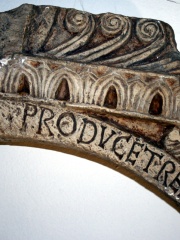
Trpimir I of Croatia
850 - 864
HPI: 62.46
Rank: 8,793

George VIII of Georgia
1417 - 1476
HPI: 62.46
Rank: 8,794

Murad Giray
1627 - 1696
HPI: 62.46
Rank: 8,795
Nepotianus
400 - 350
HPI: 62.46
Rank: 8,796
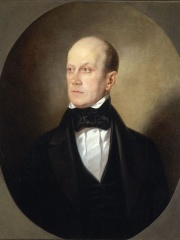
Pyotr Chaadayev
1794 - 1856
HPI: 62.45
Rank: 8,797

Semiz Ali Pasha
HPI: 62.45
Rank: 8,798
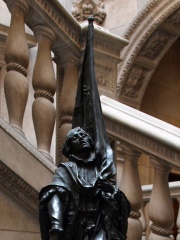
Rafael Casanova
1660 - 1743
HPI: 62.45
Rank: 8,799
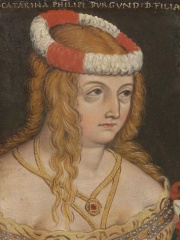
Catherine of Burgundy
1378 - 1425
HPI: 62.45
Rank: 8,800

Gaius Scribonius Curio
124 BC - 53 BC
HPI: 62.45
Rank: 8,801

Renaud de Vichiers
1198 - 1256
HPI: 62.45
Rank: 8,802

Contemporaries
Among people born in 400, Nepotianus ranks 46. Before him are Mawiyya, Varazdat, Saint Fabiola, Anthemius, Charaton, and Gjúki. After him are Asclepigenia, Gainas, Calcidius, Juvencus, Justina, and Eusebia. Among people deceased in 350, Nepotianus ranks 3. Before him are Constans, and Pappus of Alexandria. After him are Sextus Pompeius Festus, Hypatius of Gangra, Eutropia, Nonius Marcellus, and Paul I of Constantinople.
Others Born in 400
Go to all Rankings
Mawiyya
POLITICIAN
400 - 425
HPI: 63.49
Rank: 40
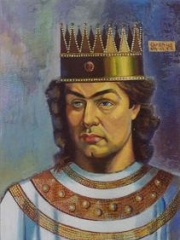
Varazdat
POLITICIAN
400 - 400
HPI: 63.39
Rank: 41
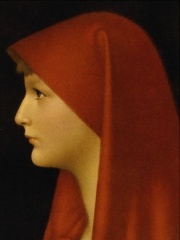
Saint Fabiola
PHYSICIAN
400 - 399
HPI: 63.24
Rank: 42
Anthemius
POLITICIAN
400 - 500
HPI: 62.98
Rank: 43

Charaton
POLITICIAN
400 - 500
HPI: 62.96
Rank: 44

Gjúki
POLITICIAN
400 - 407
HPI: 62.87
Rank: 45
Nepotianus
POLITICIAN
400 - 350
HPI: 62.46
Rank: 46

Asclepigenia
PHILOSOPHER
400 - 500
HPI: 62.40
Rank: 47

Gainas
MILITARY PERSONNEL
400 - 401
HPI: 62.29
Rank: 48
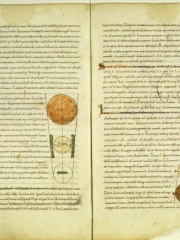
Calcidius
PHILOSOPHER
400 - 500
HPI: 62.26
Rank: 49

Juvencus
WRITER
400 - 400
HPI: 61.98
Rank: 50

Justina
COMPANION
400 - 388
HPI: 61.98
Rank: 51
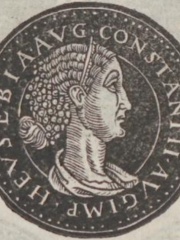
Eusebia
COMPANION
400 - 360
HPI: 61.68
Rank: 52
Others Deceased in 350
Go to all Rankings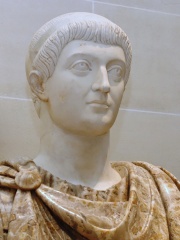
Constans
POLITICIAN
320 - 350
HPI: 79.86
Rank: 1

Pappus of Alexandria
MATHEMATICIAN
290 - 350
HPI: 73.72
Rank: 2
Nepotianus
POLITICIAN
400 - 350
HPI: 62.46
Rank: 3
Sextus Pompeius Festus
WRITER
150 - 350
HPI: 60.93
Rank: 4
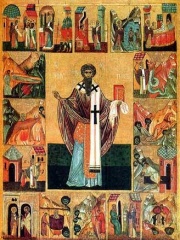
Hypatius of Gangra
RELIGIOUS FIGURE
300 - 350
HPI: 59.31
Rank: 5

Eutropia
NOBLEMAN
HPI: 59.05
Rank: 6

Nonius Marcellus
WRITER
300 - 350
HPI: 58.83
Rank: 7

Paul I of Constantinople
RELIGIOUS FIGURE
HPI: 56.57
Rank: 8
In Italy
Among people born in Italy, Nepotianus ranks 2,209 out of NaN. Before him are Walter de Silva (1951), Alberto Lattuada (1914), Adriana Asti (1931), Orso Ipato (726), Servius Sulpicius Galba (-190), and Giuseppe Giacosa (1847). After him are Dacia Maraini (1936), Amadeo Bordiga (1889), Matteo Renzi (1975), Vincenzo Montella (1974), Coppo di Marcovaldo (1225), and Giovanni Spadolini (1925).
Others born in Italy
Go to all Rankings
Walter de Silva
POLITICIAN
1951 - Present
HPI: 62.49
Rank: 2,203
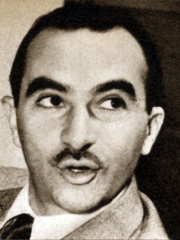
Alberto Lattuada
FILM DIRECTOR
1914 - 2005
HPI: 62.48
Rank: 2,204

Adriana Asti
ACTOR
1931 - 2025
HPI: 62.47
Rank: 2,205
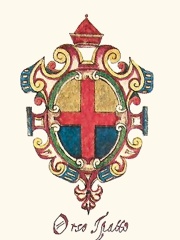
Orso Ipato
POLITICIAN
726 - 737
HPI: 62.47
Rank: 2,206

Servius Sulpicius Galba
POLITICIAN
190 BC - 130 BC
HPI: 62.46
Rank: 2,207
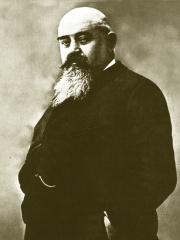
Giuseppe Giacosa
WRITER
1847 - 1906
HPI: 62.46
Rank: 2,208
Nepotianus
POLITICIAN
400 - 350
HPI: 62.46
Rank: 2,209
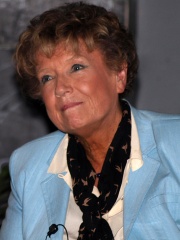
Dacia Maraini
WRITER
1936 - Present
HPI: 62.45
Rank: 2,210
Amadeo Bordiga
POLITICIAN
1889 - 1970
HPI: 62.44
Rank: 2,211
Matteo Renzi
POLITICIAN
1975 - Present
HPI: 62.43
Rank: 2,212

Vincenzo Montella
SOCCER PLAYER
1974 - Present
HPI: 62.42
Rank: 2,213
Coppo di Marcovaldo
PAINTER
1225 - 1276
HPI: 62.41
Rank: 2,214
Giovanni Spadolini
POLITICIAN
1925 - 1994
HPI: 62.41
Rank: 2,215
Among Politicians In Italy
Among politicians born in Italy, Nepotianus ranks 565. Before him are Liutpert (680), Aripert II (680), Victor Amadeus II, Prince of Carignano (1743), Walter de Silva (1951), Orso Ipato (726), and Servius Sulpicius Galba (-190). After him are Amadeo Bordiga (1889), Matteo Renzi (1975), Giovanni Spadolini (1925), Archduke Karl Salvator of Austria (1839), Cesare Mori (1871), and Manlio Brosio (1897).

Liutpert
680 - 702
HPI: 62.54
Rank: 559

Aripert II
680 - 712
HPI: 62.52
Rank: 560
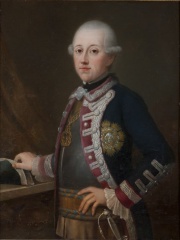
Victor Amadeus II, Prince of Carignano
1743 - 1780
HPI: 62.51
Rank: 561
Walter de Silva
1951 - Present
HPI: 62.49
Rank: 562
Orso Ipato
726 - 737
HPI: 62.47
Rank: 563
Servius Sulpicius Galba
190 BC - 130 BC
HPI: 62.46
Rank: 564
Nepotianus
400 - 350
HPI: 62.46
Rank: 565
Amadeo Bordiga
1889 - 1970
HPI: 62.44
Rank: 566
Matteo Renzi
1975 - Present
HPI: 62.43
Rank: 567
Giovanni Spadolini
1925 - 1994
HPI: 62.41
Rank: 568
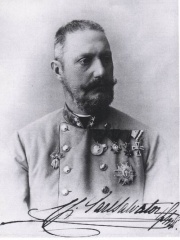
Archduke Karl Salvator of Austria
1839 - 1892
HPI: 62.40
Rank: 569
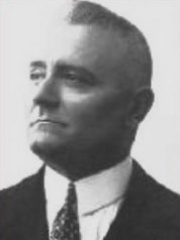
Cesare Mori
1871 - 1942
HPI: 62.40
Rank: 570
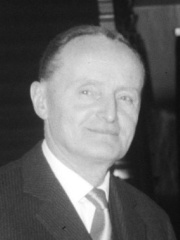
Manlio Brosio
1897 - 1980
HPI: 62.39
Rank: 571




