Politiker
Mohammed Magariaf
1940 - heute
DE.WIKIPEDIA-SEITENAUFRUFE (PV)
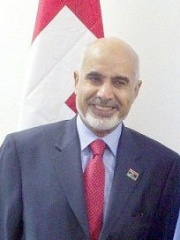
 Mohammed Magariaf
Seine Biografie ist in 19 verschiedenen Sprachen auf Wikipedia verfügbar. Mohammed Magariaf ist der 8,898th beliebteste Politiker (gestiegen vom 11,275th im Jahr 2024), die 33rd beliebteste Biografie aus Libyen (gestiegen vom 38th im Jahr 2019) und der 14th beliebteste aus Libyen Politiker.
Bekanntheitsmetriken
39k
Seitenaufrufe
Letzte 12 Monate
62.37
HPI
Historischer Popularitätsindex
Daten-Einblicke
+9,247
Mohammed Magariaf stieg in der globalen HPI-Rangliste von Pantheon um 9,247 Plätze, von Platz 36,951 auf Platz 27,735.
Seitenaufrufe von Mohammed Magariaf nach Sprache
Unter Politiker
Unter Politiker belegt Mohammed Magariaf Rang 8,894 von 20,022. Vor ihm stehen Élisabeth Borne, Welf II, Duke of Bavaria, Gaius Julius Priscus, Ghazi Mashal Ajil al-Yawer, Phoolan Devi, und James S. Sherman. Nach ihm folgen Manuel III of Trebizond, Albert Pintat, Sekhemre-Wepmaat Intef, Anacharsis Cloots, Kujō Yoritsune, und Turhan Pasha Përmeti.
Die beliebtesten Politiker auf Wikipedia
Zu allen Ranglisten

Élisabeth Borne
1961 - heute
HPI: 62.37
Rang: 8,892
Welf II, Duke of Bavaria
1072 - 1120
HPI: 62.37
Rang: 8,893

Gaius Julius Priscus
250 - 251
HPI: 62.37
Rang: 8,894
Ghazi Mashal Ajil al-Yawer
1958 - heute
HPI: 62.37
Rang: 8,895

Phoolan Devi
1963 - 2001
HPI: 62.37
Rang: 8,896
James S. Sherman
1855 - 1912
HPI: 62.37
Rang: 8,897
Mohammed Magariaf
1940 - heute
HPI: 62.37
Rang: 8,898
Manuel III of Trebizond
1364 - 1417
HPI: 62.36
Rang: 8,899
Albert Pintat
1943 - heute
HPI: 62.36
Rang: 8,900
Sekhemre-Wepmaat Intef
1600 BC - 1600 BC
HPI: 62.36
Rang: 8,901
Anacharsis Cloots
1755 - 1794
HPI: 62.36
Rang: 8,902

Kujō Yoritsune
1218 - 1256
HPI: 62.36
Rang: 8,903
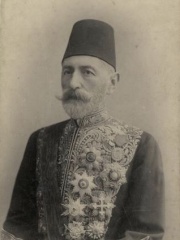
Turhan Pasha Përmeti
1846 - heute
HPI: 62.36
Rang: 8,904

Zeitgenossen
Unter den im Jahr 1940 Geborenen belegt Mohammed Magariaf Rang 174. Vor ihm stehen Pedro Rodríguez, Gloria Leonard, Muhammad Saeed al-Sahhaf, Prince Sixtus Henry of Bourbon-Parma, Jan Janssen, und James Herbert Brennan. Nach ihm folgen James L. Brooks, Dan Hedaya, José van Dam, Haing S. Ngor, Charles T. Kowal, und Fouad Twal.
Weitere im Jahr 1940 Geborene
Zu allen Ranglisten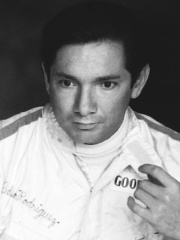
Pedro Rodríguez
RACING DRIVER
1940 - 1971
HPI: 62.78
Rang: 168
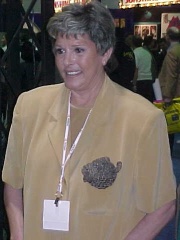
Gloria Leonard
PORNOGRAPHIC ACTOR
1940 - 2014
HPI: 62.74
Rang: 169
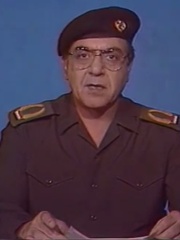
Muhammad Saeed al-Sahhaf
POLITICIAN
1940 - 2021
HPI: 62.65
Rang: 170
Prince Sixtus Henry of Bourbon-Parma
NOBLEMAN
1940 - heute
HPI: 62.61
Rang: 171

Jan Janssen
CYCLIST
1940 - heute
HPI: 62.49
Rang: 172

James Herbert Brennan
WRITER
1940 - 2024
HPI: 62.38
Rang: 173
Mohammed Magariaf
POLITICIAN
1940 - heute
HPI: 62.37
Rang: 174
James L. Brooks
FILM DIRECTOR
1940 - heute
HPI: 62.36
Rang: 175

Dan Hedaya
ACTOR
1940 - heute
HPI: 62.29
Rang: 176

José van Dam
SINGER
1940 - 2026
HPI: 62.16
Rang: 177
Haing S. Ngor
ACTOR
1940 - 1996
HPI: 62.09
Rang: 178

Charles T. Kowal
ASTRONOMER
1940 - 2011
HPI: 62.05
Rang: 179
Fouad Twal
RELIGIOUS FIGURE
1940 - heute
HPI: 62.05
Rang: 180
In Libyen
Unter den in Libyen Geborenen belegt Mohammed Magariaf Rang 33 von 86. Vor ihm stehen Ali Zeidan (1950), Baghdadi Mahmudi (1945), Hodierna of Jerusalem (1110), Gaius Fulvius Plautianus (150), Safia Farkash (1952), und Pedubast I (-900). Nach ihm folgen Lucius Annaeus Cornutus (10), Saif al-Islam Gaddafi (1972), Abdul Fatah Younis (1944), Muhammad az-Zanati (1944), Abdul Hamid Dbeibeh (1958), und Ibn Manzur (1233).
Weitere in Libyen geborene Personen
Zu allen Ranglisten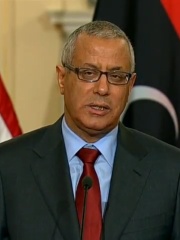
Ali Zeidan
POLITICIAN
1950 - heute
HPI: 63.50
Rang: 27
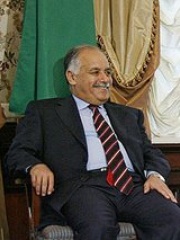
Baghdadi Mahmudi
POLITICIAN
1945 - heute
HPI: 63.43
Rang: 28
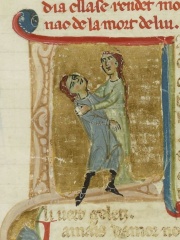
Hodierna of Jerusalem
POLITICIAN
1110 - 1164
HPI: 63.38
Rang: 29
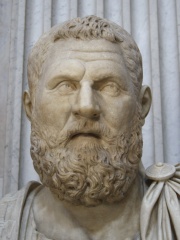
Gaius Fulvius Plautianus
POLITICIAN
150 - 205
HPI: 63.26
Rang: 30
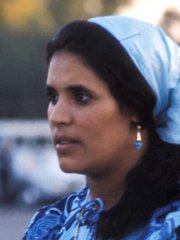
Safia Farkash
COMPANION
1952 - heute
HPI: 62.75
Rang: 31
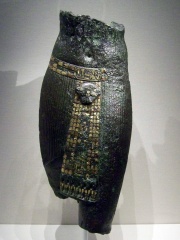
Pedubast I
POLITICIAN
900 BC - 793 BC
HPI: 62.43
Rang: 32
Mohammed Magariaf
POLITICIAN
1940 - heute
HPI: 62.37
Rang: 33

Lucius Annaeus Cornutus
PHILOSOPHER
10 - 80
HPI: 62.08
Rang: 34
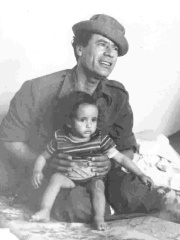
Saif al-Islam Gaddafi
POLITICIAN
1972 - 2026
HPI: 62.04
Rang: 35
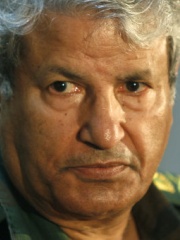
Abdul Fatah Younis
MILITARY PERSONNEL
1944 - 2011
HPI: 61.73
Rang: 36
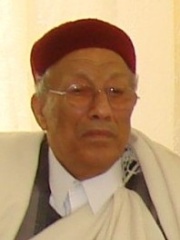
Muhammad az-Zanati
POLITICIAN
1944 - 2025
HPI: 61.51
Rang: 37
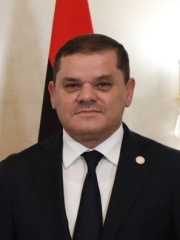
Abdul Hamid Dbeibeh
POLITICIAN
1958 - heute
HPI: 60.93
Rang: 38

Ibn Manzur
WRITER
1233 - 1312
HPI: 60.90
Rang: 39
Unter Politiker in Libyen
Unter den in Libyen geborenen Politiker belegt Mohammed Magariaf Rang 14. Vor ihm stehen Fayez al-Sarraj (1960), Ali Zeidan (1950), Baghdadi Mahmudi (1945), Hodierna of Jerusalem (1110), Gaius Fulvius Plautianus (150), und Pedubast I (-900). Nach ihm folgen Saif al-Islam Gaddafi (1972), Muhammad az-Zanati (1944), Abdul Hamid Dbeibeh (1958), Abdul Ati al-Obeidi (1939), Ptolemy Apion (-101), und Abdurrahim El-Keib (1950).
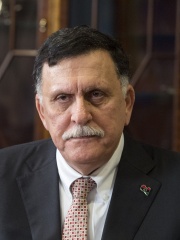
Fayez al-Sarraj
1960 - heute
HPI: 64.89
Rang: 8
Ali Zeidan
1950 - heute
HPI: 63.50
Rang: 9
Baghdadi Mahmudi
1945 - heute
HPI: 63.43
Rang: 10
Hodierna of Jerusalem
1110 - 1164
HPI: 63.38
Rang: 11
Gaius Fulvius Plautianus
150 - 205
HPI: 63.26
Rang: 12
Pedubast I
900 BC - 793 BC
HPI: 62.43
Rang: 13
Mohammed Magariaf
1940 - heute
HPI: 62.37
Rang: 14
Saif al-Islam Gaddafi
1972 - 2026
HPI: 62.04
Rang: 15
Muhammad az-Zanati
1944 - 2025
HPI: 61.51
Rang: 16
Abdul Hamid Dbeibeh
1958 - heute
HPI: 60.93
Rang: 17
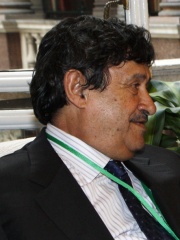
Abdul Ati al-Obeidi
1939 - 2023
HPI: 60.77
Rang: 18
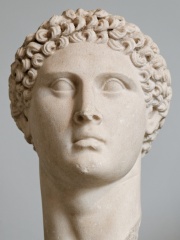
Ptolemy Apion
101 BC - 96 BC
HPI: 60.36
Rang: 19
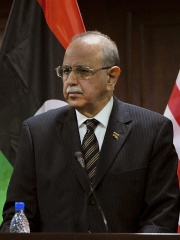
Abdurrahim El-Keib
1950 - 2020
HPI: 59.89
Rang: 20




