Military Personnel
Michael Mullen
U.S. Navy admiral and 17th Chairman of the Joint Chiefs of Staff
1946 - today
EN.WIKIPEDIA PAGE VIEWS (PV)
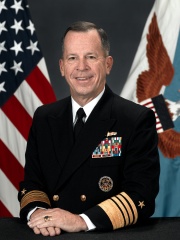

 Michael Mullen
His biography is available in 22 different languages on Wikipedia. Michael Mullen is the 1,927th most popular military personnel (down from 1,868th in 2024), the 8,710th most popular biography from United States (down from 8,061st in 2019) and the 139th most popular American Military Personnel.
Memorability Metrics
75k
Page Views
Past 12 months
54.38
HPI
Historical Popularity Index
Page views of Michael Mullen by language
Among Military Personnels
Among military personnels, Michael Mullen ranks 1,927 out of 2,058. Before him are Marcellinus, Martin Dempsey, Johannes Block, Mariya Smirnova, Israel Putnam, and Herbert Plumer, 1st Viscount Plumer. After him are Adasi, Hugh Gough, 1st Viscount Gough, Henry FitzRoy, 1st Duke of Grafton, Aziz Nasirzadeh, John Harding, 1st Baron Harding of Petherton, and Franz Sigel.
Most Popular Military Personnels in Wikipedia
Go to all Rankings
Marcellinus
500 - 468
HPI: 54.45
Rank: 1,921
Martin Dempsey
1952 - Present
HPI: 54.45
Rank: 1,922
Johannes Block
1894 - 1945
HPI: 54.45
Rank: 1,923
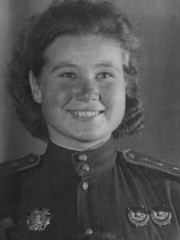
Mariya Smirnova
1920 - 2002
HPI: 54.44
Rank: 1,924
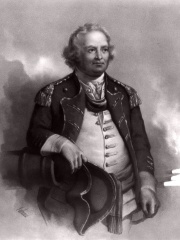
Israel Putnam
1718 - 1790
HPI: 54.42
Rank: 1,925
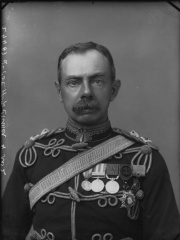
Herbert Plumer, 1st Viscount Plumer
1857 - 1932
HPI: 54.42
Rank: 1,926
Michael Mullen
1946 - Present
HPI: 54.38
Rank: 1,927

Adasi
1750 BC - 2000 BC
HPI: 54.37
Rank: 1,928
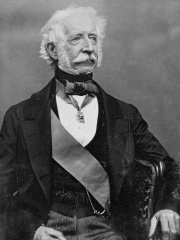
Hugh Gough, 1st Viscount Gough
1779 - 1869
HPI: 54.35
Rank: 1,929
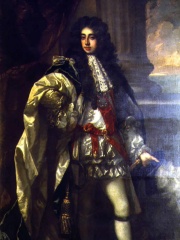
Henry FitzRoy, 1st Duke of Grafton
1663 - 1690
HPI: 54.32
Rank: 1,930

Aziz Nasirzadeh
1964 - 2026
HPI: 54.32
Rank: 1,931
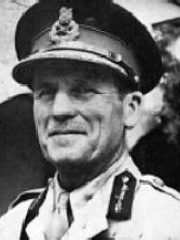
John Harding, 1st Baron Harding of Petherton
1896 - 1989
HPI: 54.30
Rank: 1,932
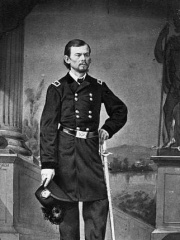
Franz Sigel
1824 - 1902
HPI: 54.29
Rank: 1,933

Contemporaries
Among people born in 1946, Michael Mullen ranks 621. Before him are Supachai Panitchpakdi, Isamu Sonoda, Abdul Qadir Bajamal, Graham Gouldman, Shahrnush Parsipur, and Héctor Veira. After him are Renzo Eusebi, Pearlette Louisy, Jo Jo White, Oganes Zanazanyan, Nader Al-Dahabi, and Jan Werner.
Others Born in 1946
Go to all Rankings
Supachai Panitchpakdi
POLITICIAN
1946 - Present
HPI: 54.45
Rank: 615

Isamu Sonoda
POLITICIAN
1946 - Present
HPI: 54.45
Rank: 616

Abdul Qadir Bajamal
POLITICIAN
1946 - 2020
HPI: 54.42
Rank: 617

Graham Gouldman
MUSICIAN
1946 - Present
HPI: 54.40
Rank: 618

Shahrnush Parsipur
WRITER
1946 - 2026
HPI: 54.39
Rank: 619

Héctor Veira
SOCCER PLAYER
1946 - Present
HPI: 54.39
Rank: 620
Michael Mullen
MILITARY PERSONNEL
1946 - Present
HPI: 54.38
Rank: 621

Renzo Eusebi
ARTIST
1946 - Present
HPI: 54.37
Rank: 622
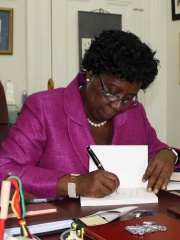
Pearlette Louisy
POLITICIAN
1946 - Present
HPI: 54.36
Rank: 623
Jo Jo White
BASKETBALL PLAYER
1946 - 2018
HPI: 54.34
Rank: 624

Oganes Zanazanyan
SOCCER PLAYER
1946 - 2015
HPI: 54.33
Rank: 625
Nader Al-Dahabi
POLITICIAN
1946 - Present
HPI: 54.28
Rank: 626

Jan Werner
ATHLETE
1946 - 2014
HPI: 54.28
Rank: 627
In United States
Among people born in United States, Michael Mullen ranks 8,710 out of NaN. Before him are Jonathan Brandis (1976), Bronson Pinchot (1959), Buddy DeFranco (1923), Avery Dulles (1918), Kitty Winn (1944), and Chill Wills (1902). After him are Nick Wechsler (1978), Karl Patterson Schmidt (1890), Michael Franks (1944), Stephen Colbert (1964), Arthur L. Newton (1883), and LA Knight (1982).
Others born in United States
Go to all Rankings
Jonathan Brandis
ACTOR
1976 - 2003
HPI: 54.39
Rank: 8,704
Bronson Pinchot
ACTOR
1959 - Present
HPI: 54.39
Rank: 8,705
Buddy DeFranco
MUSICIAN
1923 - 2014
HPI: 54.38
Rank: 8,706
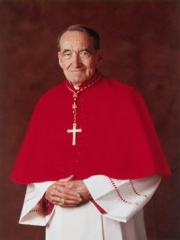
Avery Dulles
RELIGIOUS FIGURE
1918 - 2008
HPI: 54.38
Rank: 8,707

Kitty Winn
ACTOR
1944 - Present
HPI: 54.38
Rank: 8,708
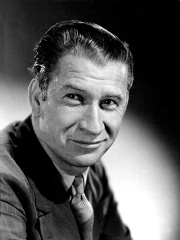
Chill Wills
ACTOR
1902 - 1978
HPI: 54.38
Rank: 8,709
Michael Mullen
MILITARY PERSONNEL
1946 - Present
HPI: 54.38
Rank: 8,710

Nick Wechsler
ACTOR
1978 - Present
HPI: 54.38
Rank: 8,711

Karl Patterson Schmidt
BIOLOGIST
1890 - 1957
HPI: 54.38
Rank: 8,712

Michael Franks
MUSICIAN
1944 - Present
HPI: 54.37
Rank: 8,713
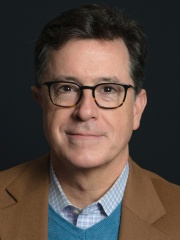
Stephen Colbert
PRESENTER
1964 - Present
HPI: 54.37
Rank: 8,714
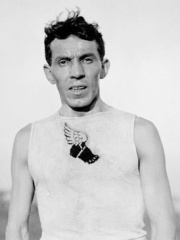
Arthur L. Newton
ATHLETE
1883 - 1950
HPI: 54.37
Rank: 8,715

LA Knight
WRESTLER
1982 - Present
HPI: 54.37
Rank: 8,716
Among Military Personnels In United States
Among military personnels born in United States, Michael Mullen ranks 139. Before him are Richard Marcinko (1940), Richard S. Ewell (1817), George Crook (1828), A. P. Hill (1825), Martin Dempsey (1952), and Israel Putnam (1718). After him are Robert L. Eichelberger (1886), Charles Q. Brown Jr. (1962), Elmo Zumwalt (1920), James Stockdale (1923), Nathan Hale (1755), and Moe Berg (1902).
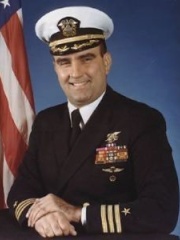
Richard Marcinko
1940 - 2021
HPI: 54.68
Rank: 133
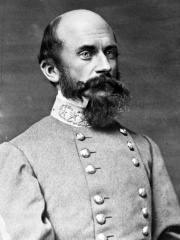
Richard S. Ewell
1817 - 1872
HPI: 54.68
Rank: 134
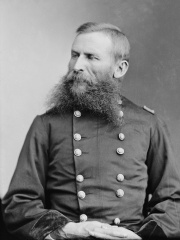
George Crook
1828 - 1890
HPI: 54.63
Rank: 135
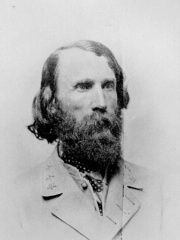
A. P. Hill
1825 - 1865
HPI: 54.59
Rank: 136
Martin Dempsey
1952 - Present
HPI: 54.45
Rank: 137
Israel Putnam
1718 - 1790
HPI: 54.42
Rank: 138
Michael Mullen
1946 - Present
HPI: 54.38
Rank: 139
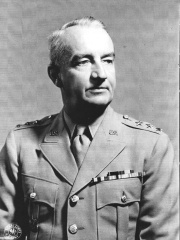
Robert L. Eichelberger
1886 - 1961
HPI: 54.17
Rank: 140

Charles Q. Brown Jr.
1962 - Present
HPI: 54.07
Rank: 141
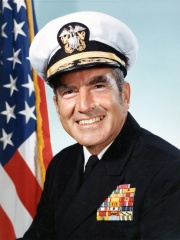
Elmo Zumwalt
1920 - 2000
HPI: 53.96
Rank: 142
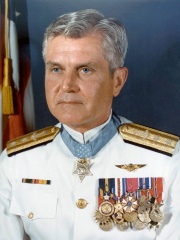
James Stockdale
1923 - 2005
HPI: 53.95
Rank: 143
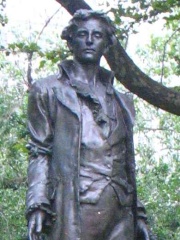
Nathan Hale
1755 - 1776
HPI: 53.81
Rank: 144
Moe Berg
1902 - 1972
HPI: 53.78
Rank: 145




