Jogador de futebol
Mauro Zárate
1987 - presente
PT.WIKIPEDIA PAGE VIEWS (PV)
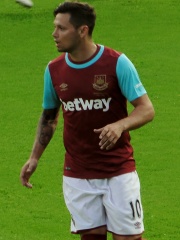

 Mauro Zárate
Sua biografia está disponível em 36 idiomas na Wikipédia. Mauro Zárate é o 5684º jogador de futebol mais popular (caiu do 4718º em 2024), a 645ª biografia mais popular da Argentina (caiu do 592ª em 2019) e o 316º jogador de futebol mais popular da Argentina.
Memorability Metrics
170k
Page Views
Past 12 months
51.52
HPI
Historical Popularity Index
Page views of Mauro Zárate by language
Among Jogador de futebols
Among jogador de futebols, Mauro Zárate ranks 5,678 out of 21,273. Before him are Iulian Filipescu, Tamon Machida, Igor Jovićević, Basri Dirimlili, Adel Taarabt, and Pedro Monzón. After him are Abderraouf Ben Aziza, Andrzej Fischer, Noni Madueke, Abderrazak Hamdallah, Fabrizio Miccoli, and Jacek Bąk.
Most Popular Jogador De Futebols in Wikipedia
Go to all Rankings

Iulian Filipescu
1974 - Present
HPI: 51.52
Rank: 5,678

Tamon Machida
1982 - Present
HPI: 51.52
Rank: 5,679
Igor Jovićević
1973 - Present
HPI: 51.52
Rank: 5,680
Basri Dirimlili
1929 - 1997
HPI: 51.52
Rank: 5,681
Adel Taarabt
1989 - Present
HPI: 51.52
Rank: 5,682

Pedro Monzón
1962 - Present
HPI: 51.52
Rank: 5,683
Mauro Zárate
1987 - Present
HPI: 51.52
Rank: 5,684
Abderraouf Ben Aziza
1953 - Present
HPI: 51.52
Rank: 5,685

Andrzej Fischer
1952 - 2018
HPI: 51.52
Rank: 5,686

Noni Madueke
2002 - Present
HPI: 51.52
Rank: 5,687
Abderrazak Hamdallah
1990 - Present
HPI: 51.51
Rank: 5,688
Fabrizio Miccoli
1979 - Present
HPI: 51.51
Rank: 5,689
Jacek Bąk
1973 - Present
HPI: 51.51
Rank: 5,690

Contemporaries
Among people born in 1987, Mauro Zárate ranks 159. Before him are Giuseppe Rossi, Ott Tänak, Kagney Linn Karter, Sergio Llull, Marianne Vos, and Múte Bourup Egede. After him are Sidney Crosby, Hadi Choopan, Mackenzie Davis, Ádám Szalai, Wiz Khalifa, and Tatjana Maria.
Others Born in 1987
Go to all Rankings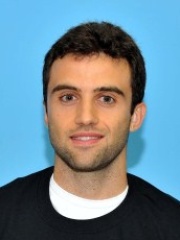
Giuseppe Rossi
SOCCER PLAYER
1987 - Present
HPI: 51.63
Rank: 153

Ott Tänak
RACING DRIVER
1987 - Present
HPI: 51.61
Rank: 154

Kagney Linn Karter
PORNOGRAPHIC ACTOR
1987 - 2024
HPI: 51.58
Rank: 155
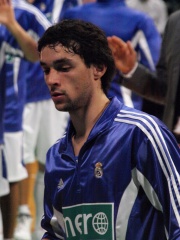
Sergio Llull
BASKETBALL PLAYER
1987 - Present
HPI: 51.55
Rank: 156
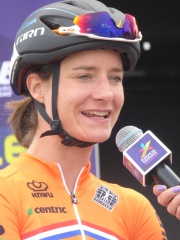
Marianne Vos
CYCLIST
1987 - Present
HPI: 51.53
Rank: 157

Múte Bourup Egede
POLITICIAN
1987 - Present
HPI: 51.52
Rank: 158
Mauro Zárate
SOCCER PLAYER
1987 - Present
HPI: 51.52
Rank: 159

Sidney Crosby
HOCKEY PLAYER
1987 - Present
HPI: 51.47
Rank: 160

Hadi Choopan
ATHLETE
1987 - Present
HPI: 51.43
Rank: 161
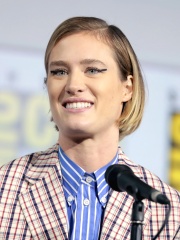
Mackenzie Davis
ACTOR
1987 - Present
HPI: 51.36
Rank: 162
Ádám Szalai
SOCCER PLAYER
1987 - Present
HPI: 51.35
Rank: 163

Wiz Khalifa
SINGER
1987 - Present
HPI: 51.35
Rank: 164
Tatjana Maria
TENNIS PLAYER
1987 - Present
HPI: 51.25
Rank: 165
In Argentina
Among people born in Argentina, Mauro Zárate ranks 645 out of NaN. Before him are Luis Izzeta (1903), José Sosa (1985), Gerónimo Rulli (1992), Santiago Giménez (2001), Luis Martínez (null), and Pedro Monzón (1962). After him are Leandro Cufré (1978), Guillermo Lovell (1918), Julio Bolbochán (1920), Mariano Puerta (1978), Luis Scola (1980), and Daniel Castellani (1961).
Others born in Argentina
Go to all Rankings
Luis Izzeta
SOCCER PLAYER
1903 - Present
HPI: 51.67
Rank: 639
José Sosa
SOCCER PLAYER
1985 - Present
HPI: 51.64
Rank: 640

Gerónimo Rulli
SOCCER PLAYER
1992 - Present
HPI: 51.64
Rank: 641

Santiago Giménez
SOCCER PLAYER
2001 - Present
HPI: 51.60
Rank: 642

Luis Martínez
ATHLETE
HPI: 51.58
Rank: 643
Pedro Monzón
SOCCER PLAYER
1962 - Present
HPI: 51.52
Rank: 644
Mauro Zárate
SOCCER PLAYER
1987 - Present
HPI: 51.52
Rank: 645

Leandro Cufré
SOCCER PLAYER
1978 - Present
HPI: 51.50
Rank: 646
Guillermo Lovell
BOXER
1918 - 1967
HPI: 51.49
Rank: 647
Julio Bolbochán
CHESS PLAYER
1920 - 1996
HPI: 51.39
Rank: 648

Mariano Puerta
TENNIS PLAYER
1978 - Present
HPI: 51.30
Rank: 649

Luis Scola
BASKETBALL PLAYER
1980 - Present
HPI: 51.28
Rank: 650
Daniel Castellani
VOLLEYBALL PLAYER
1961 - Present
HPI: 51.28
Rank: 651
Among Jogador de futebols In Argentina
Among jogador de futebols born in Argentina, Mauro Zárate ranks 316. Before him are Luis Islas (1965), Luis Izzeta (1903), José Sosa (1985), Gerónimo Rulli (1992), Santiago Giménez (2001), and Pedro Monzón (1962). After him are Leandro Cufré (1978), Héctor Zelada (1957), Sergio Omar Almirón (1958), Patricio Hernández (1956), Juan Simón (1960), and Giovani Lo Celso (1996).
Luis Islas
1965 - Present
HPI: 51.69
Rank: 310
Luis Izzeta
1903 - Present
HPI: 51.67
Rank: 311
José Sosa
1985 - Present
HPI: 51.64
Rank: 312
Gerónimo Rulli
1992 - Present
HPI: 51.64
Rank: 313
Santiago Giménez
2001 - Present
HPI: 51.60
Rank: 314
Pedro Monzón
1962 - Present
HPI: 51.52
Rank: 315
Mauro Zárate
1987 - Present
HPI: 51.52
Rank: 316
Leandro Cufré
1978 - Present
HPI: 51.50
Rank: 317
Héctor Zelada
1957 - Present
HPI: 51.07
Rank: 318
Sergio Omar Almirón
1958 - Present
HPI: 51.06
Rank: 319
Patricio Hernández
1956 - Present
HPI: 51.06
Rank: 320
Juan Simón
1960 - Present
HPI: 51.05
Rank: 321

Giovani Lo Celso
1996 - Present
HPI: 50.92
Rank: 322




