Filosofo
Matthias Bel
1684 - 1749
VISUALIZZAZIONI SU IT.WIKIPEDIA (PV)
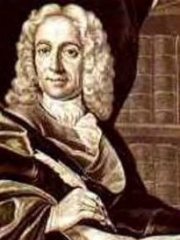
 Matthias Bel
La sua biografia è disponibile in 17 lingue su Wikipedia. Matthias Bel è il 916° filosofo più popolare (in aumento dal 922° nel 2024), la 109ª biografia più popolare della Slovacchia (in calo dal 98ª nel 2019) e il 2° filosofo più popolare della Slovacchia.
Metriche di memorabilità
21k
Visualizzazioni
Ultimi 12 mesi
60.03
HPI
Indice di popolarità storica
Dati in evidenza
#1
Matthias Bel è la personalità più memorabile tra le 2 persone illustri nate a Očová, in quella che è oggi Slovacchia, davanti a Jozef Moravčík.
#37,053
A oltre 2 secoli dalla morte, Matthias Bel occupa ancora la posizione n. 37,053 tra tutte le personalità di Pantheon.
22 mar
Matthias Bel condivide il compleanno (22 marzo) con William I, German Emperor, Maximilian I, Holy Roman Emperor e Anthony van Dyck.
Visualizzazioni della pagina di Matthias Bel per lingua
Tra Filosofo
Tra Filosofo, Matthias Bel occupa la posizione 916 su 1,267. Prima di lui ci sono Tan Sitong, Jakob Friedrich Fries, Gottlob Ernst Schulze, Valentin Weigel, Leontion, e Pierre Nicole. Dopo di lui ci sono Abu Sulayman Sijistani, Sengzhao, Heinrich Khunrath, Ramiro Ledesma Ramos, Abu al-Hassan al-Amiri, e Martin Lings.
Filosofo più popolari su Wikipedia
Vai a tutte le classifiche
Tan Sitong
1865 - 1898
HPI: 60.19
Posizione: 910
Jakob Friedrich Fries
1773 - 1843
HPI: 60.16
Posizione: 911
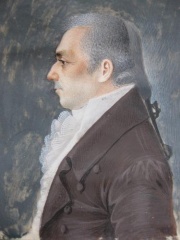
Gottlob Ernst Schulze
1761 - 1833
HPI: 60.11
Posizione: 912
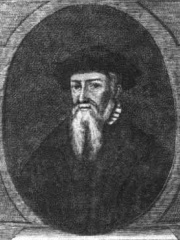
Valentin Weigel
1533 - 1588
HPI: 60.07
Posizione: 913
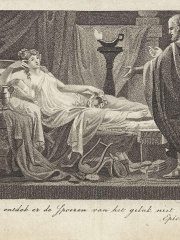
Leontion
400 BC - 360 BC
HPI: 60.07
Posizione: 914
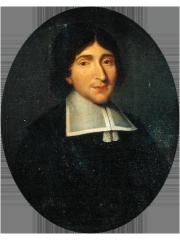
Pierre Nicole
1625 - 1695
HPI: 60.04
Posizione: 915
Matthias Bel
1684 - 1749
HPI: 60.03
Posizione: 916

Abu Sulayman Sijistani
932 - 1000
HPI: 60.03
Posizione: 917

Sengzhao
384 - 414
HPI: 60.01
Posizione: 918
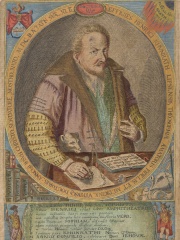
Heinrich Khunrath
1560 - 1605
HPI: 59.99
Posizione: 919
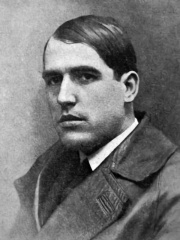
Ramiro Ledesma Ramos
1905 - 1936
HPI: 59.95
Posizione: 920

Abu al-Hassan al-Amiri
913 - 992
HPI: 59.91
Posizione: 921
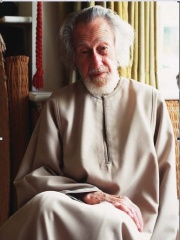
Martin Lings
1909 - 2005
HPI: 59.90
Posizione: 922

Contemporanei
Tra le persone nate nel 1684, Matthias Bel occupa la posizione 17. Prima di lui ci sono Jean-Baptiste van Loo, Kimpa Vita, Robert Maynard, Wilhelm Reinhard von Neipperg, Charles Louis Auguste Fouquet, duc de Belle-Isle, e Bohuslav Matěj Černohorský. Dopo di lui ci sono Edward Vernon, Francesco Manfredini, Matthias Braun, e Johann Jacob Dillenius. Tra le persone decedute nel 1749, Matthias Bel occupa la posizione 12. Prima di lui ci sono Adel Shah, Claudine Guérin de Tencin, Mkhitar Sebastatsi, Jan van Huysum, William Jones, e Gottfried Heinrich Stölzel. Dopo di lui ci sono Jan Frans van Bloemen, André Cardinal Destouches, Mark Catesby, e Catharine Trotter Cockburn.
Altre persone nate nel 1684
Vai a tutte le classifiche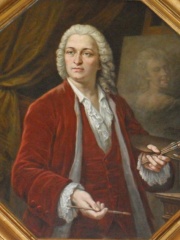
Jean-Baptiste van Loo
PAINTER
1684 - 1745
HPI: 61.33
Posizione: 11
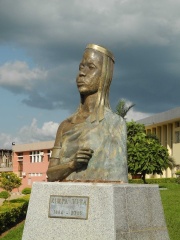
Kimpa Vita
RELIGIOUS FIGURE
1684 - 1706
HPI: 61.17
Posizione: 12
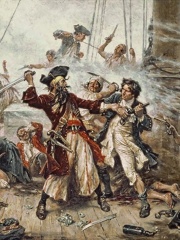
Robert Maynard
MILITARY PERSONNEL
1684 - 1751
HPI: 60.92
Posizione: 13
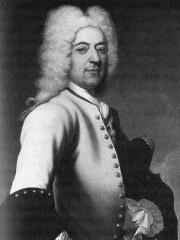
Wilhelm Reinhard von Neipperg
MILITARY PERSONNEL
1684 - 1774
HPI: 60.61
Posizione: 14
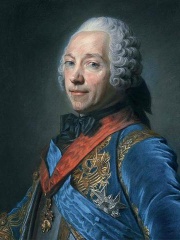
Charles Louis Auguste Fouquet, duc de Belle-Isle
MILITARY PERSONNEL
1684 - 1761
HPI: 60.18
Posizione: 15
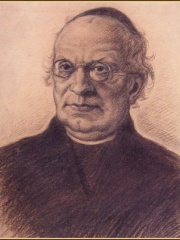
Bohuslav Matěj Černohorský
COMPOSER
1684 - 1742
HPI: 60.07
Posizione: 16
Matthias Bel
PHILOSOPHER
1684 - 1749
HPI: 60.03
Posizione: 17
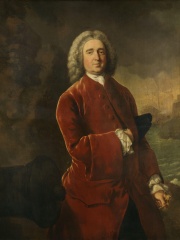
Edward Vernon
MILITARY PERSONNEL
1684 - 1757
HPI: 59.85
Posizione: 18

Francesco Manfredini
COMPOSER
1684 - 1762
HPI: 58.99
Posizione: 19
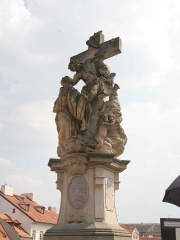
Matthias Braun
SCULPTOR
1684 - 1738
HPI: 57.78
Posizione: 20
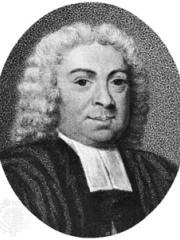
Johann Jacob Dillenius
BIOLOGIST
1684 - 1747
HPI: 56.55
Posizione: 21
Altre persone decedute nel 1749
Vai a tutte le classifiche
Adel Shah
POLITICIAN
1719 - 1749
HPI: 62.44
Posizione: 6
Claudine Guérin de Tencin
WRITER
1682 - 1749
HPI: 62.40
Posizione: 7
Mkhitar Sebastatsi
WRITER
1676 - 1749
HPI: 62.38
Posizione: 8
Jan van Huysum
PAINTER
1682 - 1749
HPI: 61.44
Posizione: 9
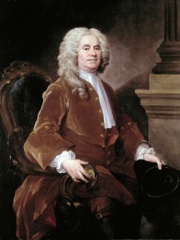
William Jones
MATHEMATICIAN
1675 - 1749
HPI: 61.31
Posizione: 10

Gottfried Heinrich Stölzel
COMPOSER
1690 - 1749
HPI: 61.00
Posizione: 11
Matthias Bel
PHILOSOPHER
1684 - 1749
HPI: 60.03
Posizione: 12

Jan Frans van Bloemen
PAINTER
1662 - 1749
HPI: 59.56
Posizione: 13
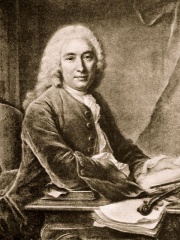
André Cardinal Destouches
COMPOSER
1672 - 1749
HPI: 58.86
Posizione: 14
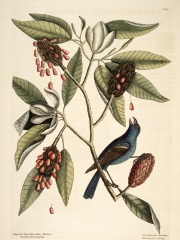
Mark Catesby
BIOLOGIST
1683 - 1749
HPI: 54.39
Posizione: 15
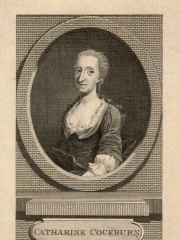
Catharine Trotter Cockburn
WRITER
1674 - 1749
HPI: 54.14
Posizione: 16
In Slovacchia
Tra le persone nate in Slovacchia, Matthias Bel occupa la posizione 109 su 418. Prima di lui ci sono Aurel Stodola (1859), Artúr Görgei (1818), Pavol Molnár (1936), Dušan Uhrin (1943), Stan Mikita (1940), e Ruzena Bajcsy (1933). Dopo di lui ci sono Juraj Haulik (1788), Juraj Herz (1934), János Pálffy (1664), Frederick Stafford (1928), Maroš Šefčovič (1966), e Géza von Radványi (1907).
Altre persone nate in Slovacchia
Vai a tutte le classifiche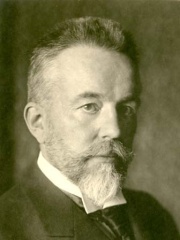
Aurel Stodola
INVENTOR
1859 - 1942
HPI: 60.26
Posizione: 103
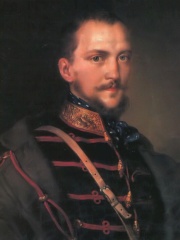
Artúr Görgei
POLITICIAN
1818 - 1916
HPI: 60.21
Posizione: 104

Pavol Molnár
SOCCER PLAYER
1936 - 2021
HPI: 60.19
Posizione: 105

Dušan Uhrin
SOCCER PLAYER
1943 - presente
HPI: 60.10
Posizione: 106

Stan Mikita
HOCKEY PLAYER
1940 - 2018
HPI: 60.07
Posizione: 107
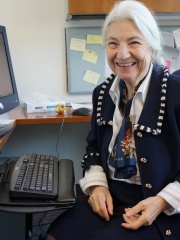
Ruzena Bajcsy
COMPUTER SCIENTIST
1933 - presente
HPI: 60.06
Posizione: 108
Matthias Bel
PHILOSOPHER
1684 - 1749
HPI: 60.03
Posizione: 109
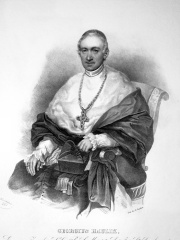
Juraj Haulik
RELIGIOUS FIGURE
1788 - 1869
HPI: 59.94
Posizione: 110
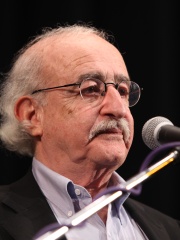
Juraj Herz
FILM DIRECTOR
1934 - 2018
HPI: 59.88
Posizione: 111
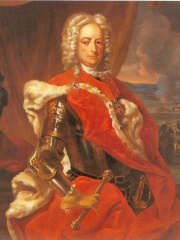
János Pálffy
MILITARY PERSONNEL
1664 - 1751
HPI: 59.81
Posizione: 112

Frederick Stafford
ACTOR
1928 - 1979
HPI: 59.76
Posizione: 113
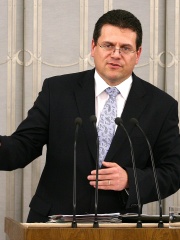
Maroš Šefčovič
POLITICIAN
1966 - presente
HPI: 59.73
Posizione: 114
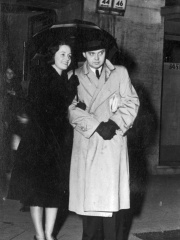
Géza von Radványi
FILM DIRECTOR
1907 - 1986
HPI: 59.68
Posizione: 115
Tra Filosofo in Slovacchia
Tra Filosofo nati in Slovacchia, Matthias Bel occupa la posizione 2. Prima di lui c'è Ernest Nagel (1901).