Polityk
Martine Aubry
1950 - obecnie
WYŚWIETLENIA PL.WIKIPEDIA (PV)
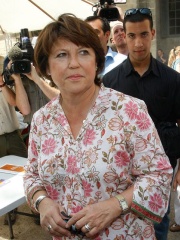

 Martine Aubry
Jej biografia jest dostępna w 34 różnych językach w Wikipedii (wzrost z 33 w 2024 roku). Martine Aubry jest 12034. najpopularniejszym polityk (spadek z 8549. w 2024 roku), 3527. najpopularniejszą biografią Francja (spadek z 2569. w 2019 roku) oraz 766. najpopularniejszym polityk Francja.
Wskaźniki rozpoznawalności
190k
Wyświetlenia strony
Ostatnie 12 miesięcy
59.29
HPI
Indeks historycznej popularności
Wyświetlenia strony Martine Aubry według języka
Wśród przedstawicieli zawodu Polityk
Wśród przedstawicieli zawodu „Polityk” Martine Aubry zajmuje 12,028. miejsce na 19,576. Przed nią są Atanasio Aguirre, Orgetorix, Farrukhsiyar, King Jing of Zhou, Duchess Sophia Charlotte of Oldenburg, i Köprülüzade Numan Pasha. Po niej są Mauno Pekkala, Shahabuddin Ahmed, Idris II of Morocco, José Evaristo Uriburu, Tanuma Okitsugu, i Illig Qaghan.
Najpopularniejsi w Wikipedii: Polityk
Zobacz wszystkie rankingi
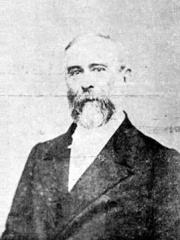
Atanasio Aguirre
1801 - 1875
HPI: 59.30
Miejsce: 12,028
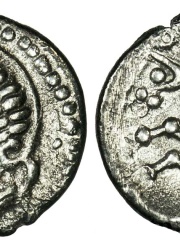
Orgetorix
HPI: 59.30
Miejsce: 12,029
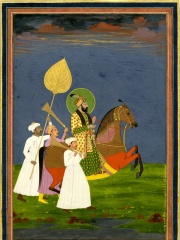
Farrukhsiyar
1685 - 1719
HPI: 59.30
Miejsce: 12,030

King Jing of Zhou
HPI: 59.30
Miejsce: 12,031
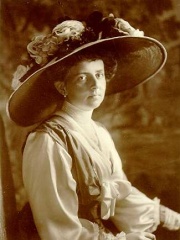
Duchess Sophia Charlotte of Oldenburg
1879 - 1964
HPI: 59.29
Miejsce: 12,032

Köprülüzade Numan Pasha
1670 - 1719
HPI: 59.29
Miejsce: 12,033
Martine Aubry
1950 - obecnie
HPI: 59.29
Miejsce: 12,034
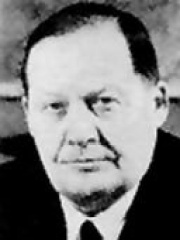
Mauno Pekkala
1890 - 1952
HPI: 59.29
Miejsce: 12,035
Shahabuddin Ahmed
1930 - 2022
HPI: 59.29
Miejsce: 12,036
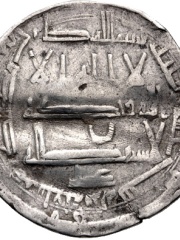
Idris II of Morocco
791 - 828
HPI: 59.29
Miejsce: 12,037
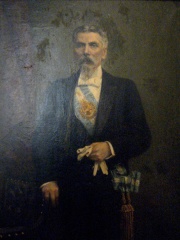
José Evaristo Uriburu
1831 - 1914
HPI: 59.29
Miejsce: 12,038

Tanuma Okitsugu
1719 - 1788
HPI: 59.29
Miejsce: 12,039

Illig Qaghan
HPI: 59.28
Miejsce: 12,040

Współcześni
Wśród osób urodzonych w 1950 roku Martine Aubry zajmuje 247. miejsce. Przed nią są Boris Gryzlov, Tatsumi Kimishima, Loredana Bertè, Soh Chin Ann, Jan Zajíc, i Mikhail Myasnikovich. Po niej są Richard Norton, Marián Masný, Erri De Luca, Nelsinho Baptista, Tapley Seaton, i Alan Tam.
Inne osoby urodzone w 1950 roku
Zobacz wszystkie rankingi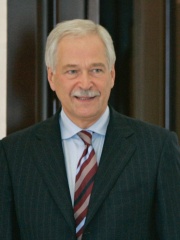
Boris Gryzlov
POLITICIAN
1950 - obecnie
HPI: 59.44
Miejsce: 241

Tatsumi Kimishima
BUSINESSPERSON
1950 - obecnie
HPI: 59.44
Miejsce: 242

Loredana Bertè
SINGER
1950 - obecnie
HPI: 59.43
Miejsce: 243

Soh Chin Ann
SOCCER PLAYER
1950 - obecnie
HPI: 59.39
Miejsce: 244
Jan Zajíc
COMPANION
1950 - 1969
HPI: 59.37
Miejsce: 245
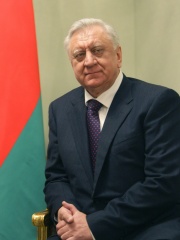
Mikhail Myasnikovich
POLITICIAN
1950 - obecnie
HPI: 59.32
Miejsce: 246
Martine Aubry
POLITICIAN
1950 - obecnie
HPI: 59.29
Miejsce: 247

Richard Norton
ACTOR
1950 - 2025
HPI: 59.24
Miejsce: 248

Marián Masný
SOCCER PLAYER
1950 - obecnie
HPI: 59.22
Miejsce: 249

Erri De Luca
WRITER
1950 - obecnie
HPI: 59.19
Miejsce: 250

Nelsinho Baptista
SOCCER PLAYER
1950 - obecnie
HPI: 59.19
Miejsce: 251

Tapley Seaton
POLITICIAN
1950 - 2023
HPI: 59.18
Miejsce: 252

Alan Tam
SINGER
1950 - obecnie
HPI: 59.16
Miejsce: 253
W kraju Francja
Wśród osób urodzonych w kraju Francja Martine Aubry zajmuje 3,527. miejsce na NaN. Przed nią są Jean-Baptiste Arban (1825), Anna Gavalda (1970), Johann Fischart (1546), Anne of Burgundy (1404), Renaud (1952), i Antoine Berman (1942). Po niej są Rudolph Minkowski (1895), Audrey Azoulay (1972), Michel Ocelot (1943), Remigius of Auxerre (841), Adolphe Alphand (1817), i Gérard de Villiers (1929).
Inne osoby urodzone w kraju Francja
Zobacz wszystkie rankingi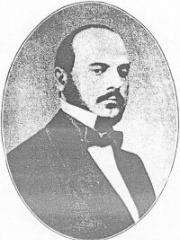
Jean-Baptiste Arban
MUSICIAN
1825 - 1889
HPI: 59.31
Miejsce: 3,521
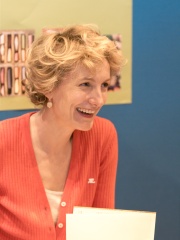
Anna Gavalda
WRITER
1970 - obecnie
HPI: 59.31
Miejsce: 3,522
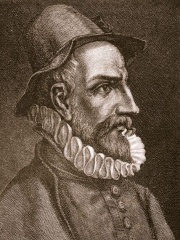
Johann Fischart
WRITER
1546 - 1590
HPI: 59.31
Miejsce: 3,523
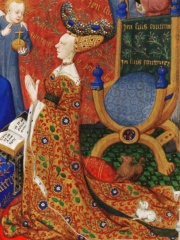
Anne of Burgundy
NOBLEMAN
1404 - 1432
HPI: 59.30
Miejsce: 3,524

Renaud
SINGER
1952 - obecnie
HPI: 59.30
Miejsce: 3,525

Antoine Berman
PHILOSOPHER
1942 - 1991
HPI: 59.29
Miejsce: 3,526
Martine Aubry
POLITICIAN
1950 - obecnie
HPI: 59.29
Miejsce: 3,527
Rudolph Minkowski
ASTRONOMER
1895 - 1976
HPI: 59.28
Miejsce: 3,528
Audrey Azoulay
POLITICIAN
1972 - obecnie
HPI: 59.28
Miejsce: 3,529

Michel Ocelot
WRITER
1943 - obecnie
HPI: 59.28
Miejsce: 3,530

Remigius of Auxerre
WRITER
841 - 908
HPI: 59.28
Miejsce: 3,531
Adolphe Alphand
ENGINEER
1817 - 1891
HPI: 59.28
Miejsce: 3,532
Gérard de Villiers
WRITER
1929 - 2013
HPI: 59.27
Miejsce: 3,533
Wśród przedstawicieli zawodu Polityk w kraju Francja
Wśród przedstawicieli zawodu „Polityk” urodzonych w kraju Francja Martine Aubry zajmuje 766. miejsce. Przed nią są André Marie (1897), Charles Athanase Walckenaer (1771), Constance of France, Princess of Antioch (1078), Joseph Vendryes (1875), Ernest Courtot de Cissey (1810), i Élisabeth Marguerite d'Orléans (1646). Po niej są Audrey Azoulay (1972), Ingelger (900), Jean Joseph Mounier (1758), Hélène Prévost (1900), Barthélemy Louis Joseph Schérer (1747), i Luigi Pelloux (1839).

André Marie
1897 - 1974
HPI: 59.42
Miejsce: 760
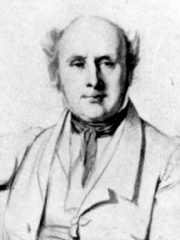
Charles Athanase Walckenaer
1771 - 1852
HPI: 59.41
Miejsce: 761
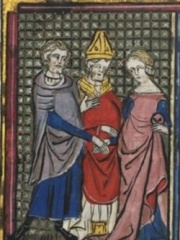
Constance of France, Princess of Antioch
1078 - 1126
HPI: 59.41
Miejsce: 762

Joseph Vendryes
1875 - 1960
HPI: 59.40
Miejsce: 763
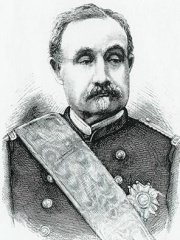
Ernest Courtot de Cissey
1810 - 1882
HPI: 59.40
Miejsce: 764
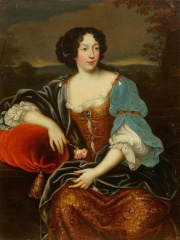
Élisabeth Marguerite d'Orléans
1646 - 1696
HPI: 59.34
Miejsce: 765
Martine Aubry
1950 - obecnie
HPI: 59.29
Miejsce: 766
Audrey Azoulay
1972 - obecnie
HPI: 59.28
Miejsce: 767
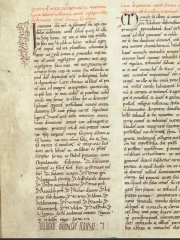
Ingelger
900 - 888
HPI: 59.26
Miejsce: 768
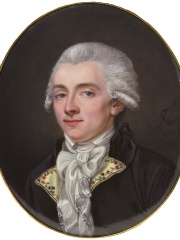
Jean Joseph Mounier
1758 - 1806
HPI: 59.24
Miejsce: 769
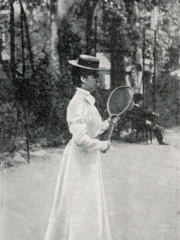
Hélène Prévost
1900 - 2000
HPI: 59.22
Miejsce: 770
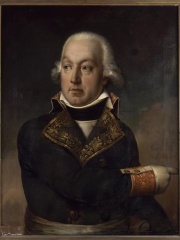
Barthélemy Louis Joseph Schérer
1747 - 1804
HPI: 59.18
Miejsce: 771
Luigi Pelloux
1839 - 1924
HPI: 59.17
Miejsce: 772




