Racing Driver
Luiz Bueno
racing driver
1937 - 2011
EN.WIKIPEDIA PAGE VIEWS (PV)
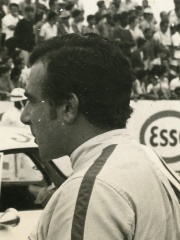
 Luiz Bueno
His biography is available in 21 different languages on Wikipedia (up from 20 in 2024). Luiz Bueno is the 292nd most popular racing driver (up from 418th in 2024), the 457th most popular biography from Brazil (up from 609th in 2019) and the 11th most popular Brazilian Racing Driver.
Memorability Metrics
2.9k
Page Views
Past 12 months
57.46
HPI
Historical Popularity Index
Page views of Luiz Bueno by language
Among Racing Drivers
Among racing drivers, Luiz Bueno ranks 292 out of 1,080. Before him are Paul England, Heikki Kovalainen, Giulio Cabianca, George Constantine, Mark Donohue, and Kent Andersson. After him are Paul Pietsch, Kevin Schwantz, Teo Fabi, Brian Hart, Romain Grosjean, and Roger Penske.
Most Popular Racing Drivers in Wikipedia
Go to all Rankings

Paul England
1929 - 2014
HPI: 57.66
Rank: 286
Heikki Kovalainen
1981 - Present
HPI: 57.61
Rank: 287
Giulio Cabianca
1923 - 1961
HPI: 57.61
Rank: 288

George Constantine
1918 - 1968
HPI: 57.58
Rank: 289
Mark Donohue
1937 - 1975
HPI: 57.55
Rank: 290
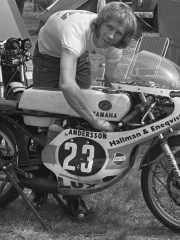
Kent Andersson
1942 - 2006
HPI: 57.46
Rank: 291
Luiz Bueno
1937 - 2011
HPI: 57.46
Rank: 292
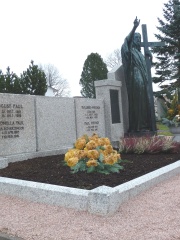
Paul Pietsch
1911 - 2012
HPI: 57.45
Rank: 293
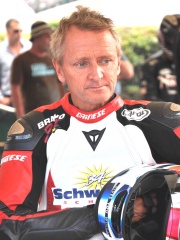
Kevin Schwantz
1964 - Present
HPI: 57.44
Rank: 294
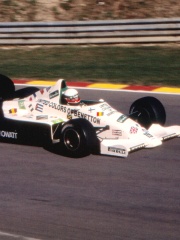
Teo Fabi
1955 - Present
HPI: 57.43
Rank: 295

Brian Hart
1936 - 2014
HPI: 57.41
Rank: 296
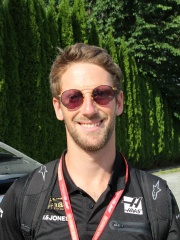
Romain Grosjean
1986 - Present
HPI: 57.41
Rank: 297
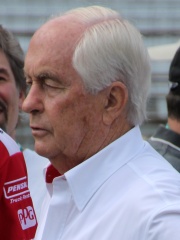
Roger Penske
1937 - Present
HPI: 57.37
Rank: 298

Contemporaries
Among people born in 1937, Luiz Bueno ranks 319. Before him are Coen Moulijn, Sally Kellerman, Hans Cieslarczyk, Mark Donohue, Marlene Schmidt, and Bobby Driscoll. After him are Manorama, Jorge Cafrune, Teresa Ciepły, Yukio Endo, Harry Wu, and Glen A. Larson. Among people deceased in 2011, Luiz Bueno ranks 240. Before him are Tatyana Lioznova, Coen Moulijn, Shammi Kapoor, M. F. Husain, Karen Khachaturian, and Theodore Roszak. After him are Ida Fink, Agustín García-Gasco Vicente, Robert Ettinger, Mario Echandi Jiménez, Kenneth Mars, and Mikhail Simonov.
Others Born in 1937
Go to all Rankings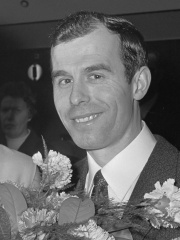
Coen Moulijn
SOCCER PLAYER
1937 - 2011
HPI: 57.61
Rank: 313
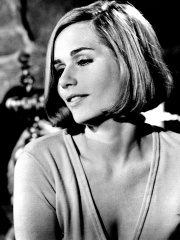
Sally Kellerman
ACTOR
1937 - 2022
HPI: 57.61
Rank: 314

Hans Cieslarczyk
SOCCER PLAYER
1937 - 2020
HPI: 57.56
Rank: 315
Mark Donohue
RACING DRIVER
1937 - 1975
HPI: 57.55
Rank: 316
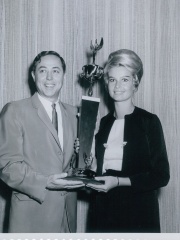
Marlene Schmidt
CELEBRITY
1937 - Present
HPI: 57.54
Rank: 317
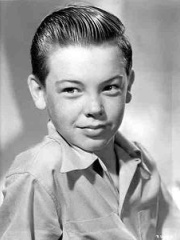
Bobby Driscoll
ACTOR
1937 - 1968
HPI: 57.52
Rank: 318
Luiz Bueno
RACING DRIVER
1937 - 2011
HPI: 57.46
Rank: 319

Manorama
ACTOR
1937 - 2015
HPI: 57.44
Rank: 320
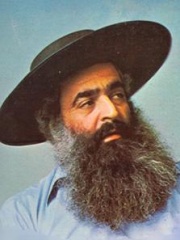
Jorge Cafrune
SINGER
1937 - 1978
HPI: 57.43
Rank: 321
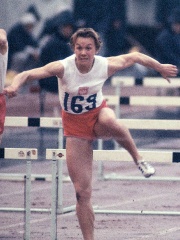
Teresa Ciepły
ATHLETE
1937 - 2006
HPI: 57.43
Rank: 322
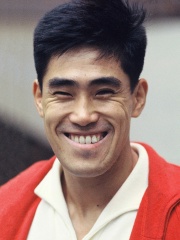
Yukio Endo
GYMNAST
1937 - 2009
HPI: 57.42
Rank: 323
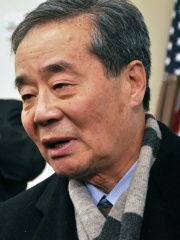
Harry Wu
SOCIAL ACTIVIST
1937 - 2016
HPI: 57.42
Rank: 324

Glen A. Larson
WRITER
1937 - 2014
HPI: 57.39
Rank: 325
Others Deceased in 2011
Go to all Rankings
Tatyana Lioznova
FILM DIRECTOR
1924 - 2011
HPI: 57.65
Rank: 234
Coen Moulijn
SOCCER PLAYER
1937 - 2011
HPI: 57.61
Rank: 235
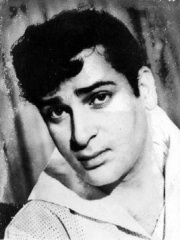
Shammi Kapoor
ACTOR
1931 - 2011
HPI: 57.57
Rank: 236
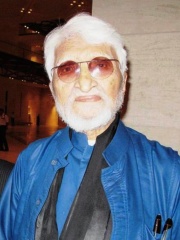
M. F. Husain
PAINTER
1915 - 2011
HPI: 57.56
Rank: 237

Karen Khachaturian
COMPOSER
1920 - 2011
HPI: 57.56
Rank: 238
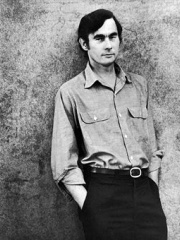
Theodore Roszak
WRITER
1933 - 2011
HPI: 57.50
Rank: 239
Luiz Bueno
RACING DRIVER
1937 - 2011
HPI: 57.46
Rank: 240
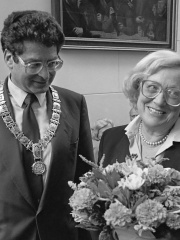
Ida Fink
WRITER
1921 - 2011
HPI: 57.45
Rank: 241
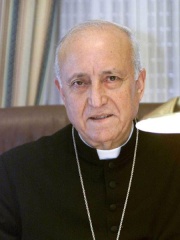
Agustín García-Gasco Vicente
RELIGIOUS FIGURE
1931 - 2011
HPI: 57.44
Rank: 242
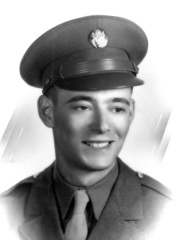
Robert Ettinger
WRITER
1918 - 2011
HPI: 57.42
Rank: 243
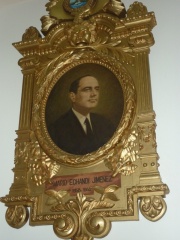
Mario Echandi Jiménez
POLITICIAN
1915 - 2011
HPI: 57.37
Rank: 244
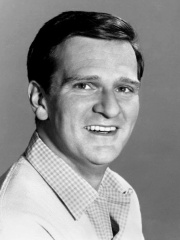
Kenneth Mars
ACTOR
1935 - 2011
HPI: 57.35
Rank: 245
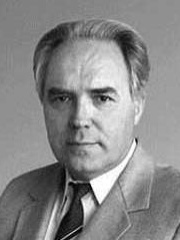
Mikhail Simonov
ENGINEER
1929 - 2011
HPI: 57.33
Rank: 246
In Brazil
Among people born in Brazil, Luiz Bueno ranks 457 out of NaN. Before him are Nelson Pereira dos Santos (1928), Filipe Luís (1985), Ricardo Gomes (1964), Júlio Prestes (1882), Romeu Pellicciari (1911), and Alfredo Brilhante da Costa (1904). After him are Nelson Prudêncio (1944), Éder Militão (1998), Leivinha (1949), Rafinha (1985), Douglas Costa (1990), and Jorginho Putinatti (1959).
Others born in Brazil
Go to all Rankings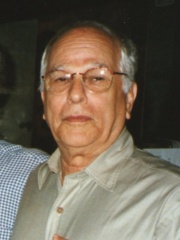
Nelson Pereira dos Santos
FILM DIRECTOR
1928 - 2018
HPI: 57.52
Rank: 451
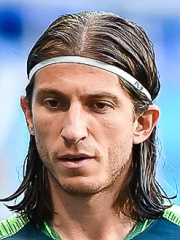
Filipe Luís
SOCCER PLAYER
1985 - Present
HPI: 57.51
Rank: 452
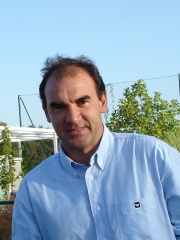
Ricardo Gomes
SOCCER PLAYER
1964 - Present
HPI: 57.50
Rank: 453
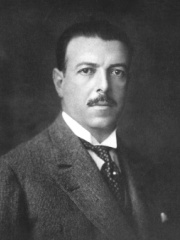
Júlio Prestes
POLITICIAN
1882 - 1946
HPI: 57.50
Rank: 454
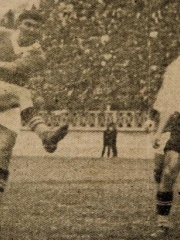
Romeu Pellicciari
SOCCER PLAYER
1911 - 1971
HPI: 57.48
Rank: 455
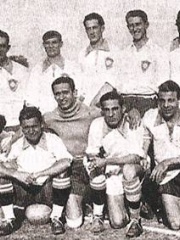
Alfredo Brilhante da Costa
SOCCER PLAYER
1904 - 1980
HPI: 57.47
Rank: 456
Luiz Bueno
RACING DRIVER
1937 - 2011
HPI: 57.46
Rank: 457
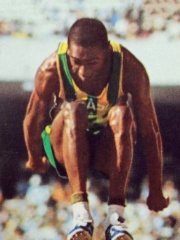
Nelson Prudêncio
ATHLETE
1944 - 2012
HPI: 57.46
Rank: 458

Éder Militão
SOCCER PLAYER
1998 - Present
HPI: 57.45
Rank: 459
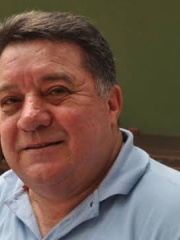
Leivinha
SOCCER PLAYER
1949 - Present
HPI: 57.42
Rank: 460
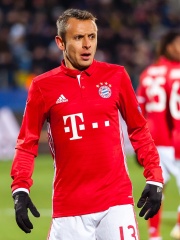
Rafinha
SOCCER PLAYER
1985 - Present
HPI: 57.40
Rank: 461
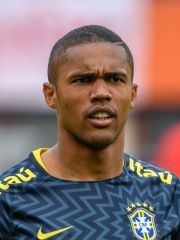
Douglas Costa
SOCCER PLAYER
1990 - Present
HPI: 57.38
Rank: 462

Jorginho Putinatti
SOCCER PLAYER
1959 - Present
HPI: 57.35
Rank: 463
Among Racing Drivers In Brazil
Among racing drivers born in Brazil, Luiz Bueno ranks 11. Before him are Wilson Fittipaldi Júnior (1943), Carlos Pace (1944), Felipe Massa (1981), Roberto Moreno (1959), Bruno Senna (1983), and Chico Serra (1957). After him are Chico Landi (1907), Alex Ribeiro (1948), Christian Fittipaldi (1971), Pedro Diniz (1970), Fritz d'Orey (1938), and Maurício Gugelmin (1963).
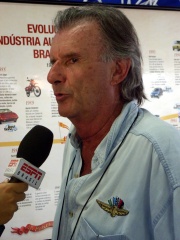
Wilson Fittipaldi Júnior
1943 - 2024
HPI: 65.73
Rank: 5
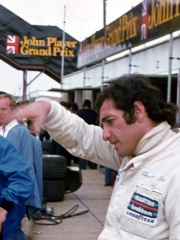
Carlos Pace
1944 - 1977
HPI: 64.16
Rank: 6
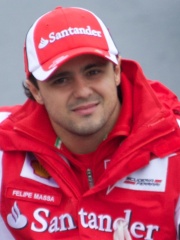
Felipe Massa
1981 - Present
HPI: 62.63
Rank: 7

Roberto Moreno
1959 - Present
HPI: 60.29
Rank: 8

Bruno Senna
1983 - Present
HPI: 60.25
Rank: 9
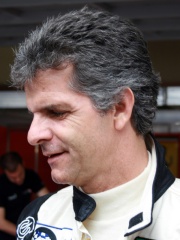
Chico Serra
1957 - Present
HPI: 59.11
Rank: 10
Luiz Bueno
1937 - 2011
HPI: 57.46
Rank: 11
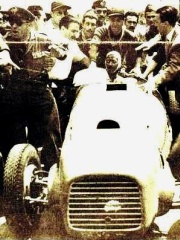
Chico Landi
1907 - 1989
HPI: 56.85
Rank: 12
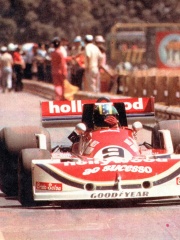
Alex Ribeiro
1948 - Present
HPI: 56.42
Rank: 13
Christian Fittipaldi
1971 - Present
HPI: 56.38
Rank: 14
Pedro Diniz
1970 - Present
HPI: 56.22
Rank: 15
Fritz d'Orey
1938 - 2020
HPI: 54.59
Rank: 16
Maurício Gugelmin
1963 - Present
HPI: 54.58
Rank: 17




