Calciatore
Luis Rubiños
1940 - presente
IT.WIKIPEDIA PAGE VIEWS (PV)
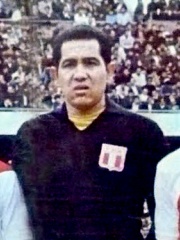
 Luis Rubiños
La sua biografia è disponibile in 17 lingue su Wikipedia. Luis Rubiños è il 5558° calciatore più popolare (in calo dal 5090° nel 2024), la 170ª biografia più popolare della Perù (in calo dal 161ª nel 2019) e il 39° calciatore più popolare della Perù.
Memorability Metrics
4.6k
Page Views
Past 12 months
51.72
HPI
Historical Popularity Index
Page views of Luis Rubiños by language
Among Calciatores
Among calciatores, Luis Rubiños ranks 5,552 out of 21,273. Before him are Shuta Takahashi, Joël Matip, Leonardo Spinazzola, Fábio Simplício, Wilfried Gröbner, and Boris Kuznetsov. After him are Katsuo Kanda, Diego Carlos, Kota Minami, Momčilo Đokić, Petr Němec, and Salvador Reyes Monteón.
Most Popular Calciatores in Wikipedia
Go to all Rankings

Shuta Takahashi
1983 - Present
HPI: 51.72
Rank: 5,552
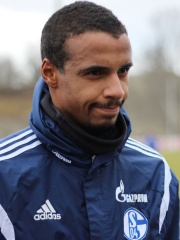
Joël Matip
1991 - Present
HPI: 51.72
Rank: 5,553

Leonardo Spinazzola
1993 - Present
HPI: 51.72
Rank: 5,554
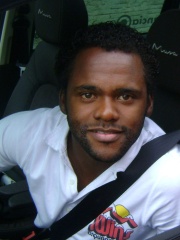
Fábio Simplício
1979 - Present
HPI: 51.72
Rank: 5,555
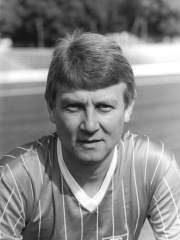
Wilfried Gröbner
1949 - Present
HPI: 51.72
Rank: 5,556
Boris Kuznetsov
1928 - 1999
HPI: 51.72
Rank: 5,557
Luis Rubiños
1940 - Present
HPI: 51.72
Rank: 5,558

Katsuo Kanda
1966 - Present
HPI: 51.72
Rank: 5,559
Diego Carlos
1993 - Present
HPI: 51.72
Rank: 5,560

Kota Minami
1979 - Present
HPI: 51.71
Rank: 5,561
Momčilo Đokić
1911 - 1983
HPI: 51.71
Rank: 5,562
Petr Němec
1957 - Present
HPI: 51.71
Rank: 5,563
Salvador Reyes Monteón
1936 - 2012
HPI: 51.70
Rank: 5,564

Contemporaries
Among people born in 1940, Luis Rubiños ranks 553. Before him are Padma Sachdev, Viktor Kuzkin, Thomas M. Disch, Ugo Colombo, Arthur Alexander, and Daniel J. Travanti. After him are Bjarne Andersson, Roberto Matosas, George Adams, Jerry Lawson, Kiyoshi Tanabe, and Mario Velarde.
Others Born in 1940
Go to all Rankings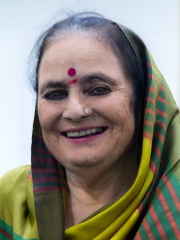
Padma Sachdev
WRITER
1940 - 2021
HPI: 52.03
Rank: 547

Viktor Kuzkin
POLITICIAN
1940 - 2008
HPI: 51.99
Rank: 548
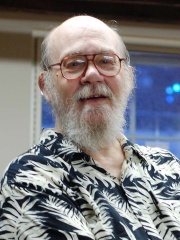
Thomas M. Disch
WRITER
1940 - 2008
HPI: 51.93
Rank: 549
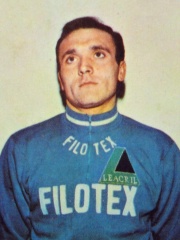
Ugo Colombo
CYCLIST
1940 - 2019
HPI: 51.90
Rank: 550
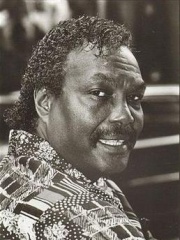
Arthur Alexander
SINGER
1940 - 1993
HPI: 51.80
Rank: 551

Daniel J. Travanti
ACTOR
1940 - Present
HPI: 51.79
Rank: 552
Luis Rubiños
SOCCER PLAYER
1940 - Present
HPI: 51.72
Rank: 553
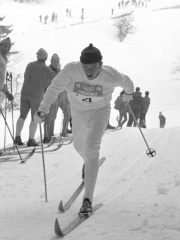
Bjarne Andersson
ATHLETE
1940 - 2004
HPI: 51.70
Rank: 554
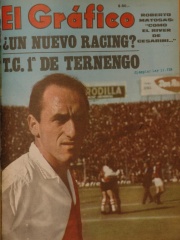
Roberto Matosas
SOCCER PLAYER
1940 - Present
HPI: 51.63
Rank: 555
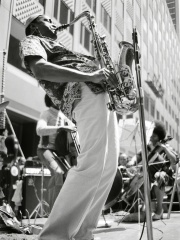
George Adams
MUSICIAN
1940 - 1992
HPI: 51.62
Rank: 556
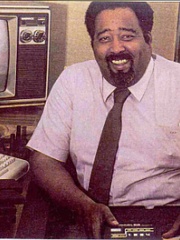
Jerry Lawson
INVENTOR
1940 - 2011
HPI: 51.61
Rank: 557
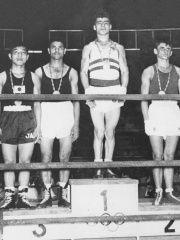
Kiyoshi Tanabe
BOXER
1940 - Present
HPI: 51.58
Rank: 558
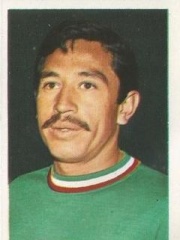
Mario Velarde
SOCCER PLAYER
1940 - 1997
HPI: 51.58
Rank: 559
In Perù
Among people born in Perù, Luis Rubiños ranks 170 out of NaN. Before him are Manuel María Ponce Brousset (1874), David Samanez Ocampo (1866), Mercedes Aráoz (1961), Alejandro Villanueva (1908), Arturo Fernández Meyzán (1906), and Nathalie Kelley (1985). After him are César Cueto (1952), Yehude Simon (1947), Luis Cruzado (1941), Oswaldo Ramírez (1947), Nicolás Fuentes (1941), and Rubén Toribio Díaz (1952).
Others born in Perù
Go to all Rankings
Manuel María Ponce Brousset
POLITICIAN
1874 - 1966
HPI: 52.33
Rank: 164
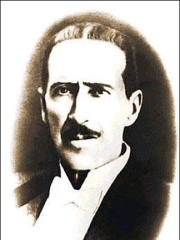
David Samanez Ocampo
POLITICIAN
1866 - 1947
HPI: 52.24
Rank: 165
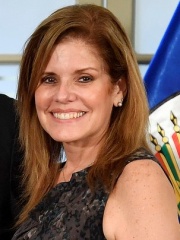
Mercedes Aráoz
POLITICIAN
1961 - Present
HPI: 52.16
Rank: 166
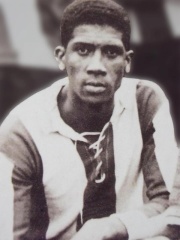
Alejandro Villanueva
SOCCER PLAYER
1908 - 1944
HPI: 52.13
Rank: 167

Arturo Fernández Meyzán
SOCCER PLAYER
1906 - 1999
HPI: 51.98
Rank: 168
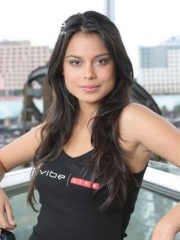
Nathalie Kelley
ACTOR
1985 - Present
HPI: 51.77
Rank: 169
Luis Rubiños
SOCCER PLAYER
1940 - Present
HPI: 51.72
Rank: 170

César Cueto
SOCCER PLAYER
1952 - Present
HPI: 51.62
Rank: 171
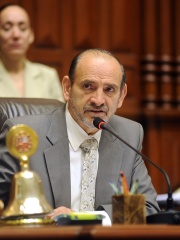
Yehude Simon
POLITICIAN
1947 - Present
HPI: 51.60
Rank: 172
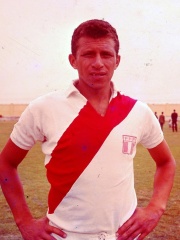
Luis Cruzado
SOCCER PLAYER
1941 - 2013
HPI: 51.56
Rank: 173
Oswaldo Ramírez
SOCCER PLAYER
1947 - Present
HPI: 51.50
Rank: 174
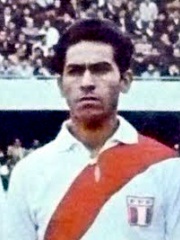
Nicolás Fuentes
SOCCER PLAYER
1941 - 2015
HPI: 51.42
Rank: 175
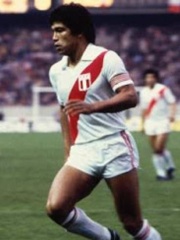
Rubén Toribio Díaz
SOCCER PLAYER
1952 - Present
HPI: 51.41
Rank: 176
Among Calciatores In Perù
Among calciatores born in Perù, Luis Rubiños ranks 39. Before him are Ottorino Sartor (1945), Julio Lores (1908), José María Lavalle (1902), Jorge Sarmiento (1900), Alejandro Villanueva (1908), and Arturo Fernández Meyzán (1906). After him are César Cueto (1952), Luis Cruzado (1941), Oswaldo Ramírez (1947), Nicolás Fuentes (1941), Rubén Toribio Díaz (1952), and Juan Carlos Oblitas (1951).
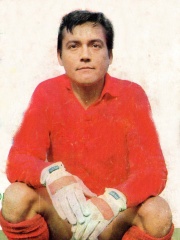
Ottorino Sartor
1945 - 2021
HPI: 53.06
Rank: 33
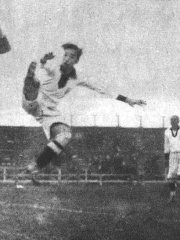
Julio Lores
1908 - 1947
HPI: 52.95
Rank: 34
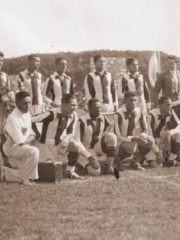
José María Lavalle
1902 - 1984
HPI: 52.89
Rank: 35
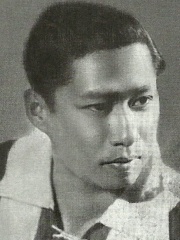
Jorge Sarmiento
1900 - 1957
HPI: 52.87
Rank: 36
Alejandro Villanueva
1908 - 1944
HPI: 52.13
Rank: 37
Arturo Fernández Meyzán
1906 - 1999
HPI: 51.98
Rank: 38
Luis Rubiños
1940 - Present
HPI: 51.72
Rank: 39
César Cueto
1952 - Present
HPI: 51.62
Rank: 40
Luis Cruzado
1941 - 2013
HPI: 51.56
Rank: 41
Oswaldo Ramírez
1947 - Present
HPI: 51.50
Rank: 42
Nicolás Fuentes
1941 - 2015
HPI: 51.42
Rank: 43
Rubén Toribio Díaz
1952 - Present
HPI: 51.41
Rank: 44
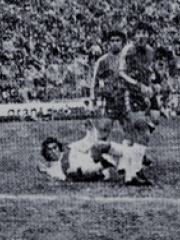
Juan Carlos Oblitas
1951 - Present
HPI: 51.36
Rank: 45




