Voetballer
Luigi Cevenini
1895 - 1968
NL.WIKIPEDIA PAGE VIEWS (PV)
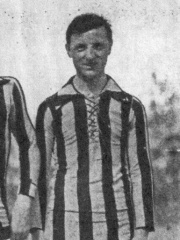
 Luigi Cevenini
Zijn biografie is beschikbaar in 16 verschillende talen op Wikipedia. Luigi Cevenini staat op plaats 2.789 onder de meest populaire voetballer (gestegen van plaats 2.853 in 2024), plaats 3.575 onder de meest populaire biografieën uit Italië (gestegen van plaats 3.614 in 2019) en op plaats 181 onder de populairste voetballer uit Italië.
Memorability Metrics
20k
Page Views
Past 12 months
56.42
HPI
Historical Popularity Index
Page views of Luigi Cevenini by language
Among Voetballers
Among voetballers, Luigi Cevenini ranks 2,785 out of 21,273. Before him are Jean-Marc Guillou, Luciano Federici, Ettore Puricelli, Dado Pršo, Ángel Arocha, and Emilio Caprile. After him are Anders Svensson, Jorge Fossati, Masaaki Mori, Mokhtar Dahari, Akgün Kaçmaz, and Rudolf Wetzer.
Most Popular Voetballers in Wikipedia
Go to all Rankings
Jean-Marc Guillou
1945 - Present
HPI: 56.42
Rank: 2,783

Luciano Federici
1938 - 2020
HPI: 56.42
Rank: 2,784
Ettore Puricelli
1916 - 2001
HPI: 56.42
Rank: 2,785
Dado Pršo
1974 - Present
HPI: 56.42
Rank: 2,786
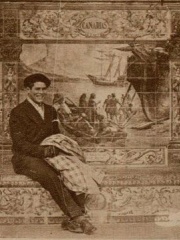
Ángel Arocha
1907 - 1938
HPI: 56.42
Rank: 2,787

Emilio Caprile
1928 - 2020
HPI: 56.42
Rank: 2,788
Luigi Cevenini
1895 - 1968
HPI: 56.42
Rank: 2,789

Anders Svensson
1976 - Present
HPI: 56.42
Rank: 2,790
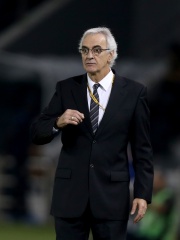
Jorge Fossati
1952 - Present
HPI: 56.41
Rank: 2,791

Masaaki Mori
1961 - Present
HPI: 56.41
Rank: 2,792
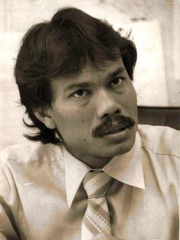
Mokhtar Dahari
1953 - 1991
HPI: 56.41
Rank: 2,793

Akgün Kaçmaz
1935 - 2023
HPI: 56.41
Rank: 2,794

Rudolf Wetzer
1901 - 1993
HPI: 56.41
Rank: 2,795

Contemporaries
Among people born in 1895, Luigi Cevenini ranks 223. Before him are Brian Horrocks, Carl Westergren, Gerald Patterson, Manuel Alonso Areizaga, Louis Calhern, and Henry Gunther. After him are Jan Burgers, Andreo Cseh, Ben Sharpsteen, Ion Barbu, Béla Illés, and André Gaboriaud. Among people deceased in 1968, Luigi Cevenini ranks 187. Before him are Franchot Tone, Armand Blanchonnet, Weegee, Mervyn Peake, Tim Ahearne, and Francis Biddle. After him are Martin Frič, René Navarre, Kay Francis, Antonio Pietrangeli, Hugo Benioff, and Jess Willard.
Others Born in 1895
Go to all Rankings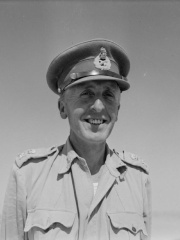
Brian Horrocks
COMPANION
1895 - 1985
HPI: 56.76
Rank: 218
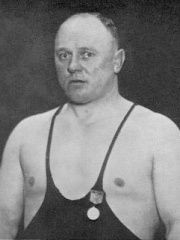
Carl Westergren
WRESTLER
1895 - 1958
HPI: 56.75
Rank: 219
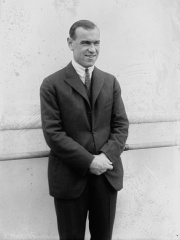
Gerald Patterson
POLITICIAN
1895 - 1967
HPI: 56.71
Rank: 220
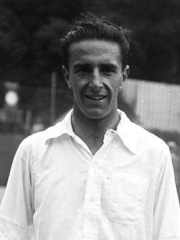
Manuel Alonso Areizaga
TENNIS PLAYER
1895 - 1984
HPI: 56.59
Rank: 221
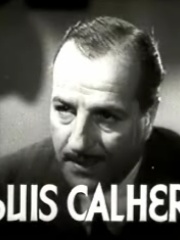
Louis Calhern
ACTOR
1895 - 1956
HPI: 56.57
Rank: 222
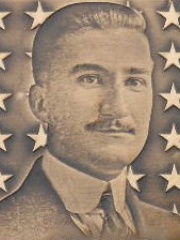
Henry Gunther
MILITARY PERSONNEL
1895 - 1918
HPI: 56.47
Rank: 223
Luigi Cevenini
SOCCER PLAYER
1895 - 1968
HPI: 56.42
Rank: 224
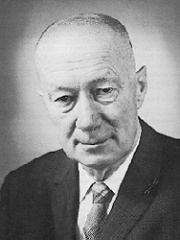
Jan Burgers
PHYSICIST
1895 - 1981
HPI: 56.41
Rank: 225
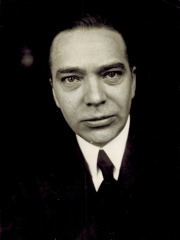
Andreo Cseh
RELIGIOUS FIGURE
1895 - 1979
HPI: 56.39
Rank: 226

Ben Sharpsteen
FILM DIRECTOR
1895 - 1980
HPI: 56.30
Rank: 227
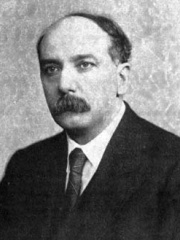
Ion Barbu
MATHEMATICIAN
1895 - 1961
HPI: 56.18
Rank: 228

Béla Illés
WRITER
1895 - 1974
HPI: 56.14
Rank: 229

André Gaboriaud
ATHLETE
1895 - 1969
HPI: 56.12
Rank: 230
Others Deceased in 1968
Go to all Rankings
Franchot Tone
ACTOR
1905 - 1968
HPI: 56.73
Rank: 181
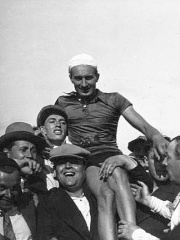
Armand Blanchonnet
CYCLIST
1903 - 1968
HPI: 56.71
Rank: 182
Weegee
PHOTOGRAPHER
1899 - 1968
HPI: 56.60
Rank: 183
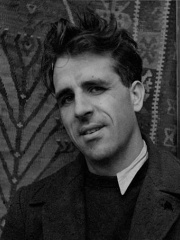
Mervyn Peake
WRITER
1911 - 1968
HPI: 56.58
Rank: 184

Tim Ahearne
ATHLETE
1885 - 1968
HPI: 56.49
Rank: 185
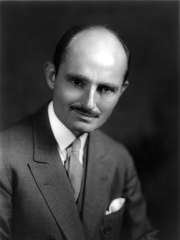
Francis Biddle
POLITICIAN
1886 - 1968
HPI: 56.43
Rank: 186
Luigi Cevenini
SOCCER PLAYER
1895 - 1968
HPI: 56.42
Rank: 187
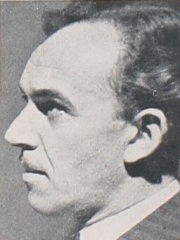
Martin Frič
FILM DIRECTOR
1902 - 1968
HPI: 56.41
Rank: 188
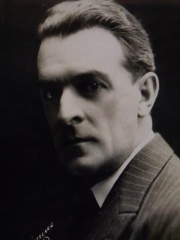
René Navarre
ACTOR
1877 - 1968
HPI: 56.35
Rank: 189
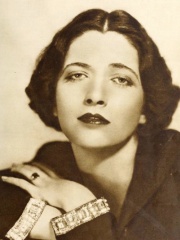
Kay Francis
ACTOR
1905 - 1968
HPI: 56.26
Rank: 190
Antonio Pietrangeli
FILM DIRECTOR
1919 - 1968
HPI: 56.26
Rank: 191

Hugo Benioff
GEOLOGIST
1899 - 1968
HPI: 56.26
Rank: 192
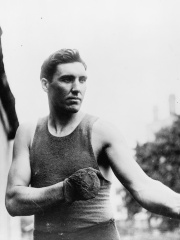
Jess Willard
BOXER
1881 - 1968
HPI: 56.10
Rank: 193
In Italië
Among people born in Italië, Luigi Cevenini ranks 3,575 out of NaN. Before him are Angelo Damiano (1938), Angelo Maria Querini (1680), Nicola Saggio (1650), Riccardo Montolivo (1985), Luciano Federici (1938), and Emilio Caprile (1928). After him are Andrea Benetti (1964), Giorgio Bassi (1934), Bruno Mora (1937), Giorgio Bocchino (1913), Amedeo Carboni (1965), and Luigi Radice (1935).
Others born in Italië
Go to all Rankings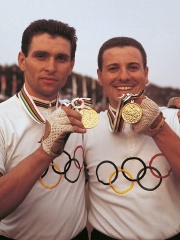
Angelo Damiano
CYCLIST
1938 - Present
HPI: 56.45
Rank: 3,569
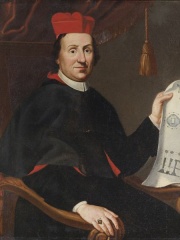
Angelo Maria Querini
RELIGIOUS FIGURE
1680 - 1755
HPI: 56.44
Rank: 3,570
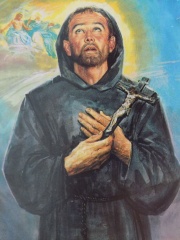
Nicola Saggio
RELIGIOUS FIGURE
1650 - 1709
HPI: 56.43
Rank: 3,571
Riccardo Montolivo
SOCCER PLAYER
1985 - Present
HPI: 56.42
Rank: 3,572
Luciano Federici
SOCCER PLAYER
1938 - 2020
HPI: 56.42
Rank: 3,573
Emilio Caprile
SOCCER PLAYER
1928 - 2020
HPI: 56.42
Rank: 3,574
Luigi Cevenini
SOCCER PLAYER
1895 - 1968
HPI: 56.42
Rank: 3,575
Andrea Benetti
PAINTER
1964 - Present
HPI: 56.41
Rank: 3,576

Giorgio Bassi
RACING DRIVER
1934 - Present
HPI: 56.41
Rank: 3,577
Bruno Mora
SOCCER PLAYER
1937 - 1986
HPI: 56.41
Rank: 3,578

Giorgio Bocchino
ATHLETE
1913 - 1995
HPI: 56.41
Rank: 3,579
Amedeo Carboni
SOCCER PLAYER
1965 - Present
HPI: 56.41
Rank: 3,580
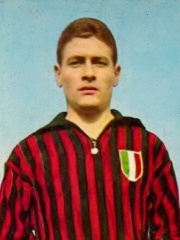
Luigi Radice
SOCCER PLAYER
1935 - 2018
HPI: 56.40
Rank: 3,581
Among Voetballers In Italië
Among voetballers born in Italië, Luigi Cevenini ranks 181. Before him are Aldo Ballarin (1922), Giovanni Viola (1926), Carlo Annovazzi (1925), Riccardo Montolivo (1985), Luciano Federici (1938), and Emilio Caprile (1928). After him are Bruno Mora (1937), Amedeo Carboni (1965), Luigi Radice (1935), Gino Rossetti (1904), Gino Cappello (1920), and Osvaldo Fattori (1922).
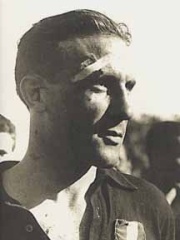
Aldo Ballarin
1922 - 1949
HPI: 56.56
Rank: 175
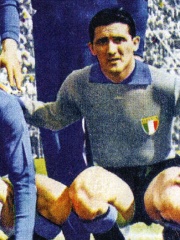
Giovanni Viola
1926 - 2008
HPI: 56.52
Rank: 176
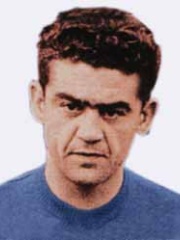
Carlo Annovazzi
1925 - 1980
HPI: 56.47
Rank: 177
Riccardo Montolivo
1985 - Present
HPI: 56.42
Rank: 178
Luciano Federici
1938 - 2020
HPI: 56.42
Rank: 179
Emilio Caprile
1928 - 2020
HPI: 56.42
Rank: 180
Luigi Cevenini
1895 - 1968
HPI: 56.42
Rank: 181
Bruno Mora
1937 - 1986
HPI: 56.41
Rank: 182
Amedeo Carboni
1965 - Present
HPI: 56.41
Rank: 183
Luigi Radice
1935 - 2018
HPI: 56.40
Rank: 184

Gino Rossetti
1904 - 1992
HPI: 56.37
Rank: 185
Gino Cappello
1920 - 1990
HPI: 56.28
Rank: 186

Osvaldo Fattori
1922 - 2017
HPI: 56.26
Rank: 187




