政治家
Lugalbanda
JA.WIKIPEDIA ページビュー (PV)
 Lugalbanda
知名度指標
80k
ページビュー
過去12か月
64.27
HPI
歴史的人気指数
データインサイト
31
Lugalbandaの伝記はウィキペディアの31言語版に掲載され、歴史的人気指数は64.27です。
Lugalbandaの言語別ページビュー
政治家の中で
政治家の中で、Lugalbandaは20,022人中6,925位です。 彼より上位:René Mayer, Henry L. Stimson, Armand de Vignerot du Plessis, Camille d'Hostun, duc de Tallard, Chung Hong-won, 、Tullia Minor. 彼より下位:Ragnvald Knaphövde, José Antonio Aguirre, Jean-Antoine Marbot, Sergius I of Constantinople, Ramón Grau, 、Otto I, Duke of Carinthia.
ウィキペディアで最も人気のある政治家
すべてのランキングを見る

René Mayer
1895 - 1972
HPI: 64.28
順位: 6,922
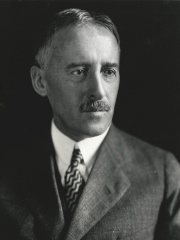
Henry L. Stimson
1867 - 1950
HPI: 64.28
順位: 6,923

Armand de Vignerot du Plessis
1696 - 1788
HPI: 64.28
順位: 6,924

Camille d'Hostun, duc de Tallard
1652 - 1728
HPI: 64.28
順位: 6,925

Chung Hong-won
1944 - 現在
HPI: 64.27
順位: 6,926

Tullia Minor
紀元前600 - 現在
HPI: 64.27
順位: 6,927
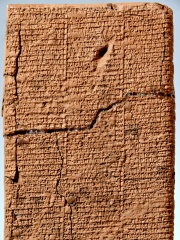
Lugalbanda
HPI: 64.27
順位: 6,928

Ragnvald Knaphövde
1100 - 1126
HPI: 64.27
順位: 6,929

José Antonio Aguirre
1904 - 1960
HPI: 64.27
順位: 6,930
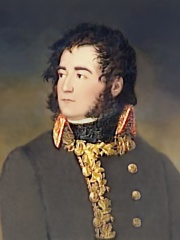
Jean-Antoine Marbot
1754 - 1800
HPI: 64.27
順位: 6,931

Sergius I of Constantinople
565 - 638
HPI: 64.27
順位: 6,932

Ramón Grau
1881 - 1969
HPI: 64.27
順位: 6,933

Otto I, Duke of Carinthia
948 - 1004
HPI: 64.26
順位: 6,934

イラクの中で
イラク生まれの人の中で、Lugalbandaは414人中181位です。 彼より上位:Ibn Muqla (886), Barzan Ibrahim al-Tikriti (1951), Ninus (null), Zubaidah bint Ja`far (766), Ignatius Zakka I Iwas (1931), 、Diogenes of Babylon (-240). 彼より下位:Ibrahim al-Jaafari (1947), Ayad Allawi (1944), Abu Mahdi al-Muhandis (1954), Al-Hakim I (1247), Rimush (null), 、Samsu-Ditana (-1700).
イラク生まれのその他の人物
すべてのランキングを見る
Ibn Muqla
POLITICIAN
886 - 940
HPI: 64.56
順位: 175

Barzan Ibrahim al-Tikriti
POLITICIAN
1951 - 2007
HPI: 64.53
順位: 176

Ninus
POLITICIAN
HPI: 64.46
順位: 177

Zubaidah bint Ja`far
POLITICIAN
766 - 831
HPI: 64.45
順位: 178

Ignatius Zakka I Iwas
RELIGIOUS FIGURE
1931 - 2014
HPI: 64.37
順位: 179

Diogenes of Babylon
PHILOSOPHER
紀元前240 - 紀元前150
HPI: 64.30
順位: 180
Lugalbanda
POLITICIAN
HPI: 64.27
順位: 181

Ibrahim al-Jaafari
POLITICIAN
1947 - 2025
HPI: 64.23
順位: 182

Ayad Allawi
POLITICIAN
1944 - 現在
HPI: 64.22
順位: 183

Abu Mahdi al-Muhandis
POLITICIAN
1954 - 2020
HPI: 64.15
順位: 184

Al-Hakim I
POLITICIAN
1247 - 1302
HPI: 64.12
順位: 185
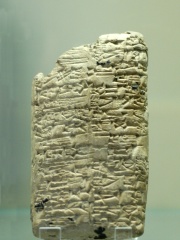
Rimush
POLITICIAN
HPI: 64.11
順位: 186

Samsu-Ditana
POLITICIAN
紀元前1700 - 紀元前1600
HPI: 64.03
順位: 187
イラクの政治家の中で
イラク生まれの政治家の中で、Lugalbandaは119位です。 彼より上位:Eannatum (-2500), Mahmud Barzanji (1878), Ibn Muqla (886), Barzan Ibrahim al-Tikriti (1951), Ninus (null), 、Zubaidah bint Ja`far (766). 彼より下位:Ibrahim al-Jaafari (1947), Ayad Allawi (1944), Abu Mahdi al-Muhandis (1954), Al-Hakim I (1247), Rimush (null), 、Samsu-Ditana (-1700).
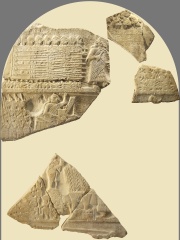
Eannatum
紀元前2500 - 紀元前2425
HPI: 64.80
順位: 113
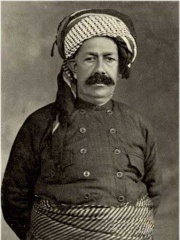
Mahmud Barzanji
1878 - 1956
HPI: 64.75
順位: 114
Ibn Muqla
886 - 940
HPI: 64.56
順位: 115
Barzan Ibrahim al-Tikriti
1951 - 2007
HPI: 64.53
順位: 116
Ninus
HPI: 64.46
順位: 117
Zubaidah bint Ja`far
766 - 831
HPI: 64.45
順位: 118
Lugalbanda
HPI: 64.27
順位: 119
Ibrahim al-Jaafari
1947 - 2025
HPI: 64.23
順位: 120
Ayad Allawi
1944 - 現在
HPI: 64.22
順位: 121
Abu Mahdi al-Muhandis
1954 - 2020
HPI: 64.15
順位: 122
Al-Hakim I
1247 - 1302
HPI: 64.12
順位: 123
Rimush
HPI: 64.11
順位: 124
Samsu-Ditana
紀元前1700 - 紀元前1600
HPI: 64.03
順位: 125




