Composer
Kurt Weill
German composer
1900 - 1950
EN.WIKIPEDIA PAGE VIEWS (PV)
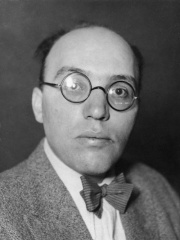
 Kurt Weill
His biography is available in 50 different languages on Wikipedia. Kurt Weill is the 164th most popular composer (down from 145th in 2024), the 630th most popular biography from Germany (down from 552nd in 2019) and the 25th most popular German Composer.
Kurt Weill is most famous for his compositions of the Broadway musicals "Threepenny Opera" and "The Rise and Fall of the City of Mahagonny."
Memorability Metrics
240k
Page Views
Past 12 months
71.16
HPI
Historical Popularity Index
Data Insights
Page views of Kurt Weill by language
Among Composers
Among composers, Kurt Weill ranks 164 out of 1,493. Before him are César Cui, Wilhelm Friedemann Bach, Enrique Granados, Iannis Xenakis, Eduard Strauss, and Émile Jaques-Dalcroze. After him are Adrian Willaert, William Byrd, Karol Szymanowski, Hugo Wolf, Jan Pieterszoon Sweelinck, and Ryuichi Sakamoto.
Most Popular Composers in Wikipedia
Go to all Rankings
César Cui
1835 - 1918
HPI: 71.42
Rank: 158
Wilhelm Friedemann Bach
1710 - 1784
HPI: 71.37
Rank: 159
Enrique Granados
1867 - 1916
HPI: 71.33
Rank: 160
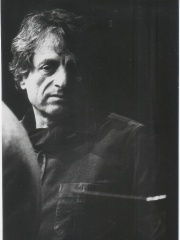
Iannis Xenakis
1922 - 2001
HPI: 71.29
Rank: 161
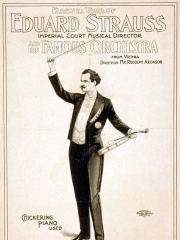
Eduard Strauss
1835 - 1916
HPI: 71.20
Rank: 162
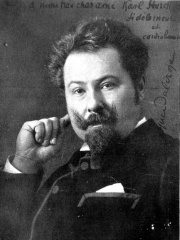
Émile Jaques-Dalcroze
1865 - 1950
HPI: 71.17
Rank: 163
Kurt Weill
1900 - 1950
HPI: 71.16
Rank: 164
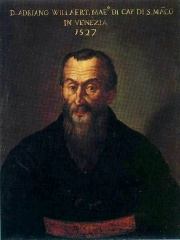
Adrian Willaert
1490 - 1562
HPI: 71.12
Rank: 165
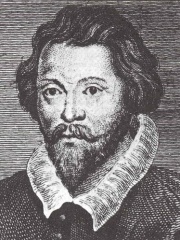
William Byrd
1543 - 1623
HPI: 71.09
Rank: 166
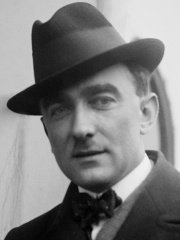
Karol Szymanowski
1882 - 1937
HPI: 71.08
Rank: 167
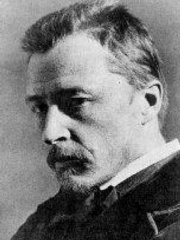
Hugo Wolf
1860 - 1903
HPI: 71.06
Rank: 168

Jan Pieterszoon Sweelinck
1562 - 1621
HPI: 71.04
Rank: 169
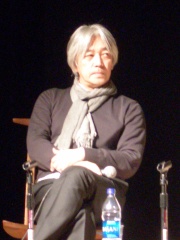
Ryuichi Sakamoto
1952 - 2023
HPI: 71.04
Rank: 170

Contemporaries
Among people born in 1900, Kurt Weill ranks 36. Before him are Ragnar Granit, Alfred Newman, Hans Fritzsche, James Hilton, Cecilia Payne-Gaposchkin, and Jan Oort. After him are Pak Hon-yong, Prince Aimone, Duke of Aosta, Karl Wolff, Arno Breker, Choe Yong-gon, and Chiune Sugihara. Among people deceased in 1950, Kurt Weill ranks 20. Before him are Karl Renner, George Minot, Edgar Rice Burroughs, Willis Carrier, Sri Aurobindo, and Émile Jaques-Dalcroze. After him are Ramana Maharshi, Emil Jannings, Princess Victoria of Hesse and by Rhine, Karl Seitz, Roman Shukhevych, and Nicolai Hartmann.
Others Born in 1900
Go to all Rankings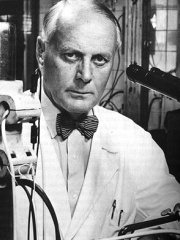
Ragnar Granit
PHYSICIAN
1900 - 1991
HPI: 72.21
Rank: 30
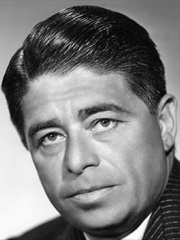
Alfred Newman
COMPOSER
1900 - 1970
HPI: 72.16
Rank: 31

Hans Fritzsche
POLITICIAN
1900 - 1953
HPI: 72.03
Rank: 32
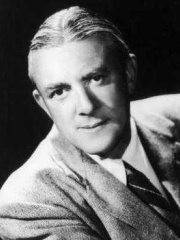
James Hilton
WRITER
1900 - 1954
HPI: 72.02
Rank: 33
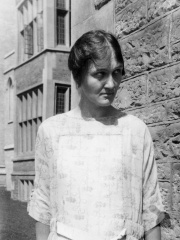
Cecilia Payne-Gaposchkin
ASTRONOMER
1900 - 1979
HPI: 71.96
Rank: 34
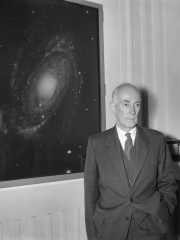
Jan Oort
ASTRONOMER
1900 - 1992
HPI: 71.29
Rank: 35
Kurt Weill
COMPOSER
1900 - 1950
HPI: 71.16
Rank: 36
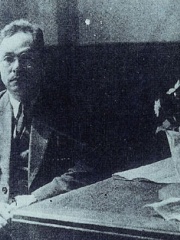
Pak Hon-yong
POLITICIAN
1900 - 1955
HPI: 71.12
Rank: 37
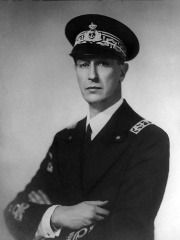
Prince Aimone, Duke of Aosta
POLITICIAN
1900 - 1948
HPI: 70.82
Rank: 38
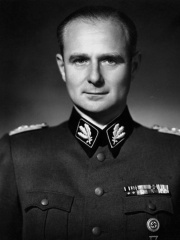
Karl Wolff
MILITARY PERSONNEL
1900 - 1984
HPI: 70.65
Rank: 39
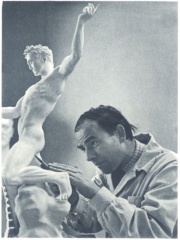
Arno Breker
ARCHITECT
1900 - 1991
HPI: 70.57
Rank: 40
Choe Yong-gon
POLITICIAN
1900 - 1976
HPI: 70.53
Rank: 41
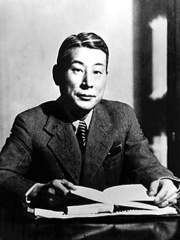
Chiune Sugihara
DIPLOMAT
1900 - 1986
HPI: 70.27
Rank: 42
Others Deceased in 1950
Go to all Rankings
Karl Renner
POLITICIAN
1870 - 1950
HPI: 72.22
Rank: 14
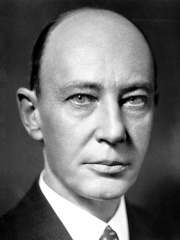
George Minot
PHYSICIAN
1885 - 1950
HPI: 71.60
Rank: 15
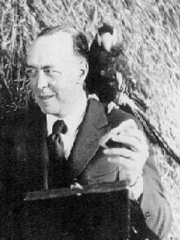
Edgar Rice Burroughs
WRITER
1875 - 1950
HPI: 71.38
Rank: 16
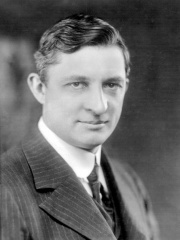
Willis Carrier
INVENTOR
1876 - 1950
HPI: 71.24
Rank: 17
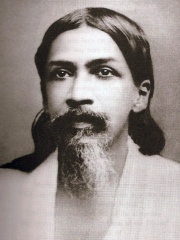
Sri Aurobindo
PHILOSOPHER
1872 - 1950
HPI: 71.21
Rank: 18
Émile Jaques-Dalcroze
COMPOSER
1865 - 1950
HPI: 71.17
Rank: 19
Kurt Weill
COMPOSER
1900 - 1950
HPI: 71.16
Rank: 20
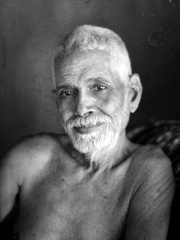
Ramana Maharshi
PHILOSOPHER
1879 - 1950
HPI: 71.16
Rank: 21
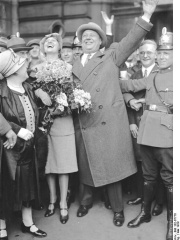
Emil Jannings
ACTOR
1884 - 1950
HPI: 70.94
Rank: 22
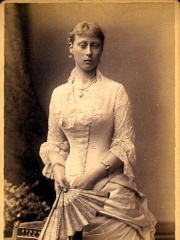
Princess Victoria of Hesse and by Rhine
COMPANION
1863 - 1950
HPI: 70.93
Rank: 23
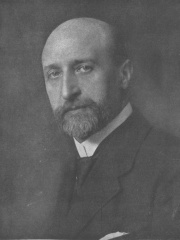
Karl Seitz
POLITICIAN
1869 - 1950
HPI: 69.86
Rank: 24
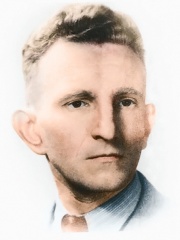
Roman Shukhevych
MILITARY PERSONNEL
1907 - 1950
HPI: 69.79
Rank: 25
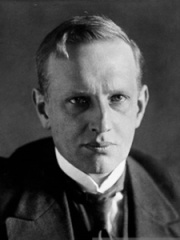
Nicolai Hartmann
PHILOSOPHER
1882 - 1950
HPI: 69.77
Rank: 26
In Germany
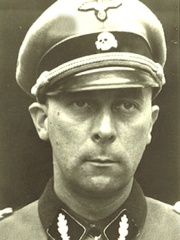
Among people born in Germany, Kurt Weill ranks 630 out of 8,184. Before him are Henri Nestlé (1814), Georg Wittig (1897), Elsa Einstein (1876), Franz Boas (1858), Ernst Mayr (1904), and Wolfgang Petersen (1941). After him are Walter Baade (1893), Adolf Galland (1912), Klaus Mann (1906), Helmut Newton (1920), Hans Jonas (1903), and Wilhelm Mohnke (1911).
Others born in Germany
Go to all Rankings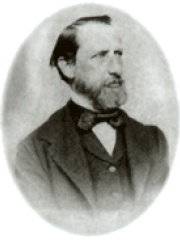
Henri Nestlé
BUSINESSPERSON
1814 - 1890
HPI: 71.27
Rank: 624
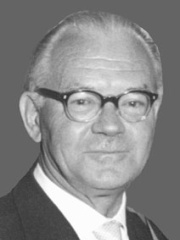
Georg Wittig
CHEMIST
1897 - 1987
HPI: 71.26
Rank: 625
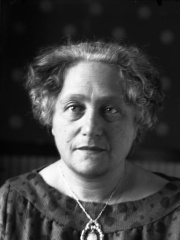
Elsa Einstein
POLITICIAN
1876 - 1936
HPI: 71.21
Rank: 626
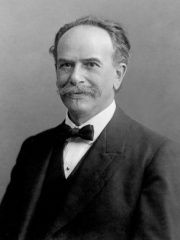
Franz Boas
ANTHROPOLOGIST
1858 - 1942
HPI: 71.19
Rank: 627
Ernst Mayr
BIOLOGIST
1904 - 2005
HPI: 71.17
Rank: 628

Wolfgang Petersen
FILM DIRECTOR
1941 - 2022
HPI: 71.17
Rank: 629
Kurt Weill
COMPOSER
1900 - 1950
HPI: 71.16
Rank: 630
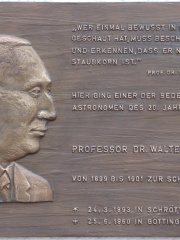
Walter Baade
ASTRONOMER
1893 - 1960
HPI: 71.15
Rank: 631
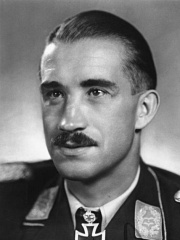
Adolf Galland
PILOT
1912 - 1996
HPI: 71.11
Rank: 632
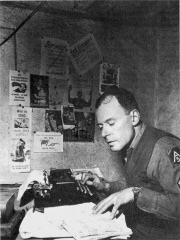
Klaus Mann
WRITER
1906 - 1949
HPI: 71.10
Rank: 633
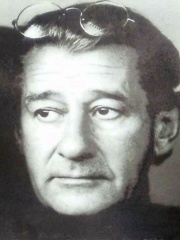
Helmut Newton
PHOTOGRAPHER
1920 - 2004
HPI: 71.10
Rank: 634
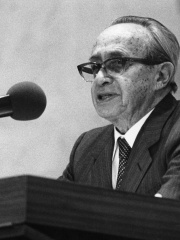
Hans Jonas
PHILOSOPHER
1903 - 1993
HPI: 71.09
Rank: 635
Wilhelm Mohnke
MILITARY PERSONNEL
1911 - 2001
HPI: 71.08
Rank: 636
Among Composers In Germany
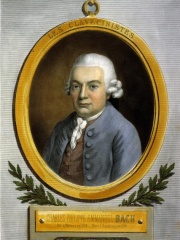
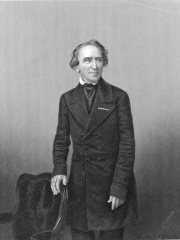
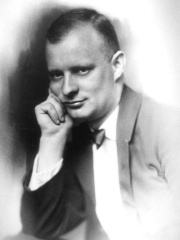
Among composers born in Germany, Kurt Weill ranks 25. Before him are Carl Philipp Emanuel Bach (1714), Giacomo Meyerbeer (1791), Paul Hindemith (1895), Max Bruch (1838), Fanny Mendelssohn (1805), and Wilhelm Friedemann Bach (1710). After him are Johann Christoph Friedrich Bach (1732), Max Reger (1873), Louis Spohr (1784), Johann Adolph Hasse (1699), Michael Praetorius (1571), and Johann Ambrosius Bach (1645).
Carl Philipp Emanuel Bach
1714 - 1788
HPI: 75.02
Rank: 19
Giacomo Meyerbeer
1791 - 1864
HPI: 74.51
Rank: 20
Paul Hindemith
1895 - 1963
HPI: 74.17
Rank: 21
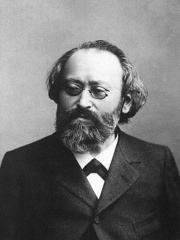
Max Bruch
1838 - 1920
HPI: 73.61
Rank: 22
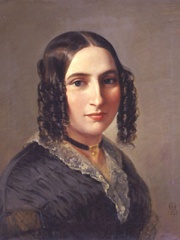
Fanny Mendelssohn
1805 - 1847
HPI: 72.82
Rank: 23
Wilhelm Friedemann Bach
1710 - 1784
HPI: 71.37
Rank: 24
Kurt Weill
1900 - 1950
HPI: 71.16
Rank: 25
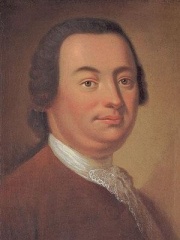
Johann Christoph Friedrich Bach
1732 - 1795
HPI: 71.00
Rank: 26
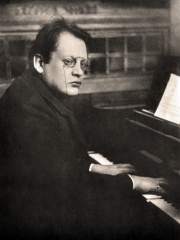
Max Reger
1873 - 1916
HPI: 70.70
Rank: 27
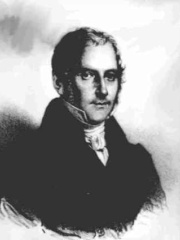
Louis Spohr
1784 - 1859
HPI: 70.26
Rank: 28
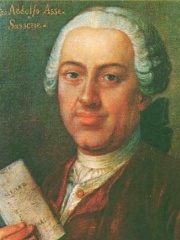
Johann Adolph Hasse
1699 - 1783
HPI: 70.14
Rank: 29
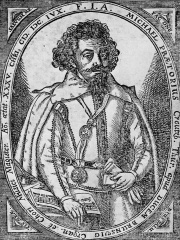
Michael Praetorius
1571 - 1621
HPI: 69.93
Rank: 30
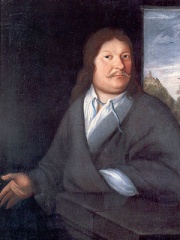
Johann Ambrosius Bach
1645 - 1695
HPI: 69.77
Rank: 31




