Спортсмен
Kim Kyong-hun
1975 - настоящее время
ПРОСМОТРЫ RU.WIKIPEDIA (PV)

 Kim Kyong-hun
Его биография доступна на 14 различных языках в Википедии. Kim Kyong-hun занимает 4359-е место среди самых популярных спортсмен, занимает 1090-е место среди самых популярных биографий из Республика Кореи и занимает 40-е место среди спортсмен Республика Корея.
Метрики памятности
2.6k
Просмотры страниц
За последние 12 месяцев
42.21
HPI
Индекс исторической популярности
Интересные факты
14
Биография Kim Kyong-hun представлена в 14 языковых разделах Википедии, а Индекс исторической популярности составляет 42.21.
Просмотры страницы Kim Kyong-hun по языкам
Среди представителей профессии «Спортсмен»
Среди представителей профессии «Спортсмен» Kim Kyong-hun занимает 4,359-е место из 13,875. Перед ним идут Andreja Mali, Dmitriy Gaag, Sergio Fernández, Roland Kökény, Milton Wynants, и Emma Snowsill. После него идут Živilė Balčiūnaitė, Dae-ho Lee, Asbel Kiprop, Hyvin Jepkemoi, Susan Dunklee, и Anett Schuck.
Самые популярные в Википедии: Спортсмен
Все рейтинги

Andreja Mali
1977 - наст. время
HPI: 42.23
Место: 4,353

Dmitriy Gaag
1971 - наст. время
HPI: 42.23
Место: 4,354

Sergio Fernández
HPI: 42.22
Место: 4,355

Roland Kökény
1975 - наст. время
HPI: 42.22
Место: 4,356
Milton Wynants
1972 - наст. время
HPI: 42.22
Место: 4,357

Emma Snowsill
1981 - наст. время
HPI: 42.22
Место: 4,358
Kim Kyong-hun
1975 - наст. время
HPI: 42.21
Место: 4,359

Živilė Balčiūnaitė
1979 - наст. время
HPI: 42.21
Место: 4,360

Dae-ho Lee
1982 - наст. время
HPI: 42.21
Место: 4,361
Asbel Kiprop
1989 - наст. время
HPI: 42.21
Место: 4,362

Hyvin Jepkemoi
1992 - наст. время
HPI: 42.20
Место: 4,363
Susan Dunklee
1986 - наст. время
HPI: 42.20
Место: 4,364

Anett Schuck
1970 - наст. время
HPI: 42.20
Место: 4,365

Современники
Среди людей, родившихся в 1975 году, Kim Kyong-hun занимает 948-е место. Перед ним идут Shinichi Sato, Venetian Snares, Djaili Amadou Amal, Roland Kökény, Adnan Gušo, и Altin Haxhi. После него идут Barbara Pompili, Renate Lingor, Imants Bleidelis, Siegfried Grabner, Antonella Confortola, и Rune Eriksen.
Другие люди, родившиеся в 1975 году
Все рейтинги
Shinichi Sato
SOCCER PLAYER
1975 - наст. время
HPI: 42.24
Место: 942

Venetian Snares
COMPOSER
1975 - наст. время
HPI: 42.23
Место: 943

Djaili Amadou Amal
WRITER
1975 - наст. время
HPI: 42.22
Место: 944
Roland Kökény
ATHLETE
1975 - наст. время
HPI: 42.22
Место: 945

Adnan Gušo
SOCCER PLAYER
1975 - наст. время
HPI: 42.22
Место: 946

Altin Haxhi
SOCCER PLAYER
1975 - наст. время
HPI: 42.22
Место: 947
Kim Kyong-hun
ATHLETE
1975 - наст. время
HPI: 42.21
Место: 948

Barbara Pompili
POLITICIAN
1975 - наст. время
HPI: 42.21
Место: 949

Renate Lingor
SOCCER PLAYER
1975 - наст. время
HPI: 42.20
Место: 950

Imants Bleidelis
SOCCER PLAYER
1975 - наст. время
HPI: 42.16
Место: 951

Siegfried Grabner
ATHLETE
1975 - наст. время
HPI: 42.15
Место: 952
Antonella Confortola
SKIER
1975 - наст. время
HPI: 42.12
Место: 953

Rune Eriksen
MUSICIAN
1975 - наст. время
HPI: 42.11
Место: 954
В стране Республика Корея
Среди людей, родившихся в стране Республика Корея, Kim Kyong-hun занимает 1,090-е место из 1,519. Перед ним идут Jung Ha-na (1990), Celine Song (1988), Kim Nam-joo (1995), Heo Young-ji (1994), Yoon Hye-young (1977), и Yeonwoo (1996). После него идут Huh Gak (1984), Cha In-ha (1992), Dae-ho Lee (1982), Jeno (2000), Heize (1991), и Cha Dong-min (1986).
Другие люди, родившиеся в стране Республика Корея
Все рейтинги
Jung Ha-na
SINGER
1990 - наст. время
HPI: 42.37
Место: 1,084

Celine Song
FILM DIRECTOR
1988 - наст. время
HPI: 42.36
Место: 1,085

Kim Nam-joo
ACTOR
1995 - наст. время
HPI: 42.35
Место: 1,086

Heo Young-ji
SINGER
1994 - наст. время
HPI: 42.29
Место: 1,087

Yoon Hye-young
ATHLETE
1977 - наст. время
HPI: 42.25
Место: 1,088

Yeonwoo
ACTOR
1996 - наст. время
HPI: 42.22
Место: 1,089
Kim Kyong-hun
ATHLETE
1975 - наст. время
HPI: 42.21
Место: 1,090

Huh Gak
SINGER
1984 - наст. время
HPI: 42.21
Место: 1,091

Cha In-ha
ACTOR
1992 - 2019
HPI: 42.21
Место: 1,092
Dae-ho Lee
ATHLETE
1982 - наст. время
HPI: 42.21
Место: 1,093

Jeno
SINGER
2000 - наст. время
HPI: 42.19
Место: 1,094

Heize
SINGER
1991 - наст. время
HPI: 42.18
Место: 1,095

Cha Dong-min
MARTIAL ARTS
1986 - наст. время
HPI: 42.16
Место: 1,096
Среди представителей профессии «Спортсмен» в стране Республика Корея
Среди представителей профессии «Спортсмен», родившихся в стране Республика Корея, Kim Kyong-hun занимает 40-е место. Перед ним идут Lee Sung-jin (1985), Lee Chang-hwan (1982), Ku Bon-chan (1993), Lim Su-jeong (1986), Lee Bong-ju (1970), и Yoon Hye-young (1977). После него идут Dae-ho Lee (1982), Son Tae-jin (1988), Ren Hayakawa (1987), Lee Seung-yun (1995), Moon Dae-sung (1976), и Seung-hwan Oh (1982).
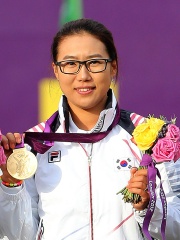
Lee Sung-jin
1985 - наст. время
HPI: 42.93
Место: 34

Lee Chang-hwan
1982 - наст. время
HPI: 42.87
Место: 35
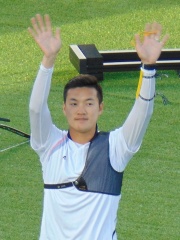
Ku Bon-chan
1993 - наст. время
HPI: 42.66
Место: 36

Lim Su-jeong
1986 - наст. время
HPI: 42.63
Место: 37
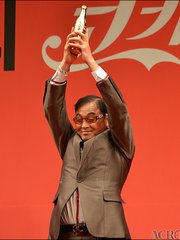
Lee Bong-ju
1970 - наст. время
HPI: 42.50
Место: 38
Yoon Hye-young
1977 - наст. время
HPI: 42.25
Место: 39
Kim Kyong-hun
1975 - наст. время
HPI: 42.21
Место: 40
Dae-ho Lee
1982 - наст. время
HPI: 42.21
Место: 41

Son Tae-jin
1988 - наст. время
HPI: 42.09
Место: 42

Ren Hayakawa
1987 - наст. время
HPI: 42.05
Место: 43

Lee Seung-yun
1995 - наст. время
HPI: 41.70
Место: 44

Moon Dae-sung
1976 - наст. время
HPI: 41.54
Место: 45

Seung-hwan Oh
1982 - наст. время
HPI: 41.48
Место: 46




