Politiker
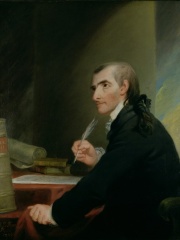
Jonathan Dayton
1760 - 1824
DE.WIKIPEDIA-SEITENAUFRUFE (PV)
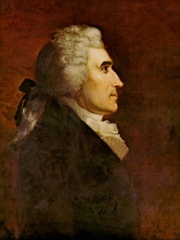
 Jonathan Dayton
Seine Biografie ist in 23 verschiedenen Sprachen auf Wikipedia verfügbar. Jonathan Dayton ist der 17,069th beliebteste Politiker (gesunken vom 17,055th im Jahr 2024), die 10,829th beliebteste Biografie aus Vereinigte Staaten (gestiegen vom 11,418th im Jahr 2019) und der 819th beliebteste aus den Vereinigte Staaten Politiker.
Bekanntheitsmetriken
24k
Seitenaufrufe
Letzte 12 Monate
52.00
HPI
Historischer Popularitätsindex
Seitenaufrufe von Jonathan Dayton nach Sprache
Unter Politiker
Unter Politiker belegt Jonathan Dayton Rang 17,062 von 19,576. Vor ihm stehen Choe Son-hui, Jeremiah Denton, Ivan Korčok, Eugenia Roccella, Oksana Markarova, und Saufatu Sopoanga. Nach ihm folgen Mickey Kantor, Štefan Füle, Annette Schavan, Viktor Kuzkin, Miguel Arias Cañete, und Lansana Kouyaté.
Die beliebtesten Politiker auf Wikipedia
Zu allen Ranglisten
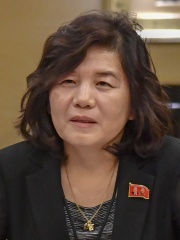
Choe Son-hui
1964 - heute
HPI: 52.02
Rang: 17,063
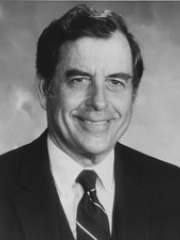
Jeremiah Denton
1924 - 2014
HPI: 52.01
Rang: 17,064

Ivan Korčok
1964 - heute
HPI: 52.01
Rang: 17,065

Eugenia Roccella
1953 - heute
HPI: 52.01
Rang: 17,066
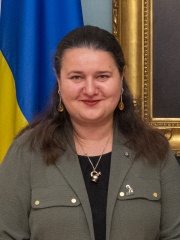
Oksana Markarova
1976 - heute
HPI: 52.00
Rang: 17,067
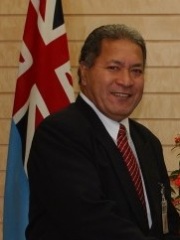
Saufatu Sopoanga
1952 - 2020
HPI: 52.00
Rang: 17,068
Jonathan Dayton
1760 - 1824
HPI: 52.00
Rang: 17,069
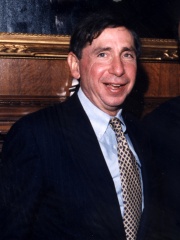
Mickey Kantor
1939 - heute
HPI: 51.99
Rang: 17,070

Štefan Füle
1962 - heute
HPI: 51.99
Rang: 17,071
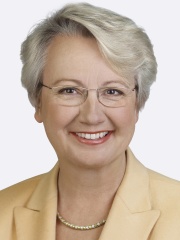
Annette Schavan
1955 - heute
HPI: 51.99
Rang: 17,072

Viktor Kuzkin
1940 - 2008
HPI: 51.99
Rang: 17,073
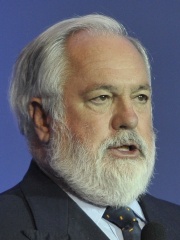
Miguel Arias Cañete
1950 - heute
HPI: 51.99
Rang: 17,074
Lansana Kouyaté
1950 - heute
HPI: 51.99
Rang: 17,075

Zeitgenossen
Unter den im Jahr 1760 Geborenen belegt Jonathan Dayton Rang 38. Vor ihm stehen Mohammad Ali Khan Zand, Lemuel Francis Abbott, Ferdinand Bauer, Maria Cosway, Ivan Dmitriev, und Thomas Clarkson. Unter den im Jahr 1824 Verstorbenen belegt Jonathan Dayton Rang 38. Vor ihm stehen Fyodor Alekseyev, Hans Nielsen Hauge, André Thouin, Lachlan Macquarie, Ludwig Wilhelm Gilbert, und François Levaillant. Nach ihm folgen Mah Laqa Bai, Jane Taylor, und Charles Pinckney.
Weitere im Jahr 1760 Geborene
Zu allen Ranglisten
Mohammad Ali Khan Zand
POLITICIAN
1760 - 1779
HPI: 58.62
Rang: 32
Lemuel Francis Abbott
PAINTER
1760 - 1803
HPI: 55.58
Rang: 33
Ferdinand Bauer
PAINTER
1760 - 1826
HPI: 54.75
Rang: 34
Maria Cosway
PAINTER
1760 - 1838
HPI: 54.48
Rang: 35
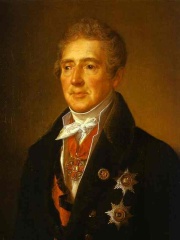
Ivan Dmitriev
WRITER
1760 - 1837
HPI: 54.02
Rang: 36
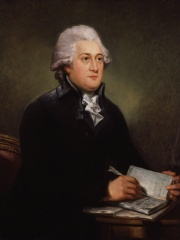
Thomas Clarkson
SOCIAL ACTIVIST
1760 - 1846
HPI: 53.54
Rang: 37
Jonathan Dayton
POLITICIAN
1760 - 1824
HPI: 52.00
Rang: 38
Weitere im Jahr 1824 Verstorbene
Zu allen Ranglisten
Fyodor Alekseyev
PAINTER
1753 - 1824
HPI: 59.28
Rang: 32
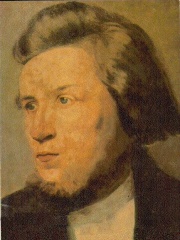
Hans Nielsen Hauge
WRITER
1771 - 1824
HPI: 56.75
Rang: 33
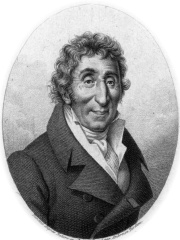
André Thouin
BIOLOGIST
1746 - 1824
HPI: 56.46
Rang: 34
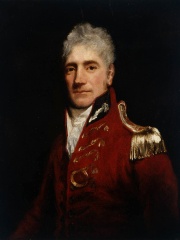
Lachlan Macquarie
EXPLORER
1762 - 1824
HPI: 56.41
Rang: 35
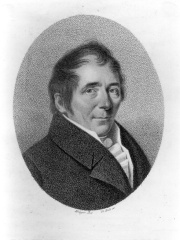
Ludwig Wilhelm Gilbert
PHYSICIST
1769 - 1824
HPI: 55.17
Rang: 36
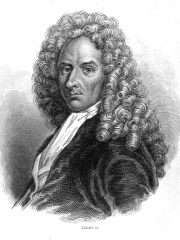
François Levaillant
EXPLORER
1753 - 1824
HPI: 54.89
Rang: 37
Jonathan Dayton
POLITICIAN
1760 - 1824
HPI: 52.00
Rang: 38
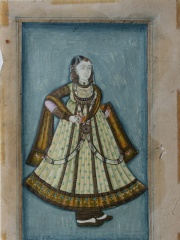
Mah Laqa Bai
WRITER
1768 - 1824
HPI: 51.16
Rang: 39
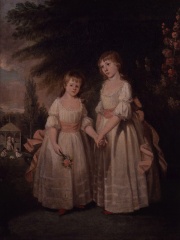
Jane Taylor
WRITER
1783 - 1824
HPI: 48.49
Rang: 40
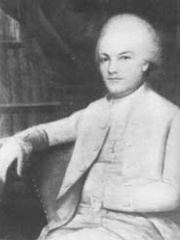
Charles Pinckney
POLITICIAN
1757 - 1824
HPI: 47.62
Rang: 41
In Vereinigte Staaten
Unter den in Vereinigte Staaten Geborenen belegt Jonathan Dayton Rang 10,829 von NaN. Vor ihm stehen Paul Stewart (1908), J. Alden Weir (1852), Albert Heath (1935), John McCloskey (1810), Melvin Frank (1913), und Evelyn Brent (1895). Nach ihm folgen Mamie Smith (1891), Annette Funicello (1942), Donald A. Wollheim (1914), Don Dokken (1953), John Logan (1961), und Mickey Kantor (1939).
Weitere in Vereinigte Staaten geborene Personen
Zu allen Ranglisten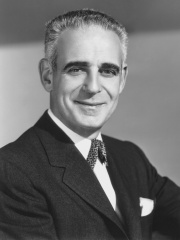
Paul Stewart
ACTOR
1908 - 1986
HPI: 52.01
Rang: 10,823
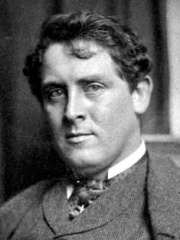
J. Alden Weir
PAINTER
1852 - 1919
HPI: 52.01
Rang: 10,824
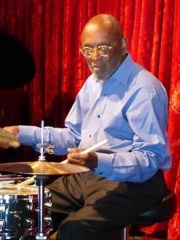
Albert Heath
MUSICIAN
1935 - 2024
HPI: 52.00
Rang: 10,825
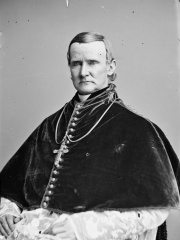
John McCloskey
RELIGIOUS FIGURE
1810 - 1885
HPI: 52.00
Rang: 10,826

Melvin Frank
FILM DIRECTOR
1913 - 1988
HPI: 52.00
Rang: 10,827
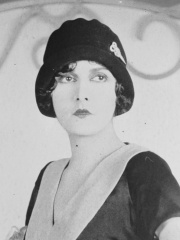
Evelyn Brent
ACTOR
1895 - 1975
HPI: 52.00
Rang: 10,828
Jonathan Dayton
POLITICIAN
1760 - 1824
HPI: 52.00
Rang: 10,829
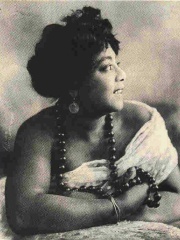
Mamie Smith
MUSICIAN
1891 - 1946
HPI: 52.00
Rang: 10,830
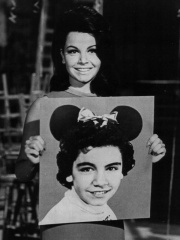
Annette Funicello
ACTOR
1942 - 2013
HPI: 52.00
Rang: 10,831
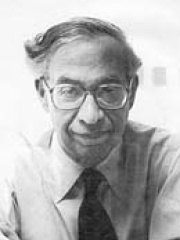
Donald A. Wollheim
WRITER
1914 - 1990
HPI: 51.99
Rang: 10,832
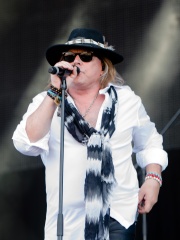
Don Dokken
SINGER
1953 - heute
HPI: 51.99
Rang: 10,833

John Logan
WRITER
1961 - heute
HPI: 51.99
Rang: 10,834
Mickey Kantor
POLITICIAN
1939 - heute
HPI: 51.99
Rang: 10,835
Unter Politiker in Vereinigte Staaten
Unter den in Vereinigte Staaten geborenen Politiker belegt Jonathan Dayton Rang 819. Vor ihm stehen Elizabeth Dole (1936), Nelson W. Aldrich (1841), Gary Hart (1936), Neil Abercrombie (1938), John Delaney (1963), und Jeremiah Denton (1924). Nach ihm folgen Mickey Kantor (1939), Max Baucus (1941), Edward Brooke (1919), Keen Johnson (1896), Stanley Wagner (1908), und Francis Hopkinson (1737).
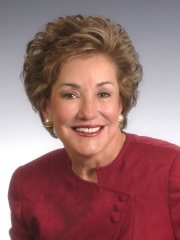
Elizabeth Dole
1936 - heute
HPI: 52.08
Rang: 813
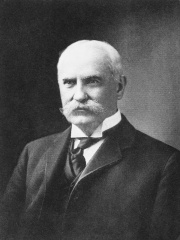
Nelson W. Aldrich
1841 - 1915
HPI: 52.07
Rang: 814
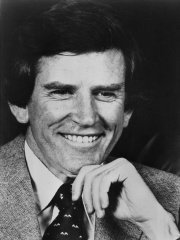
Gary Hart
1936 - heute
HPI: 52.06
Rang: 815
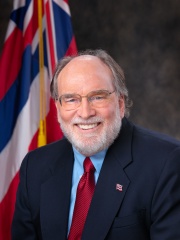
Neil Abercrombie
1938 - heute
HPI: 52.06
Rang: 816
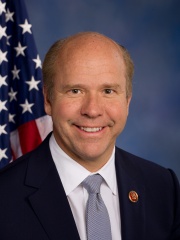
John Delaney
1963 - heute
HPI: 52.04
Rang: 817
Jeremiah Denton
1924 - 2014
HPI: 52.01
Rang: 818
Jonathan Dayton
1760 - 1824
HPI: 52.00
Rang: 819
Mickey Kantor
1939 - heute
HPI: 51.99
Rang: 820
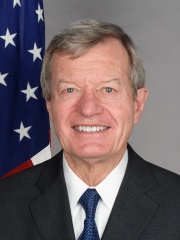
Max Baucus
1941 - heute
HPI: 51.99
Rang: 821
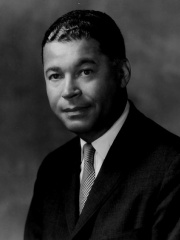
Edward Brooke
1919 - 2015
HPI: 51.94
Rang: 822
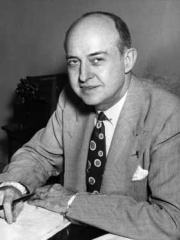
Keen Johnson
1896 - 1970
HPI: 51.94
Rang: 823

Stanley Wagner
1908 - 2002
HPI: 51.93
Rang: 824
Francis Hopkinson
1737 - 1791
HPI: 51.92
Rang: 825




