Художник-живописец
John Opie
1761 - 1807
RU.WIKIPEDIA PAGE VIEWS (PV)
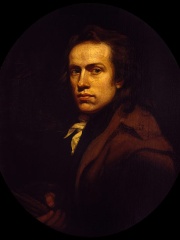
 John Opie
Его биография доступна на 18 различных языках в Википедии. John Opie занимает 1907-е место среди самых популярных художник-живописец (рост с 1938-е места в 2024 году), занимает 4788-е место среди самых популярных биографий из Великобритании (рост с 4979-е места в 2019 году) и занимает 105-е место среди художник-живописец Великобритания.
Memorability Metrics
13k
Page Views
Past 12 months
53.39
HPI
Historical Popularity Index
Page views of John Opie by language
Among Художник-живописец
Among художник-живописец, John Opie ranks 1,907 out of 2,023. Before him are Erik Pevernagie, Anna Ostroumova-Lebedeva, Marsden Hartley, Hans Scherfig, George Inness, and Samuel Colman. After him are Peter Blake, Frank Weston Benson, George Peter Alexander Healy, Martin Johnson Heade, Jacek Yerka, and Louise Rayner.
Most Popular Художник-живописец in Wikipedia
Go to all Rankings
Erik Pevernagie
1939 - Present
HPI: 53.60
Rank: 1,901
Anna Ostroumova-Lebedeva
1871 - 1955
HPI: 53.57
Rank: 1,902
Marsden Hartley
1877 - 1943
HPI: 53.53
Rank: 1,903

Hans Scherfig
1905 - 1979
HPI: 53.46
Rank: 1,904
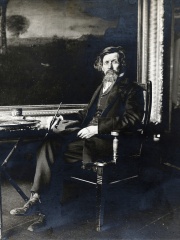
George Inness
1825 - 1894
HPI: 53.44
Rank: 1,905
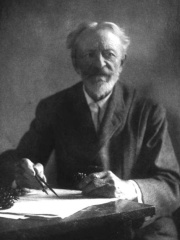
Samuel Colman
1832 - 1920
HPI: 53.41
Rank: 1,906
John Opie
1761 - 1807
HPI: 53.39
Rank: 1,907
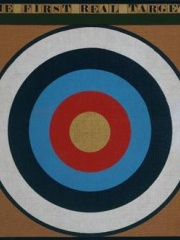
Peter Blake
1932 - Present
HPI: 53.37
Rank: 1,908
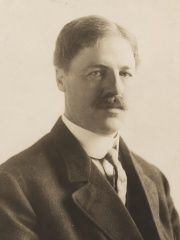
Frank Weston Benson
1862 - 1951
HPI: 53.33
Rank: 1,909
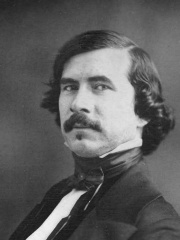
George Peter Alexander Healy
1813 - 1894
HPI: 53.32
Rank: 1,910
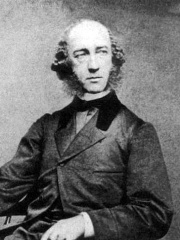
Martin Johnson Heade
1819 - 1904
HPI: 53.29
Rank: 1,911

Jacek Yerka
1952 - Present
HPI: 53.26
Rank: 1,912
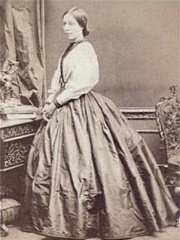
Louise Rayner
1832 - 1924
HPI: 53.26
Rank: 1,913

Contemporaries
Among people born in 1761, John Opie ranks 42. Before him are Richard Anthony Salisbury, Albert Gallatin, Samuel Dexter, Ludwig Abeille, Henry Shrapnel, and Joshua Brookes. After him are John Rennie the Elder, and Sybil Ludington. Among people deceased in 1807, John Opie ranks 30. Before him are Joseph Brant, Johann III Bernoulli, Mikhail Kheraskov, Oliver Ellsworth, Clara Reeve, and Louise du Pierry. After him are Abraham Baldwin, and Alexander Martin.
Others Born in 1761
Go to all Rankings
Richard Anthony Salisbury
BIOLOGIST
1761 - 1829
HPI: 57.46
Rank: 36
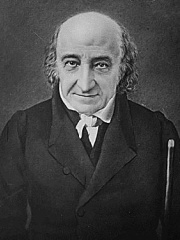
Albert Gallatin
POLITICIAN
1761 - 1849
HPI: 56.88
Rank: 37
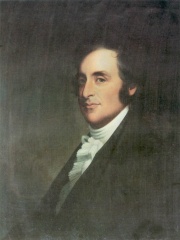
Samuel Dexter
POLITICIAN
1761 - 1816
HPI: 56.88
Rank: 38

Ludwig Abeille
COMPOSER
1761 - 1838
HPI: 55.82
Rank: 39
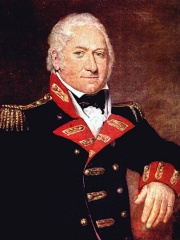
Henry Shrapnel
INVENTOR
1761 - 1842
HPI: 55.79
Rank: 40
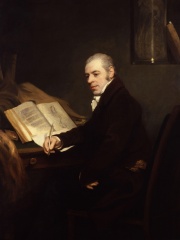
Joshua Brookes
BIOLOGIST
1761 - 1833
HPI: 55.02
Rank: 41
John Opie
PAINTER
1761 - 1807
HPI: 53.39
Rank: 42
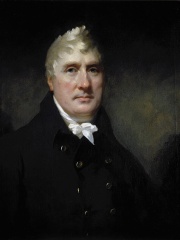
John Rennie the Elder
ENGINEER
1761 - 1821
HPI: 49.12
Rank: 43
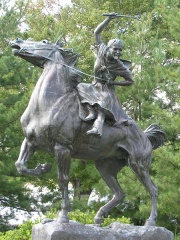
Sybil Ludington
MILITARY PERSONNEL
1761 - 1839
HPI: 45.49
Rank: 44
Others Deceased in 1807
Go to all Rankings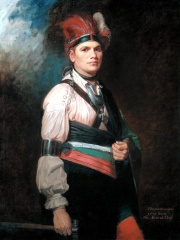
Joseph Brant
POLITICIAN
1742 - 1807
HPI: 58.92
Rank: 24
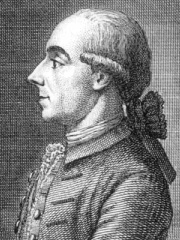
Johann III Bernoulli
ASTRONOMER
1744 - 1807
HPI: 57.66
Rank: 25
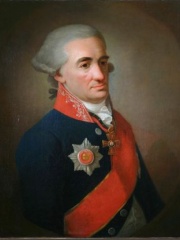
Mikhail Kheraskov
WRITER
1733 - 1807
HPI: 56.16
Rank: 26
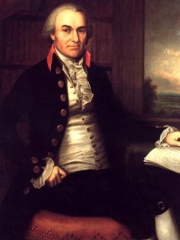
Oliver Ellsworth
POLITICIAN
1745 - 1807
HPI: 55.45
Rank: 27
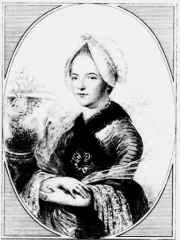
Clara Reeve
WRITER
1729 - 1807
HPI: 54.17
Rank: 28

Louise du Pierry
ASTRONOMER
1746 - 1807
HPI: 53.74
Rank: 29
John Opie
PAINTER
1761 - 1807
HPI: 53.39
Rank: 30
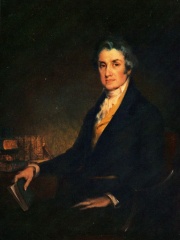
Abraham Baldwin
POLITICIAN
1754 - 1807
HPI: 51.51
Rank: 31
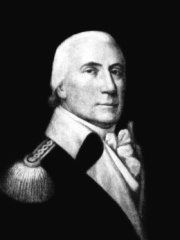
Alexander Martin
POLITICIAN
1740 - 1807
HPI: 47.89
Rank: 32
In Великобритания
Among people born in Великобритания, John Opie ranks 4,788 out of NaN. Before him are Jesse Ramsden (1735), Sharleen Spiteri (1967), Ivy Compton-Burnett (1884), Richard Thompson (1949), Eric Sykes (1923), and Samuel Arnold (1740). After him are Katherine Waterston (1980), John Ogilvie (1579), Henry Home, Lord Kames (1696), Beryl Markham (1902), Hannah Waddingham (1974), and Mark Selby (1983).
Others born in Великобритания
Go to all Rankings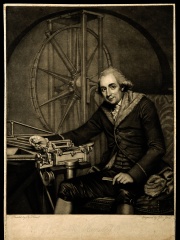
Jesse Ramsden
ENGINEER
1735 - 1800
HPI: 53.41
Rank: 4,782
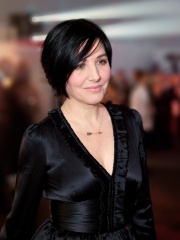
Sharleen Spiteri
MUSICIAN
1967 - Present
HPI: 53.41
Rank: 4,783
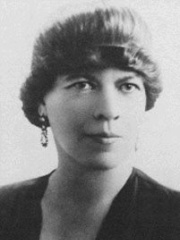
Ivy Compton-Burnett
WRITER
1884 - 1969
HPI: 53.41
Rank: 4,784
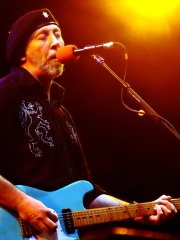
Richard Thompson
SINGER
1949 - Present
HPI: 53.40
Rank: 4,785
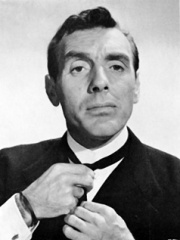
Eric Sykes
ACTOR
1923 - 2012
HPI: 53.40
Rank: 4,786
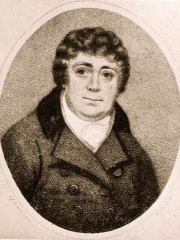
Samuel Arnold
COMPOSER
1740 - 1802
HPI: 53.40
Rank: 4,787
John Opie
PAINTER
1761 - 1807
HPI: 53.39
Rank: 4,788
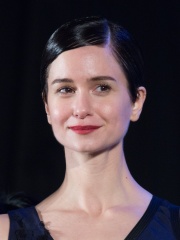
Katherine Waterston
ACTOR
1980 - Present
HPI: 53.39
Rank: 4,789
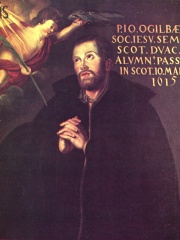
John Ogilvie
RELIGIOUS FIGURE
1579 - 1579
HPI: 53.39
Rank: 4,790

Henry Home, Lord Kames
WRITER
1696 - 1782
HPI: 53.39
Rank: 4,791
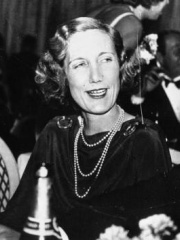
Beryl Markham
WRITER
1902 - 1986
HPI: 53.39
Rank: 4,792
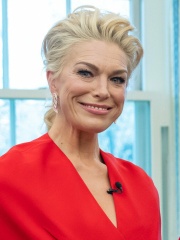
Hannah Waddingham
ACTOR
1974 - Present
HPI: 53.38
Rank: 4,793
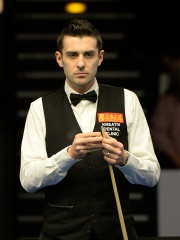
Mark Selby
SNOOKER
1983 - Present
HPI: 53.38
Rank: 4,794
Among Художник-живописец In Великобритания
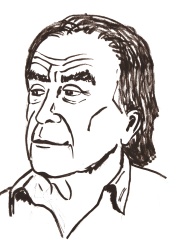
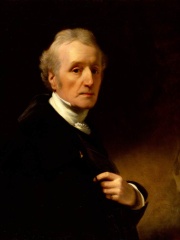
Among художник-живописец born in Великобритания, John Opie ranks 105. Before him are Edwin Long (1829), Thomas Hudson (1701), David Octavius Hill (1802), Peter Doig (1959), George Clausen (1852), and James Collinson (1825). After him are Peter Blake (1932), Louise Rayner (1832), William Duesbury (1725), Paul Nash (1889), Gerald Scarfe (1936), and Thomas Phillips (1770).
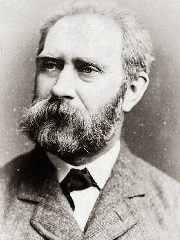
Edwin Long
1829 - 1891
HPI: 54.36
Rank: 99
Thomas Hudson
1701 - 1779
HPI: 54.21
Rank: 100
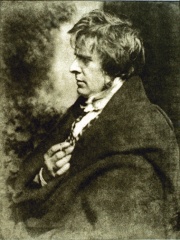
David Octavius Hill
1802 - 1870
HPI: 54.02
Rank: 101
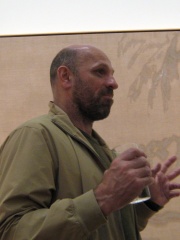
Peter Doig
1959 - Present
HPI: 54.02
Rank: 102
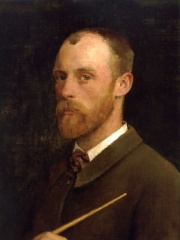
George Clausen
1852 - 1944
HPI: 53.84
Rank: 103
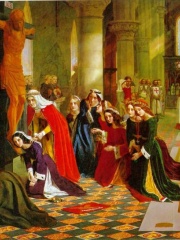
James Collinson
1825 - 1881
HPI: 53.65
Rank: 104
John Opie
1761 - 1807
HPI: 53.39
Rank: 105
Peter Blake
1932 - Present
HPI: 53.37
Rank: 106
Louise Rayner
1832 - 1924
HPI: 53.26
Rank: 107
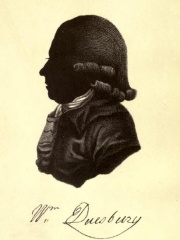
William Duesbury
1725 - 1786
HPI: 53.19
Rank: 108
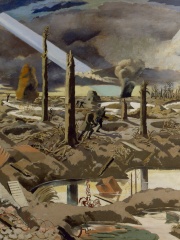
Paul Nash
1889 - 1946
HPI: 53.10
Rank: 109
Gerald Scarfe
1936 - Present
HPI: 52.88
Rank: 110
Thomas Phillips
1770 - 1845
HPI: 52.85
Rank: 111




