Politicus
Hibatullah Akhundzada
1961 - heden
NL.WIKIPEDIA-PAGINAWEERGAVEN (PV)
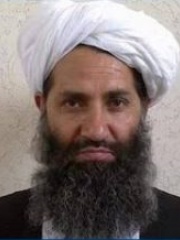
 Hibatullah Akhundzada
Zijn biografie is beschikbaar in 62 verschillende talen op Wikipedia (toegenomen van 59 in 2024). Hibatullah Akhundzada staat op plaats 1.822 onder de meest populaire politicus (gestegen van plaats 2.724 in 2024), plaats 24 onder de meest populaire biografieën uit Afghanistan (gedaald van plaats 22 in 2019) en op plaats 18 onder de populairste politicus uit Afghanistan.
Bekendheidsstatistieken
1.6M
Paginaweergaven
Afgelopen 12 maanden
72.74
HPI
Historische populariteitsindex
Data-inzichten
+2,796
Hibatullah Akhundzada steeg 2,796 plaatsen in de wereldwijde HPI-ranglijst van Pantheon, van plaats 8,584 naar 5,792.
9.9×
De Wikipedia-pagina van Hibatullah Akhundzada kreeg 1.6M weergaven in het afgelopen jaar, 9.9× het gemiddelde van alle Politicus.
#1,822 / 20k
Hibatullah Akhundzada staat op plaats 1,822 van 20,022 Politicus wereldwijd, bij de beste 10% van het vak.
Paginaweergaven van Hibatullah Akhundzada per taal
Onder Politicus
Onder Politicus staat Hibatullah Akhundzada op plaats 1,821 van 20,022. Vóór hem staan Clovis II, Moïse Tshombe, Gerard de Ridefort, Duchess Sophie Charlotte in Bavaria, Kayqubad I, en Al-Adil I. Na hem komen Al-Musta'sim, Archduchess Maria Anna of Austria, Lyudmila Putina, Frederick Augustus I of Saxony, Nestor, en Matthew Kantakouzenos.
Populairste Politicus op Wikipedia
Naar alle ranglijsten
Clovis II
635 - 657
HPI: 72.77
Plaats: 1,816
Moïse Tshombe
1919 - 1969
HPI: 72.77
Plaats: 1,817
Gerard de Ridefort
1141 - 1189
HPI: 72.76
Plaats: 1,818
Duchess Sophie Charlotte in Bavaria
1847 - 1897
HPI: 72.76
Plaats: 1,819
Kayqubad I
1188 - 1237
HPI: 72.75
Plaats: 1,820
Al-Adil I
1145 - 1218
HPI: 72.75
Plaats: 1,821
Hibatullah Akhundzada
1961 - heden
HPI: 72.74
Plaats: 1,822
Al-Musta'sim
1213 - 1258
HPI: 72.74
Plaats: 1,823
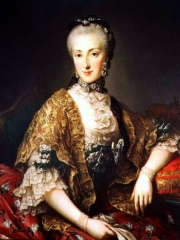
Archduchess Maria Anna of Austria
1738 - 1789
HPI: 72.74
Plaats: 1,824
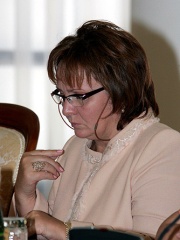
Lyudmila Putina
1958 - heden
HPI: 72.74
Plaats: 1,825
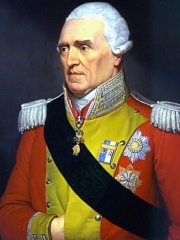
Frederick Augustus I of Saxony
1750 - 1827
HPI: 72.73
Plaats: 1,826
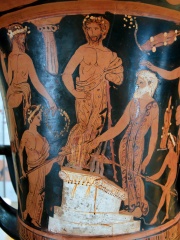
Nestor
HPI: 72.73
Plaats: 1,827
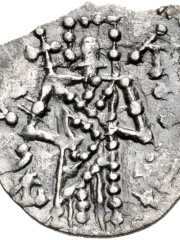
Matthew Kantakouzenos
1325 - 1383
HPI: 72.73
Plaats: 1,828

Tijdgenoten
Onder de mensen geboren in 1961 staat Hibatullah Akhundzada op plaats 13. Vóór hem staan Lothar Matthäus, Nadia Comăneci, Stephen Hillenburg, Mohammed bin Zayed Al Nahyan, Bidhya Devi Bhandari, en George Clooney. Na hem komen Eddie Murphy, António Costa, Liam Cunningham, Yanis Varoufakis, Joko Widodo, en Petr Pavel.
Anderen geboren in 1961
Naar alle ranglijsten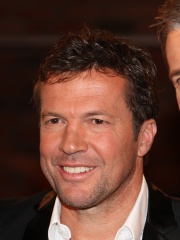
Lothar Matthäus
SOCCER PLAYER
1961 - heden
HPI: 73.76
Plaats: 7
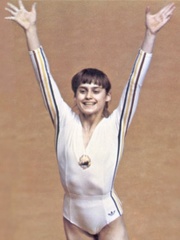
Nadia Comăneci
GYMNAST
1961 - heden
HPI: 73.73
Plaats: 8
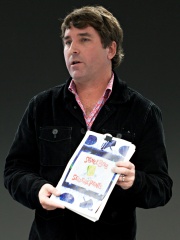
Stephen Hillenburg
FILM DIRECTOR
1961 - 2018
HPI: 73.55
Plaats: 9
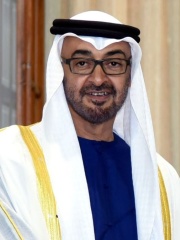
Mohammed bin Zayed Al Nahyan
POLITICIAN
1961 - heden
HPI: 73.36
Plaats: 10
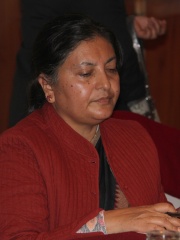
Bidhya Devi Bhandari
POLITICIAN
1961 - heden
HPI: 73.07
Plaats: 11
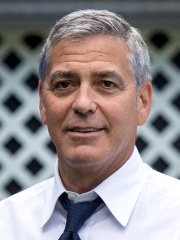
George Clooney
ACTOR
1961 - heden
HPI: 72.96
Plaats: 12
Hibatullah Akhundzada
POLITICIAN
1961 - heden
HPI: 72.74
Plaats: 13
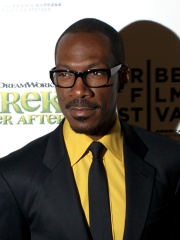
Eddie Murphy
COMEDIAN
1961 - heden
HPI: 71.90
Plaats: 14
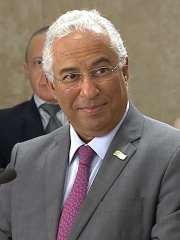
António Costa
POLITICIAN
1961 - heden
HPI: 71.73
Plaats: 15
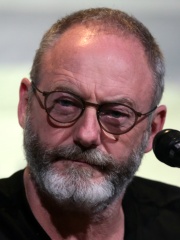
Liam Cunningham
ACTOR
1961 - heden
HPI: 70.48
Plaats: 16
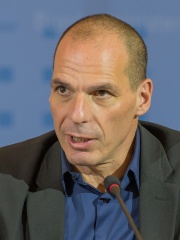
Yanis Varoufakis
POLITICIAN
1961 - heden
HPI: 70.39
Plaats: 17
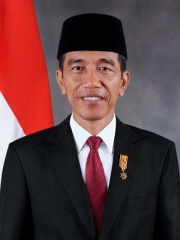
Joko Widodo
POLITICIAN
1961 - heden
HPI: 70.21
Plaats: 18
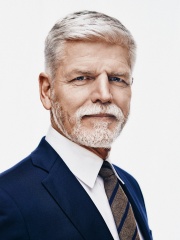
Petr Pavel
POLITICIAN
1961 - heden
HPI: 69.99
Plaats: 19
In Afghanistan
Onder de mensen geboren in Afghanistan staat Hibatullah Akhundzada op plaats 24 van 213. Vóór hem staan Muhammad of Ghor (1160), Mohammed Omar (1962), Ali-Shir Nava'i (1441), Muhammad Shah (1702), Jamāl al-Dīn al-Afghānī (1837), en Babrak Karmal (1929). Na hem komen Gulbuddin Hekmatyar (1949), Hafizullah Amin (1929), Humayun (1508), Moinuddin Chishti (1142), Abu Maʿshar (787), en Kamāl ud-Dīn Behzād (1450).
Anderen geboren in Afghanistan
Naar alle ranglijsten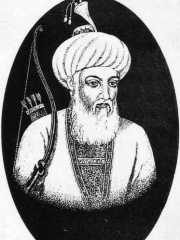
Muhammad of Ghor
POLITICIAN
1160 - 1206
HPI: 74.64
Plaats: 18
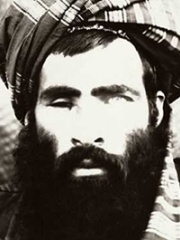
Mohammed Omar
POLITICIAN
1962 - 2013
HPI: 74.34
Plaats: 19
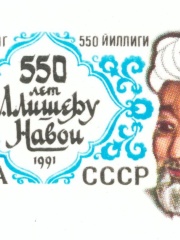
Ali-Shir Nava'i
WRITER
1441 - 1501
HPI: 74.31
Plaats: 20
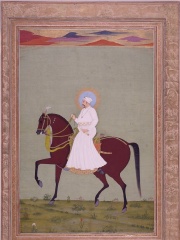
Muhammad Shah
POLITICIAN
1702 - 1748
HPI: 73.88
Plaats: 21
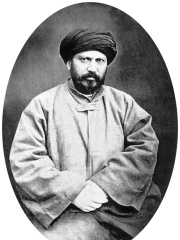
Jamāl al-Dīn al-Afghānī
SOCIAL ACTIVIST
1837 - 1897
HPI: 73.56
Plaats: 22
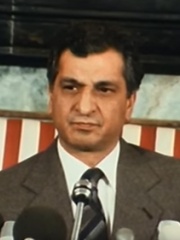
Babrak Karmal
POLITICIAN
1929 - 1996
HPI: 73.45
Plaats: 23
Hibatullah Akhundzada
POLITICIAN
1961 - heden
HPI: 72.74
Plaats: 24
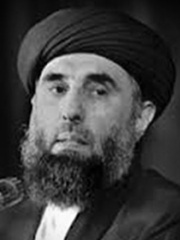
Gulbuddin Hekmatyar
POLITICIAN
1949 - heden
HPI: 72.44
Plaats: 25
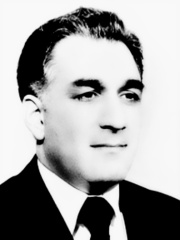
Hafizullah Amin
POLITICIAN
1929 - 1979
HPI: 72.24
Plaats: 26
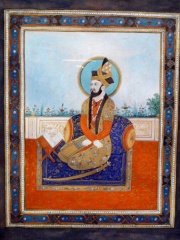
Humayun
POLITICIAN
1508 - 1556
HPI: 71.78
Plaats: 27
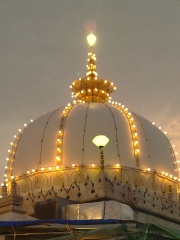
Moinuddin Chishti
POLITICIAN
1142 - 1236
HPI: 71.48
Plaats: 28
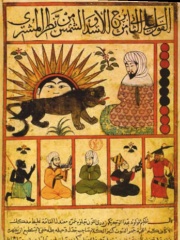
Abu Maʿshar
ASTRONOMER
787 - 886
HPI: 71.24
Plaats: 29
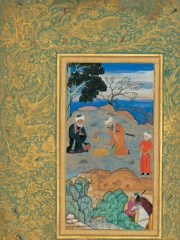
Kamāl ud-Dīn Behzād
PAINTER
1450 - 1535
HPI: 70.60
Plaats: 30
Onder Politicus in Afghanistan
Onder Politicus geboren in Afghanistan staat Hibatullah Akhundzada op plaats 18. Vóór hem staan Ahmad Shah Massoud (1953), Dost Mohammad Khan (1793), Muhammad of Ghor (1160), Mohammed Omar (1962), Muhammad Shah (1702), en Babrak Karmal (1929). Na hem komen Gulbuddin Hekmatyar (1949), Hafizullah Amin (1929), Humayun (1508), Moinuddin Chishti (1142), Nur Muhammad Taraki (1917), en Abdur Rahman Khan (1844).
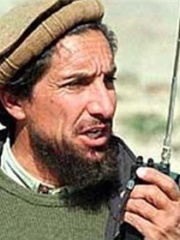
Ahmad Shah Massoud
1953 - 2001
HPI: 75.21
Plaats: 12
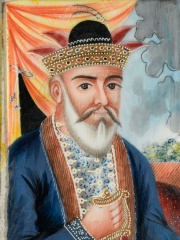
Dost Mohammad Khan
1793 - 1863
HPI: 74.95
Plaats: 13
Muhammad of Ghor
1160 - 1206
HPI: 74.64
Plaats: 14
Mohammed Omar
1962 - 2013
HPI: 74.34
Plaats: 15
Muhammad Shah
1702 - 1748
HPI: 73.88
Plaats: 16
Babrak Karmal
1929 - 1996
HPI: 73.45
Plaats: 17
Hibatullah Akhundzada
1961 - heden
HPI: 72.74
Plaats: 18
Gulbuddin Hekmatyar
1949 - heden
HPI: 72.44
Plaats: 19
Hafizullah Amin
1929 - 1979
HPI: 72.24
Plaats: 20
Humayun
1508 - 1556
HPI: 71.78
Plaats: 21
Moinuddin Chishti
1142 - 1236
HPI: 71.48
Plaats: 22
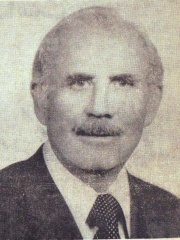
Nur Muhammad Taraki
1917 - 1979
HPI: 70.41
Plaats: 23
Abdur Rahman Khan
1844 - 1901
HPI: 68.04
Plaats: 24




