Político
Gintautas Paluckas
1979 - presente
VISUALIZAÇÕES EM PT.WIKIPEDIA (PV)
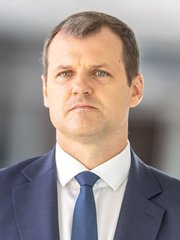
 Gintautas Paluckas
Sua biografia está disponível em 40 idiomas na Wikipédia. Gintautas Paluckas é o 15003º político mais popular, a 161ª biografia mais popular da Lituânia e o 55º político mais popular da Lituânia.
Métricas de memorabilidade
110k
Visualizações
Últimos 12 meses
55.77
HPI
Índice de Popularidade Histórica
Destaques dos dados
40
A biografia de Gintautas Paluckas abrange 40 edições de idiomas da Wikipédia e alcança um Índice de Popularidade Histórica de 55.77.
Visualizações da página de Gintautas Paluckas por idioma
Entre Político
Entre Político, Gintautas Paluckas ocupa a posição 14,996 de 20,022. Antes dele vêm Itti-Marduk-balatu, Wilford Woodruff, Jalal Dabagh, Facundo Machaín, Enrique Hertzog, e Pharnabazus I. Depois dele vêm Miri Regev, Natalia Gavrilița, Akie Abe, Job Cohen, Eva Kaili, e Halszka Osmólska.
Político mais populares na Wikipédia
Ver todas as classificações
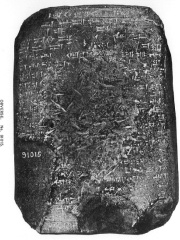
Itti-Marduk-balatu
1200 a.C. - 1132 a.C.
HPI: 55.78
Posição: 14,997
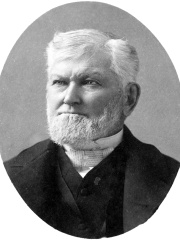
Wilford Woodruff
1807 - 1898
HPI: 55.78
Posição: 14,998
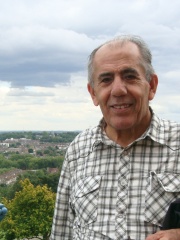
Jalal Dabagh
1939 - presente
HPI: 55.78
Posição: 14,999
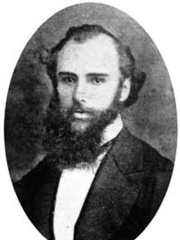
Facundo Machaín
1845 - 1877
HPI: 55.77
Posição: 15,000
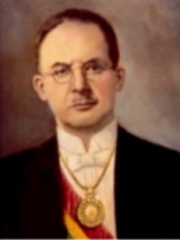
Enrique Hertzog
1896 - 1980
HPI: 55.77
Posição: 15,001
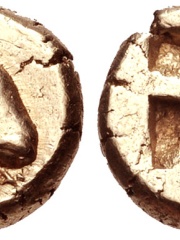
Pharnabazus I
500 a.C. - 500 a.C.
HPI: 55.77
Posição: 15,002
Gintautas Paluckas
1979 - presente
HPI: 55.77
Posição: 15,003

Miri Regev
1965 - presente
HPI: 55.77
Posição: 15,004
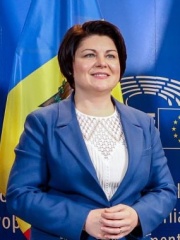
Natalia Gavrilița
1977 - presente
HPI: 55.77
Posição: 15,005
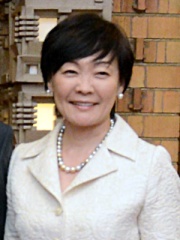
Akie Abe
1962 - presente
HPI: 55.76
Posição: 15,006
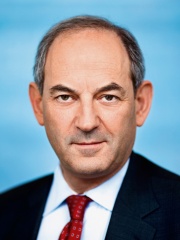
Job Cohen
1947 - presente
HPI: 55.76
Posição: 15,007
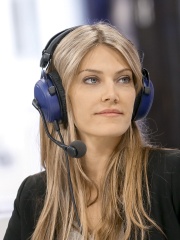
Eva Kaili
1978 - presente
HPI: 55.75
Posição: 15,008
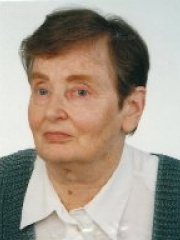
Halszka Osmólska
1930 - 2008
HPI: 55.75
Posição: 15,009

Contemporâneos
Entre as pessoas nascidas em 1979, Gintautas Paluckas ocupa a posição 114. Antes dele vêm Jay Chou, Rose Byrne, Tang Wei, Ivano Balić, Stipe Pletikosa, e Dmitry Glukhovsky. Depois dele vêm Lee Hyori, Jessica Jaymes, Juan, Ludivine Sagnier, Christian Lindner, e Cote de Pablo.
Outras pessoas nascidas em 1979
Ver todas as classificações
Jay Chou
MUSICIAN
1979 - presente
HPI: 56.12
Posição: 108
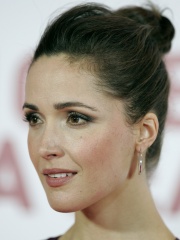
Rose Byrne
ACTOR
1979 - presente
HPI: 56.06
Posição: 109

Tang Wei
ACTOR
1979 - presente
HPI: 55.98
Posição: 110
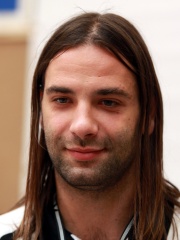
Ivano Balić
HANDBALL PLAYER
1979 - presente
HPI: 55.94
Posição: 111
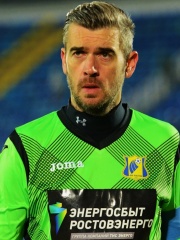
Stipe Pletikosa
SOCCER PLAYER
1979 - presente
HPI: 55.93
Posição: 112
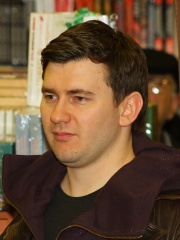
Dmitry Glukhovsky
WRITER
1979 - presente
HPI: 55.81
Posição: 113
Gintautas Paluckas
POLITICIAN
1979 - presente
HPI: 55.77
Posição: 114

Lee Hyori
SINGER
1979 - presente
HPI: 55.75
Posição: 115

Jessica Jaymes
PORNOGRAPHIC ACTOR
1979 - 2019
HPI: 55.70
Posição: 116
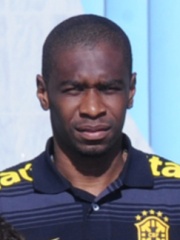
Juan
SOCCER PLAYER
1979 - presente
HPI: 55.68
Posição: 117
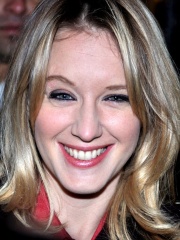
Ludivine Sagnier
ACTOR
1979 - presente
HPI: 55.57
Posição: 118
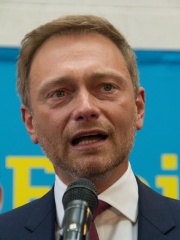
Christian Lindner
POLITICIAN
1979 - presente
HPI: 55.55
Posição: 119
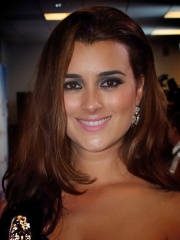
Cote de Pablo
ACTOR
1979 - presente
HPI: 55.52
Posição: 120
Em Lituânia
Entre as pessoas nascidas em Lituânia, Gintautas Paluckas ocupa a posição 161 de 389. Antes dele vêm Antanas Baranauskas (1835), Abram Deborin (1881), Zigmantas Balčytis (1953), Abram Room (1894), Yehuda Pen (1854), e Remigijus Valiulis (1958). Depois dele vêm Ernestas Galvanauskas (1882), Mordecai Kaplan (1881), Mikalojus Daukša (1527), Mark Antokolsky (1843), Bronislovas Lubys (1938), e Saulius Skvernelis (1970).
Outras pessoas nascidas em Lituânia
Ver todas as classificações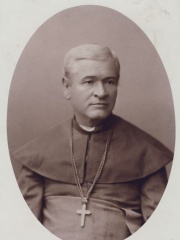
Antanas Baranauskas
WRITER
1835 - 1902
HPI: 56.04
Posição: 155

Abram Deborin
PHILOSOPHER
1881 - 1963
HPI: 55.89
Posição: 156
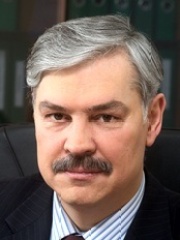
Zigmantas Balčytis
POLITICIAN
1953 - presente
HPI: 55.89
Posição: 157
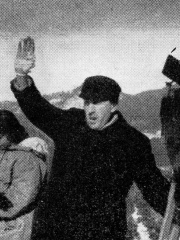
Abram Room
FILM DIRECTOR
1894 - 1976
HPI: 55.88
Posição: 158
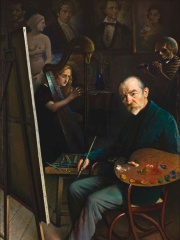
Yehuda Pen
PAINTER
1854 - 1937
HPI: 55.79
Posição: 159

Remigijus Valiulis
ATHLETE
1958 - 2023
HPI: 55.78
Posição: 160
Gintautas Paluckas
POLITICIAN
1979 - presente
HPI: 55.77
Posição: 161
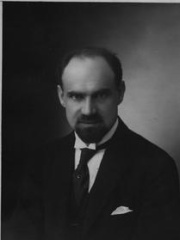
Ernestas Galvanauskas
POLITICIAN
1882 - 1967
HPI: 55.72
Posição: 162
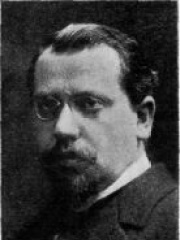
Mordecai Kaplan
WRITER
1881 - 1983
HPI: 55.70
Posição: 163
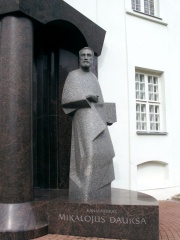
Mikalojus Daukša
WRITER
1527 - 1613
HPI: 55.68
Posição: 164
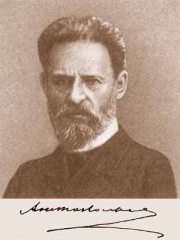
Mark Antokolsky
SCULPTOR
1843 - 1902
HPI: 55.62
Posição: 165
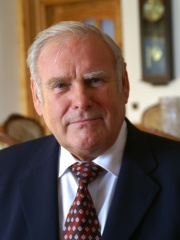
Bronislovas Lubys
POLITICIAN
1938 - 2011
HPI: 55.62
Posição: 166
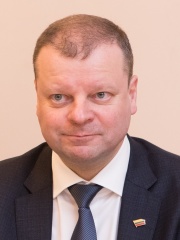
Saulius Skvernelis
POLITICIAN
1970 - presente
HPI: 55.62
Posição: 167
Entre Político em Lituânia
Entre Político nascidos em Lituânia, Gintautas Paluckas ocupa a posição 55. Antes dele vêm Stanisław Narutowicz (1862), Meir Vilner (1918), Irena Degutienė (1949), Vladas Mironas (1880), Mykolas Biržiška (1882), e Zigmantas Balčytis (1953). Depois dele vêm Ernestas Galvanauskas (1882), Bronislovas Lubys (1938), Saulius Skvernelis (1970), Steponas Kairys (1879), Gediminas Vagnorius (1957), e Aleksander Prystor (1874).
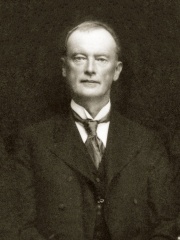
Stanisław Narutowicz
1862 - 1932
HPI: 56.87
Posição: 49
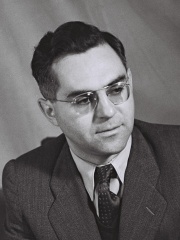
Meir Vilner
1918 - 2003
HPI: 56.73
Posição: 50
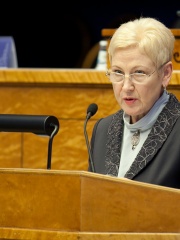
Irena Degutienė
1949 - presente
HPI: 56.41
Posição: 51
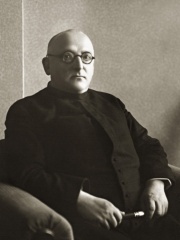
Vladas Mironas
1880 - 1953
HPI: 56.11
Posição: 52
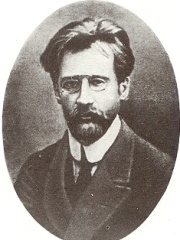
Mykolas Biržiška
1882 - 1962
HPI: 56.10
Posição: 53
Zigmantas Balčytis
1953 - presente
HPI: 55.89
Posição: 54
Gintautas Paluckas
1979 - presente
HPI: 55.77
Posição: 55
Ernestas Galvanauskas
1882 - 1967
HPI: 55.72
Posição: 56
Bronislovas Lubys
1938 - 2011
HPI: 55.62
Posição: 57
Saulius Skvernelis
1970 - presente
HPI: 55.62
Posição: 58
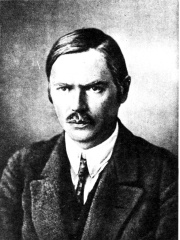
Steponas Kairys
1879 - 1964
HPI: 55.54
Posição: 59

Gediminas Vagnorius
1957 - presente
HPI: 54.75
Posição: 60
Aleksander Prystor
1874 - 1941
HPI: 54.72
Posição: 61




