Footballeur
Ezequiel Lavezzi
1985 - aujourd'hui
PAGES VUES SUR FR.WIKIPEDIA (PV)
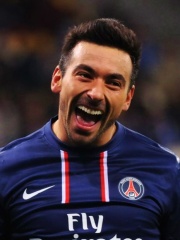

 Ezequiel Lavezzi
Sa biographie est disponible en 51 langues sur Wikipédia (en baisse par rapport à 52 en 2024). Ezequiel Lavezzi est le 1,655th footballeur le plus populaire (en baisse du 1,186th en 2024), la 246th biographie la plus populaire d'Argentine (en baisse du 209th en 2019), ainsi que le 96th footballeur d'Argentine le plus populaire.
Indicateurs de mémorabilité
320k
Pages vues
12 derniers mois
59.11
HPI
Indice de popularité historique
Faits marquants
51
La biographie de Ezequiel Lavezzi figure dans 51 éditions linguistiques de Wikipédia, plus que 96 % de l'ensemble des Footballeur.
#1,655 / 24k
Ezequiel Lavezzi se classe n° 1,655 sur 24,321 Footballeur dans le monde, dans le top 7 % de la profession.
Pages vues de Ezequiel Lavezzi par langue
Parmi les Footballeur
Parmi les Footballeur, Ezequiel Lavezzi occupe le rang 1,651 sur 24,321. Avant lui viennent Feliciano Rivilla, Robbie Keane, Fahrudin Jusufi, Alex Thépot, Vladimír Weiss, et Hajime Moriyasu. Après lui viennent Dante, Toru Yoshikawa, Luka Peruzović, Panajot Pano, Massimo Oddo, et Moacir Rodrigues Santos.
Footballeur les plus populaires sur Wikipédia
Voir tous les classements
Feliciano Rivilla
1936 - 2017
HPI : 59.13
Rang : 1,649

Robbie Keane
1980 - présent
HPI : 59.13
Rang : 1,650
Fahrudin Jusufi
1939 - 2019
HPI : 59.12
Rang : 1,651
Alex Thépot
1906 - 1989
HPI : 59.12
Rang : 1,652

Vladimír Weiss
1964 - présent
HPI : 59.12
Rang : 1,653
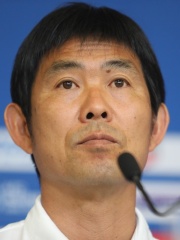
Hajime Moriyasu
1968 - présent
HPI : 59.12
Rang : 1,654
Ezequiel Lavezzi
1985 - présent
HPI : 59.11
Rang : 1,655
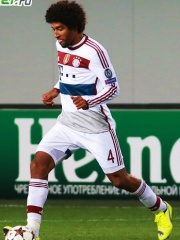
Dante
1983 - présent
HPI : 59.11
Rang : 1,656

Toru Yoshikawa
1961 - présent
HPI : 59.11
Rang : 1,657

Luka Peruzović
1952 - présent
HPI : 59.11
Rang : 1,658
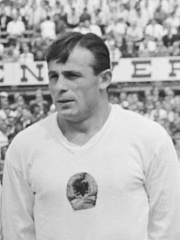
Panajot Pano
1939 - 2010
HPI : 59.10
Rang : 1,659
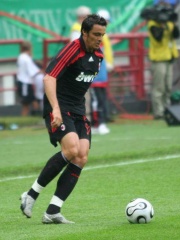
Massimo Oddo
1976 - présent
HPI : 59.10
Rang : 1,660

Moacir Rodrigues Santos
1970 - 2024
HPI : 59.10
Rang : 1,661

Contemporains
Parmi les personnes nées en 1985, Ezequiel Lavezzi occupe le rang 38. Avant lui viennent Damien Chazelle, Fernandinho, Jon Moxley, Alexis Texas, Raúl Albiol, et Amanda Seyfried. Après lui viennent Sonam Kapoor, Ranveer Singh, Guillermo Ochoa, Alexander Ovechkin, Anna Kendrick, et Asin.
Autres personnes nées en 1985
Voir tous les classements
Damien Chazelle
FILM DIRECTOR
1985 - présent
HPI : 60.51
Rang : 32
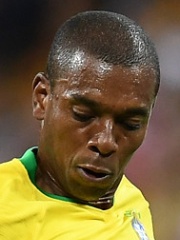
Fernandinho
SOCCER PLAYER
1985 - présent
HPI : 60.43
Rang : 33

Jon Moxley
WRESTLER
1985 - présent
HPI : 60.28
Rang : 34

Alexis Texas
PORNOGRAPHIC ACTOR
1985 - présent
HPI : 59.68
Rang : 35

Raúl Albiol
SOCCER PLAYER
1985 - présent
HPI : 59.43
Rang : 36

Amanda Seyfried
ACTOR
1985 - présent
HPI : 59.40
Rang : 37
Ezequiel Lavezzi
SOCCER PLAYER
1985 - présent
HPI : 59.11
Rang : 38

Sonam Kapoor
ACTOR
1985 - présent
HPI : 58.87
Rang : 39

Ranveer Singh
ACTOR
1985 - présent
HPI : 58.63
Rang : 40
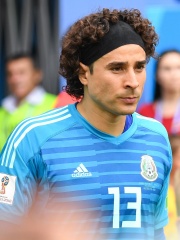
Guillermo Ochoa
SOCCER PLAYER
1985 - présent
HPI : 58.57
Rang : 41

Alexander Ovechkin
HOCKEY PLAYER
1985 - présent
HPI : 58.52
Rang : 42

Anna Kendrick
ACTOR
1985 - présent
HPI : 58.46
Rang : 43

Asin
ACTOR
1985 - présent
HPI : 58.39
Rang : 44
En Argentine
Parmi les personnes nées en Argentine, Ezequiel Lavezzi occupe le rang 246 sur 1,449. Avant lui viennent Roberto Arlt (1900), José Evaristo Uriburu (1831), Lautaro Martínez (1997), Julio Velasco (1952), Marga López (1924), et Roberto Perfumo (1942). Après lui viennent Sandro de América (1945), José María Guido (1910), Julio Libonatti (1901), Ricardo Bochini (1954), Luis Sáenz Peña (1822), et Omar Larrosa (1947).
Autres personnes nées en Argentine
Voir tous les classements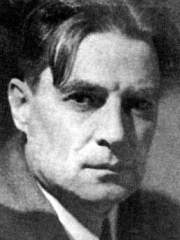
Roberto Arlt
WRITER
1900 - 1942
HPI : 59.29
Rang : 240

José Evaristo Uriburu
POLITICIAN
1831 - 1914
HPI : 59.29
Rang : 241

Lautaro Martínez
SOCCER PLAYER
1997 - présent
HPI : 59.25
Rang : 242

Julio Velasco
POLITICIAN
1952 - présent
HPI : 59.22
Rang : 243
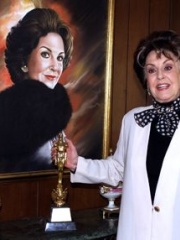
Marga López
ACTOR
1924 - 2005
HPI : 59.14
Rang : 244
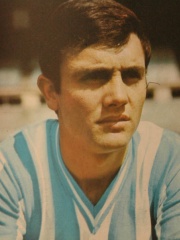
Roberto Perfumo
SOCCER PLAYER
1942 - 2016
HPI : 59.14
Rang : 245
Ezequiel Lavezzi
SOCCER PLAYER
1985 - présent
HPI : 59.11
Rang : 246
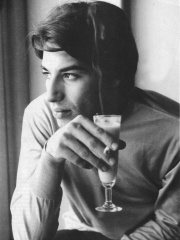
Sandro de América
SINGER
1945 - 2010
HPI : 59.08
Rang : 247
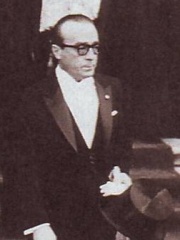
José María Guido
POLITICIAN
1910 - 1975
HPI : 59.03
Rang : 248
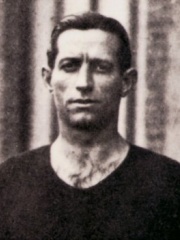
Julio Libonatti
SOCCER PLAYER
1901 - 1981
HPI : 59.03
Rang : 249
Ricardo Bochini
SOCCER PLAYER
1954 - présent
HPI : 59.01
Rang : 250

Luis Sáenz Peña
POLITICIAN
1822 - 1907
HPI : 58.97
Rang : 251
Omar Larrosa
SOCCER PLAYER
1947 - présent
HPI : 58.96
Rang : 252
Parmi les Footballeur en Argentine
Parmi les Footballeur nés en Argentine, Ezequiel Lavezzi occupe le rang 96. Avant lui viennent René Houseman (1953), Juan Hohberg (1926), Rodolfo Orlandini (1905), Fernando Paternoster (1903), Lautaro Martínez (1997), et Roberto Perfumo (1942). Après lui viennent Julio Libonatti (1901), Ricardo Bochini (1954), Omar Larrosa (1947), Juan Botasso (1908), Antonio Valentín Angelillo (1937), et Rogelio Domínguez (1931).
René Houseman
1953 - 2018
HPI : 59.75
Rang : 90
Juan Hohberg
1926 - 1996
HPI : 59.67
Rang : 91
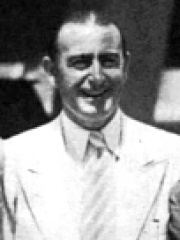
Rodolfo Orlandini
1905 - 1990
HPI : 59.58
Rang : 92
Fernando Paternoster
1903 - 1967
HPI : 59.30
Rang : 93
Lautaro Martínez
1997 - présent
HPI : 59.25
Rang : 94
Roberto Perfumo
1942 - 2016
HPI : 59.14
Rang : 95
Ezequiel Lavezzi
1985 - présent
HPI : 59.11
Rang : 96
Julio Libonatti
1901 - 1981
HPI : 59.03
Rang : 97
Ricardo Bochini
1954 - présent
HPI : 59.01
Rang : 98
Omar Larrosa
1947 - présent
HPI : 58.96
Rang : 99
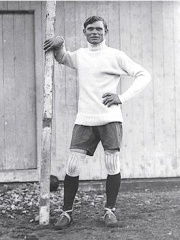
Juan Botasso
1908 - 1950
HPI : 58.92
Rang : 100
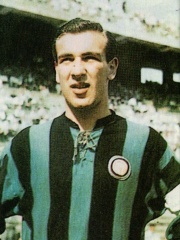
Antonio Valentín Angelillo
1937 - 2018
HPI : 58.91
Rang : 101
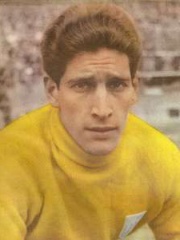
Rogelio Domínguez
1931 - 2004
HPI : 58.84
Rang : 102




