Chimiste
Ernest Solvay
1838 - 1922
PAGES VUES SUR FR.WIKIPEDIA (PV)
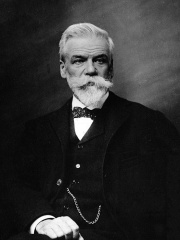
 Ernest Solvay
Sa biographie est disponible en 38 langues sur Wikipédia. Ernest Solvay est le 182nd chimiste le plus populaire (en baisse du 104th en 2024), la 90th biographie la plus populaire de Belgique (en baisse du 82nd en 2019), ainsi que le 3rd chimiste de Belgique le plus populaire.
Indicateurs de mémorabilité
57k
Pages vues
12 derniers mois
70.63
HPI
Indice de popularité historique
Faits marquants
#90 / 1,454
Ernest Solvay se classe n° 90 parmi les 1,454 personnalités de Pantheon nées en Belgique, dans le top 7 % de ce groupe.
Pages vues de Ernest Solvay par langue
Parmi les Chimiste
Parmi les Chimiste, Ernest Solvay occupe le rang 182 sur 610. Avant lui viennent Max Perutz, Robert Curl, Sergey Prokudin-Gorsky, Felix Hoffmann, Peter J. Ratcliffe, et Marcellin Berthelot. Après lui viennent Charles Adolphe Wurtz, Fritz Albert Lipmann, Sidney Altman, Gerhard Herzberg, Robert Huber, et Louis Nicolas Vauquelin.
Chimiste les plus populaires sur Wikipédia
Voir tous les classements
Max Perutz
1914 - 2002
HPI : 70.72
Rang : 176
Robert Curl
1933 - 2022
HPI : 70.71
Rang : 177
Sergey Prokudin-Gorsky
1863 - 1944
HPI : 70.68
Rang : 178
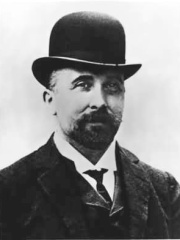
Felix Hoffmann
1868 - 1946
HPI : 70.66
Rang : 179
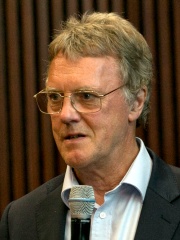
Peter J. Ratcliffe
1954 - présent
HPI : 70.64
Rang : 180
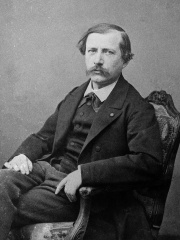
Marcellin Berthelot
1827 - 1907
HPI : 70.63
Rang : 181
Ernest Solvay
1838 - 1922
HPI : 70.63
Rang : 182
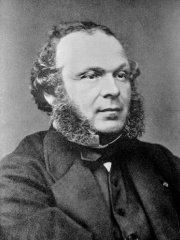
Charles Adolphe Wurtz
1817 - 1884
HPI : 70.58
Rang : 183
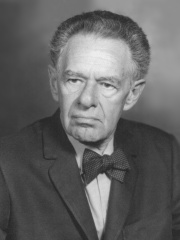
Fritz Albert Lipmann
1899 - 1986
HPI : 70.57
Rang : 184
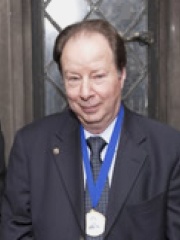
Sidney Altman
1939 - 2022
HPI : 70.50
Rang : 185
Gerhard Herzberg
1904 - 1999
HPI : 70.50
Rang : 186
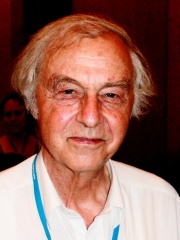
Robert Huber
1937 - présent
HPI : 70.48
Rang : 187
Louis Nicolas Vauquelin
1763 - 1829
HPI : 70.39
Rang : 188

Contemporains
Parmi les personnes nées en 1838, Ernest Solvay occupe le rang 14. Avant lui viennent Jan Matejko, Edward W. Morley, Franz Brentano, Luís I of Portugal, Émile Loubet, et Paul-Émile Lecoq de Boisbaudran. Après lui viennent Prince Philippe, Count of Paris, Léon Gambetta, Princess Louise of Prussia, Anton Mauve, Arthur Auwers, et Camille Jordan. Parmi les personnes décédées en 1922, Ernest Solvay occupe le rang 16. Avant lui viennent Ernest Shackleton, Djemal Pasha, Hermann Rorschach, Walther Rathenau, Albert I, Prince of Monaco, et Princess Helena of Waldeck and Pyrmont. Après lui viennent Georges Sorel, Vittorio Monti, Lady Mary Victoria Douglas-Hamilton, Andrey Markov, Paul Deschanel, et Michael Collins.
Autres personnes nées en 1838
Voir tous les classements
Jan Matejko
PAINTER
1838 - 1893
HPI : 73.20
Rang : 8
Edward W. Morley
CHEMIST
1838 - 1923
HPI : 72.77
Rang : 9
Franz Brentano
PHILOSOPHER
1838 - 1917
HPI : 72.56
Rang : 10
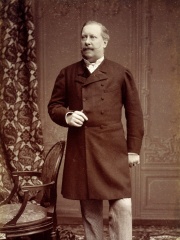
Luís I of Portugal
POLITICIAN
1838 - 1889
HPI : 72.34
Rang : 11
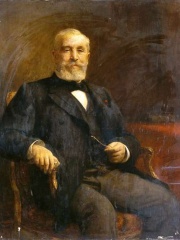
Émile Loubet
POLITICIAN
1838 - 1929
HPI : 71.24
Rang : 12
Paul-Émile Lecoq de Boisbaudran
CHEMIST
1838 - 1912
HPI : 71.00
Rang : 13
Ernest Solvay
CHEMIST
1838 - 1922
HPI : 70.63
Rang : 14
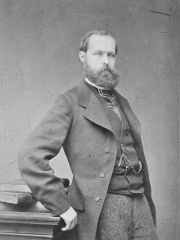
Prince Philippe, Count of Paris
POLITICIAN
1838 - 1894
HPI : 70.05
Rang : 15
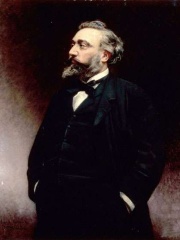
Léon Gambetta
POLITICIAN
1838 - 1882
HPI : 69.80
Rang : 16
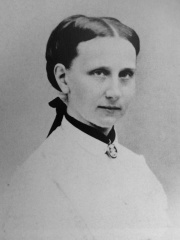
Princess Louise of Prussia
POLITICIAN
1838 - 1923
HPI : 69.52
Rang : 17
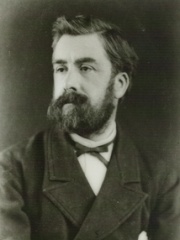
Anton Mauve
PAINTER
1838 - 1888
HPI : 69.31
Rang : 18
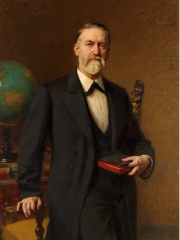
Arthur Auwers
ASTRONOMER
1838 - 1915
HPI : 68.52
Rang : 19
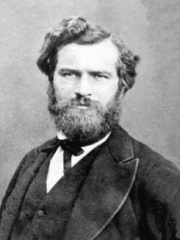
Camille Jordan
MATHEMATICIAN
1838 - 1922
HPI : 67.67
Rang : 20
Autres personnes décédées en 1922
Voir tous les classements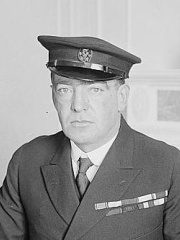
Ernest Shackleton
EXPLORER
1874 - 1922
HPI : 72.88
Rang : 10
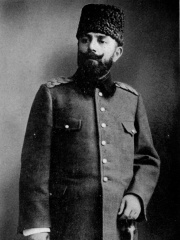
Djemal Pasha
MILITARY PERSONNEL
1872 - 1922
HPI : 72.26
Rang : 11
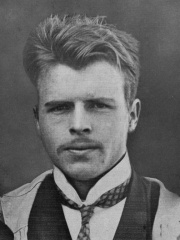
Hermann Rorschach
PSYCHOLOGIST
1884 - 1922
HPI : 72.22
Rang : 12
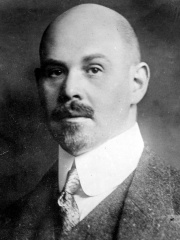
Walther Rathenau
POLITICIAN
1867 - 1922
HPI : 71.03
Rang : 13
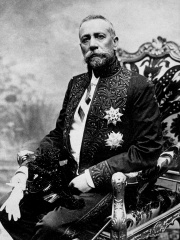
Albert I, Prince of Monaco
POLITICIAN
1848 - 1922
HPI : 70.90
Rang : 14
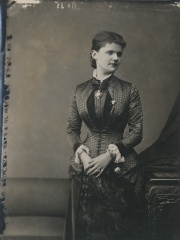
Princess Helena of Waldeck and Pyrmont
COMPANION
1861 - 1922
HPI : 70.82
Rang : 15
Ernest Solvay
CHEMIST
1838 - 1922
HPI : 70.63
Rang : 16
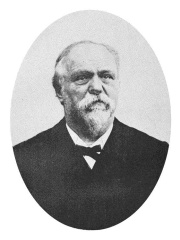
Georges Sorel
PHILOSOPHER
1847 - 1922
HPI : 70.56
Rang : 17
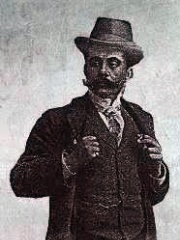
Vittorio Monti
COMPOSER
1868 - 1922
HPI : 69.50
Rang : 18
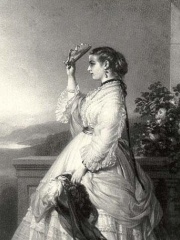
Lady Mary Victoria Douglas-Hamilton
POLITICIAN
1850 - 1922
HPI : 69.01
Rang : 19
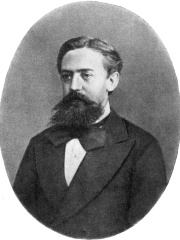
Andrey Markov
MATHEMATICIAN
1856 - 1922
HPI : 68.90
Rang : 20
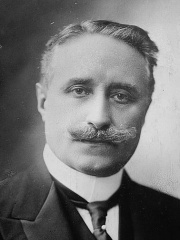
Paul Deschanel
POLITICIAN
1855 - 1922
HPI : 68.78
Rang : 21
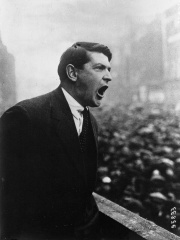
Michael Collins
POLITICIAN
1890 - 1922
HPI : 68.59
Rang : 22
En Belgique
Parmi les personnes nées en Belgique, Ernest Solvay occupe le rang 90 sur 1,454. Avant lui viennent Étienne Lenoir (1822), Jacky Ickx (1945), Adrian Willaert (1490), Émile Verhaeren (1855), Henri Vieuxtemps (1820), et Henry V, Count of Luxembourg (1217). Après lui viennent Morris (1923), Hubert van Eyck (1366), Matilda of Flanders (1031), Princess Louise of Belgium (1858), Jacques Piccard (1922), et Philippe de Champaigne (1602).
Autres personnes nées en Belgique
Voir tous les classements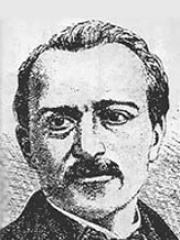
Étienne Lenoir
INVENTOR
1822 - 1900
HPI : 71.18
Rang : 84
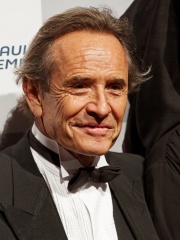
Jacky Ickx
RACING DRIVER
1945 - présent
HPI : 71.13
Rang : 85
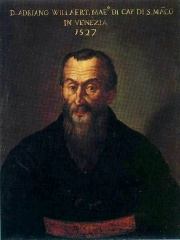
Adrian Willaert
COMPOSER
1490 - 1562
HPI : 71.12
Rang : 86
Émile Verhaeren
WRITER
1855 - 1916
HPI : 71.02
Rang : 87
Henri Vieuxtemps
COMPOSER
1820 - 1881
HPI : 70.77
Rang : 88
Henry V, Count of Luxembourg
POLITICIAN
1217 - 1281
HPI : 70.65
Rang : 89
Ernest Solvay
CHEMIST
1838 - 1922
HPI : 70.63
Rang : 90
Morris
COMIC ARTIST
1923 - 2001
HPI : 70.35
Rang : 91
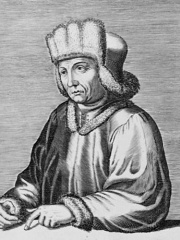
Hubert van Eyck
PAINTER
1366 - 1426
HPI : 70.27
Rang : 92
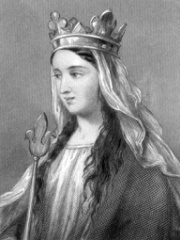
Matilda of Flanders
COMPANION
1031 - 1083
HPI : 70.25
Rang : 93
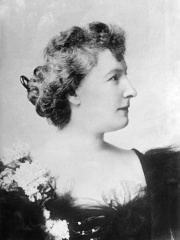
Princess Louise of Belgium
POLITICIAN
1858 - 1924
HPI : 70.24
Rang : 94
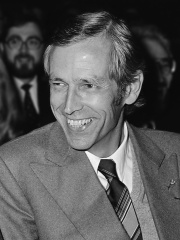
Jacques Piccard
INVENTOR
1922 - 2008
HPI : 69.96
Rang : 95
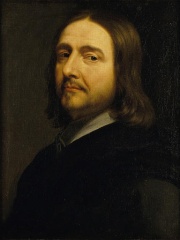
Philippe de Champaigne
PAINTER
1602 - 1674
HPI : 69.95
Rang : 96
Parmi les Chimiste en Belgique
Parmi les Chimiste nés en Belgique, Ernest Solvay occupe le rang 3. Avant lui viennent Jan Baptist van Helmont (1580), et Yves Chauvin (1930). Après lui viennent Leo Baekeland (1863), George Sarton (1884), Jean Stas (1813), et Gilbert Stork (1921).
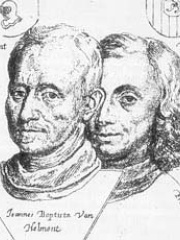
Jan Baptist van Helmont
1580 - 1644
HPI : 74.70
Rang : 1
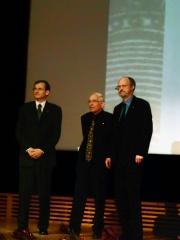
Yves Chauvin
1930 - 2015
HPI : 73.35
Rang : 2
Ernest Solvay
1838 - 1922
HPI : 70.63
Rang : 3
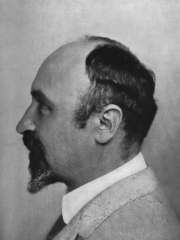
Leo Baekeland
1863 - 1944
HPI : 68.90
Rang : 4
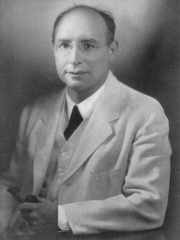
George Sarton
1884 - 1956
HPI : 61.01
Rang : 5
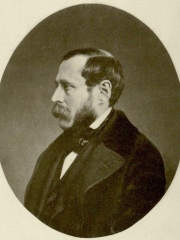
Jean Stas
1813 - 1891
HPI : 60.33
Rang : 6

Gilbert Stork
1921 - 2017
HPI : 51.94
Rang : 7




