Военнослужащий
Erhard Raus
1889 - 1956
ПРОСМОТРЫ RU.WIKIPEDIA (PV)
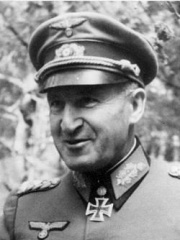
 Erhard Raus
Его биография доступна на 21 различных языках в Википедии. Erhard Raus занимает 868-е место среди самых популярных военнослужащий (снижение с 854-е места в 2024 году), занимает 265-е место среди самых популярных биографий из Чехии (снижение с 255-е места в 2019 году) и занимает 9-е место среди военнослужащий Чехия.
Метрики памятности
43k
Просмотры страниц
За последние 12 месяцев
63.17
HPI
Индекс исторической популярности
Интересные факты
8 янв.
Erhard Raus отмечает день рождения (8 января) в один день с Stephen Hawking, Elvis Presley и Husayn ibn Ali.
Просмотры страницы Erhard Raus по языкам
Среди представителей профессии «Военнослужащий»
Среди представителей профессии «Военнослужащий» Erhard Raus занимает 868-е место из 2,058. Перед ним идут William Iron Arm, Fritz Witt, Thomas Robert Bugeaud, Marcellin Marbot, Heinrich von Plauen, и Hans Loritz. После него идут Ernst Rüdiger von Starhemberg, Joseph Boxhall, Peithon, Heinz-Wolfgang Schnaufer, Radko Dimitriev, и Alexey Kaledin.
Самые популярные в Википедии: Военнослужащий
Все рейтинги
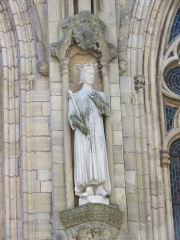
William Iron Arm
1010 - 1046
HPI: 63.23
Место: 862
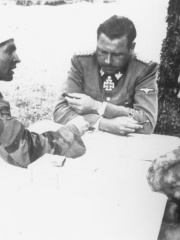
Fritz Witt
1908 - 1944
HPI: 63.22
Место: 863
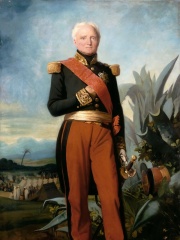
Thomas Robert Bugeaud
1784 - 1849
HPI: 63.21
Место: 864
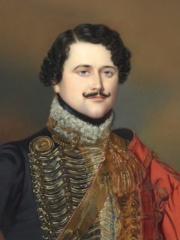
Marcellin Marbot
1782 - 1854
HPI: 63.21
Место: 865
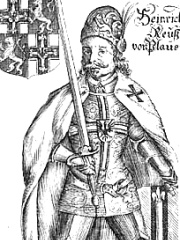
Heinrich von Plauen
1370 - 1429
HPI: 63.20
Место: 866
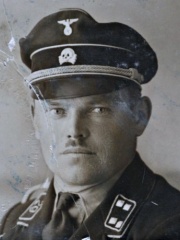
Hans Loritz
1895 - 1946
HPI: 63.19
Место: 867
Erhard Raus
1889 - 1956
HPI: 63.17
Место: 868
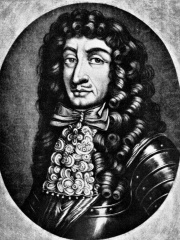
Ernst Rüdiger von Starhemberg
1638 - 1701
HPI: 63.16
Место: 869
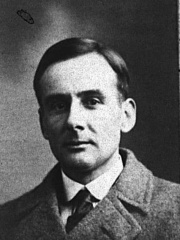
Joseph Boxhall
1884 - 1967
HPI: 63.15
Место: 870

Peithon
355 BC - 316 BC
HPI: 63.15
Место: 871
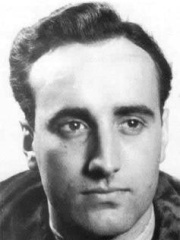
Heinz-Wolfgang Schnaufer
1922 - 1950
HPI: 63.14
Место: 872
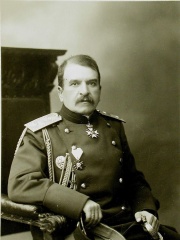
Radko Dimitriev
1859 - 1918
HPI: 63.14
Место: 873
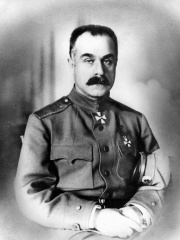
Alexey Kaledin
1861 - 1918
HPI: 63.13
Место: 874

Современники
Среди людей, родившихся в 1889 году, Erhard Raus занимает 84-е место. Перед ним идут Pierre Reverdy, Erle Stanley Gardner, Karel Doorman, Imre Schlosser, Warner Baxter, и Pierre-Étienne Flandin. После него идут Ernst Niekisch, Willi Münzenberg, Reşat Nuri Güntekin, Fritz Pfeffer, Hamza Hakimzade Niyazi, и Richard Boleslawski. Среди людей, умерших в 1956 году, Erhard Raus занимает 76-е место. Перед ним идут Charles Joughin, Gerrit Smith Miller, Mir Jafar Baghirov, Otto Schmidt, Michael Ventris, и Jean Metzinger. После него идут Reşat Nuri Güntekin, Infante Alfonso of Spain, Lev Rudnev, Malik Ghulam Muhammad, Julien Benda, и Ludwig Klages.
Другие люди, родившиеся в 1889 году
Все рейтинги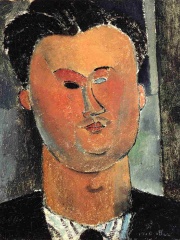
Pierre Reverdy
WRITER
1889 - 1960
HPI: 63.88
Место: 78
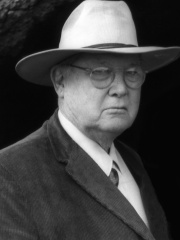
Erle Stanley Gardner
WRITER
1889 - 1970
HPI: 63.74
Место: 79
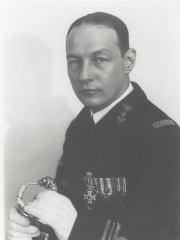
Karel Doorman
MILITARY PERSONNEL
1889 - 1942
HPI: 63.69
Место: 80
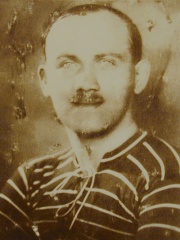
Imre Schlosser
SOCCER PLAYER
1889 - 1959
HPI: 63.58
Место: 81
Warner Baxter
ACTOR
1889 - 1951
HPI: 63.44
Место: 82
Pierre-Étienne Flandin
POLITICIAN
1889 - 1958
HPI: 63.22
Место: 83
Erhard Raus
MILITARY PERSONNEL
1889 - 1956
HPI: 63.17
Место: 84
Ernst Niekisch
POLITICIAN
1889 - 1967
HPI: 63.09
Место: 85
Willi Münzenberg
POLITICIAN
1889 - 1940
HPI: 63.06
Место: 86
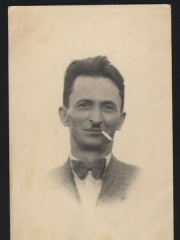
Reşat Nuri Güntekin
WRITER
1889 - 1956
HPI: 63.05
Место: 87
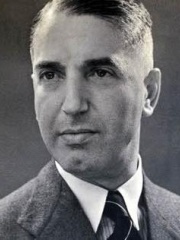
Fritz Pfeffer
CELEBRITY
1889 - 1944
HPI: 62.97
Место: 88
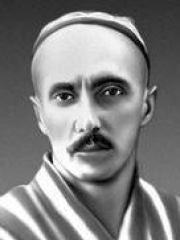
Hamza Hakimzade Niyazi
WRITER
1889 - 1929
HPI: 62.77
Место: 89
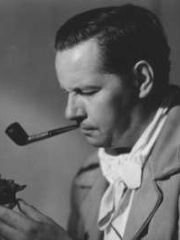
Richard Boleslawski
FILM DIRECTOR
1889 - 1937
HPI: 62.73
Место: 90
Другие люди, умершие в 1956 году
Все рейтинги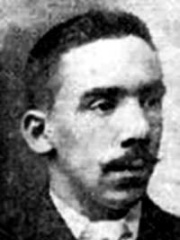
Charles Joughin
CHEF
1878 - 1956
HPI: 63.49
Место: 70
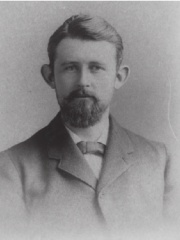
Gerrit Smith Miller
BIOLOGIST
1869 - 1956
HPI: 63.48
Место: 71
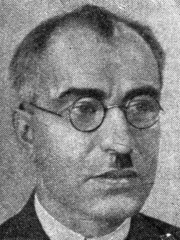
Mir Jafar Baghirov
POLITICIAN
1896 - 1956
HPI: 63.36
Место: 72
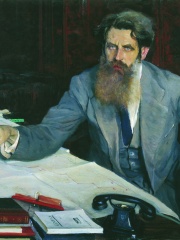
Otto Schmidt
PHYSICIST
1891 - 1956
HPI: 63.33
Место: 73
Michael Ventris
ARCHITECT
1922 - 1956
HPI: 63.29
Место: 74
Jean Metzinger
PAINTER
1883 - 1956
HPI: 63.18
Место: 75
Erhard Raus
MILITARY PERSONNEL
1889 - 1956
HPI: 63.17
Место: 76
Reşat Nuri Güntekin
WRITER
1889 - 1956
HPI: 63.05
Место: 77
Infante Alfonso of Spain
POLITICIAN
1941 - 1956
HPI: 62.98
Место: 78
Lev Rudnev
ARCHITECT
1885 - 1956
HPI: 62.93
Место: 79
Malik Ghulam Muhammad
POLITICIAN
1895 - 1956
HPI: 62.90
Место: 80

Julien Benda
PHILOSOPHER
1867 - 1956
HPI: 62.85
Место: 81
Ludwig Klages
PHILOSOPHER
1872 - 1956
HPI: 62.74
Место: 82
В стране Чехия
Среди людей, родившихся в стране Чехия, Erhard Raus занимает 265-е место из 1,200. Перед ним идут Karel Svoboda (1938), Margrave Andrew of Burgau (1558), Josef Kadraba (1933), Wojciech Żywny (1756), Prince Alfred of Liechtenstein (1842), и Franz Bardon (1909). После него идут Jan Hammer (1948), Anna Chromý (1940), Doubravka of Bohemia (940), Heinrich Wilhelm Schott (1794), Florian Leopold Gassmann (1729), и Pavel Haas (1899).
Другие люди, родившиеся в стране Чехия
Все рейтинги
Karel Svoboda
COMPOSER
1938 - 2007
HPI: 63.27
Место: 259
Margrave Andrew of Burgau
POLITICIAN
1558 - 1600
HPI: 63.26
Место: 260
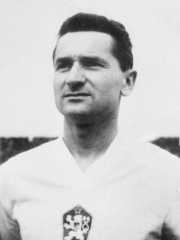
Josef Kadraba
SOCCER PLAYER
1933 - 2019
HPI: 63.26
Место: 261
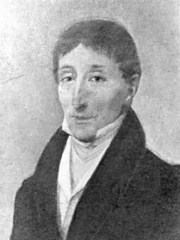
Wojciech Żywny
MUSICIAN
1756 - 1842
HPI: 63.24
Место: 262
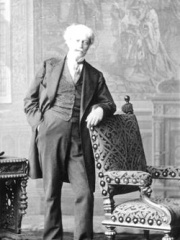
Prince Alfred of Liechtenstein
NOBLEMAN
1842 - 1907
HPI: 63.23
Место: 263
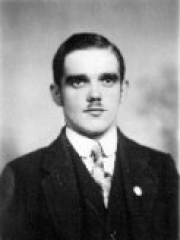
Franz Bardon
OCCULTIST
1909 - 1958
HPI: 63.17
Место: 264
Erhard Raus
MILITARY PERSONNEL
1889 - 1956
HPI: 63.17
Место: 265
Jan Hammer
MUSICIAN
1948 - наст. время
HPI: 63.10
Место: 266
Anna Chromý
PAINTER
1940 - 2021
HPI: 63.10
Место: 267
Doubravka of Bohemia
POLITICIAN
940 - 977
HPI: 63.06
Место: 268
Heinrich Wilhelm Schott
BIOLOGIST
1794 - 1865
HPI: 63.05
Место: 269
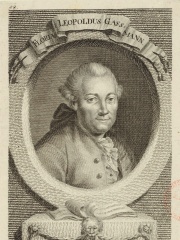
Florian Leopold Gassmann
COMPOSER
1729 - 1774
HPI: 62.97
Место: 270
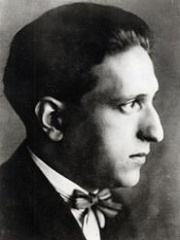
Pavel Haas
COMPOSER
1899 - 1944
HPI: 62.95
Место: 271
Среди представителей профессии «Военнослужащий» в стране Чехия
Среди представителей профессии «Военнослужащий», родившихся в стране Чехия, Erhard Raus занимает 9-е место. Перед ним идут Albrecht von Wallenstein (1583), Kurt Knispel (1921), Prokop the Great (1380), Jan Kubiš (1913), Julius von Payer (1841), и Otto Kittel (1917). После него идут Karl Fritzsch (1903), Alexander von Krobatin (1849), Ferenc Wesselényi (1605), и Moritz von Auffenberg (1852).
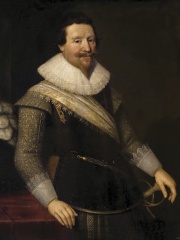
Albrecht von Wallenstein
1583 - 1634
HPI: 76.29
Место: 3
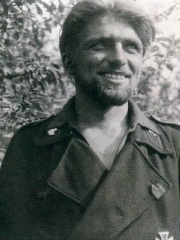
Kurt Knispel
1921 - 1945
HPI: 68.70
Место: 4

Prokop the Great
1380 - 1434
HPI: 68.55
Место: 5
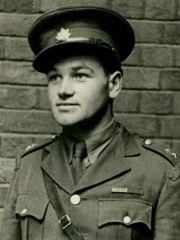
Jan Kubiš
1913 - 1942
HPI: 67.20
Место: 6
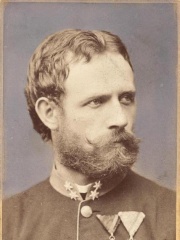
Julius von Payer
1841 - 1915
HPI: 64.17
Место: 7
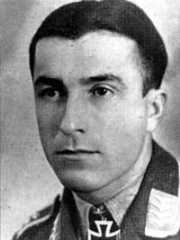
Otto Kittel
1917 - 1945
HPI: 63.73
Место: 8
Erhard Raus
1889 - 1956
HPI: 63.17
Место: 9
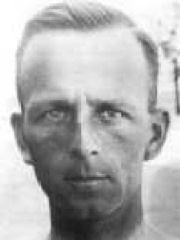
Karl Fritzsch
1903 - 1945
HPI: 62.76
Место: 10
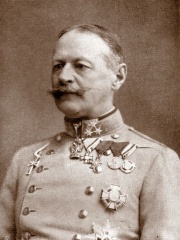
Alexander von Krobatin
1849 - 1933
HPI: 61.22
Место: 11
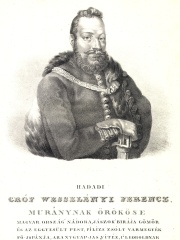
Ferenc Wesselényi
1605 - 1667
HPI: 60.07
Место: 12
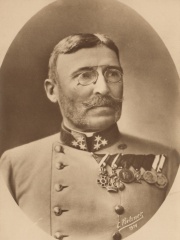
Moritz von Auffenberg
1852 - 1928
HPI: 58.74
Место: 13




