Политик
Enrique Cerezo
1948 - настоящее время
ПРОСМОТРЫ RU.WIKIPEDIA (PV)
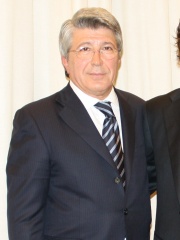
 Enrique Cerezo
Его биография доступна на 16 различных языках в Википедии. Enrique Cerezo занимает 9142-е место среди самых популярных политик (рост с 9677-е места в 2024 году), занимает 792-е место среди самых популярных биографий из Испании (рост с 893-е места в 2019 году) и занимает 266-е место среди политик Испания.
Метрики памятности
120k
Просмотры страниц
За последние 12 месяцев
62.14
HPI
Индекс исторической популярности
Просмотры страницы Enrique Cerezo по языкам
Среди представителей профессии «Политик»
Среди представителей профессии «Политик» Enrique Cerezo занимает 9,137-е место из 19,576. Перед ним идут Gerry Adams, Bathilde d'Orléans, Quintus Lutatius Catulus, Kang Song-san, Ardeshir Zahedi, и Yvonne de Gaulle. После него идут Håkan the Red, Venancio Flores, Archduke Wilhelm Franz of Austria, Bernd Rosemeyer, Kurigalzu I, и Raimonds Vējonis.
Самые популярные в Википедии: Политик
Все рейтинги

Gerry Adams
1948 - наст. время
HPI: 62.15
Место: 9,136
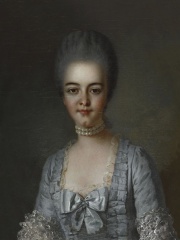
Bathilde d'Orléans
1750 - 1822
HPI: 62.14
Место: 9,137

Quintus Lutatius Catulus
119 BC - 60 BC
HPI: 62.14
Место: 9,138
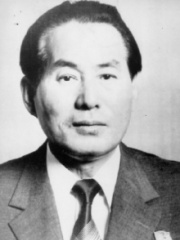
Kang Song-san
1931 - 1997
HPI: 62.14
Место: 9,139
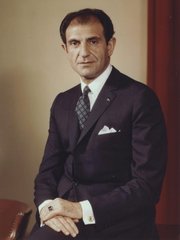
Ardeshir Zahedi
1928 - 2021
HPI: 62.14
Место: 9,140
Yvonne de Gaulle
1900 - 1979
HPI: 62.14
Место: 9,141
Enrique Cerezo
1948 - наст. время
HPI: 62.14
Место: 9,142
Håkan the Red
1040 - 1079
HPI: 62.14
Место: 9,143
Venancio Flores
1808 - 1868
HPI: 62.14
Место: 9,144
Archduke Wilhelm Franz of Austria
1827 - 1894
HPI: 62.14
Место: 9,145
Bernd Rosemeyer
1909 - 1938
HPI: 62.14
Место: 9,146
Kurigalzu I
1500 BC - 1400 BC
HPI: 62.14
Место: 9,147

Raimonds Vējonis
1966 - наст. время
HPI: 62.14
Место: 9,148

Современники
Среди людей, родившихся в 1948 году, Enrique Cerezo занимает 212-е место. Перед ним идут Kathy Reichs, Emma Bonino, Roger Williamson, Bob Lanier, Javier Irureta, и Gerry Adams. После него идут James Taylor, Jennifer O'Neill, Catherine Breillat, John Ritter, Philippe Garrel, и Pascal Bruckner.
Другие люди, родившиеся в 1948 году
Все рейтинги
Kathy Reichs
WRITER
1948 - наст. время
HPI: 62.27
Место: 206
Emma Bonino
POLITICIAN
1948 - наст. время
HPI: 62.26
Место: 207
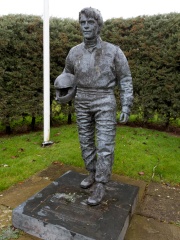
Roger Williamson
RACING DRIVER
1948 - 1973
HPI: 62.24
Место: 208

Bob Lanier
BASKETBALL PLAYER
1948 - 2022
HPI: 62.21
Место: 209
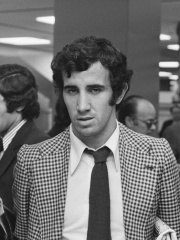
Javier Irureta
SOCCER PLAYER
1948 - наст. время
HPI: 62.16
Место: 210
Gerry Adams
POLITICIAN
1948 - наст. время
HPI: 62.15
Место: 211
Enrique Cerezo
POLITICIAN
1948 - наст. время
HPI: 62.14
Место: 212
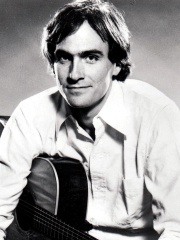
James Taylor
MUSICIAN
1948 - наст. время
HPI: 62.12
Место: 213
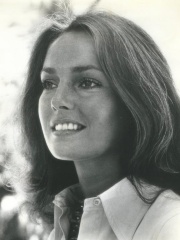
Jennifer O'Neill
ACTOR
1948 - наст. время
HPI: 62.11
Место: 214
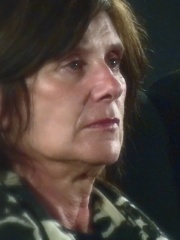
Catherine Breillat
WRITER
1948 - наст. время
HPI: 62.11
Место: 215
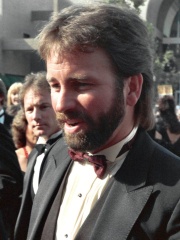
John Ritter
COMEDIAN
1948 - 2003
HPI: 62.11
Место: 216
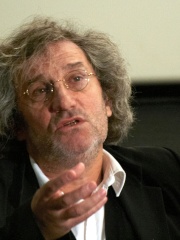
Philippe Garrel
FILM DIRECTOR
1948 - наст. время
HPI: 62.07
Место: 217
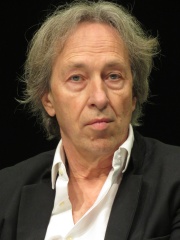
Pascal Bruckner
WRITER
1948 - наст. время
HPI: 62.05
Место: 218
В стране Испания
Среди людей, родившихся в стране Испания, Enrique Cerezo занимает 792-е место из NaN. Перед ним идут Catalina de Erauso (1592), Massiel (1947), Carlos Sainz Jr. (1994), Félix Candela (1910), Javier Irureta (1948), и Juan Alonso (1927). После него идут Felip Pedrell (1841), Josep Comas i Solà (1868), Alejandro Lerroux (1864), Infante Gonzalo of Spain (1914), Infanta Amalia of Spain (1834), и Andregoto Galíndez (910).
Другие люди, родившиеся в стране Испания
Все рейтинги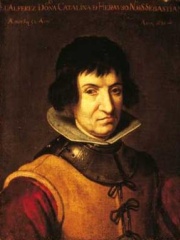
Catalina de Erauso
POLITICIAN
1592 - 1650
HPI: 62.21
Место: 786
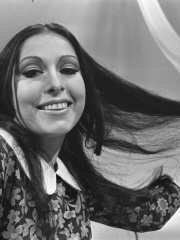
Massiel
SINGER
1947 - наст. время
HPI: 62.19
Место: 787

Carlos Sainz Jr.
RACING DRIVER
1994 - наст. время
HPI: 62.18
Место: 788
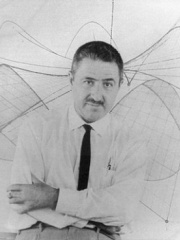
Félix Candela
ARCHITECT
1910 - 1997
HPI: 62.17
Место: 789
Javier Irureta
SOCCER PLAYER
1948 - наст. время
HPI: 62.16
Место: 790

Juan Alonso
SOCCER PLAYER
1927 - 1994
HPI: 62.15
Место: 791
Enrique Cerezo
POLITICIAN
1948 - наст. время
HPI: 62.14
Место: 792
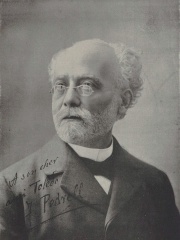
Felip Pedrell
COMPOSER
1841 - 1922
HPI: 62.14
Место: 793
Josep Comas i Solà
ASTRONOMER
1868 - 1937
HPI: 62.11
Место: 794
Alejandro Lerroux
POLITICIAN
1864 - 1949
HPI: 62.11
Место: 795
Infante Gonzalo of Spain
NOBLEMAN
1914 - 1934
HPI: 62.11
Место: 796
Infanta Amalia of Spain
NOBLEMAN
1834 - 1905
HPI: 62.11
Место: 797

Andregoto Galíndez
POLITICIAN
910 - 972
HPI: 62.09
Место: 798
Среди представителей профессии «Политик» в стране Испания
Среди представителей профессии «Политик», родившихся в стране Испания, Enrique Cerezo занимает 266-е место. Перед ним идут Leopoldo Calvo-Sotelo (1926), Estanislao Figueras (1819), Infanta María Cristina of Spain (1911), Lucius Licinius Sura (40), Aben Humeya (1520), и Catalina de Erauso (1592). После него идут Alejandro Lerroux (1864), Andregoto Galíndez (910), Sunyer, Count of Barcelona (900), Nasr of Granada (1287), Infanta María Teresa of Spain (1882), и Enric Prat de la Riba (1870).
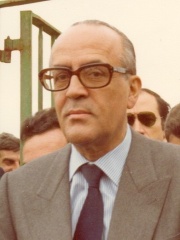
Leopoldo Calvo-Sotelo
1926 - 2008
HPI: 62.26
Место: 260
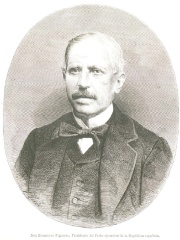
Estanislao Figueras
1819 - 1882
HPI: 62.24
Место: 261
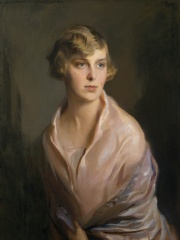
Infanta María Cristina of Spain
1911 - 1996
HPI: 62.23
Место: 262
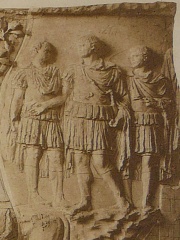
Lucius Licinius Sura
40 - 108
HPI: 62.22
Место: 263
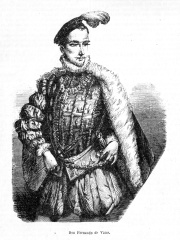
Aben Humeya
1520 - 1569
HPI: 62.21
Место: 264
Catalina de Erauso
1592 - 1650
HPI: 62.21
Место: 265
Enrique Cerezo
1948 - наст. время
HPI: 62.14
Место: 266
Alejandro Lerroux
1864 - 1949
HPI: 62.11
Место: 267
Andregoto Galíndez
910 - 972
HPI: 62.09
Место: 268
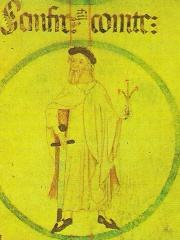
Sunyer, Count of Barcelona
900 - 950
HPI: 62.03
Место: 269

Nasr of Granada
1287 - 1322
HPI: 62.01
Место: 270
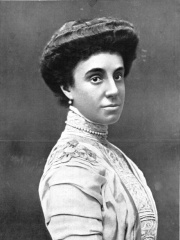
Infanta María Teresa of Spain
1882 - 1912
HPI: 61.97
Место: 271
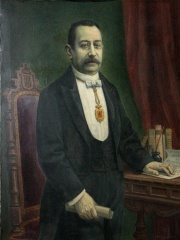
Enric Prat de la Riba
1870 - 1917
HPI: 61.91
Место: 272




