Painter
Dirck Barendsz
Dutch painter
1534 - 1592
EN.WIKIPEDIA PAGE VIEWS (PV)
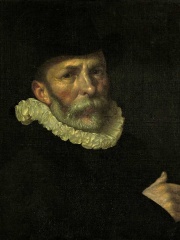
 Dirck Barendsz
His biography is available in 16 different languages on Wikipedia. Dirck Barendsz is the 1,617th most popular painter (down from 1,611th in 2024), the 664th most popular biography from Netherlands (up from 667th in 2019) and the 142nd most popular Dutch Painter.
Memorability Metrics
2.3k
Page Views
Past 12 months
57.30
HPI
Historical Popularity Index
Data Insights
16
Dirck Barendsz's biography spans 16 Wikipedia language editions and earns a Historical Popularity Index of 57.30.
Page views of Dirck Barendsz by language
Among Painters
Among painters, Dirck Barendsz ranks 1,617 out of 2,055. Before him are Willem Roelofs, Abel de Pujol, Alice Pike Barney, David Allan, Rockwell Kent, and Isaac Oliver. After him are Domenico di Bartolo, Valentine Hugo, Utagawa Toyokuni, Gustaf Lundberg, Thomas Bewick, and Oleksandr Murashko.
Most Popular Painters in Wikipedia
Go to all Rankings
Willem Roelofs
1822 - 1897
HPI: 57.36
Rank: 1,611
Abel de Pujol
1785 - 1861
HPI: 57.34
Rank: 1,612
Alice Pike Barney
1857 - 1931
HPI: 57.31
Rank: 1,613
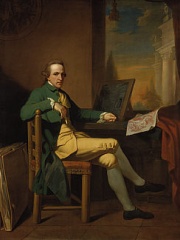
David Allan
1744 - 1796
HPI: 57.31
Rank: 1,614
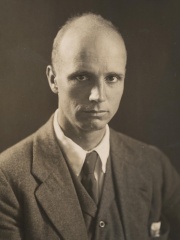
Rockwell Kent
1882 - 1971
HPI: 57.30
Rank: 1,615
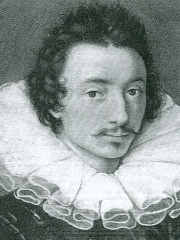
Isaac Oliver
1556 - 1617
HPI: 57.30
Rank: 1,616
Dirck Barendsz
1534 - 1592
HPI: 57.30
Rank: 1,617
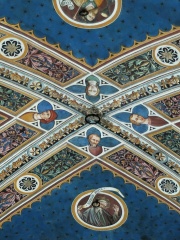
Domenico di Bartolo
1400 - 1445
HPI: 57.30
Rank: 1,618
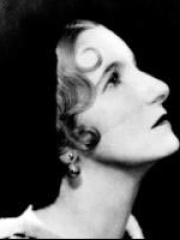
Valentine Hugo
1887 - 1968
HPI: 57.29
Rank: 1,619
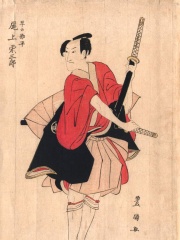
Utagawa Toyokuni
1769 - 1825
HPI: 57.28
Rank: 1,620
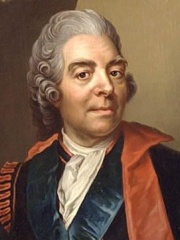
Gustaf Lundberg
1695 - 1786
HPI: 57.28
Rank: 1,621
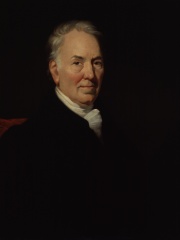
Thomas Bewick
1753 - 1828
HPI: 57.28
Rank: 1,622
Oleksandr Murashko
1875 - 1919
HPI: 57.28
Rank: 1,623

Contemporaries
Among people born in 1534, Dirck Barendsz ranks 19. Before him are Abtai Sain Khan, Hans Bol, Setthathirath, Fernando de Herrera, Volcher Coiter, and Zacharias Ursinus. Among people deceased in 1592, Dirck Barendsz ranks 25. Before him are Marc'Antonio Ingegneri, Moderata Fonte, Sibylle of Saxony, Dorothea Susanne of Simmern, Girolamo Cassar, and Alessandro Striggio. After him is Robert Greene.
Others Born in 1534
Go to all Rankings
Abtai Sain Khan
RELIGIOUS FIGURE
1534 - 1588
HPI: 59.87
Rank: 13
Hans Bol
PAINTER
1534 - 1593
HPI: 59.71
Rank: 14
Setthathirath
POLITICIAN
1534 - 1571
HPI: 59.28
Rank: 15
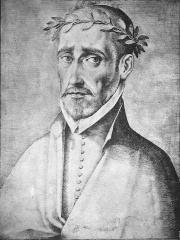
Fernando de Herrera
WRITER
1534 - 1597
HPI: 58.85
Rank: 16
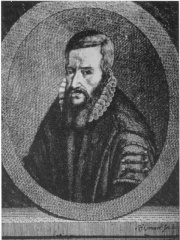
Volcher Coiter
BIOLOGIST
1534 - 1576
HPI: 58.63
Rank: 17
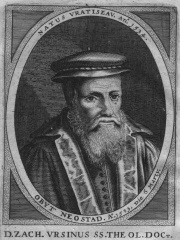
Zacharias Ursinus
RELIGIOUS FIGURE
1534 - 1583
HPI: 57.88
Rank: 18
Dirck Barendsz
PAINTER
1534 - 1592
HPI: 57.30
Rank: 19
Others Deceased in 1592
Go to all Rankings
Marc'Antonio Ingegneri
COMPOSER
1535 - 1592
HPI: 61.84
Rank: 19
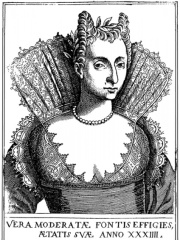
Moderata Fonte
WRITER
1555 - 1592
HPI: 60.54
Rank: 20
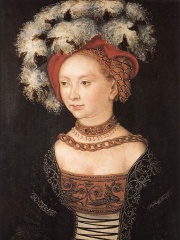
Sibylle of Saxony
NOBLEMAN
1515 - 1592
HPI: 60.04
Rank: 21
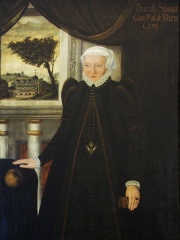
Dorothea Susanne of Simmern
NOBLEMAN
1544 - 1592
HPI: 59.25
Rank: 22

Girolamo Cassar
ARCHITECT
1520 - 1592
HPI: 58.58
Rank: 23

Alessandro Striggio
COMPOSER
1540 - 1592
HPI: 57.56
Rank: 24
Dirck Barendsz
PAINTER
1534 - 1592
HPI: 57.30
Rank: 25
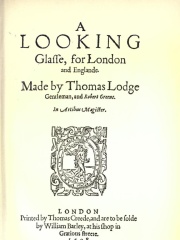
Robert Greene
WRITER
1558 - 1592
HPI: 57.09
Rank: 26
In Netherlands
Among people born in Netherlands, Dirck Barendsz ranks 664 out of 2,139. Before him are Bernard Leene (1903), Neelie Kroes (1941), Paulus Bor (1601), Frederik van Eeden (1860), Willem Roelofs (1822), and Gerrie Knetemann (1951). After him are Peter Post (1933), Ramon Dekkers (1969), George Kooymans (1948), Frans van der Lugt (1938), Willem Johan Kolff (1911), and Princess Louise of Orange-Nassau (1770).
Others born in Netherlands
Go to all Rankings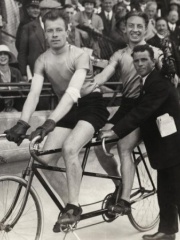
Bernard Leene
CYCLIST
1903 - 1988
HPI: 57.42
Rank: 658
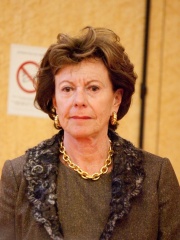
Neelie Kroes
POLITICIAN
1941 - Present
HPI: 57.41
Rank: 659
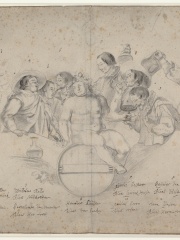
Paulus Bor
PAINTER
1601 - 1669
HPI: 57.41
Rank: 660
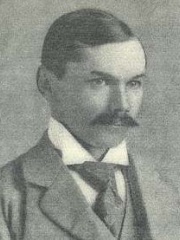
Frederik van Eeden
PSYCHOLOGIST
1860 - 1932
HPI: 57.37
Rank: 661
Willem Roelofs
PAINTER
1822 - 1897
HPI: 57.36
Rank: 662
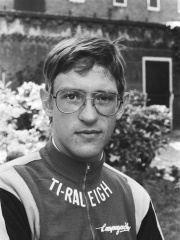
Gerrie Knetemann
CYCLIST
1951 - 2004
HPI: 57.31
Rank: 663
Dirck Barendsz
PAINTER
1534 - 1592
HPI: 57.30
Rank: 664
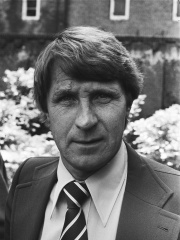
Peter Post
CYCLIST
1933 - 2011
HPI: 57.30
Rank: 665
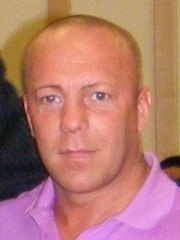
Ramon Dekkers
POLITICIAN
1969 - 2013
HPI: 57.27
Rank: 666
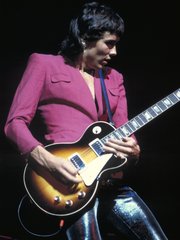
George Kooymans
MUSICIAN
1948 - 2025
HPI: 57.26
Rank: 667
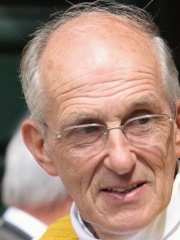
Frans van der Lugt
RELIGIOUS FIGURE
1938 - 2014
HPI: 57.25
Rank: 668
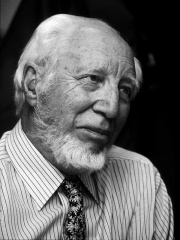
Willem Johan Kolff
PHYSICIAN
1911 - 2009
HPI: 57.25
Rank: 669
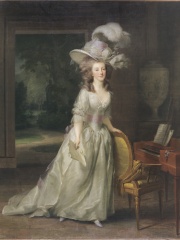
Princess Louise of Orange-Nassau
NOBLEMAN
1770 - 1819
HPI: 57.24
Rank: 670
Among Painters In Netherlands
Among painters born in Netherlands, Dirck Barendsz ranks 142. Before him are Pieter Pourbus (1523), Nicolaas Pieneman (1809), Hendrik Martenszoon Sorgh (null), Jacob Gerritsz. Cuyp (1594), Paulus Bor (1601), and Willem Roelofs (1822). After him are Jan van de Cappelle (1624), Leonardus Nardus (1868), Reinier Nooms (1623), Constant Nieuwenhuys (1920), Cornelis Bloemaert (1603), and Hendrik Voogd (1768).
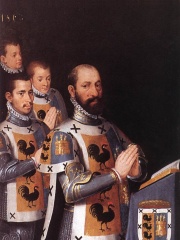
Pieter Pourbus
1523 - 1584
HPI: 57.70
Rank: 136
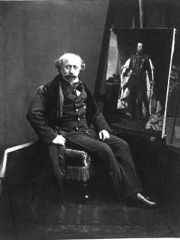
Nicolaas Pieneman
1809 - 1860
HPI: 57.61
Rank: 137
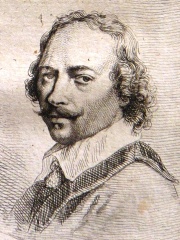
Hendrik Martenszoon Sorgh
HPI: 57.48
Rank: 138

Jacob Gerritsz. Cuyp
1594 - 1652
HPI: 57.46
Rank: 139
Paulus Bor
1601 - 1669
HPI: 57.41
Rank: 140
Willem Roelofs
1822 - 1897
HPI: 57.36
Rank: 141
Dirck Barendsz
1534 - 1592
HPI: 57.30
Rank: 142

Jan van de Cappelle
1624 - 1679
HPI: 57.20
Rank: 143
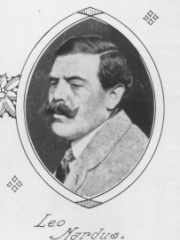
Leonardus Nardus
1868 - 1955
HPI: 57.19
Rank: 144

Reinier Nooms
1623 - 1664
HPI: 56.81
Rank: 145
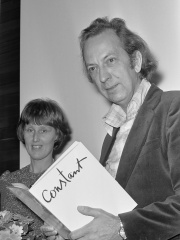
Constant Nieuwenhuys
1920 - 2005
HPI: 56.52
Rank: 146
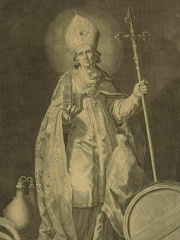
Cornelis Bloemaert
1603 - 1692
HPI: 56.37
Rank: 147
Hendrik Voogd
1768 - 1839
HPI: 56.29
Rank: 148




