Peintre
Cornelis Ketel
1548 - 1616
PAGES VUES SUR FR.WIKIPEDIA (PV)
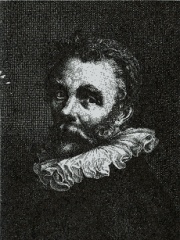
 Cornelis Ketel
Sa biographie est disponible en 16 langues sur Wikipédia. Cornelis Ketel est le 1,781st peintre le plus populaire (en baisse du 1,131st en 2024), la 777th biographie la plus populaire des Pays-Bas (en baisse du 476th en 2019), ainsi que le 153rd peintre des Pays-Bas le plus populaire.
Indicateurs de mémorabilité
4.4k
Pages vues
12 derniers mois
55.60
HPI
Indice de popularité historique
Faits marquants
16
La biographie de Cornelis Ketel couvre 16 éditions linguistiques de Wikipédia et obtient un Indice de Popularité Historique de 55.60.
Pages vues de Cornelis Ketel par langue
Parmi les Peintre
Parmi les Peintre, Cornelis Ketel occupe le rang 1,781 sur 2,055. Avant lui viennent August Malmström, Kiki Kogelnik, Paul Raud, Romanino, Miroslav Kraljević, et Anita Rée. Après lui viennent Marie Bouliard, Lemuel Francis Abbott, Peter Perez Burdett, Mikhail Matyushin, Helena Almeida, et Peter Scott.
Peintre les plus populaires sur Wikipédia
Voir tous les classements
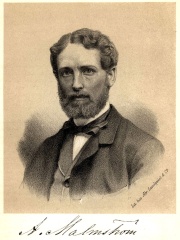
August Malmström
1829 - 1901
HPI : 55.65
Rang : 1,775
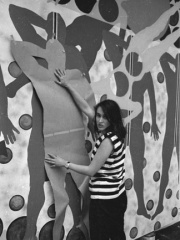
Kiki Kogelnik
1935 - 1997
HPI : 55.65
Rang : 1,776
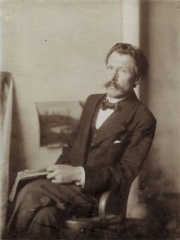
Paul Raud
1865 - 1930
HPI : 55.64
Rang : 1,777
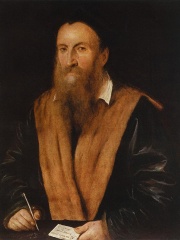
Romanino
1485 - 1566
HPI : 55.62
Rang : 1,778
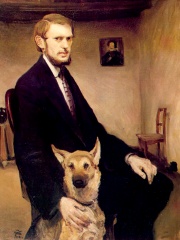
Miroslav Kraljević
1885 - 1913
HPI : 55.61
Rang : 1,779
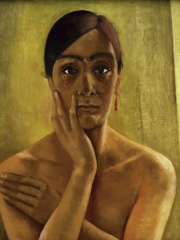
Anita Rée
1885 - 1933
HPI : 55.60
Rang : 1,780
Cornelis Ketel
1548 - 1616
HPI : 55.60
Rang : 1,781

Marie Bouliard
1762 - 1825
HPI : 55.58
Rang : 1,782
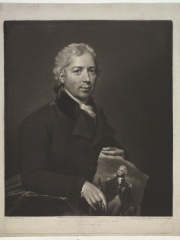
Lemuel Francis Abbott
1760 - 1803
HPI : 55.58
Rang : 1,783
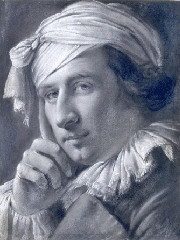
Peter Perez Burdett
1734 - 1793
HPI : 55.55
Rang : 1,784
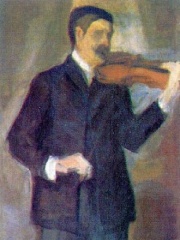
Mikhail Matyushin
1861 - 1934
HPI : 55.54
Rang : 1,785
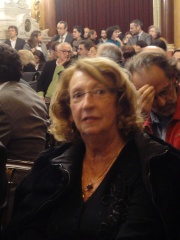
Helena Almeida
1934 - 2018
HPI : 55.54
Rang : 1,786
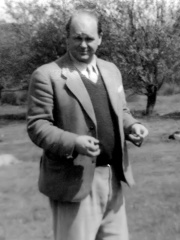
Peter Scott
1909 - 1989
HPI : 55.50
Rang : 1,787

Contemporains
Parmi les personnes nées en 1548, Cornelis Ketel occupe le rang 16. Avant lui viennent Palma il Giovane, Catherine of Cleves, Fatma Sultan, Antonio Priuli, Giulio Cesare Polerio, et Sebastián Vizcaíno. Après lui vient Malik Ambar. Parmi les personnes décédées en 1616, Cornelis Ketel occupe le rang 21. Avant lui viennent Agnes Hedwig of Anhalt, Francis Beaumont, Matthias de l'Obel, Mikołaj Krzysztof Radziwiłł the Orphan, Richard Hakluyt, et Vitsentzos Kornaros. Après lui vient Hugh O'Neill, Earl of Tyrone.
Autres personnes nées en 1548
Voir tous les classements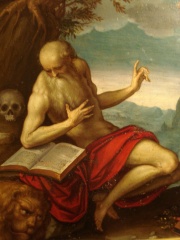
Palma il Giovane
PAINTER
1548 - 1628
HPI : 64.53
Rang : 10
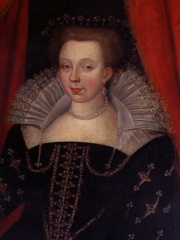
Catherine of Cleves
NOBLEMAN
1548 - 1633
HPI : 63.59
Rang : 11

Fatma Sultan
POLITICIAN
1548 - 1559
HPI : 62.97
Rang : 12
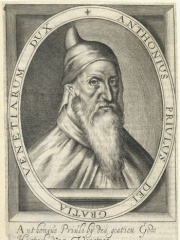
Antonio Priuli
POLITICIAN
1548 - 1623
HPI : 59.50
Rang : 13

Giulio Cesare Polerio
POLITICIAN
1548 - 1612
HPI : 58.54
Rang : 14
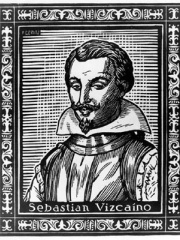
Sebastián Vizcaíno
EXPLORER
1548 - 1624
HPI : 58.26
Rang : 15
Cornelis Ketel
PAINTER
1548 - 1616
HPI : 55.60
Rang : 16
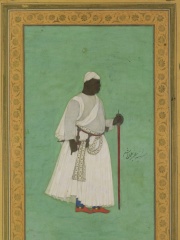
Malik Ambar
MILITARY PERSONNEL
1548 - 1626
HPI : 53.18
Rang : 17
Autres personnes décédées en 1616
Voir tous les classements
Agnes Hedwig of Anhalt
NOBLEMAN
1573 - 1616
HPI : 60.91
Rang : 15
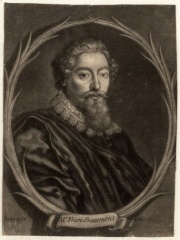
Francis Beaumont
WRITER
1584 - 1616
HPI : 60.38
Rang : 16
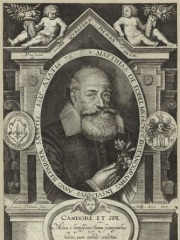
Matthias de l'Obel
BIOLOGIST
1538 - 1616
HPI : 59.83
Rang : 17
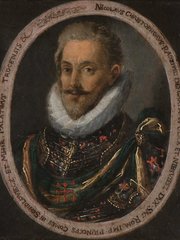
Mikołaj Krzysztof Radziwiłł the Orphan
NOBLEMAN
1549 - 1616
HPI : 59.67
Rang : 18
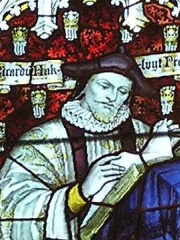
Richard Hakluyt
WRITER
1552 - 1616
HPI : 59.13
Rang : 19
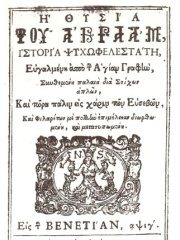
Vitsentzos Kornaros
WRITER
1553 - 1616
HPI : 58.61
Rang : 20
Cornelis Ketel
PAINTER
1548 - 1616
HPI : 55.60
Rang : 21
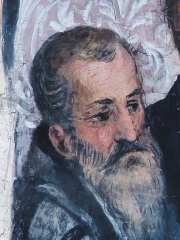
Hugh O'Neill, Earl of Tyrone
NOBLEMAN
1540 - 1616
HPI : 52.48
Rang : 22
En Pays-Bas
Parmi les personnes nées en Pays-Bas, Cornelis Ketel occupe le rang 777 sur 2,139. Avant lui viennent Martin van Creveld (1946), Doutzen Kroes (1985), Jaap Eden (1873), Nicolaas Pierson (1839), Dirk Hartog (1580), et Ed de Goey (1966). Après lui viennent Henriette Roland Holst (1869), Witte de With (1599), Princess Mabel of Orange-Nassau (1968), Pieter Cort van der Linden (1846), Joseph Bruyère (1948), et Frederik Kaiser (1808).
Autres personnes nées en Pays-Bas
Voir tous les classements
Martin van Creveld
HISTORIAN
1946 - présent
HPI : 55.69
Rang : 771
Doutzen Kroes
MODEL
1985 - présent
HPI : 55.66
Rang : 772
Jaap Eden
SOCCER PLAYER
1873 - 1925
HPI : 55.65
Rang : 773
Nicolaas Pierson
POLITICIAN
1839 - 1909
HPI : 55.65
Rang : 774

Dirk Hartog
EXPLORER
1580 - 1621
HPI : 55.61
Rang : 775

Ed de Goey
SOCCER PLAYER
1966 - présent
HPI : 55.61
Rang : 776
Cornelis Ketel
PAINTER
1548 - 1616
HPI : 55.60
Rang : 777
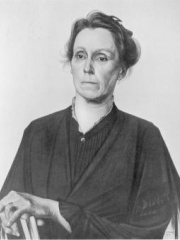
Henriette Roland Holst
WRITER
1869 - 1952
HPI : 55.57
Rang : 778
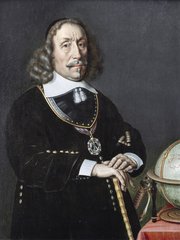
Witte de With
MILITARY PERSONNEL
1599 - 1658
HPI : 55.56
Rang : 779
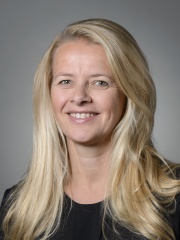
Princess Mabel of Orange-Nassau
POLITICIAN
1968 - présent
HPI : 55.53
Rang : 780
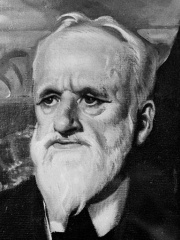
Pieter Cort van der Linden
POLITICIAN
1846 - 1935
HPI : 55.48
Rang : 781
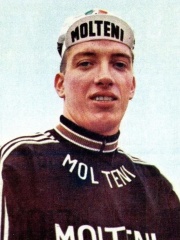
Joseph Bruyère
CYCLIST
1948 - présent
HPI : 55.45
Rang : 782
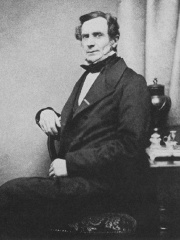
Frederik Kaiser
ASTRONOMER
1808 - 1872
HPI : 55.45
Rang : 783
Parmi les Peintre en Pays-Bas
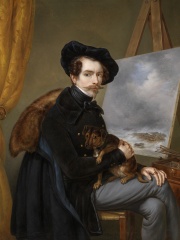
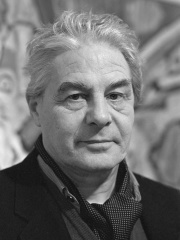
Parmi les Peintre nés en Pays-Bas, Cornelis Ketel occupe le rang 153. Avant lui viennent Cornelis Bloemaert (1603), Hendrik Voogd (1768), Pieter de Grebber (1600), Jan Gerritsz van Bronckhorst (1603), Charley Toorop (1891), et Thérèse Schwartze (1851). Après lui viennent Louis Meijer (1809), et Lucebert (1924).
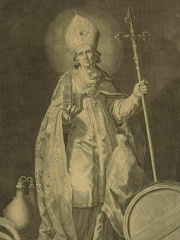
Cornelis Bloemaert
1603 - 1692
HPI : 56.37
Rang : 147
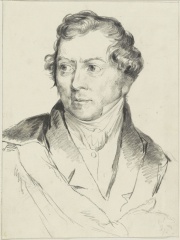
Hendrik Voogd
1768 - 1839
HPI : 56.29
Rang : 148
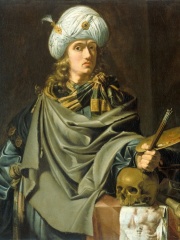
Pieter de Grebber
1600 - 1652
HPI : 56.16
Rang : 149
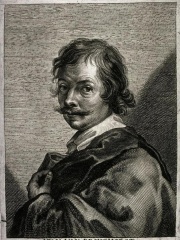
Jan Gerritsz van Bronckhorst
1603 - 1661
HPI : 55.86
Rang : 150
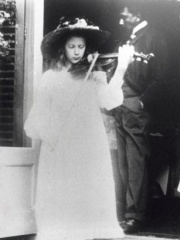
Charley Toorop
1891 - 1955
HPI : 55.81
Rang : 151
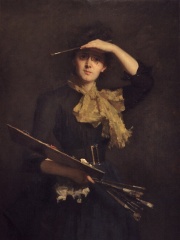
Thérèse Schwartze
1851 - 1918
HPI : 55.70
Rang : 152
Cornelis Ketel
1548 - 1616
HPI : 55.60
Rang : 153
Louis Meijer
1809 - 1866
HPI : 55.13
Rang : 154
Lucebert
1924 - 1994
HPI : 54.23
Rang : 155




