Politikus
Dion of Syracuse
409 BC - 354 BC
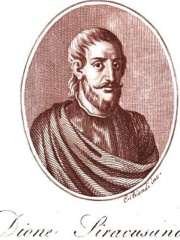
 Dion of Syracuse
Életrajza 24 különböző nyelven érhető el a Wikipédián (növekedés 22-ről 2024-ben). Dion of Syracuse a 4,728th legnépszerűbb politikus (csökkenés a 4,427th-ről 2024-ben), a 1,349th legnépszerűbb életrajz Olaszország országából (csökkenés a 1,317th-ről 2019-ben) és a 315th legnépszerűbb Olaszországból politikus.
Ismertségi mutatók
27k
Oldalmegtekintések
Elmúlt 12 hónap
66.92
HPI
Történelmi népszerűségi index
Adatérdekességek
24
Dion of Syracuse életrajza a Wikipédia 24 nyelvi változatában érhető el, történelmi népszerűségi indexe 66.92.
Dion of Syracuse oldalmegtekintései nyelvenként
A(z) Politikus között
A(z) Politikus között Dion of Syracuse a(z) 4,726. helyen áll 20,022 közül. Előtte állnak: Eduardo Duhalde, Jayavarman II, Naresuan, Ivan Sratsimir of Bulgaria, Peter II, Count of Alençon, és Ramon Magsaysay. Utána következnek: Milan Hodža, Marie of Prussia, Malam Bacai Sanhá, George III of Georgia, Joan, Countess of Flanders, és Charles Grey, 2nd Earl Grey.
A legnépszerűbb Politikus a Wikipédián
Összes rangsor megtekintése
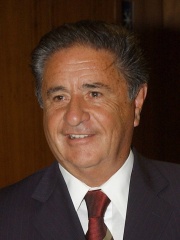
Eduardo Duhalde
1941 - napjainkig
HPI: 66.93
Helyezés: 4,722

Jayavarman II
800 - 835
HPI: 66.93
Helyezés: 4,723

Naresuan
1555 - 1605
HPI: 66.93
Helyezés: 4,724
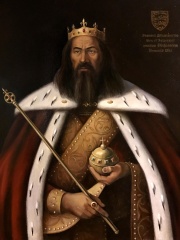
Ivan Sratsimir of Bulgaria
1324 - 1397
HPI: 66.92
Helyezés: 4,725

Peter II, Count of Alençon
1340 - 1404
HPI: 66.92
Helyezés: 4,726
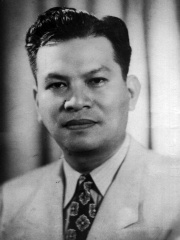
Ramon Magsaysay
1907 - 1957
HPI: 66.92
Helyezés: 4,727
Dion of Syracuse
409 BC - 354 BC
HPI: 66.92
Helyezés: 4,728
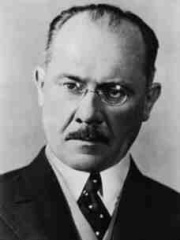
Milan Hodža
1878 - 1944
HPI: 66.92
Helyezés: 4,729
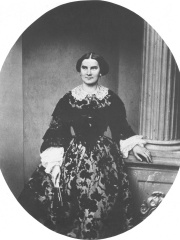
Marie of Prussia
1825 - 1889
HPI: 66.92
Helyezés: 4,730

Malam Bacai Sanhá
1947 - 2012
HPI: 66.92
Helyezés: 4,731
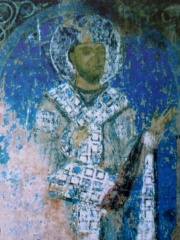
George III of Georgia
1200 - 1184
HPI: 66.92
Helyezés: 4,732
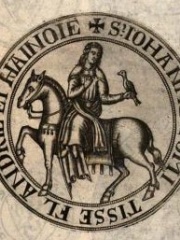
Joan, Countess of Flanders
1200 - 1244
HPI: 66.91
Helyezés: 4,733
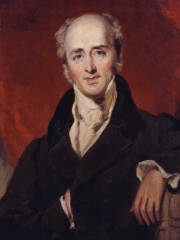
Charles Grey, 2nd Earl Grey
1764 - 1845
HPI: 66.91
Helyezés: 4,734

Kortársak
A(z) 409 BC. évben születettek között Dion of Syracuse a(z) 1. helyen áll. A(z) 354 BC. évben elhunytak között Dion of Syracuse a(z) 2. helyen áll. Előtte áll: Xenophon. Utána következik: Timotheus.
További személyek, akik a(z) 409 BC. évben születtek
Összes rangsor megtekintéseTovábbi személyek, akik a(z) 354 BC. évben hunytak el
Összes rangsor megtekintése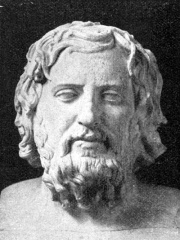
Xenophon
HISTORIAN
430 BC - 354 BC
HPI: 82.05
Helyezés: 1
Dion of Syracuse
POLITICIAN
409 BC - 354 BC
HPI: 66.92
Helyezés: 2

Timotheus
POLITICIAN
400 BC - 354 BC
HPI: 60.53
Helyezés: 3
A(z) Olaszország rangsorában
A(z) Olaszország területén születettek között Dion of Syracuse a(z) 1,349. helyen áll 5,905 közül. Előtte állnak: Giovanni Domenico Tiepolo (1727), Asconius Pedianus (-9), Julia Flavia (64), Giovanni Gronchi (1887), Amintore Fanfani (1908), és Piero Manzoni (1933). Utána következnek: Luigi Tenco (1938), Gianni Morandi (1944), Naevius Sutorius Macro (-21), Eleanor of Anjou (1289), Armando Diaz (1861), és Giovanni Battista Moroni (1525).
További személyek, akik Olaszország területén születtek
Összes rangsor megtekintése
Giovanni Domenico Tiepolo
PAINTER
1727 - 1804
HPI: 66.96
Helyezés: 1,343

Asconius Pedianus
WRITER
9 BC - 76
HPI: 66.94
Helyezés: 1,344
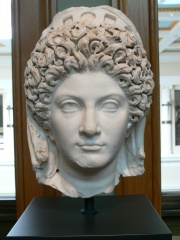
Julia Flavia
POLITICIAN
64 - 91
HPI: 66.94
Helyezés: 1,345
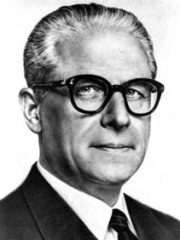
Giovanni Gronchi
POLITICIAN
1887 - 1978
HPI: 66.94
Helyezés: 1,346
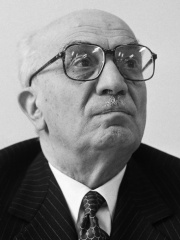
Amintore Fanfani
POLITICIAN
1908 - 1999
HPI: 66.94
Helyezés: 1,347

Piero Manzoni
PAINTER
1933 - 1963
HPI: 66.93
Helyezés: 1,348
Dion of Syracuse
POLITICIAN
409 BC - 354 BC
HPI: 66.92
Helyezés: 1,349

Luigi Tenco
MUSICIAN
1938 - 1967
HPI: 66.91
Helyezés: 1,350

Gianni Morandi
SINGER
1944 - napjainkig
HPI: 66.91
Helyezés: 1,351

Naevius Sutorius Macro
POLITICIAN
21 BC - 38
HPI: 66.90
Helyezés: 1,352
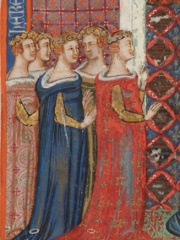
Eleanor of Anjou
COMPANION
1289 - napjainkig
HPI: 66.89
Helyezés: 1,353
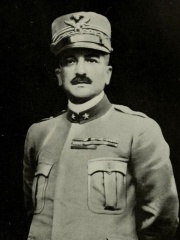
Armando Diaz
MILITARY PERSONNEL
1861 - 1928
HPI: 66.89
Helyezés: 1,354
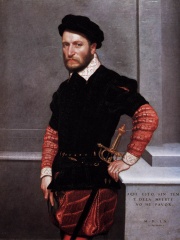
Giovanni Battista Moroni
PAINTER
1525 - 1578
HPI: 66.88
Helyezés: 1,355
A(z) Politikus között – Olaszország
A(z) Olaszország területén született Politikus között Dion of Syracuse a(z) 315. helyen áll. Előtte állnak: Agrippa Postumus (-12), Verres (-120), Maria Pia of Savoy (1847), Julia Flavia (64), Giovanni Gronchi (1887), és Amintore Fanfani (1908). Utána következnek: Naevius Sutorius Macro (-21), Thomas Francis, Prince of Carignano (1596), Francesco Maria I della Rovere, Duke of Urbino (1490), Alfonso Ferrero La Marmora (1804), Radagaisus (400), és Julia (-190).
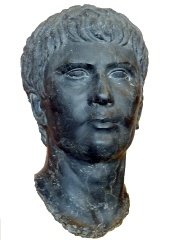
Agrippa Postumus
12 BC - 14
HPI: 66.99
Helyezés: 309

Verres
120 BC - 43 BC
HPI: 66.98
Helyezés: 310
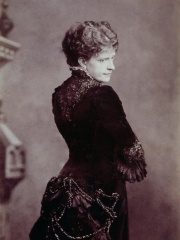
Maria Pia of Savoy
1847 - 1911
HPI: 66.97
Helyezés: 311
Julia Flavia
64 - 91
HPI: 66.94
Helyezés: 312
Giovanni Gronchi
1887 - 1978
HPI: 66.94
Helyezés: 313
Amintore Fanfani
1908 - 1999
HPI: 66.94
Helyezés: 314
Dion of Syracuse
409 BC - 354 BC
HPI: 66.92
Helyezés: 315
Naevius Sutorius Macro
21 BC - 38
HPI: 66.90
Helyezés: 316
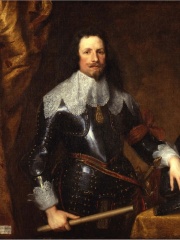
Thomas Francis, Prince of Carignano
1596 - 1656
HPI: 66.85
Helyezés: 317
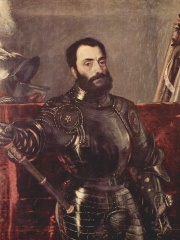
Francesco Maria I della Rovere, Duke of Urbino
1490 - 1538
HPI: 66.85
Helyezés: 318
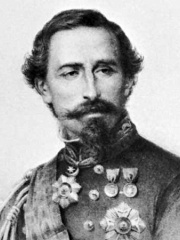
Alfonso Ferrero La Marmora
1804 - 1878
HPI: 66.84
Helyezés: 319
Radagaisus
400 - 406
HPI: 66.82
Helyezés: 320
Julia
190 BC - 69 BC
HPI: 66.74
Helyezés: 321




