Бизнесмен
Dietmar Hopp
1940 - настоящее время
ПРОСМОТРЫ RU.WIKIPEDIA (PV)

 Dietmar Hopp
Его биография доступна на 18 различных языках в Википедии. Dietmar Hopp занимает 303-е место среди самых популярных бизнесмен (снижение с 253-е места в 2024 году), занимает 2689-е место среди самых популярных биографий из Германии (снижение с 2330-е места в 2019 году) и занимает 32-е место среди бизнесмен Германия.
Метрики памятности
200k
Просмотры страниц
За последние 12 месяцев
61.70
HPI
Индекс исторической популярности
Просмотры страницы Dietmar Hopp по языкам
Среди представителей профессии «Бизнесмен»
Среди представителей профессии «Бизнесмен» Dietmar Hopp занимает 303-е место из 847. Перед ним идут Friedrich Krupp, Eiji Toyoda, Francesco Baracca, Tommy Mottola, Mineko Iwasaki, и Kirk Kerkorian. После него идут John C. Bogle, Katharine Graham, Daniel Peter, Lazare Ponticelli, Zeynalabdin Taghiyev, и George Williams.
Самые популярные в Википедии: Бизнесмен
Все рейтинги
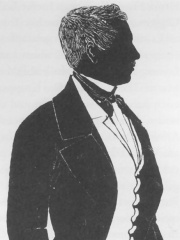
Friedrich Krupp
1787 - 1826
HPI: 61.82
Место: 297
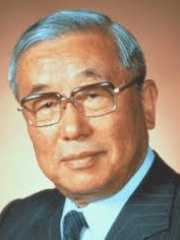
Eiji Toyoda
1913 - 2013
HPI: 61.76
Место: 298
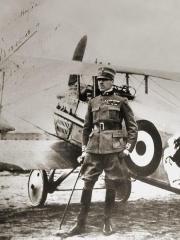
Francesco Baracca
1888 - 1918
HPI: 61.74
Место: 299

Tommy Mottola
1949 - наст. время
HPI: 61.73
Место: 300

Mineko Iwasaki
1949 - наст. время
HPI: 61.73
Место: 301
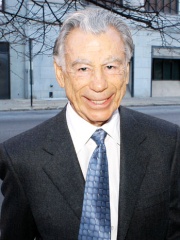
Kirk Kerkorian
1917 - 2015
HPI: 61.72
Место: 302
Dietmar Hopp
1940 - наст. время
HPI: 61.70
Место: 303
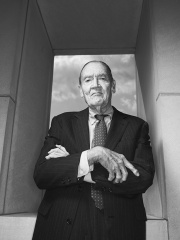
John C. Bogle
1929 - 2019
HPI: 61.67
Место: 304
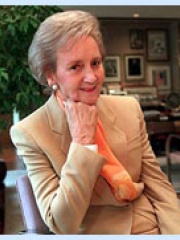
Katharine Graham
1917 - 2001
HPI: 61.63
Место: 305

Daniel Peter
1836 - 1919
HPI: 61.62
Место: 306
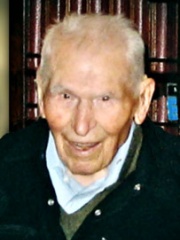
Lazare Ponticelli
1897 - 2008
HPI: 61.61
Место: 307
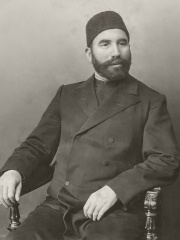
Zeynalabdin Taghiyev
1838 - 1924
HPI: 61.60
Место: 308
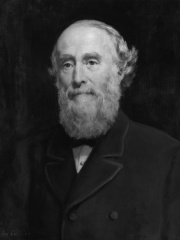
George Williams
1821 - 1905
HPI: 61.58
Место: 309

Современники
Среди людей, родившихся в 1940 году, Dietmar Hopp занимает 187-е место. Перед ним идут Natalia Makarova, Anatoliy Bondarchuk, Michael Parks, Louis Pilot, John Grinder, и Tony Sheridan. После него идут Leonard Susskind, Luis Cubilla, Kipchoge Keino, Mirko Jozić, Wayne Dyer, и Vito Acconci.
Другие люди, родившиеся в 1940 году
Все рейтинги
Natalia Makarova
ACTOR
1940 - наст. время
HPI: 62.02
Место: 181
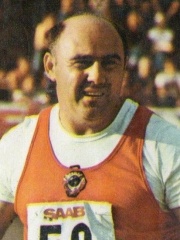
Anatoliy Bondarchuk
ATHLETE
1940 - 2025
HPI: 61.94
Место: 182
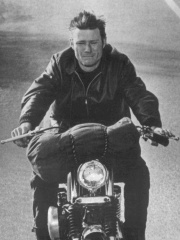
Michael Parks
ACTOR
1940 - 2017
HPI: 61.87
Место: 183
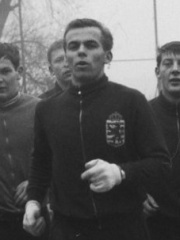
Louis Pilot
SOCCER PLAYER
1940 - 2016
HPI: 61.80
Место: 184
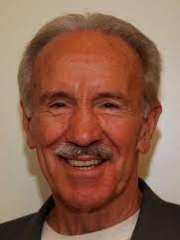
John Grinder
WRITER
1940 - наст. время
HPI: 61.77
Место: 185
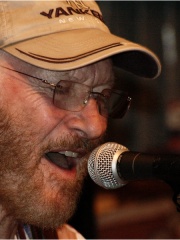
Tony Sheridan
MUSICIAN
1940 - 2013
HPI: 61.76
Место: 186
Dietmar Hopp
BUSINESSPERSON
1940 - наст. время
HPI: 61.70
Место: 187
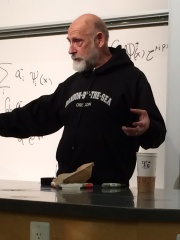
Leonard Susskind
PHYSICIST
1940 - наст. время
HPI: 61.68
Место: 188
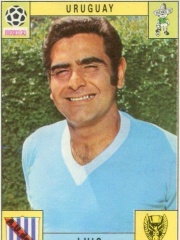
Luis Cubilla
SOCCER PLAYER
1940 - 2013
HPI: 61.59
Место: 189
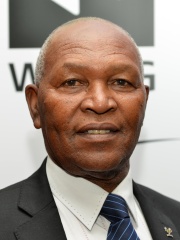
Kipchoge Keino
ATHLETE
1940 - наст. время
HPI: 61.58
Место: 190
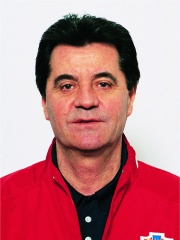
Mirko Jozić
SOCCER PLAYER
1940 - наст. время
HPI: 61.52
Место: 191
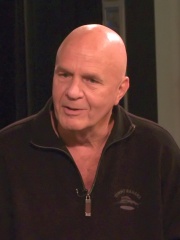
Wayne Dyer
WRITER
1940 - 2015
HPI: 61.48
Место: 192

Vito Acconci
ARTIST
1940 - 2017
HPI: 61.42
Место: 193
В стране Германия
Среди людей, родившихся в стране Германия, Dietmar Hopp занимает 2,689-е место из NaN. Перед ним идут Walter Ruttmann (1887), Claus Schilling (1871), Eric II, Duke of Pomerania (1418), Ernest Augustus II, Duke of Saxe-Weimar-Eisenach (1737), John I, Count Palatine of Zweibrücken (1550), и Prince Georg Ludwig of Holstein-Gottorp (1719). После него идут Christine of Saxony (1505), Wilhelm Leibl (1844), Henny Porten (1890), Georg Joseph Vogler (1749), Adolph VIII, Count of Holstein (1401), и Marie Eleonore of Cleves (1550).
Другие люди, родившиеся в стране Германия
Все рейтинги
Walter Ruttmann
FILM DIRECTOR
1887 - 1941
HPI: 61.71
Место: 2,683
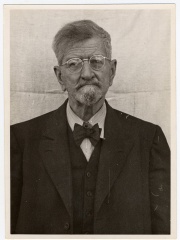
Claus Schilling
PHYSICIAN
1871 - 1946
HPI: 61.71
Место: 2,684
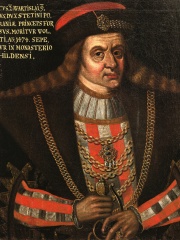
Eric II, Duke of Pomerania
NOBLEMAN
1418 - 1474
HPI: 61.71
Место: 2,685
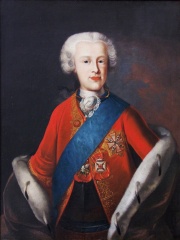
Ernest Augustus II, Duke of Saxe-Weimar-Eisenach
POLITICIAN
1737 - 1758
HPI: 61.70
Место: 2,686
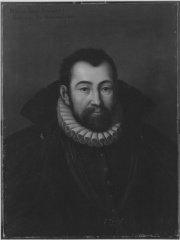
John I, Count Palatine of Zweibrücken
NOBLEMAN
1550 - 1604
HPI: 61.70
Место: 2,687
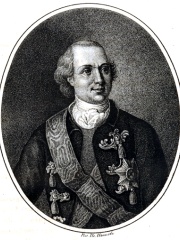
Prince Georg Ludwig of Holstein-Gottorp
POLITICIAN
1719 - 1763
HPI: 61.70
Место: 2,688
Dietmar Hopp
BUSINESSPERSON
1940 - наст. время
HPI: 61.70
Место: 2,689
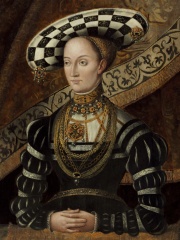
Christine of Saxony
POLITICIAN
1505 - 1549
HPI: 61.69
Место: 2,690
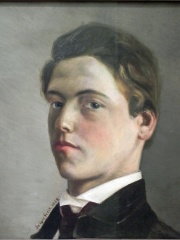
Wilhelm Leibl
PAINTER
1844 - 1900
HPI: 61.69
Место: 2,691
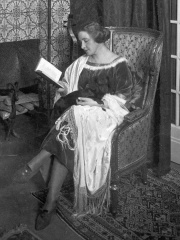
Henny Porten
ACTOR
1890 - 1960
HPI: 61.69
Место: 2,692
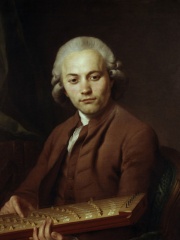
Georg Joseph Vogler
COMPOSER
1749 - 1814
HPI: 61.69
Место: 2,693
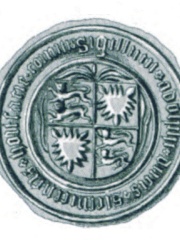
Adolph VIII, Count of Holstein
POLITICIAN
1401 - 1459
HPI: 61.69
Место: 2,694
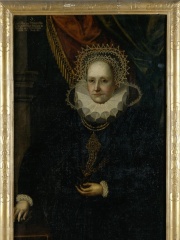
Marie Eleonore of Cleves
POLITICIAN
1550 - 1608
HPI: 61.69
Место: 2,695
Среди представителей профессии «Бизнесмен» в стране Германия
Среди представителей профессии «Бизнесмен», родившихся в стране Германия, Dietmar Hopp занимает 32-е место. Перед ним идут Carl Laemmle (1867), Karl Baedeker (1801), Hans Wilsdorf (1881), Friedrich Alfred Krupp (1854), Herbert Hainer (1954), и Friedrich Krupp (1787). После него идут Jawed Karim (1979), Hans Riegel (1923), Martin Winterkorn (1947), Friedrich Bayer (1825), Karl Wittgenstein (1847), и Daniel-Henry Kahnweiler (1884).
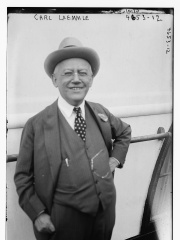
Carl Laemmle
1867 - 1939
HPI: 63.53
Место: 26
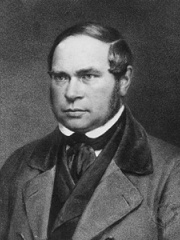
Karl Baedeker
1801 - 1859
HPI: 63.24
Место: 27
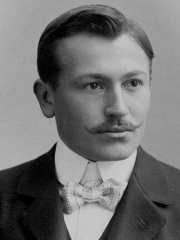
Hans Wilsdorf
1881 - 1960
HPI: 63.11
Место: 28
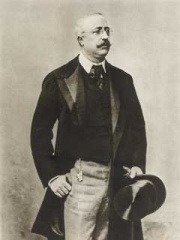
Friedrich Alfred Krupp
1854 - 1902
HPI: 62.48
Место: 29

Herbert Hainer
1954 - наст. время
HPI: 62.43
Место: 30
Friedrich Krupp
1787 - 1826
HPI: 61.82
Место: 31
Dietmar Hopp
1940 - наст. время
HPI: 61.70
Место: 32

Jawed Karim
1979 - наст. время
HPI: 61.47
Место: 33
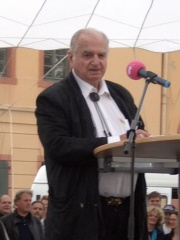
Hans Riegel
1923 - 2013
HPI: 61.34
Место: 34
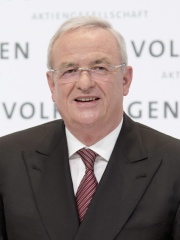
Martin Winterkorn
1947 - наст. время
HPI: 60.74
Место: 35
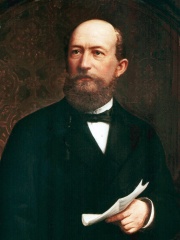
Friedrich Bayer
1825 - 1880
HPI: 60.70
Место: 36
Karl Wittgenstein
1847 - 1913
HPI: 60.66
Место: 37
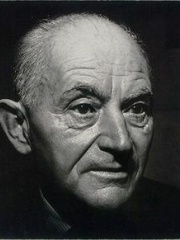
Daniel-Henry Kahnweiler
1884 - 1979
HPI: 60.66
Место: 38




