Politicien
Didier Reynders
1958 - aujourd'hui
PAGES VUES SUR FR.WIKIPEDIA (PV)
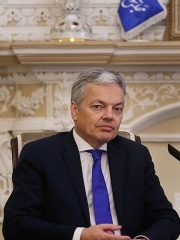

 Didier Reynders
Sa biographie est disponible en 27 langues sur Wikipédia (en hausse par rapport à 26 en 2024). Didier Reynders est le 10,874th politicien le plus populaire (en baisse du 9,418th en 2024), la 417th biographie la plus populaire de Belgique (en baisse du 354th en 2019), ainsi que le 96th politicien de Belgique le plus populaire.
Indicateurs de mémorabilité
47k
Pages vues
12 derniers mois
60.44
HPI
Indice de popularité historique
Faits marquants
27
La biographie de Didier Reynders couvre 27 éditions linguistiques de Wikipédia et obtient un Indice de Popularité Historique de 60.44.
Pages vues de Didier Reynders par langue
Parmi les Politicien
Parmi les Politicien, Didier Reynders occupe le rang 10,868 sur 20,022. Avant lui viennent Hermann Esser, Agnes Bernauer, Ino Anastasia, Vladimir Dmitrievich Nabokov, Enrichetta d'Este, et Rudolf Beran. Après lui viennent Gaius Memmius, Santiago Casares Quiroga, Merenhor, Štefan Tiso, Otto Henry, Count Palatine of Sulzbach, et Mushezib-Marduk.
Politicien les plus populaires sur Wikipédia
Voir tous les classements
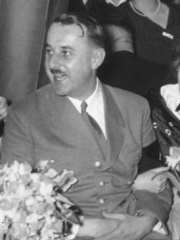
Hermann Esser
1900 - 1981
HPI : 60.45
Rang : 10,868
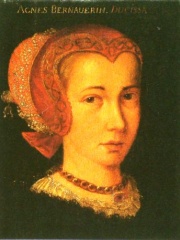
Agnes Bernauer
1410 - 1435
HPI : 60.45
Rang : 10,869
Ino Anastasia
600 - 593
HPI : 60.45
Rang : 10,870
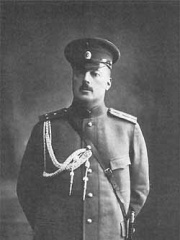
Vladimir Dmitrievich Nabokov
1869 - 1922
HPI : 60.45
Rang : 10,871
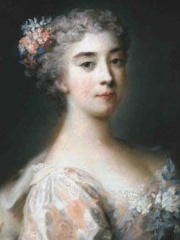
Enrichetta d'Este
1702 - 1777
HPI : 60.44
Rang : 10,872
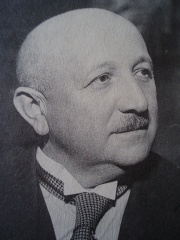
Rudolf Beran
1887 - 1954
HPI : 60.44
Rang : 10,873
Didier Reynders
1958 - présent
HPI : 60.44
Rang : 10,874

Gaius Memmius
99 av. J.-C. - 46 av. J.-C.
HPI : 60.44
Rang : 10,875
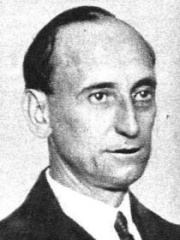
Santiago Casares Quiroga
1884 - 1950
HPI : 60.44
Rang : 10,876
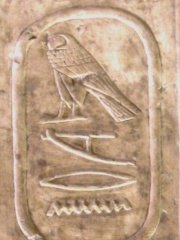
Merenhor
2200 av. J.-C. - 2200 av. J.-C.
HPI : 60.44
Rang : 10,877
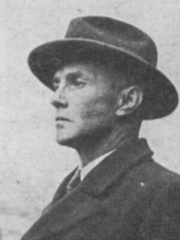
Štefan Tiso
1897 - 1959
HPI : 60.43
Rang : 10,878
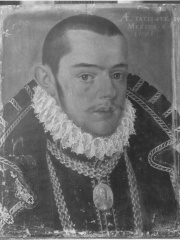
Otto Henry, Count Palatine of Sulzbach
1556 - 1604
HPI : 60.43
Rang : 10,879

Mushezib-Marduk
800 av. J.-C. - 689 av. J.-C.
HPI : 60.43
Rang : 10,880

Contemporains
Parmi les personnes nées en 1958, Didier Reynders occupe le rang 127. Avant lui viennent Abdul Hamid Dbeibeh, Samira Said, Steve Guttenberg, Anatoli Boukreev, Nancy Spungen, et Natalya Estemirova. Après lui viennent Yoshito Usui, Hiroshi Yoshida, Kevin Sorbo, Gennady Padalka, Luísa Diogo, et Didier Auriol.
Autres personnes nées en 1958
Voir tous les classements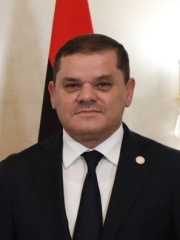
Abdul Hamid Dbeibeh
POLITICIAN
1958 - présent
HPI : 60.93
Rang : 121
Samira Said
SINGER
1958 - présent
HPI : 60.91
Rang : 122
Steve Guttenberg
ACTOR
1958 - présent
HPI : 60.71
Rang : 123
Anatoli Boukreev
MOUNTAINEER
1958 - 1997
HPI : 60.57
Rang : 124
Nancy Spungen
EXTREMIST
1958 - 1978
HPI : 60.57
Rang : 125
Natalya Estemirova
SOCIAL ACTIVIST
1958 - 2009
HPI : 60.48
Rang : 126
Didier Reynders
POLITICIAN
1958 - présent
HPI : 60.44
Rang : 127
Yoshito Usui
COMIC ARTIST
1958 - 2009
HPI : 60.42
Rang : 128

Hiroshi Yoshida
SOCCER PLAYER
1958 - présent
HPI : 60.37
Rang : 129
Kevin Sorbo
ACTOR
1958 - présent
HPI : 60.35
Rang : 130
Gennady Padalka
ASTRONAUT
1958 - présent
HPI : 60.33
Rang : 131
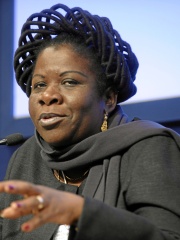
Luísa Diogo
POLITICIAN
1958 - 2026
HPI : 60.31
Rang : 132
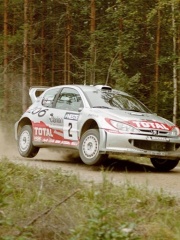
Didier Auriol
RACING DRIVER
1958 - présent
HPI : 60.29
Rang : 133
En Belgique
Parmi les personnes nées en Belgique, Didier Reynders occupe le rang 417 sur 1,454. Avant lui viennent Paul de Man (1919), Marie Popelin (1846), Herman Van Springel (1943), Isabella Brant (1591), Joos de Momper (1564), et Hucbald (840). Après lui viennent Henry Carton de Wiart (1869), Lucien Buysse (1892), Jaco Van Dormael (1957), Corneille Guillaume Beverloo (1922), Dries Mertens (1987), et Arthur De Greef (1862).
Autres personnes nées en Belgique
Voir tous les classements
Paul de Man
PHILOSOPHER
1919 - 1983
HPI : 60.52
Rang : 411
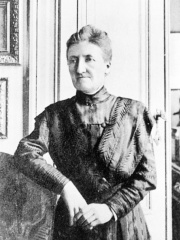
Marie Popelin
SOCIAL ACTIVIST
1846 - 1913
HPI : 60.52
Rang : 412
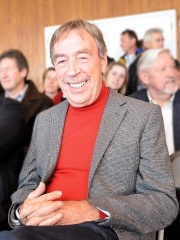
Herman Van Springel
CYCLIST
1943 - 2022
HPI : 60.51
Rang : 413
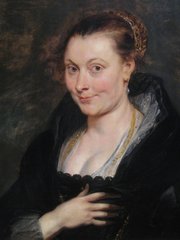
Isabella Brant
COMPANION
1591 - 1626
HPI : 60.50
Rang : 414
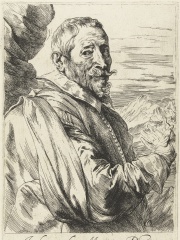
Joos de Momper
PAINTER
1564 - 1635
HPI : 60.48
Rang : 415
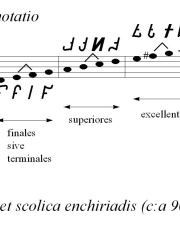
Hucbald
COMPOSER
840 - 930
HPI : 60.46
Rang : 416
Didier Reynders
POLITICIAN
1958 - présent
HPI : 60.44
Rang : 417
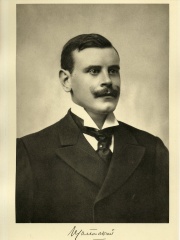
Henry Carton de Wiart
POLITICIAN
1869 - 1951
HPI : 60.42
Rang : 418
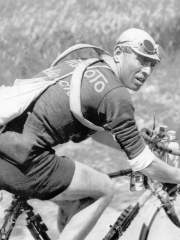
Lucien Buysse
CYCLIST
1892 - 1980
HPI : 60.42
Rang : 419
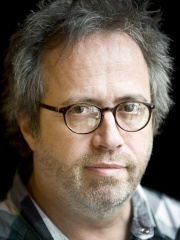
Jaco Van Dormael
FILM DIRECTOR
1957 - présent
HPI : 60.41
Rang : 420
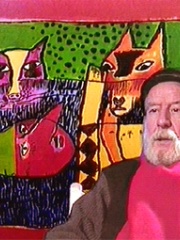
Corneille Guillaume Beverloo
PAINTER
1922 - 2010
HPI : 60.38
Rang : 421
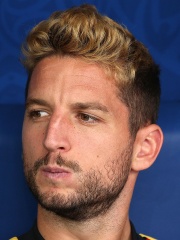
Dries Mertens
SOCCER PLAYER
1987 - présent
HPI : 60.37
Rang : 422
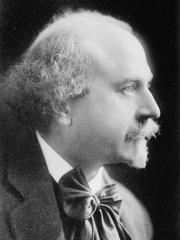
Arthur De Greef
MUSICIAN
1862 - 1940
HPI : 60.35
Rang : 423
Parmi les Politicien en Belgique
Parmi les Politicien nés en Belgique, Didier Reynders occupe le rang 96. Avant lui viennent Louis Philippe, Crown Prince of Belgium (1833), Godfrey I, Count of Namur (1068), Princess Joséphine Caroline of Belgium (1872), Paul Vanden Boeynants (1919), Léon Delacroix (1867), et Alexander De Croo (1975). Après lui viennent Henry Carton de Wiart (1869), Charles de Broqueville (1860), Princess Marie-Esméralda of Belgium (1956), Joseph Decaisne (1807), Joseph Lebeau (1794), et Théo Lefèvre (1914).
Louis Philippe, Crown Prince of Belgium
1833 - 1834
HPI : 61.57
Rang : 90

Godfrey I, Count of Namur
1068 - 1139
HPI : 61.48
Rang : 91
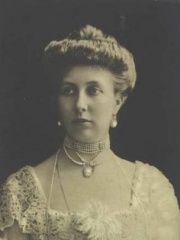
Princess Joséphine Caroline of Belgium
1872 - 1958
HPI : 61.24
Rang : 92
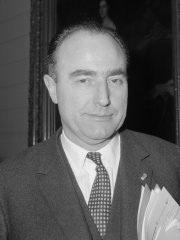
Paul Vanden Boeynants
1919 - 2001
HPI : 61.07
Rang : 93
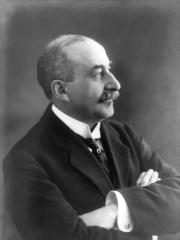
Léon Delacroix
1867 - 1929
HPI : 60.94
Rang : 94
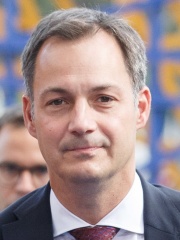
Alexander De Croo
1975 - présent
HPI : 60.77
Rang : 95
Didier Reynders
1958 - présent
HPI : 60.44
Rang : 96
Henry Carton de Wiart
1869 - 1951
HPI : 60.42
Rang : 97
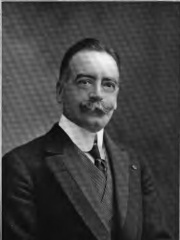
Charles de Broqueville
1860 - 1940
HPI : 60.20
Rang : 98
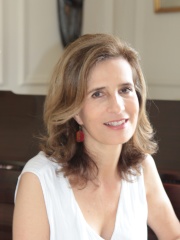
Princess Marie-Esméralda of Belgium
1956 - présent
HPI : 60.13
Rang : 99
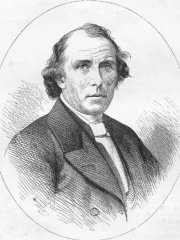
Joseph Decaisne
1807 - 1882
HPI : 60.07
Rang : 100
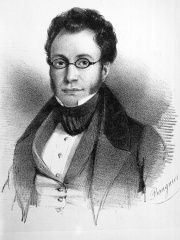
Joseph Lebeau
1794 - 1865
HPI : 59.99
Rang : 101
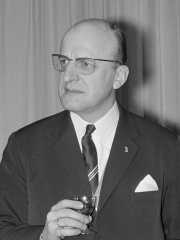
Théo Lefèvre
1914 - 1973
HPI : 59.91
Rang : 102




