Polityk
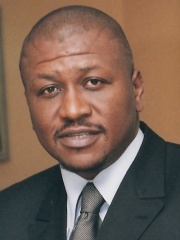
Daniel Kablan Duncan
1943 - obecnie
WYŚWIETLENIA PL.WIKIPEDIA (PV)
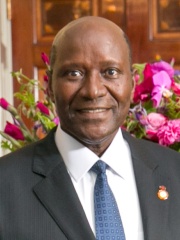
 Daniel Kablan Duncan
Jego biografia jest dostępna w 28 różnych językach w Wikipedii (wzrost z 27 w 2024 roku). Daniel Kablan Duncan jest 13402. najpopularniejszym polityk (spadek z 12510. w 2024 roku), 18. najpopularniejszą biografią Côte d’Ivoire (spadek z 16. w 2019 roku) oraz 9. najpopularniejszym polityk Côte d’Ivoire.
Wskaźniki rozpoznawalności
21k
Wyświetlenia strony
Ostatnie 12 miesięcy
57.87
HPI
Indeks historycznej popularności
Ciekawostki z danych
#18 / 181
Daniel Kablan Duncan zajmuje 18. miejsce wśród 181 postaci w Pantheonie urodzonych w kraju Côte d’Ivoire, w najlepszych 10% tej grupy.
Wyświetlenia strony Daniel Kablan Duncan według języka
Wśród przedstawicieli zawodu Polityk
Wśród przedstawicieli zawodu „Polityk” Daniel Kablan Duncan zajmuje 13,396. miejsce na 20,022. Przed nim są Robert von Mohl, Oda of Haldensleben, Guillermo León Valencia, Zdeslav of Croatia, Ken Livingstone, i Piankh. Po nim są Christian Albrecht Bluhme, John Spencer-Churchill, 7th Duke of Marlborough, Ion Gigurtu, Ansumane Mané, Princess Charlotte Sophie of Saxe-Coburg-Saalfeld, i Rodrigo Rato.
Najpopularniejsi w Wikipedii: Polityk
Zobacz wszystkie rankingi
Robert von Mohl
1799 - 1875
HPI: 57.88
Miejsce: 13,396

Oda of Haldensleben
901 - 1023
HPI: 57.88
Miejsce: 13,397
Guillermo León Valencia
1909 - 1971
HPI: 57.88
Miejsce: 13,398

Zdeslav of Croatia
900 - 879
HPI: 57.87
Miejsce: 13,399
Ken Livingstone
1945 - obecnie
HPI: 57.87
Miejsce: 13,400
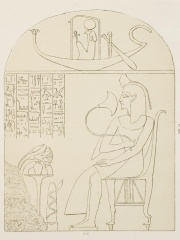
Piankh
1200 BC - 1070 BC
HPI: 57.87
Miejsce: 13,401
Daniel Kablan Duncan
1943 - obecnie
HPI: 57.87
Miejsce: 13,402
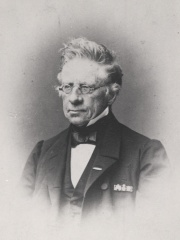
Christian Albrecht Bluhme
1794 - 1866
HPI: 57.87
Miejsce: 13,403
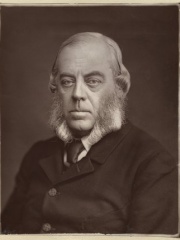
John Spencer-Churchill, 7th Duke of Marlborough
1822 - 1883
HPI: 57.87
Miejsce: 13,404
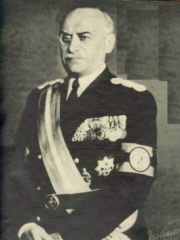
Ion Gigurtu
1886 - 1959
HPI: 57.87
Miejsce: 13,405

Ansumane Mané
1940 - 2000
HPI: 57.87
Miejsce: 13,406
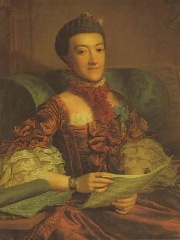
Princess Charlotte Sophie of Saxe-Coburg-Saalfeld
1731 - 1810
HPI: 57.87
Miejsce: 13,407
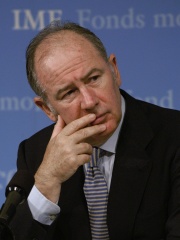
Rodrigo Rato
1949 - obecnie
HPI: 57.87
Miejsce: 13,408

Współcześni
Wśród osób urodzonych w 1943 roku Daniel Kablan Duncan zajmuje 388. miejsce. Przed nim są Johnny Hansen, Arturo Ripstein, Mick Jackson, Sanmao, Oliver North, i Hélène Vincent. Po nim są Donald Sumpter, John Draper, Perry Christie, Robert Crumb, Anthony R. Hunter, i Peter Straub.
Inne osoby urodzone w 1943 roku
Zobacz wszystkie rankingi
Johnny Hansen
SOCCER PLAYER
1943 - obecnie
HPI: 57.94
Miejsce: 382
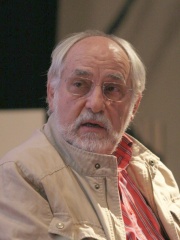
Arturo Ripstein
FILM DIRECTOR
1943 - obecnie
HPI: 57.92
Miejsce: 383
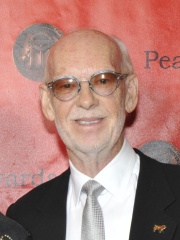
Mick Jackson
FILM DIRECTOR
1943 - obecnie
HPI: 57.91
Miejsce: 384
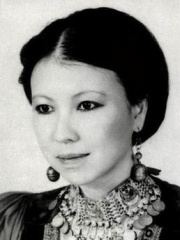
Sanmao
WRITER
1943 - 1991
HPI: 57.90
Miejsce: 385
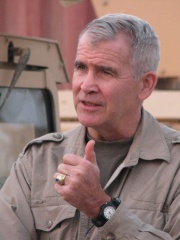
Oliver North
POLITICIAN
1943 - obecnie
HPI: 57.90
Miejsce: 386
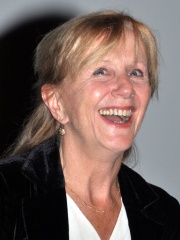
Hélène Vincent
ACTOR
1943 - obecnie
HPI: 57.89
Miejsce: 387
Daniel Kablan Duncan
POLITICIAN
1943 - obecnie
HPI: 57.87
Miejsce: 388
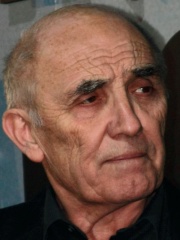
Donald Sumpter
ACTOR
1943 - obecnie
HPI: 57.73
Miejsce: 389
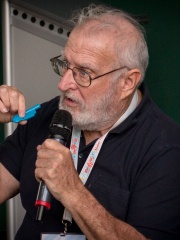
John Draper
COMPUTER SCIENTIST
1943 - obecnie
HPI: 57.73
Miejsce: 390
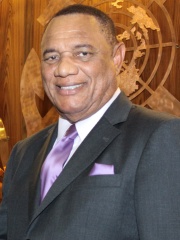
Perry Christie
POLITICIAN
1943 - obecnie
HPI: 57.68
Miejsce: 391
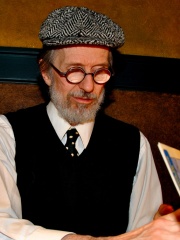
Robert Crumb
COMIC ARTIST
1943 - obecnie
HPI: 57.68
Miejsce: 392
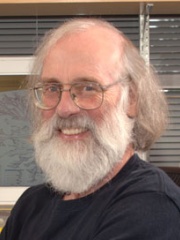
Anthony R. Hunter
BIOLOGIST
1943 - obecnie
HPI: 57.68
Miejsce: 393
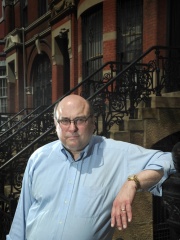
Peter Straub
WRITER
1943 - 2022
HPI: 57.66
Miejsce: 394
W kraju Côte d’Ivoire
Wśród osób urodzonych w kraju Côte d’Ivoire Daniel Kablan Duncan zajmuje 18. miejsce na 181. Przed nim są Bernard Agré (1926), Ahmadou Kourouma (1927), Charles Konan Banny (1942), Kolo Touré (1981), Basile Boli (1967), i Amad Diallo (2002). Po nim są Tiken Jah Fakoly (1968), Gervinho (1987), Isaach de Bankolé (1957), Ignace Bessi Dogbo (1961), Salomon Kalou (1985), i Seydou Doumbia (1987).
Inne osoby urodzone w kraju Côte d’Ivoire
Zobacz wszystkie rankingi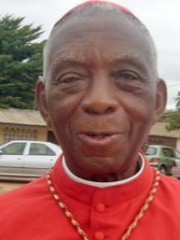
Bernard Agré
RELIGIOUS FIGURE
1926 - 2014
HPI: 60.18
Miejsce: 12
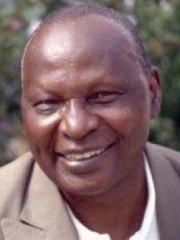
Ahmadou Kourouma
WRITER
1927 - 2003
HPI: 59.27
Miejsce: 13
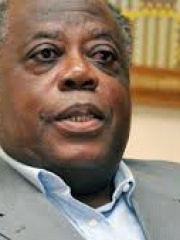
Charles Konan Banny
POLITICIAN
1942 - 2021
HPI: 58.39
Miejsce: 14
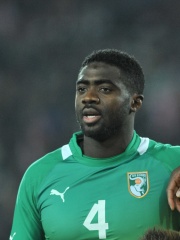
Kolo Touré
SOCCER PLAYER
1981 - obecnie
HPI: 58.37
Miejsce: 15
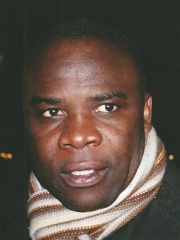
Basile Boli
SOCCER PLAYER
1967 - obecnie
HPI: 58.06
Miejsce: 16
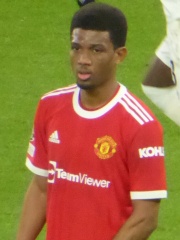
Amad Diallo
SOCCER PLAYER
2002 - obecnie
HPI: 57.91
Miejsce: 17
Daniel Kablan Duncan
POLITICIAN
1943 - obecnie
HPI: 57.87
Miejsce: 18
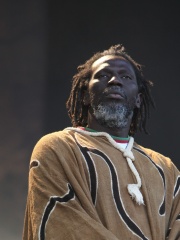
Tiken Jah Fakoly
SINGER
1968 - obecnie
HPI: 57.80
Miejsce: 19
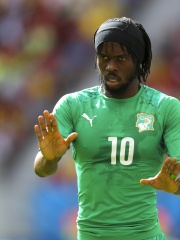
Gervinho
SOCCER PLAYER
1987 - obecnie
HPI: 57.54
Miejsce: 20
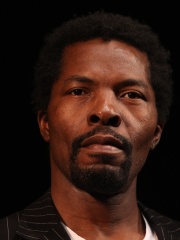
Isaach de Bankolé
ACTOR
1957 - obecnie
HPI: 57.08
Miejsce: 21

Ignace Bessi Dogbo
RELIGIOUS FIGURE
1961 - obecnie
HPI: 56.92
Miejsce: 22
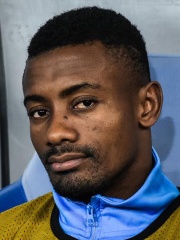
Salomon Kalou
SOCCER PLAYER
1985 - obecnie
HPI: 56.91
Miejsce: 23
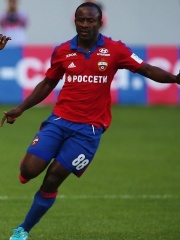
Seydou Doumbia
SOCCER PLAYER
1987 - obecnie
HPI: 55.54
Miejsce: 24
Wśród przedstawicieli zawodu Polityk w kraju Côte d’Ivoire
Wśród przedstawicieli zawodu „Polityk” urodzonych w kraju Côte d’Ivoire Daniel Kablan Duncan zajmuje 9. miejsce. Przed nim są Laurent Gbagbo (1945), Henri Konan Bédié (1934), Sangoulé Lamizana (1916), Robert Guéï (1941), Robert Beugré Mambé (1952), i Charles Konan Banny (1942). Po nim są Bernard Binlin Dadié (1916), Seydou Diarra (1933), Amadou Gon Coulibaly (1959), Jeannot Ahoussou-Kouadio (1951), Guillaume Soro (1972), i Hamed Bakayoko (1965).
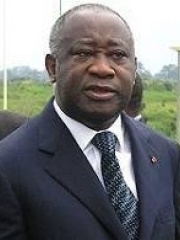
Laurent Gbagbo
1945 - obecnie
HPI: 69.04
Miejsce: 3
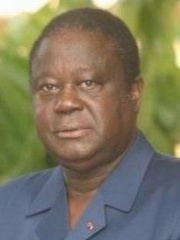
Henri Konan Bédié
1934 - 2023
HPI: 62.36
Miejsce: 4
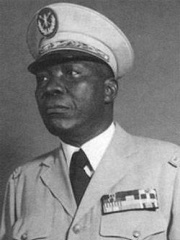
Sangoulé Lamizana
1916 - 2005
HPI: 61.92
Miejsce: 5
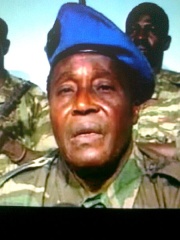
Robert Guéï
1941 - 2002
HPI: 60.62
Miejsce: 6
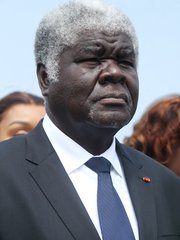
Robert Beugré Mambé
1952 - obecnie
HPI: 60.42
Miejsce: 7
Charles Konan Banny
1942 - 2021
HPI: 58.39
Miejsce: 8
Daniel Kablan Duncan
1943 - obecnie
HPI: 57.87
Miejsce: 9
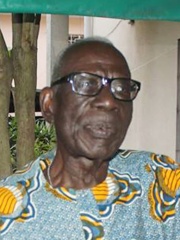
Bernard Binlin Dadié
1916 - 2019
HPI: 55.45
Miejsce: 10

Seydou Diarra
1933 - 2020
HPI: 53.26
Miejsce: 11
Amadou Gon Coulibaly
1959 - 2020
HPI: 52.14
Miejsce: 12

Jeannot Ahoussou-Kouadio
1951 - obecnie
HPI: 51.10
Miejsce: 13
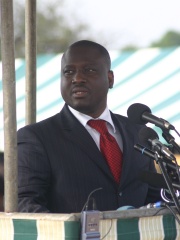
Guillaume Soro
1972 - obecnie
HPI: 49.11
Miejsce: 14
Hamed Bakayoko
1965 - 2021
HPI: 49.05
Miejsce: 15




