数学家
Beppo Levi
1875 - 1961
 Beppo Levi
知名度指标
10k
页面浏览量
过去12个月
58.20
HPI
历史知名度指数
Beppo Levi的各语言页面浏览量
在数学家中
在数学家中,Beppo Levi排名第643位(共1,004人)。 排在他之前的有:Polyaenus of Lampsacus, François d'Aguilon, Cahit Arf, Luigi Bianchi, Ludwig Bieberbach, 和John Playfair. 排在他之后的有:Heinz Hopf, Federico Commandino, Lev Schnirelmann, Edward Routh, Harold Scott MacDonald Coxeter, 和Tommaso Ceva.
维基百科上最受欢迎的数学家
查看全部排名

Polyaenus of Lampsacus
340 BC - 278 BC
HPI: 58.28
排名: 637

François d'Aguilon
1567 - 1617
HPI: 58.27
排名: 638
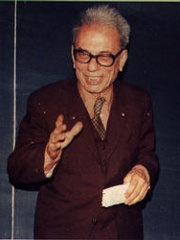
Cahit Arf
1910 - 1997
HPI: 58.27
排名: 639
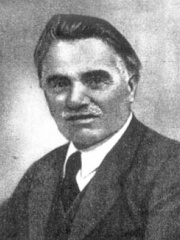
Luigi Bianchi
1856 - 1928
HPI: 58.26
排名: 640
Ludwig Bieberbach
1886 - 1982
HPI: 58.23
排名: 641
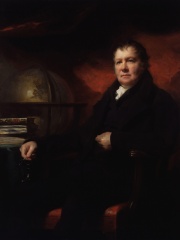
John Playfair
1748 - 1819
HPI: 58.21
排名: 642
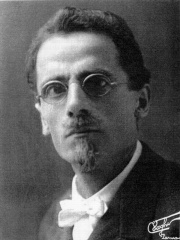
Beppo Levi
1875 - 1961
HPI: 58.20
排名: 643
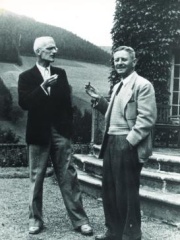
Heinz Hopf
1894 - 1971
HPI: 58.19
排名: 644
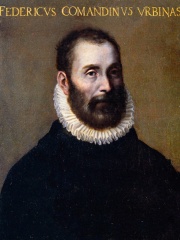
Federico Commandino
1509 - 1575
HPI: 58.17
排名: 645
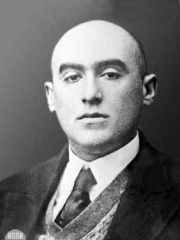
Lev Schnirelmann
1905 - 1938
HPI: 58.16
排名: 646
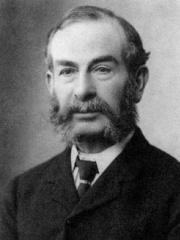
Edward Routh
1831 - 1907
HPI: 58.14
排名: 647
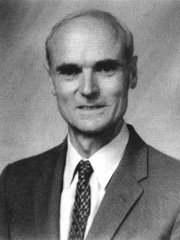
Harold Scott MacDonald Coxeter
1907 - 2003
HPI: 58.08
排名: 648
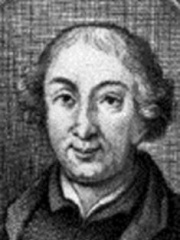
Tommaso Ceva
1648 - 1737
HPI: 58.08
排名: 649

同时代人物
在1875年出生的人中,Beppo Levi排名第125位。 排在他之前的有:Mammad Hasan Hajinski, Alexander Goldenweiser, Fritz Manteuffel, Uemura Shōen, László Berti, 和Alfred P. Sloan. 排在他之后的有:Archibald Reiss, Juho Sunila, Herman Georges Berger, Charles D. B. King, Ramiro de Maeztu, 和Leopold Andrian. 在1961年去世的人中,Beppo Levi排名第111位。 排在他之前的有:Ralf Törngren, Boris Vilkitsky, William Astbury, Jean de Bie, Ida Siekmann, 和Leonhard Frank. 排在他之后的有:Marion Davies, Charles D. B. King, Barry Fitzgerald, Platt Adams, Belinda Lee, 和Nadezhda Udaltsova.
其他1875年出生的人
查看全部排名
Mammad Hasan Hajinski
ARCHITECT
1875 - 1931
HPI: 58.84
排名: 119
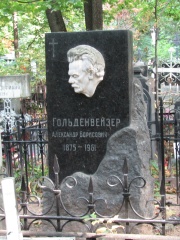
Alexander Goldenweiser
COMPOSER
1875 - 1961
HPI: 58.77
排名: 120

Fritz Manteuffel
POLITICIAN
1875 - 1941
HPI: 58.65
排名: 121
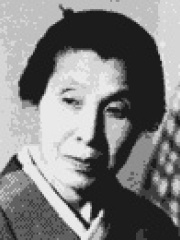
Uemura Shōen
PAINTER
1875 - 1949
HPI: 58.64
排名: 122
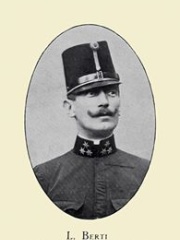
László Berti
ATHLETE
1875 - 1952
HPI: 58.62
排名: 123
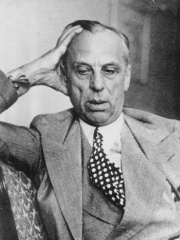
Alfred P. Sloan
BUSINESSPERSON
1875 - 1966
HPI: 58.33
排名: 124
Beppo Levi
MATHEMATICIAN
1875 - 1961
HPI: 58.20
排名: 125
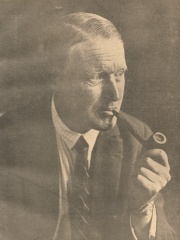
Archibald Reiss
BIOLOGIST
1875 - 1929
HPI: 58.17
排名: 126
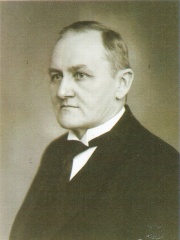
Juho Sunila
POLITICIAN
1875 - 1936
HPI: 58.17
排名: 127
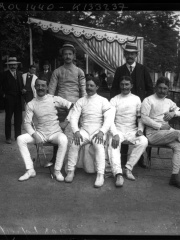
Herman Georges Berger
FENCER
1875 - 1924
HPI: 58.12
排名: 128
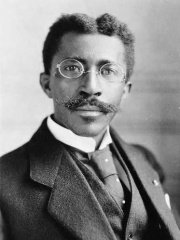
Charles D. B. King
POLITICIAN
1875 - 1961
HPI: 58.12
排名: 129
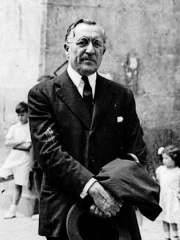
Ramiro de Maeztu
WRITER
1875 - 1936
HPI: 58.10
排名: 130
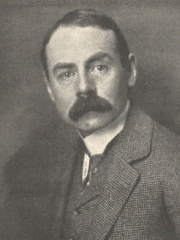
Leopold Andrian
WRITER
1875 - 1951
HPI: 58.09
排名: 131
其他1961年去世的人
查看全部排名
Ralf Törngren
POLITICIAN
1899 - 1961
HPI: 58.68
排名: 105
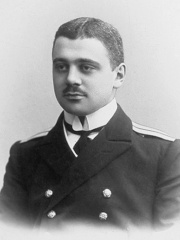
Boris Vilkitsky
EXPLORER
1885 - 1961
HPI: 58.64
排名: 106
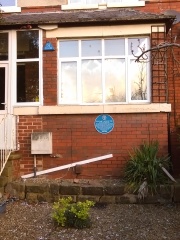
William Astbury
PHYSICIST
1898 - 1961
HPI: 58.64
排名: 107
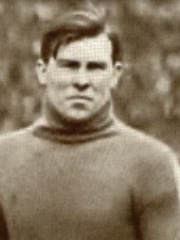
Jean de Bie
SOCCER PLAYER
1892 - 1961
HPI: 58.53
排名: 108
Ida Siekmann
RELIGIOUS FIGURE
1902 - 1961
HPI: 58.32
排名: 109
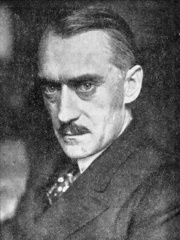
Leonhard Frank
WRITER
1882 - 1961
HPI: 58.29
排名: 110
Beppo Levi
MATHEMATICIAN
1875 - 1961
HPI: 58.20
排名: 111
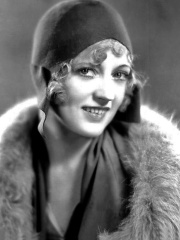
Marion Davies
ACTOR
1897 - 1961
HPI: 58.18
排名: 112
Charles D. B. King
POLITICIAN
1875 - 1961
HPI: 58.12
排名: 113
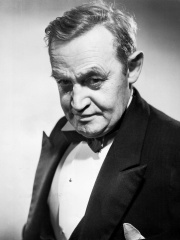
Barry Fitzgerald
ACTOR
1888 - 1961
HPI: 58.11
排名: 114
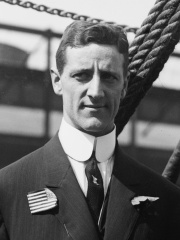
Platt Adams
ATHLETE
1885 - 1961
HPI: 58.09
排名: 115
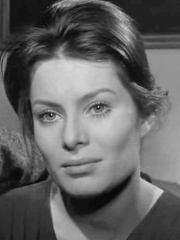
Belinda Lee
ACTOR
1935 - 1961
HPI: 58.08
排名: 116
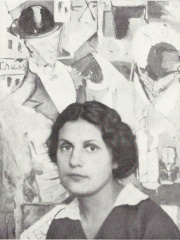
Nadezhda Udaltsova
PAINTER
1885 - 1961
HPI: 58.07
排名: 117
在意大利
在出生于意大利的人中,Beppo Levi排名第3,219位(共NaN人)。 排在他之前的有:Pino Cerami (1922), Francesco Colasuonno (1925), Appius Claudius Pulcher (-150), Titus Calpurnius Siculus (290), Antonio Venier (1330), 和Piercarlo Ghinzani (1952). 排在他之后的有:Luigi Di Biagio (1971), Ernesto Brambilla (1934), Girolamo de Rada (1814), Luigi Carpaneda (1925), Carlo Ceresoli (1910), 和Federico Commandino (1509).
Pino Cerami
CYCLIST
1922 - 2014
HPI: 58.23
排名: 3,213
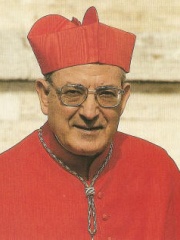
Francesco Colasuonno
RELIGIOUS FIGURE
1925 - 2003
HPI: 58.22
排名: 3,214

Appius Claudius Pulcher
POLITICIAN
150 BC - 133 BC
HPI: 58.22
排名: 3,215

Titus Calpurnius Siculus
WRITER
290 - 至今
HPI: 58.21
排名: 3,216
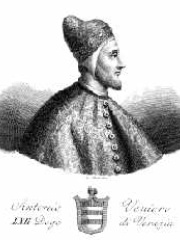
Antonio Venier
POLITICIAN
1330 - 1400
HPI: 58.20
排名: 3,217
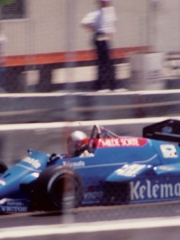
Piercarlo Ghinzani
RACING DRIVER
1952 - 至今
HPI: 58.20
排名: 3,218
Beppo Levi
MATHEMATICIAN
1875 - 1961
HPI: 58.20
排名: 3,219
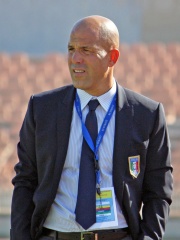
Luigi Di Biagio
SOCCER PLAYER
1971 - 至今
HPI: 58.19
排名: 3,220
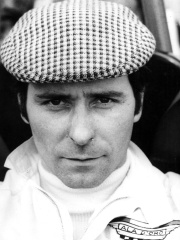
Ernesto Brambilla
RACING DRIVER
1934 - 2020
HPI: 58.19
排名: 3,221
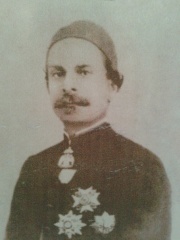
Girolamo de Rada
WRITER
1814 - 1903
HPI: 58.18
排名: 3,222
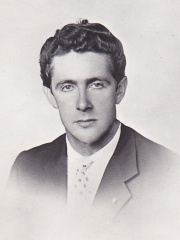
Luigi Carpaneda
ATHLETE
1925 - 2011
HPI: 58.18
排名: 3,223
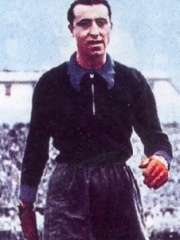
Carlo Ceresoli
SOCCER PLAYER
1910 - 1995
HPI: 58.18
排名: 3,224
Federico Commandino
MATHEMATICIAN
1509 - 1575
HPI: 58.17
排名: 3,225
在意大利的数学家中
在出生于意大利的数学家中,Beppo Levi排名第50位。 排在他之前的有:Gino Fano (1871), Ulisse Dini (1845), Plato Tiburtinus (1110), Giacomo F. Maraldi (1665), Francesco Faà di Bruno (1825), 和Luigi Bianchi (1856). 排在他之后的有:Federico Commandino (1509), Tommaso Ceva (1648), Alessandro Galilei (1691), Cesare Arzelà (1847), Federigo Enriques (1871), 和Giuseppe Veronese (1854).
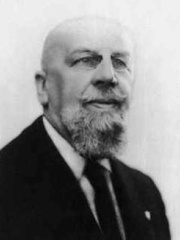
Gino Fano
1871 - 1952
HPI: 59.28
排名: 44
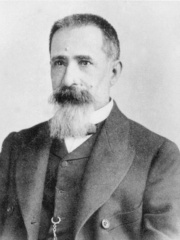
Ulisse Dini
1845 - 1918
HPI: 59.16
排名: 45

Plato Tiburtinus
1110 - 1145
HPI: 59.14
排名: 46

Giacomo F. Maraldi
1665 - 1729
HPI: 58.95
排名: 47
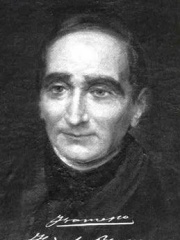
Francesco Faà di Bruno
1825 - 1888
HPI: 58.52
排名: 48
Luigi Bianchi
1856 - 1928
HPI: 58.26
排名: 49
Beppo Levi
1875 - 1961
HPI: 58.20
排名: 50
Federico Commandino
1509 - 1575
HPI: 58.17
排名: 51
Tommaso Ceva
1648 - 1737
HPI: 58.08
排名: 52
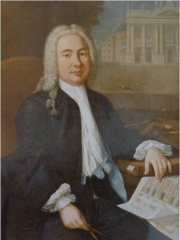
Alessandro Galilei
1691 - 1737
HPI: 58.04
排名: 53
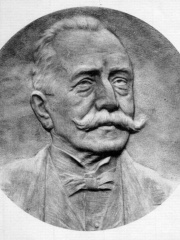
Cesare Arzelà
1847 - 1912
HPI: 57.85
排名: 54
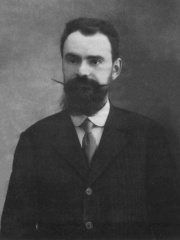
Federigo Enriques
1871 - 1946
HPI: 57.10
排名: 55
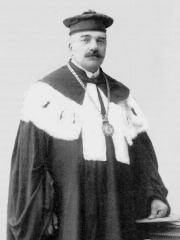
Giuseppe Veronese
1854 - 1917
HPI: 56.28
排名: 56




