Politiker
Attilio Fontana
1952 - heute
DE.WIKIPEDIA-SEITENAUFRUFE (PV)
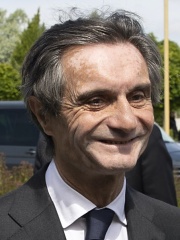

 Attilio Fontana
Seine Biografie ist in 15 verschiedenen Sprachen auf Wikipedia verfügbar. Attilio Fontana ist der 16,503rd beliebteste Politiker (gesunken vom 15,947th im Jahr 2024), die 4,099th beliebteste Biografie aus Italien (gesunken vom 3,974th im Jahr 2019) und der 895th beliebteste aus Italien Politiker.
Bekanntheitsmetriken
55k
Seitenaufrufe
Letzte 12 Monate
53.26
HPI
Historischer Popularitätsindex
Daten-Einblicke
15
Die Biografie von Attilio Fontana umfasst 15 Sprachversionen der Wikipedia und erreicht einen Historischen Popularitätsindex von 53.26.
Seitenaufrufe von Attilio Fontana nach Sprache
Unter Politiker
Unter Politiker belegt Attilio Fontana Rang 16,496 von 20,022. Vor ihm stehen Henri Emmanuelli, Taavi Rõivas, Limor Livnat, Matt Hancock, Bismillah Khan Mohammadi, und Seydou Diarra. Nach ihm folgen Patricia Espinosa, Albertas Šimėnas, Dragan Đilas, Ella Pamfilova, Adrien Houngbédji, und Christian Poncelet.
Die beliebtesten Politiker auf Wikipedia
Zu allen Ranglisten
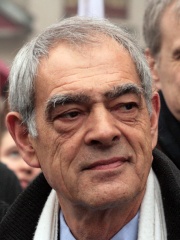
Henri Emmanuelli
1945 - 2017
HPI: 53.27
Rang: 16,497

Taavi Rõivas
1979 - heute
HPI: 53.27
Rang: 16,498

Limor Livnat
1950 - heute
HPI: 53.27
Rang: 16,499

Matt Hancock
1978 - heute
HPI: 53.27
Rang: 16,500
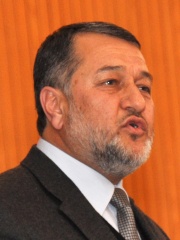
Bismillah Khan Mohammadi
1961 - heute
HPI: 53.26
Rang: 16,501

Seydou Diarra
1933 - 2020
HPI: 53.26
Rang: 16,502
Attilio Fontana
1952 - heute
HPI: 53.26
Rang: 16,503
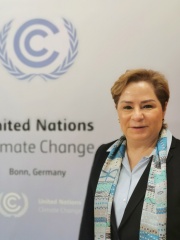
Patricia Espinosa
1958 - heute
HPI: 53.26
Rang: 16,504

Albertas Šimėnas
1950 - heute
HPI: 53.26
Rang: 16,505
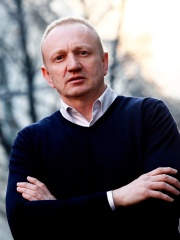
Dragan Đilas
1967 - heute
HPI: 53.26
Rang: 16,506
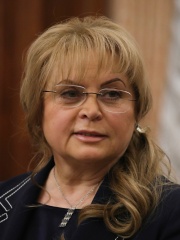
Ella Pamfilova
1953 - heute
HPI: 53.26
Rang: 16,507
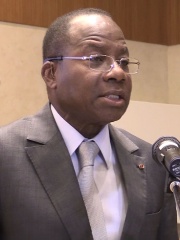
Adrien Houngbédji
1942 - heute
HPI: 53.26
Rang: 16,508
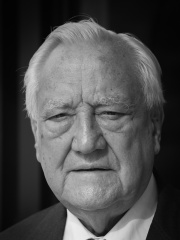
Christian Poncelet
1928 - 2020
HPI: 53.26
Rang: 16,509

Zeitgenossen
Unter den im Jahr 1952 Geborenen belegt Attilio Fontana Rang 530. Vor ihm stehen Tim Powers, Vladimir Nevzorov, Dahir Riyale Kahin, Jerzy Szmajdziński, Jens Jørn Bertelsen, und Kim Kashkashian. Nach ihm folgen Jacek Yerka, Justin Yifu Lin, Franklin Graham, Youssouf Saleh Abbas, Joe Borg, und Seiji Ueda.
Weitere im Jahr 1952 Geborene
Zu allen Ranglisten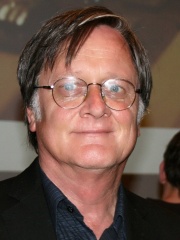
Tim Powers
WRITER
1952 - heute
HPI: 53.45
Rang: 524

Vladimir Nevzorov
ATHLETE
1952 - heute
HPI: 53.41
Rang: 525
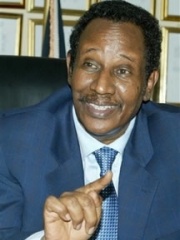
Dahir Riyale Kahin
POLITICIAN
1952 - heute
HPI: 53.39
Rang: 526

Jerzy Szmajdziński
POLITICIAN
1952 - 2010
HPI: 53.38
Rang: 527

Jens Jørn Bertelsen
SOCCER PLAYER
1952 - heute
HPI: 53.32
Rang: 528
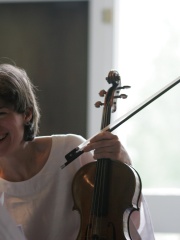
Kim Kashkashian
MUSICIAN
1952 - heute
HPI: 53.27
Rang: 529
Attilio Fontana
POLITICIAN
1952 - heute
HPI: 53.26
Rang: 530

Jacek Yerka
PAINTER
1952 - heute
HPI: 53.26
Rang: 531

Justin Yifu Lin
ECONOMIST
1952 - heute
HPI: 53.26
Rang: 532
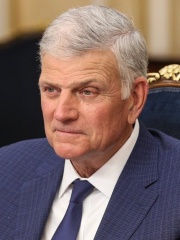
Franklin Graham
RELIGIOUS FIGURE
1952 - heute
HPI: 53.25
Rang: 533

Youssouf Saleh Abbas
POLITICIAN
1952 - heute
HPI: 53.24
Rang: 534
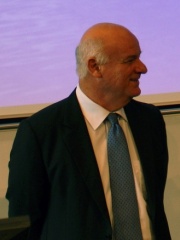
Joe Borg
POLITICIAN
1952 - heute
HPI: 53.23
Rang: 535

Seiji Ueda
ASTRONOMER
1952 - heute
HPI: 53.22
Rang: 536
In Italien
Unter den in Italien Geborenen belegt Attilio Fontana Rang 4,099 von 5,905. Vor ihm stehen Moreno Torricelli (1970), Francesco Damiani (1958), Leopoldo Conti (1901), Gundi Busch (1935), Alessandro Haber (1947), und Gino Bramieri (1928). Nach ihm folgen Matteo Garrone (1968), Goffredo Parise (1929), Romano Bonagura (1930), Antonio Maspes (1932), Saul Malatrasi (1938), und Roberto Fiore (1959).
Weitere in Italien geborene Personen
Zu allen Ranglisten
Moreno Torricelli
SOCCER PLAYER
1970 - heute
HPI: 53.34
Rang: 4,093

Francesco Damiani
BOXER
1958 - heute
HPI: 53.34
Rang: 4,094

Leopoldo Conti
SOCCER PLAYER
1901 - 1970
HPI: 53.32
Rang: 4,095

Gundi Busch
SKATER
1935 - 2014
HPI: 53.32
Rang: 4,096
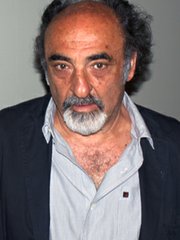
Alessandro Haber
ACTOR
1947 - heute
HPI: 53.30
Rang: 4,097
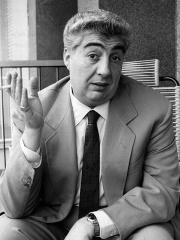
Gino Bramieri
ACTOR
1928 - 1996
HPI: 53.29
Rang: 4,098
Attilio Fontana
POLITICIAN
1952 - heute
HPI: 53.26
Rang: 4,099
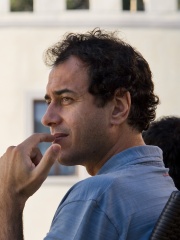
Matteo Garrone
FILM DIRECTOR
1968 - heute
HPI: 53.25
Rang: 4,100

Goffredo Parise
WRITER
1929 - 1986
HPI: 53.24
Rang: 4,101

Romano Bonagura
ATHLETE
1930 - 2010
HPI: 53.23
Rang: 4,102
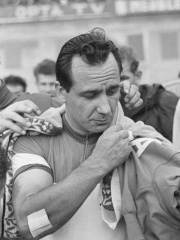
Antonio Maspes
CYCLIST
1932 - 2000
HPI: 53.22
Rang: 4,103
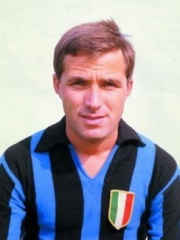
Saul Malatrasi
SOCCER PLAYER
1938 - heute
HPI: 53.21
Rang: 4,104
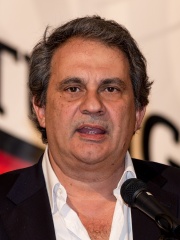
Roberto Fiore
POLITICIAN
1959 - heute
HPI: 53.19
Rang: 4,105
Unter Politiker in Italien
Unter den in Italien geborenen Politiker belegt Attilio Fontana Rang 895. Vor ihm stehen Sicard of Benevento (null), Gaetano Martino (1900), Francesco Lollobrigida (1972), Roberto Maroni (1955), Leonida Bissolati (1857), und Virginia Raggi (1978). Nach ihm folgen Roberto Fiore (1959), Prince Aimone, Duke of Apulia (1967), Stefano Rodotà (1933), Pier Ferdinando Casini (1955), Camilla Ravera (1889), und Antonio Giolitti (1915).
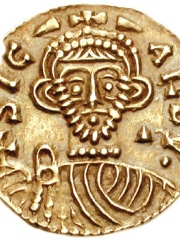
Sicard of Benevento
HPI: 53.58
Rang: 889
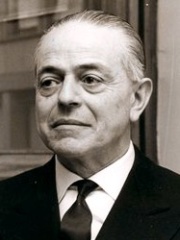
Gaetano Martino
1900 - 1967
HPI: 53.55
Rang: 890
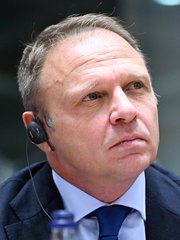
Francesco Lollobrigida
1972 - heute
HPI: 53.52
Rang: 891
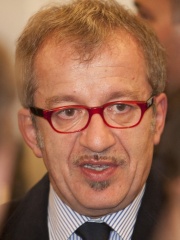
Roberto Maroni
1955 - 2022
HPI: 53.44
Rang: 892
Leonida Bissolati
1857 - 1920
HPI: 53.39
Rang: 893
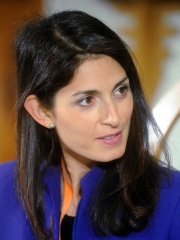
Virginia Raggi
1978 - heute
HPI: 53.35
Rang: 894
Attilio Fontana
1952 - heute
HPI: 53.26
Rang: 895
Roberto Fiore
1959 - heute
HPI: 53.19
Rang: 896
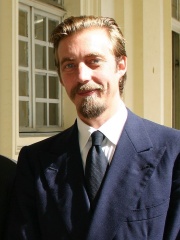
Prince Aimone, Duke of Apulia
1967 - heute
HPI: 53.00
Rang: 897
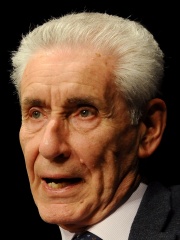
Stefano Rodotà
1933 - 2017
HPI: 52.53
Rang: 898
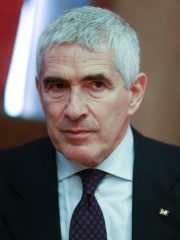
Pier Ferdinando Casini
1955 - heute
HPI: 52.37
Rang: 899
Camilla Ravera
1889 - 1988
HPI: 52.11
Rang: 900
Antonio Giolitti
1915 - 2010
HPI: 52.07
Rang: 901




