Politiker
Attilio Fontana
1952 - heute
DE.WIKIPEDIA PAGE VIEWS (PV)
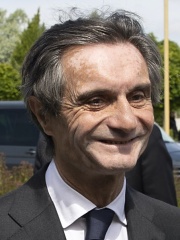

 Attilio Fontana
Seine Biografie ist in 15 verschiedenen Sprachen auf Wikipedia verfügbar. Attilio Fontana ist der 16,479th beliebteste Politiker (gesunken vom 15,954th im Jahr 2024), die 4,062nd beliebteste Biografie aus Italien (gesunken vom 3,974th im Jahr 2019) und der 888th beliebteste aus Italien Politiker.
Memorability Metrics
55k
Page Views
Past 12 months
53.26
HPI
Historical Popularity Index
Page views of Attilio Fontana by language
Among Politikers
Among politikers, Attilio Fontana ranks 16,472 out of 19,576. Before him are Henri Emmanuelli, Taavi Rõivas, Limor Livnat, Matt Hancock, Bismillah Khan Mohammadi, and Seydou Diarra. After him are Patricia Espinosa, Albertas Šimėnas, Dragan Đilas, Ella Pamfilova, Adrien Houngbédji, and Christian Poncelet.
Most Popular Politikers in Wikipedia
Go to all Rankings
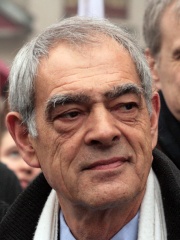
Henri Emmanuelli
1945 - 2017
HPI: 53.27
Rank: 16,473

Taavi Rõivas
1979 - Present
HPI: 53.27
Rank: 16,474

Limor Livnat
1950 - Present
HPI: 53.27
Rank: 16,475

Matt Hancock
1978 - Present
HPI: 53.27
Rank: 16,476
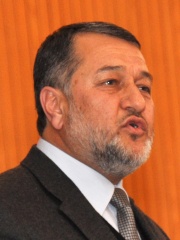
Bismillah Khan Mohammadi
1961 - Present
HPI: 53.26
Rank: 16,477

Seydou Diarra
1933 - 2020
HPI: 53.26
Rank: 16,478
Attilio Fontana
1952 - Present
HPI: 53.26
Rank: 16,479
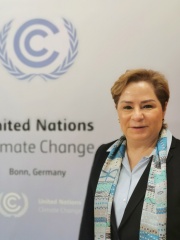
Patricia Espinosa
1958 - Present
HPI: 53.26
Rank: 16,480

Albertas Šimėnas
1950 - Present
HPI: 53.26
Rank: 16,481
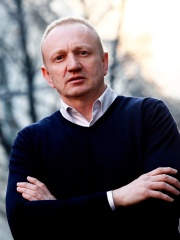
Dragan Đilas
1967 - Present
HPI: 53.26
Rank: 16,482
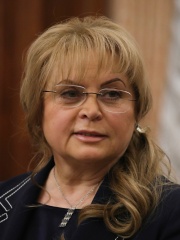
Ella Pamfilova
1953 - Present
HPI: 53.26
Rank: 16,483
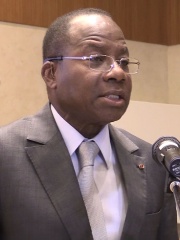
Adrien Houngbédji
1942 - Present
HPI: 53.26
Rank: 16,484
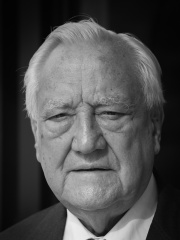
Christian Poncelet
1928 - 2020
HPI: 53.26
Rank: 16,485

Contemporaries
Among people born in 1952, Attilio Fontana ranks 525. Before him are Tim Powers, Vladimir Nevzorov, Dahir Riyale Kahin, Jerzy Szmajdziński, Jens Jørn Bertelsen, and Kim Kashkashian. After him are Jacek Yerka, Justin Yifu Lin, Franklin Graham, Youssouf Saleh Abbas, Joe Borg, and Seiji Ueda.
Others Born in 1952
Go to all Rankings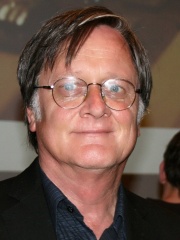
Tim Powers
WRITER
1952 - Present
HPI: 53.45
Rank: 519

Vladimir Nevzorov
ATHLETE
1952 - Present
HPI: 53.41
Rank: 520
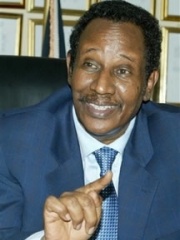
Dahir Riyale Kahin
POLITICIAN
1952 - Present
HPI: 53.39
Rank: 521

Jerzy Szmajdziński
POLITICIAN
1952 - 2010
HPI: 53.38
Rank: 522

Jens Jørn Bertelsen
SOCCER PLAYER
1952 - Present
HPI: 53.32
Rank: 523
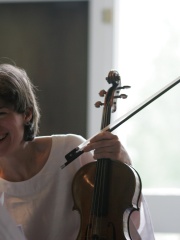
Kim Kashkashian
MUSICIAN
1952 - Present
HPI: 53.27
Rank: 524
Attilio Fontana
POLITICIAN
1952 - Present
HPI: 53.26
Rank: 525

Jacek Yerka
PAINTER
1952 - Present
HPI: 53.26
Rank: 526

Justin Yifu Lin
ECONOMIST
1952 - Present
HPI: 53.26
Rank: 527
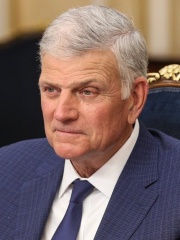
Franklin Graham
RELIGIOUS FIGURE
1952 - Present
HPI: 53.25
Rank: 528

Youssouf Saleh Abbas
POLITICIAN
1952 - Present
HPI: 53.24
Rank: 529
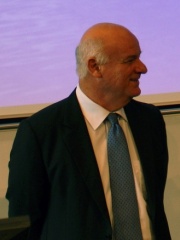
Joe Borg
POLITICIAN
1952 - Present
HPI: 53.23
Rank: 530

Seiji Ueda
ASTRONOMER
1952 - Present
HPI: 53.22
Rank: 531
In Italien
Among people born in Italien, Attilio Fontana ranks 4,062 out of NaN. Before him are Moreno Torricelli (1970), Francesco Damiani (1958), Leopoldo Conti (1901), Gundi Busch (1935), Alessandro Haber (1947), and Gino Bramieri (1928). After him are Matteo Garrone (1968), Goffredo Parise (1929), Romano Bonagura (1930), Antonio Maspes (1932), Saul Malatrasi (1938), and Roberto Fiore (1959).
Others born in Italien
Go to all Rankings
Moreno Torricelli
SOCCER PLAYER
1970 - Present
HPI: 53.34
Rank: 4,056

Francesco Damiani
BOXER
1958 - Present
HPI: 53.34
Rank: 4,057

Leopoldo Conti
SOCCER PLAYER
1901 - 1970
HPI: 53.32
Rank: 4,058

Gundi Busch
SKATER
1935 - 2014
HPI: 53.32
Rank: 4,059
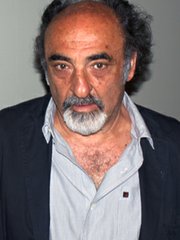
Alessandro Haber
ACTOR
1947 - Present
HPI: 53.30
Rank: 4,060
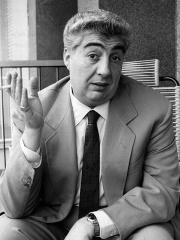
Gino Bramieri
ACTOR
1928 - 1996
HPI: 53.29
Rank: 4,061
Attilio Fontana
POLITICIAN
1952 - Present
HPI: 53.26
Rank: 4,062
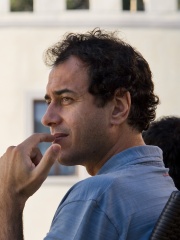
Matteo Garrone
FILM DIRECTOR
1968 - Present
HPI: 53.25
Rank: 4,063

Goffredo Parise
WRITER
1929 - 1986
HPI: 53.24
Rank: 4,064

Romano Bonagura
ATHLETE
1930 - 2010
HPI: 53.23
Rank: 4,065
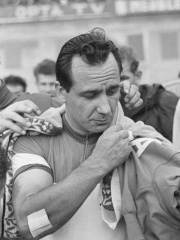
Antonio Maspes
CYCLIST
1932 - 2000
HPI: 53.22
Rank: 4,066
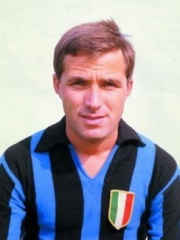
Saul Malatrasi
SOCCER PLAYER
1938 - Present
HPI: 53.21
Rank: 4,067
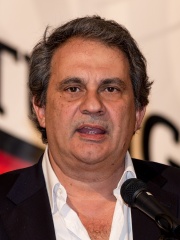
Roberto Fiore
POLITICIAN
1959 - Present
HPI: 53.19
Rank: 4,068
Among Politikers In Italien
Among politikers born in Italien, Attilio Fontana ranks 888. Before him are Sicard of Benevento (null), Gaetano Martino (1900), Francesco Lollobrigida (1972), Roberto Maroni (1955), Leonida Bissolati (1857), and Virginia Raggi (1978). After him are Roberto Fiore (1959), Prince Aimone, Duke of Apulia (1967), Stefano Rodotà (1933), Pier Ferdinando Casini (1955), Antonio Giolitti (1915), and Gianni Alemanno (1958).
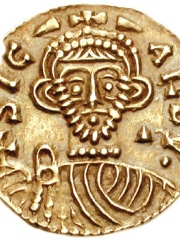
Sicard of Benevento
HPI: 53.58
Rank: 882
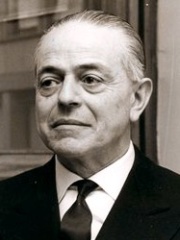
Gaetano Martino
1900 - 1967
HPI: 53.55
Rank: 883
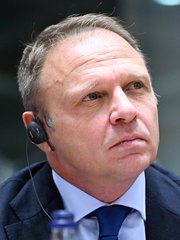
Francesco Lollobrigida
1972 - Present
HPI: 53.52
Rank: 884
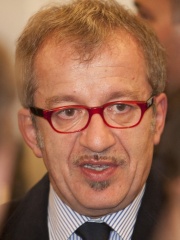
Roberto Maroni
1955 - 2022
HPI: 53.44
Rank: 885
Leonida Bissolati
1857 - 1920
HPI: 53.39
Rank: 886
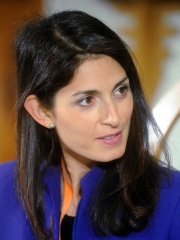
Virginia Raggi
1978 - Present
HPI: 53.35
Rank: 887
Attilio Fontana
1952 - Present
HPI: 53.26
Rank: 888
Roberto Fiore
1959 - Present
HPI: 53.19
Rank: 889
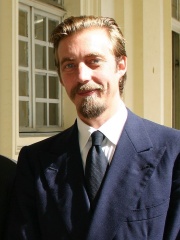
Prince Aimone, Duke of Apulia
1967 - Present
HPI: 53.00
Rank: 890
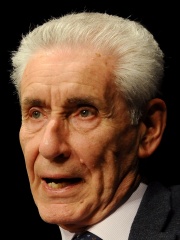
Stefano Rodotà
1933 - 2017
HPI: 52.53
Rank: 891
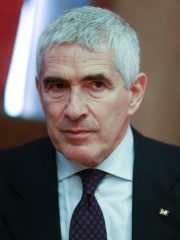
Pier Ferdinando Casini
1955 - Present
HPI: 52.37
Rank: 892
Antonio Giolitti
1915 - 2010
HPI: 52.07
Rank: 893
Gianni Alemanno
1958 - Present
HPI: 52.06
Rank: 894




