Politicien
António Manoel de Vilhena
1663 - 1736
FR.WIKIPEDIA PAGE VIEWS (PV)
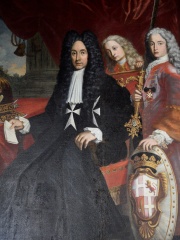
 António Manoel de Vilhena
Sa biographie est disponible en 18 langues sur Wikipédia (en hausse par rapport à 16 en 2024). António Manoel de Vilhena est le 12,789th politicien le plus populaire (en hausse du 13,381st en 2024), la 296th biographie la plus populaire du Portugal (en hausse du 309th en 2019), ainsi que le 113th politicien du Portugal le plus populaire.
Memorability Metrics
10k
Page Views
Past 12 months
58.50
HPI
Historical Popularity Index
Page views of António Manoel de Vilhena by language
Among Politiciens
Among politiciens, António Manoel de Vilhena ranks 12,783 out of 19,576. Before him are Nikolai Denkov, Edward Osóbka-Morawski, Abdullah Al-Salim Al-Sabah, Nikephoros Bryennios the Elder, Shattuara, and Ahmed Osman. After him are Amalafrid, Miroslav Ondříček, Pyotr Masherov, Achaeus, Jack Sharkey, and Ivan Dziuba.
Most Popular Politiciens in Wikipedia
Go to all Rankings
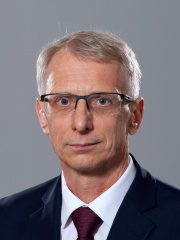
Nikolai Denkov
1962 - Present
HPI: 58.51
Rank: 12,783
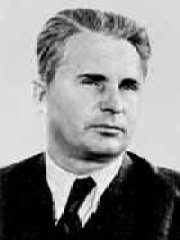
Edward Osóbka-Morawski
1909 - 1997
HPI: 58.51
Rank: 12,784
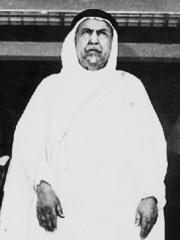
Abdullah Al-Salim Al-Sabah
1895 - 1965
HPI: 58.51
Rank: 12,785

Nikephoros Bryennios the Elder
1100 - 1095
HPI: 58.51
Rank: 12,786

Shattuara
1350 BC - 1300 BC
HPI: 58.51
Rank: 12,787
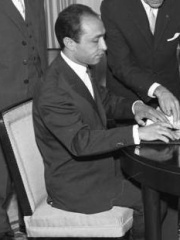
Ahmed Osman
1930 - Present
HPI: 58.50
Rank: 12,788
António Manoel de Vilhena
1663 - 1736
HPI: 58.50
Rank: 12,789

Amalafrid
531 - 551
HPI: 58.50
Rank: 12,790
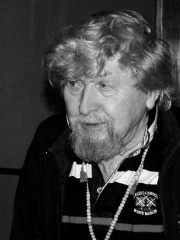
Miroslav Ondříček
1934 - 2015
HPI: 58.50
Rank: 12,791
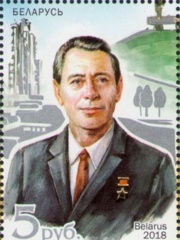
Pyotr Masherov
1918 - 1980
HPI: 58.50
Rank: 12,792

Achaeus
300 BC - 213 BC
HPI: 58.50
Rank: 12,793
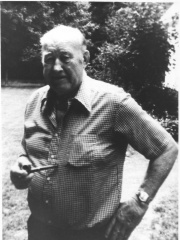
Jack Sharkey
1902 - 1994
HPI: 58.50
Rank: 12,794
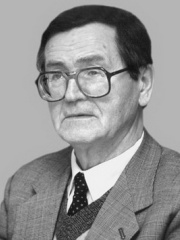
Ivan Dziuba
1931 - 2022
HPI: 58.50
Rank: 12,795

Contemporaries
Among people born in 1663, António Manoel de Vilhena ranks 14. Before him are August Hermann Francke, Friedrich Wilhelm Zachow, Luca Carlevarijs, Agafya Grushetskaya, Ogata Kenzan, and Cotton Mather. After him are Lobsang Yeshe, 5th Panchen Lama, and Henry FitzRoy, 1st Duke of Grafton. Among people deceased in 1736, António Manoel de Vilhena ranks 15. Before him are Louise Diane d'Orléans, Matthäus Daniel Pöppelmann, Theophan Prokopovich, Caspar van Wittel, René Duguay-Trouin, and Emanuele d'Astorga. After him is Nicholas Hawksmoor.
Others Born in 1663
Go to all Rankings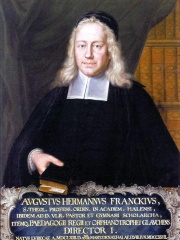
August Hermann Francke
POLITICIAN
1663 - 1727
HPI: 62.67
Rank: 8
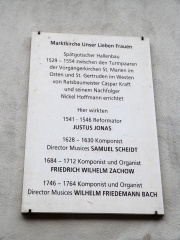
Friedrich Wilhelm Zachow
COMPOSER
1663 - 1712
HPI: 61.59
Rank: 9
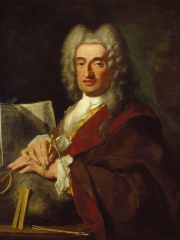
Luca Carlevarijs
PAINTER
1663 - 1730
HPI: 59.51
Rank: 10
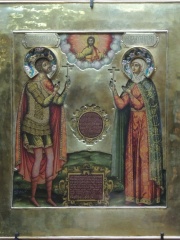
Agafya Grushetskaya
COMPANION
1663 - 1681
HPI: 59.31
Rank: 11
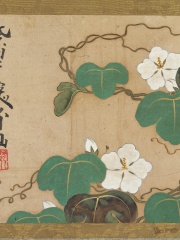
Ogata Kenzan
PAINTER
1663 - 1743
HPI: 58.78
Rank: 12
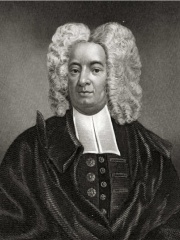
Cotton Mather
WRITER
1663 - 1728
HPI: 58.61
Rank: 13
António Manoel de Vilhena
POLITICIAN
1663 - 1736
HPI: 58.50
Rank: 14
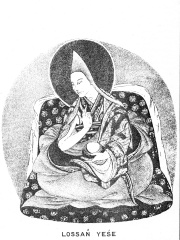
Lobsang Yeshe, 5th Panchen Lama
RELIGIOUS FIGURE
1663 - 1737
HPI: 56.97
Rank: 15
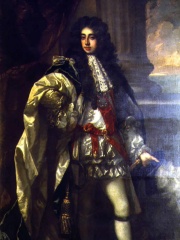
Henry FitzRoy, 1st Duke of Grafton
MILITARY PERSONNEL
1663 - 1690
HPI: 54.32
Rank: 16
Others Deceased in 1736
Go to all Rankings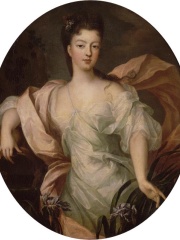
Louise Diane d'Orléans
COMPANION
1716 - 1736
HPI: 65.85
Rank: 9
Matthäus Daniel Pöppelmann
ARCHITECT
1662 - 1736
HPI: 63.49
Rank: 10
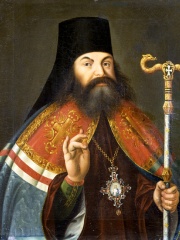
Theophan Prokopovich
PHILOSOPHER
1681 - 1736
HPI: 63.36
Rank: 11
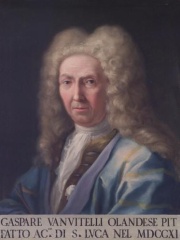
Caspar van Wittel
PAINTER
1653 - 1736
HPI: 60.85
Rank: 12
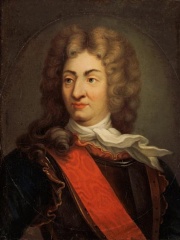
René Duguay-Trouin
POLITICIAN
1673 - 1736
HPI: 60.11
Rank: 13
Emanuele d'Astorga
COMPOSER
1680 - 1736
HPI: 60.09
Rank: 14
António Manoel de Vilhena
POLITICIAN
1663 - 1736
HPI: 58.50
Rank: 15
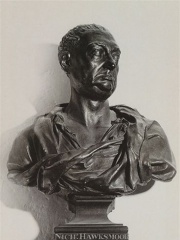
Nicholas Hawksmoor
ARCHITECT
1661 - 1736
HPI: 54.09
Rank: 16
In Portugal
Among people born in Portugal, António Manoel de Vilhena ranks 296 out of NaN. Before him are Rosa Mota (1958), Gonçalo Velho Cabral (1400), Hilário (1975), Maniche (1977), José Peseiro (1960), and Alberto Festa (1939). After him are Ricardo Costa (1981), Martim Afonso de Sousa (1500), Simão Rodrigues (1510), José Malhoa (1855), Walther Katzenstein (1878), and Pedro Passos Coelho (1964).
Others born in Portugal
Go to all Rankings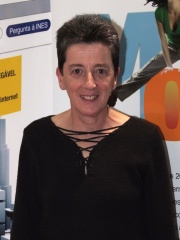
Rosa Mota
ATHLETE
1958 - Present
HPI: 58.68
Rank: 290

Gonçalo Velho Cabral
EXPLORER
1400 - 1460
HPI: 58.65
Rank: 291
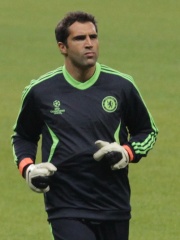
Hilário
SOCCER PLAYER
1975 - Present
HPI: 58.62
Rank: 292
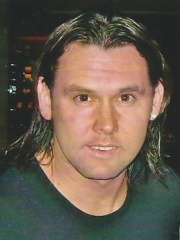
Maniche
SOCCER PLAYER
1977 - Present
HPI: 58.62
Rank: 293
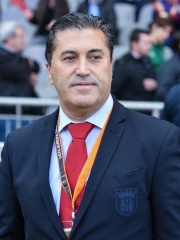
José Peseiro
SOCCER PLAYER
1960 - Present
HPI: 58.58
Rank: 294

Alberto Festa
SOCCER PLAYER
1939 - 2024
HPI: 58.57
Rank: 295
António Manoel de Vilhena
POLITICIAN
1663 - 1736
HPI: 58.50
Rank: 296
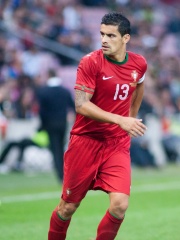
Ricardo Costa
SOCCER PLAYER
1981 - Present
HPI: 58.46
Rank: 297
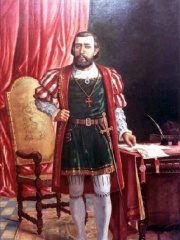
Martim Afonso de Sousa
EXPLORER
1500 - 1564
HPI: 58.43
Rank: 298
Simão Rodrigues
RELIGIOUS FIGURE
1510 - 1579
HPI: 58.42
Rank: 299
José Malhoa
PAINTER
1855 - 1933
HPI: 58.41
Rank: 300

Walther Katzenstein
ATHLETE
1878 - 1929
HPI: 58.39
Rank: 301
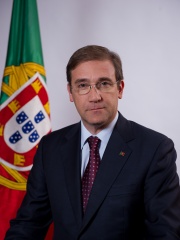
Pedro Passos Coelho
POLITICIAN
1964 - Present
HPI: 58.26
Rank: 302
Among Politiciens In Portugal
Among politiciens born in Portugal, António Manoel de Vilhena ranks 113. Before him are Infanta Maria Doroteia of Portugal (1739), Vasco de Almeida e Costa (1932), Luís Montenegro (1973), Jaime, Duke of Braganza (1483), Francisco Pinto Balsemão (1937), and Teodósio I, Duke of Braganza (1510). After him are Pedro Passos Coelho (1964), Guilhermina Suggia (1885), João de Castro (1500), Carlos Mota Pinto (1936), António José Seguro (1962), and Alfredo Nobre da Costa (1923).
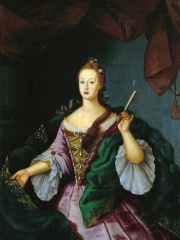
Infanta Maria Doroteia of Portugal
1739 - 1771
HPI: 60.57
Rank: 107
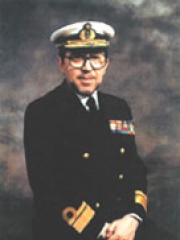
Vasco de Almeida e Costa
1932 - 2010
HPI: 60.25
Rank: 108
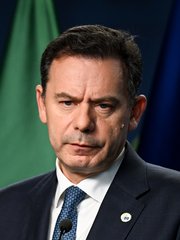
Luís Montenegro
1973 - Present
HPI: 60.20
Rank: 109
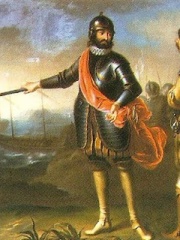
Jaime, Duke of Braganza
1483 - 1532
HPI: 60.00
Rank: 110
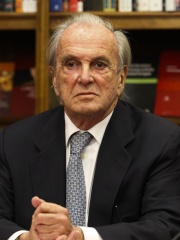
Francisco Pinto Balsemão
1937 - 2025
HPI: 58.85
Rank: 111
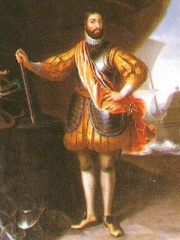
Teodósio I, Duke of Braganza
1510 - 1563
HPI: 58.68
Rank: 112
António Manoel de Vilhena
1663 - 1736
HPI: 58.50
Rank: 113
Pedro Passos Coelho
1964 - Present
HPI: 58.26
Rank: 114
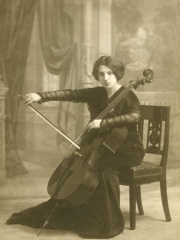
Guilhermina Suggia
1885 - 1950
HPI: 58.08
Rank: 115
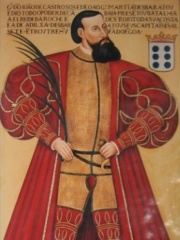
João de Castro
1500 - 1548
HPI: 57.67
Rank: 116

Carlos Mota Pinto
1936 - 1985
HPI: 57.29
Rank: 117
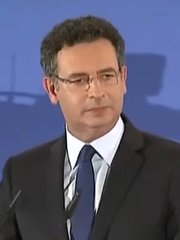
António José Seguro
1962 - Present
HPI: 57.25
Rank: 118

Alfredo Nobre da Costa
1923 - 1996
HPI: 57.12
Rank: 119




